
The Miracles of Shogo Fujii's Fascia Release
Original title (JP): 藤井翔悟の筋膜リリースはが起こす奇跡 -詳細は概要欄から-

Supervised by
Shogo Fujii
Physiotherapist (PT) · Founder of the SHOGO FUJII® FASCIA METHOD
View profile →Clinical Article · 5 min read
Fascia release for low back pain has gained significant attention for its potential to alleviate discomfort and improve mobility. This therapy focuses on the connective tissues that surround muscles, offering a novel approach to pain management. Shogo Fujii's techniques have demonstrated remarkable changes in the body, making it a compelling option for those seeking relief.
How does fascia release alleviate low back pain?
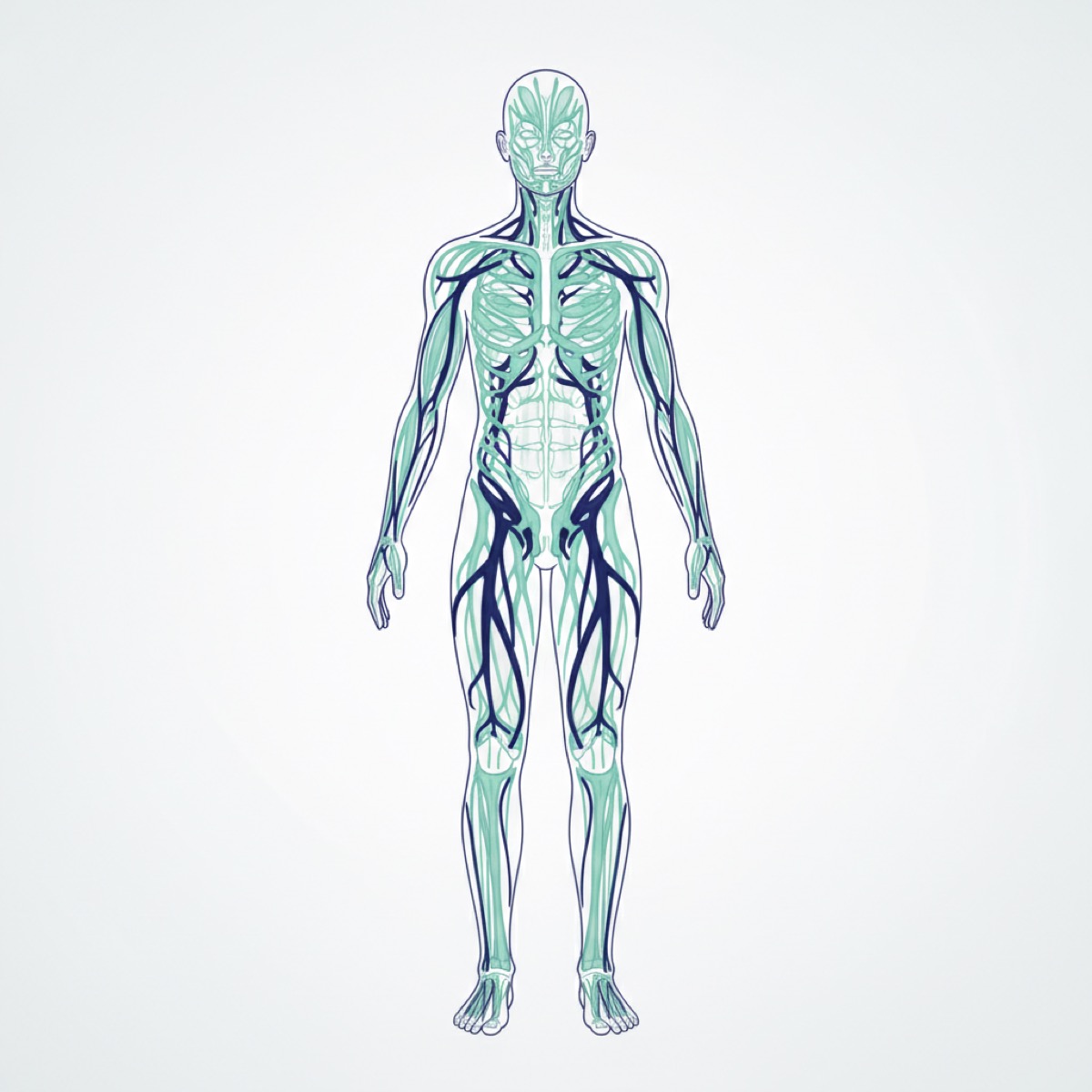
Fascia release targets the connective tissues that encase muscles, known as fascia, which can become tight and restrictive due to overuse or injury. By gently manipulating these tissues, fascia release can help to restore flexibility and reduce tension in the lower back region. This process not only alleviates pain but also enhances overall movement and function.
Shogo Fujii's method emphasizes the importance of understanding fascia's role in body mechanics. His approach ensures that clinicians and patients can identify specific areas of tension and apply targeted techniques to promote healing. The gradual release of fascia can lead to noticeable improvements in pain levels and physical capabilities.
What are the benefits of Shogo Fujii's fascia release technique?
Shogo Fujii's fascia release technique offers multiple benefits, including increased flexibility, reduced pain, and improved posture. By focusing on the fascia, this technique addresses the root cause of many musculoskeletal issues, providing long-term relief rather than just temporary symptom management.
Patients often report feeling a significant change in their pain levels and mobility after undergoing fascia release therapy. This non-invasive method is particularly appealing to those looking to avoid surgical interventions or heavy reliance on medication. Fujii's technique empowers individuals to take control of their pain management through regular and mindful practice.
What to expect during a fascia release session?
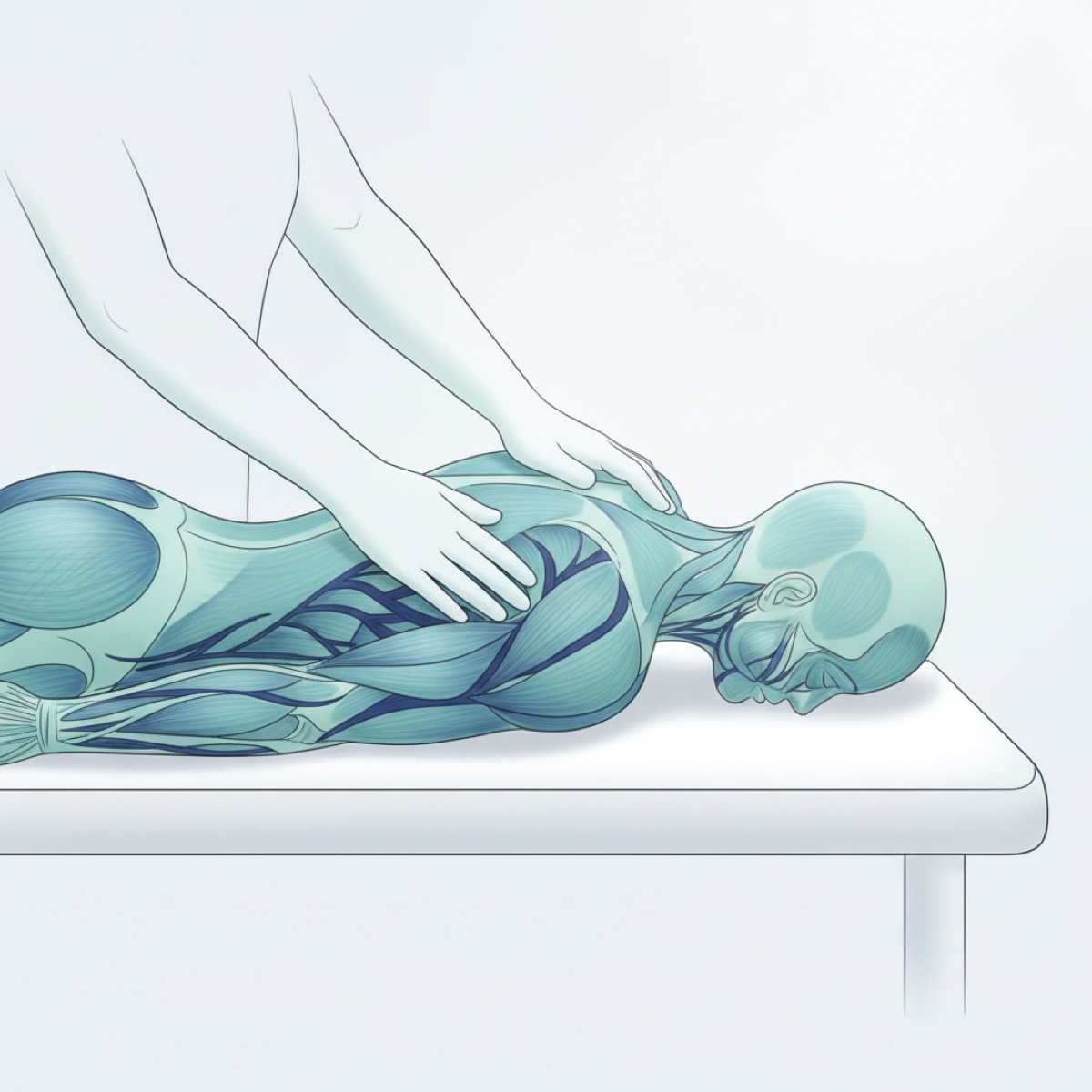
During a fascia release session, a trained therapist will assess your body's fascia for areas of tension and tightness. The session typically involves gentle pressure and stretching techniques aimed at loosening the fascia and improving circulation. This may initially feel unfamiliar, but many patients describe a sense of relief and lightness as the session progresses.
It is common for patients to experience a sense of 'change' or 'release' as the fascia responds to manipulation. This is a positive indication that the therapy is working to restore balance and function. Regular sessions can lead to sustained improvements in pain and mobility, enhancing your quality of life.
Is fascia release right for you?
Fascia release may be suitable for individuals experiencing chronic low back pain, stiffness, or limited mobility. It is important to consult with a healthcare provider to determine if this therapy aligns with your specific health needs and conditions. Fascia release is generally considered safe, but it is not a substitute for medical treatment.
Before starting fascia release therapy, ensure that the practitioner is certified and experienced in this technique. They should be able to tailor the sessions to your individual needs and provide guidance on complementary exercises and self-care practices to maximize the benefits of the therapy.
Frequently asked questions
Is fascia release safe? — Fascia release is generally safe when performed by a trained professional. It is important to ensure that the therapist is qualified and follows appropriate guidelines to avoid any adverse effects.
How long does it take to see results from fascia release? — Many individuals report feeling some relief after the first session, but consistent improvements typically occur over several sessions. The exact timeline can vary depending on the individual's condition and response to therapy.
Can fascia release be combined with other treatments? — Yes, fascia release can be integrated with other therapies such as physical therapy, massage, or exercise programs. It is advisable to discuss this with your healthcare provider to create a comprehensive treatment plan.
References
- [1]Woolf CJ. Central sensitization: implications for the diagnosis and treatment of pain. Pain. 2011;152(3 Suppl):S2–S15.
- [2]Tracey KJ. The inflammatory reflex. Nature. 2002;420(6917):853–859.
- [3]Mayer EA. Gut feelings: the emerging biology of gut–brain communication. Nat Rev Neurosci. 2011;12(8):453–466.
- [4]Cryan JF, Dinan TG. Mind-altering microorganisms: the impact of the gut microbiota on brain and behaviour. Nat Rev Neurosci. 2012;13(10):701–712.
- [5]Guo R, Chen LH, Xing C, Liu T. Pain regulation by gut microbiota: molecular mechanisms and therapeutic potential. Br J Anaesth. 2019;123(5):637–654.
- [6]Ricciotti E, FitzGerald GA. Prostaglandins and inflammation. Arterioscler Thromb Vasc Biol. 2011;31(5):986–1000.
Related videos

Palpation X-Ray #84 | Is the Sacrum Really a Flat Plate? It's a Wedge, Wide at the Top and Narrowing Downward — Trace Down from the Lumbar Spine and Confirm at Gluteus Maximus
0:56
Dramatic Improvement in One Session: Manual Approach to the Pelvic Girdle, with Palpation of Anatomical Landmarks and Movement Assessment Before and After (Hands-On Demo)
5:48