Instant Relief for Back Pain: Fascia Release Techniques
Original title (JP): 【腰痛の治し方】座位保持の腰痛1秒で治す、筋膜リリーステクニック!

Supervised by
Shogo Fujii
Physiotherapist (PT) · Founder of the SHOGO FUJII® FASCIA METHOD
View profile →Clinical Article · 5 min read
If you're seeking relief from low back pain, fascia release techniques may offer a promising solution. This method targets the deep muscles tied to the spine, potentially alleviating discomfort associated with prolonged sitting or poor posture. By understanding how fascia release works, clinicians and patients can explore new pathways to manage back pain effectively.
Why does my back hurt when sitting?
Back pain during sitting is often linked to muscle imbalances and fascia tightness, particularly in the psoas muscle. This muscle connects the lumbar spine to the femur and plays a crucial role in hip flexion. When the psoas becomes tight, it can pull on the lower back, causing pain [1].
Fascia, the connective tissue surrounding muscles, can also contribute to discomfort if it becomes stiff or restricted. This stiffness can lead to muscle tension and pain, especially in the lower back region [2].
How fascia release works for low back pain
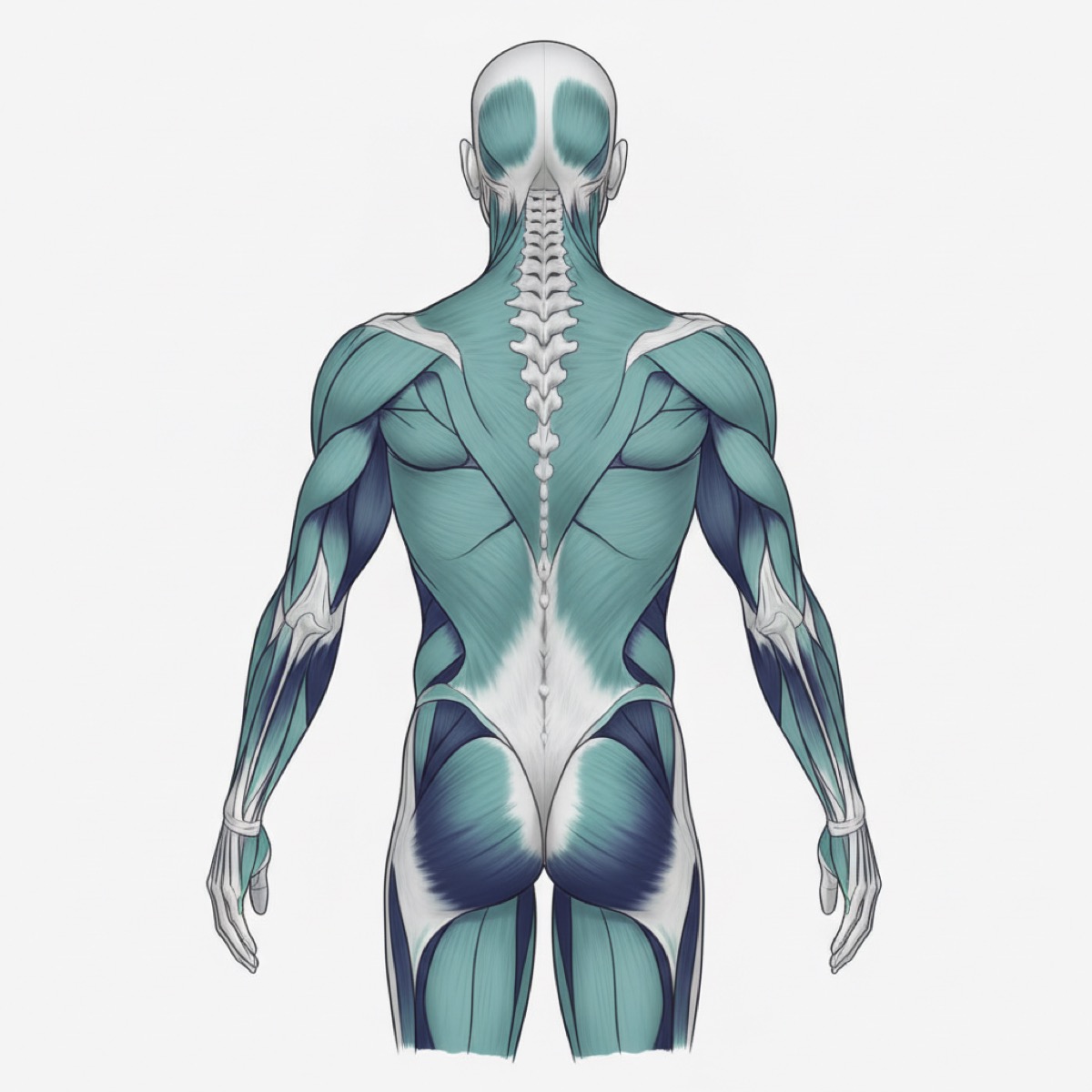
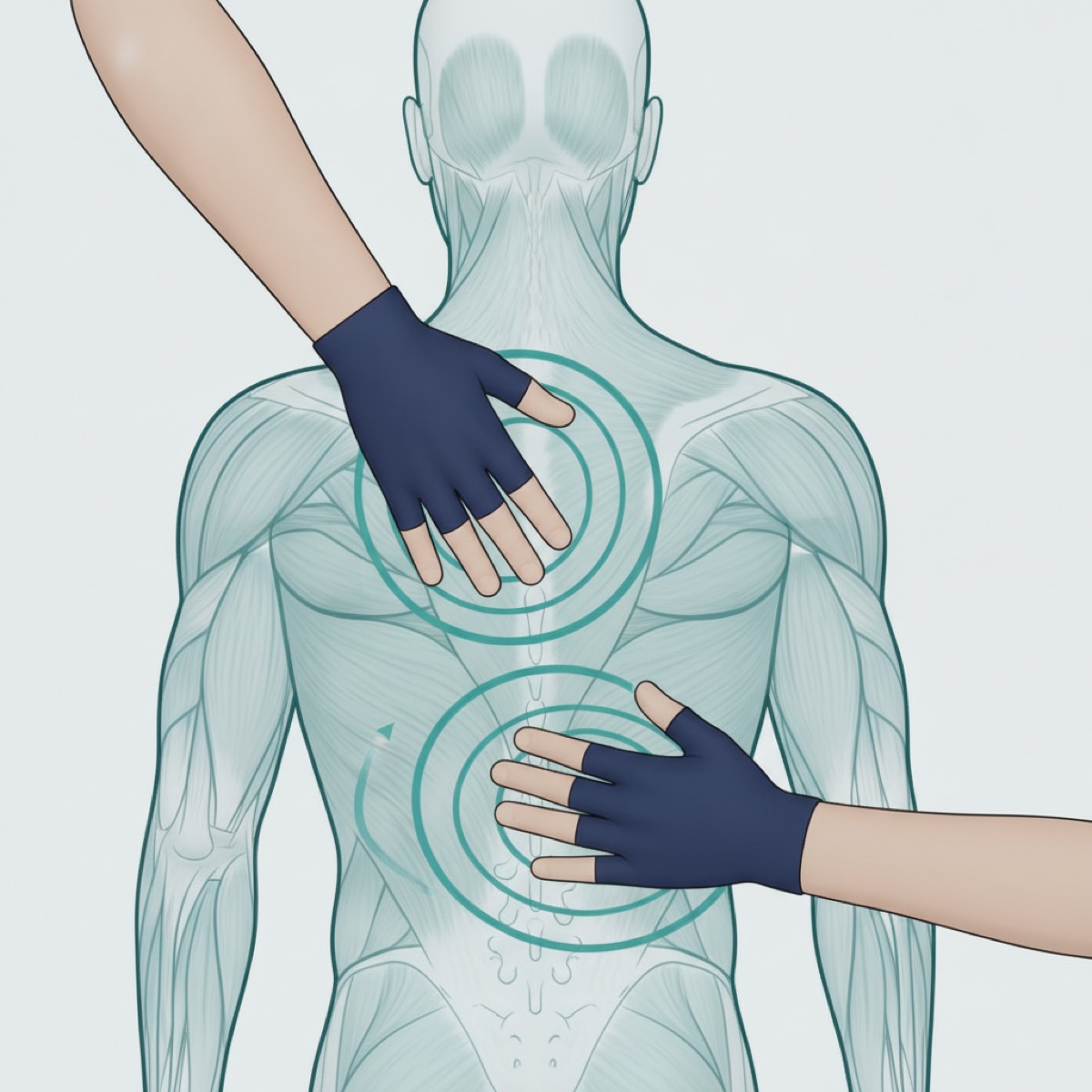
Fascia release involves applying pressure to specific areas of the body to relieve tension in the fascia. This technique can help reset muscle tension patterns, potentially reducing pain [3]. By pressing into the abdomen, clinicians can indirectly affect the back muscles, promoting relaxation and reducing strain on the spine.
The process may also involve teaching patients to use breathing techniques and gentle movements to further encourage fascia relaxation. These methods aim to restore the natural alignment and function of the muscles and fascia, improving overall comfort [4].
What to expect during a fascia release session
During a fascia release session, a clinician will assess your posture and identify areas of tension. The practitioner will then apply targeted pressure, often around the abdomen, to help release fascia and alleviate back pain [5].
Patients may experience a sensation of release or lightness in the back as tension dissipates. The session might also include guided breathing exercises to enhance the effects of the manual techniques. These sessions are designed to be safe and non-invasive, focusing on gradual improvement [6].
Can fascia release improve posture?
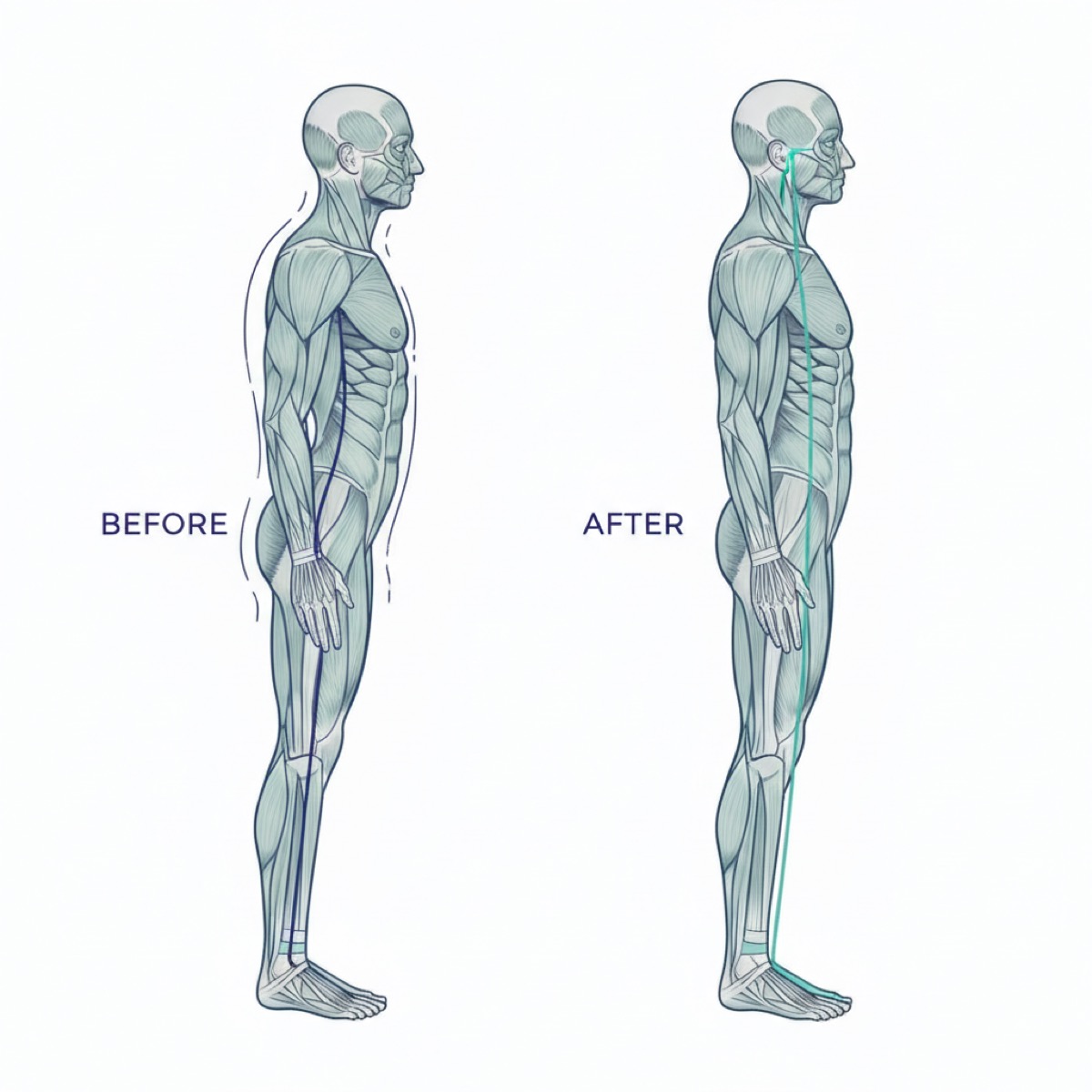
Fascia release can potentially improve posture by addressing muscle imbalances and tension patterns that contribute to poor alignment. When fascia is relaxed, muscles can move more freely, supporting a more natural posture [2].
Consistent fascia release sessions can help retrain the body to maintain better posture both during and outside of therapy sessions. Patients are often encouraged to incorporate specific exercises and lifestyle adjustments to sustain these improvements over time.
Frequently asked questions
Is fascia release safe? — Fascia release is generally considered safe when performed by trained professionals. It is non-invasive and aims to gently alleviate tension.
How quickly can I expect results? — Results can vary. Some may feel immediate relief, while others might require multiple sessions to notice significant changes.
Can I do fascia release at home? — While some techniques can be practiced at home, it's important to receive initial guidance from a professional to ensure correct application and avoid injury.
References
- [1]Zügel M, Maganaris CN, Wilke J, et al. Fascial tissue research in sports medicine: from molecules to tissue adaptation, injury and diagnostics: consensus statement. Br J Sports Med. 2018;52(23):1497.
- [2]Klingler W, Velders M, Hoppe K, Pedro M, Schleip R. Clinical relevance of fascial tissue and dysfunctions. Curr Pain Headache Rep. 2014;18(8):439.
- [3]Wilke J, Vogt L, Niederer D, Banzer W. Is remote stretching based on myofascial chains as effective as local exercise? A randomised-controlled trial. J Sports Sci. 2017;35(20):2021–2027.
- [4]Palomeque-del-Cerro L, Arráez-Aybar LA, Rodríguez-Blanco C, et al. A systematic review of the soft-tissue connections between neck muscles and dura mater: the myodural bridge. Spine. 2017;42(1):49–54.
- [5]Woolf CJ. Central sensitization: implications for the diagnosis and treatment of pain. Pain. 2011;152(3 Suppl):S2–S15.
- [6]Tracey KJ. The inflammatory reflex. Nature. 2002;420(6917):853–859.