Unlocking Neck Pain Relief Through Ankle Techniques
Original title (JP): 【秘伝】足首で首の痛みを治すカミワザ

Supervised by
Shogo Fujii
Physiotherapist (PT) · Founder of the SHOGO FUJII® FASCIA METHOD
View profile →Clinical Article · 5 min read
Unlocking the secrets of fascia therapy can lead to surprising solutions for low back pain, such as using ankle techniques. Recent insights suggest a fascinating connection between ankle movement and neck pain relief, providing a holistic approach to managing discomfort.
How can ankle techniques relieve neck pain?
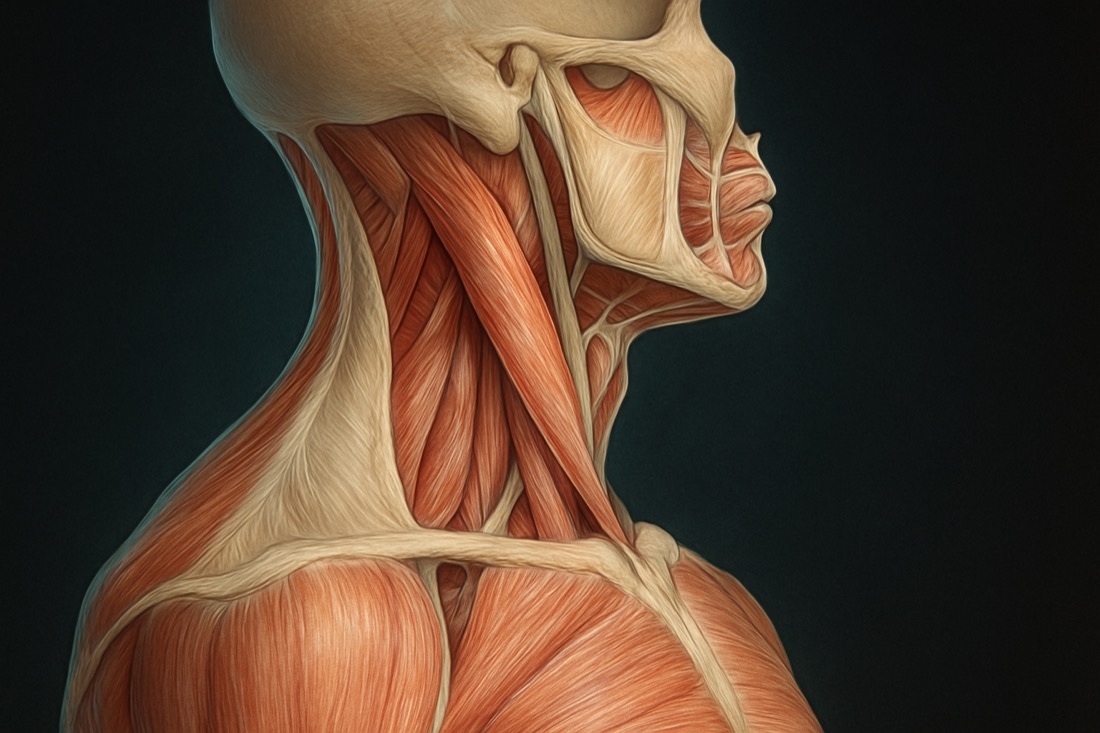
The concept of using ankle techniques to alleviate neck pain may seem unconventional, but it is based on an intricate understanding of fascia connections throughout the body. The ankle is closely linked to various muscle groups, and its movement can influence the neck's mobility and pain levels. By focusing on the ankle, therapists can indirectly affect the neck, potentially improving range of motion and reducing discomfort.
These techniques involve specific manipulations and stretches of the ankle, which can release tension in the fascia, the connective tissue that supports and surrounds muscles and organs. This approach is not commonly found in textbooks or research papers, yet it has shown promising results in practice.
Why does low back pain occur?
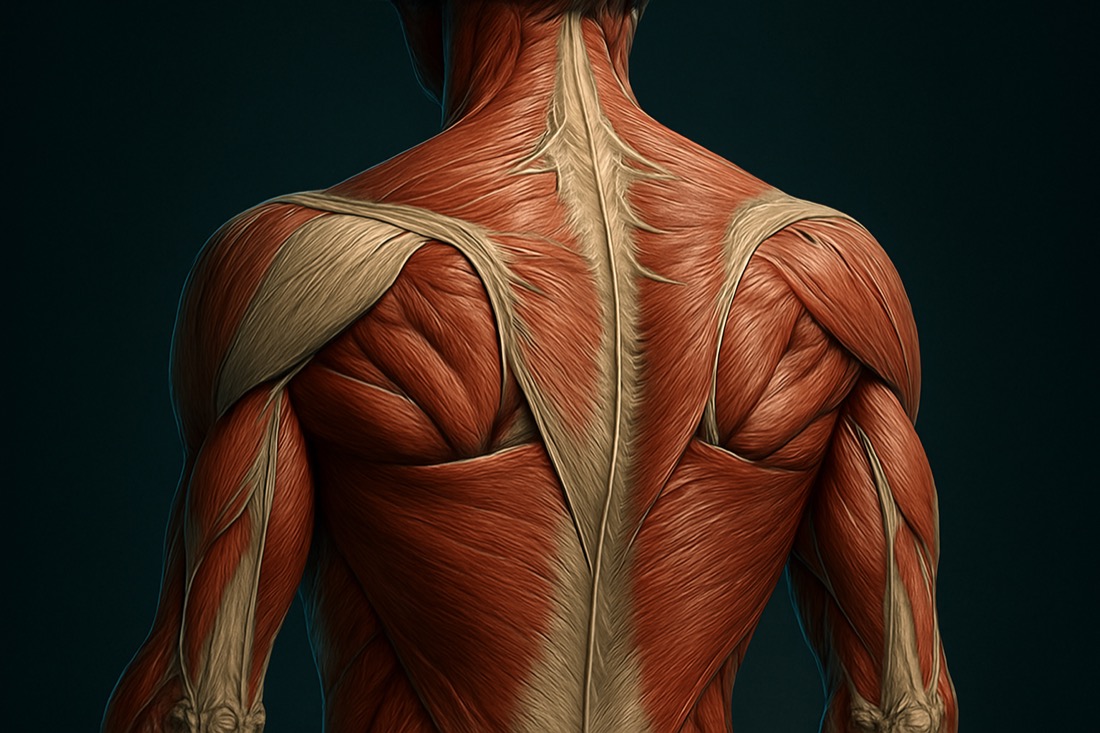
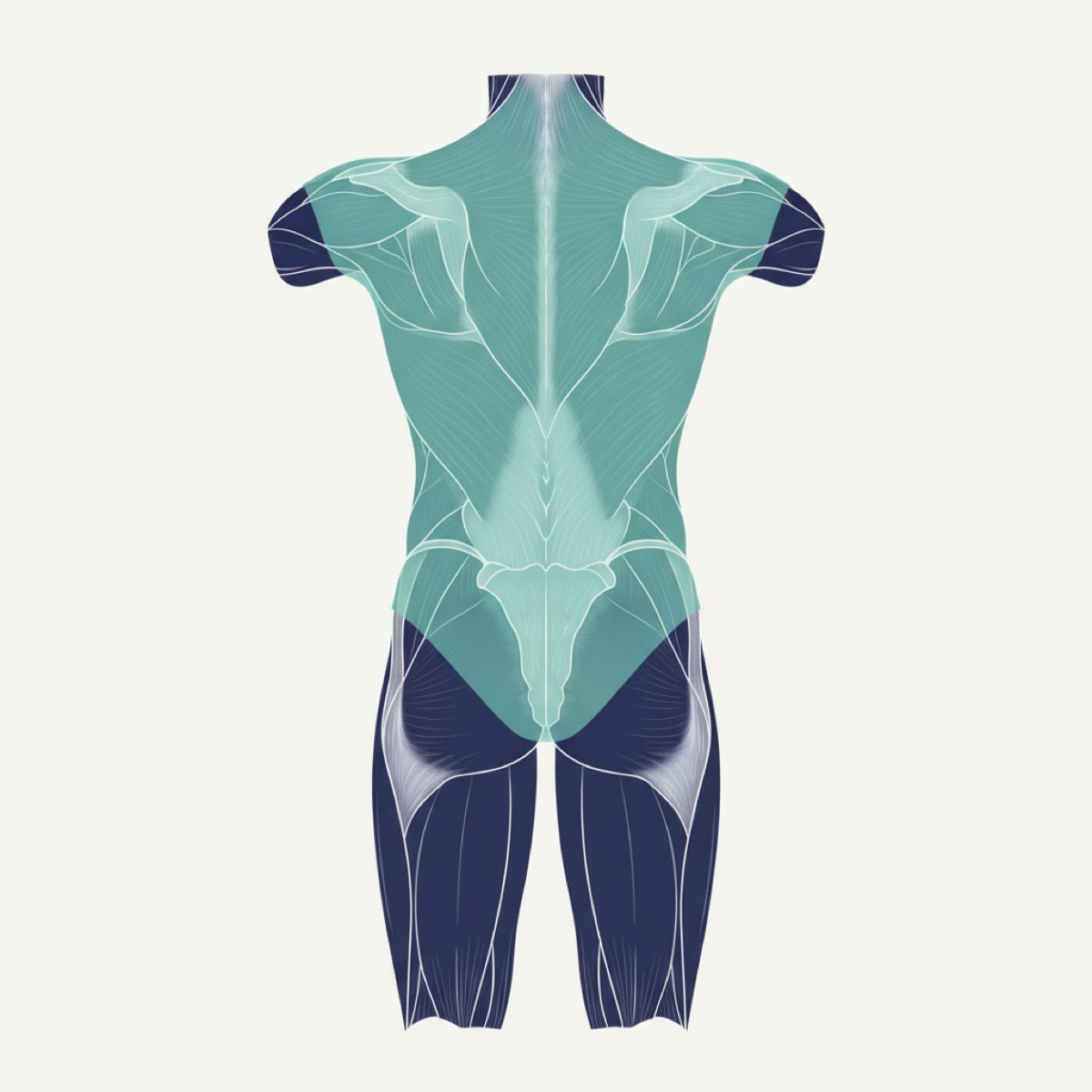
Low back pain is a common issue that can stem from various causes, including muscle strain, poor posture, and underlying medical conditions. The back is a complex structure of bones, muscles, and other tissues that work together to support the body's weight and allow for movement.
When any part of this complex system is out of balance or under stress, it can lead to pain. Fascia, the connective tissue that plays a crucial role in structural support, can become restricted or tense, contributing to discomfort in the low back.
What is the role of fascia in pain management?
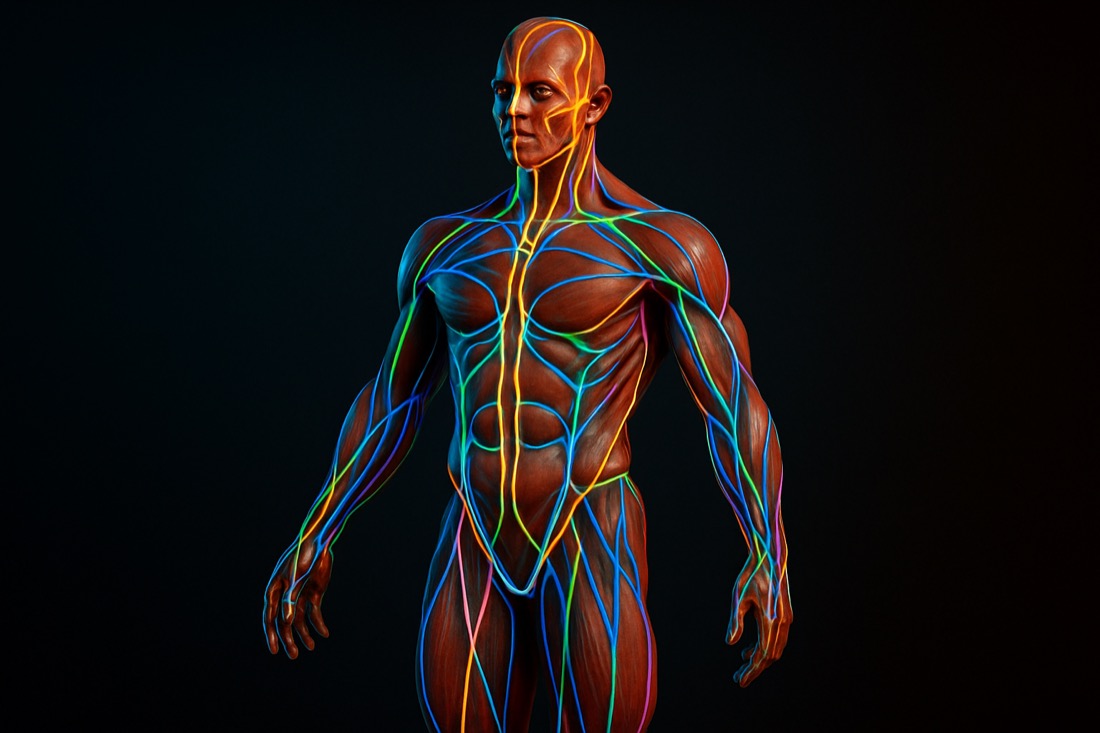
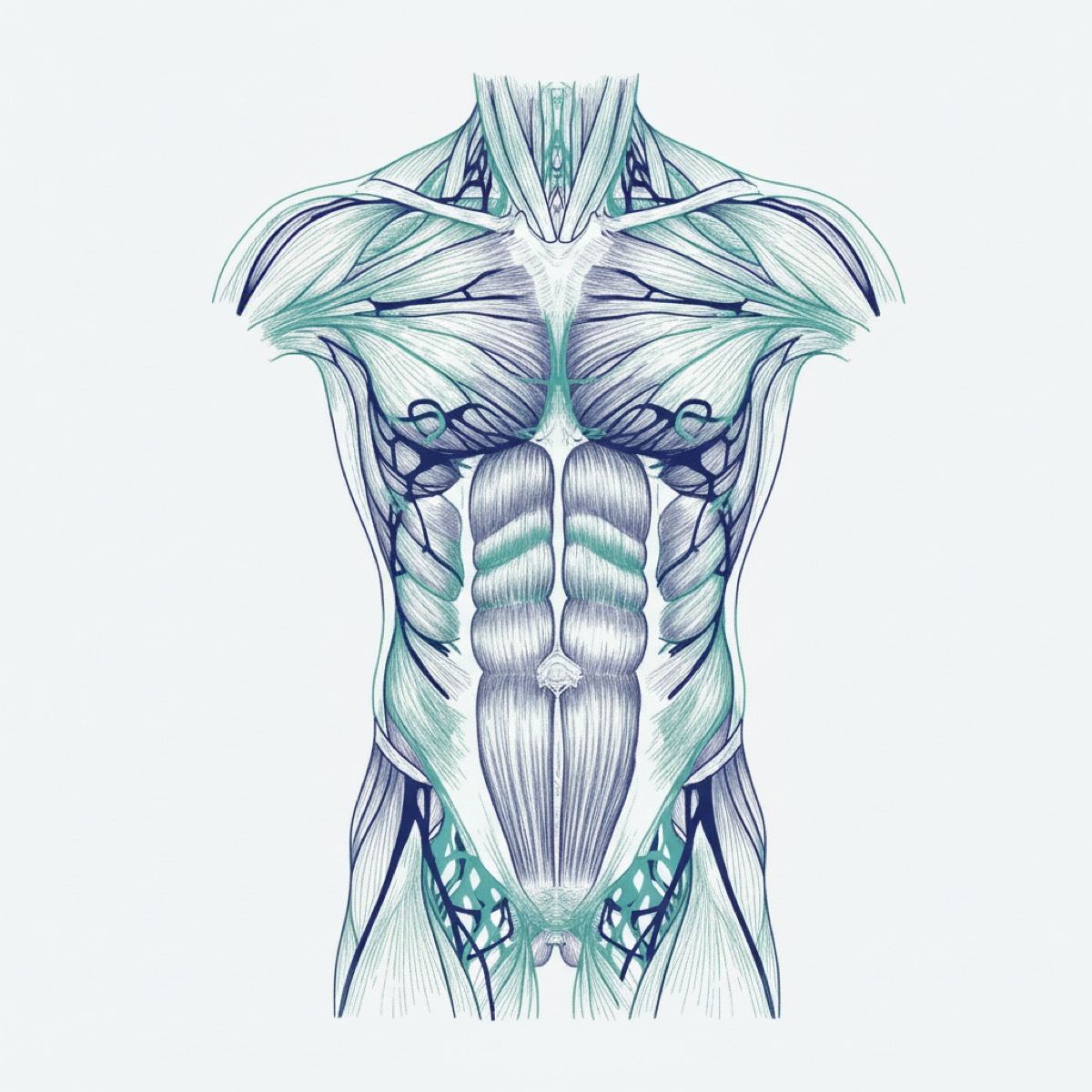
Fascia is a continuous web of connective tissue that envelops the entire body, playing a significant role in movement and stability. When fascia is tight or restricted, it can lead to pain and reduced mobility. This is where fascia therapy comes into play, aiming to release these restrictions and restore normal function.
By addressing fascia, therapists can often achieve relief in areas that seem unrelated, such as using ankle techniques to influence neck pain. This holistic approach highlights the interconnectedness of the body's systems and the importance of considering the body as a whole in pain management.
How does ankle movement affect the neck?
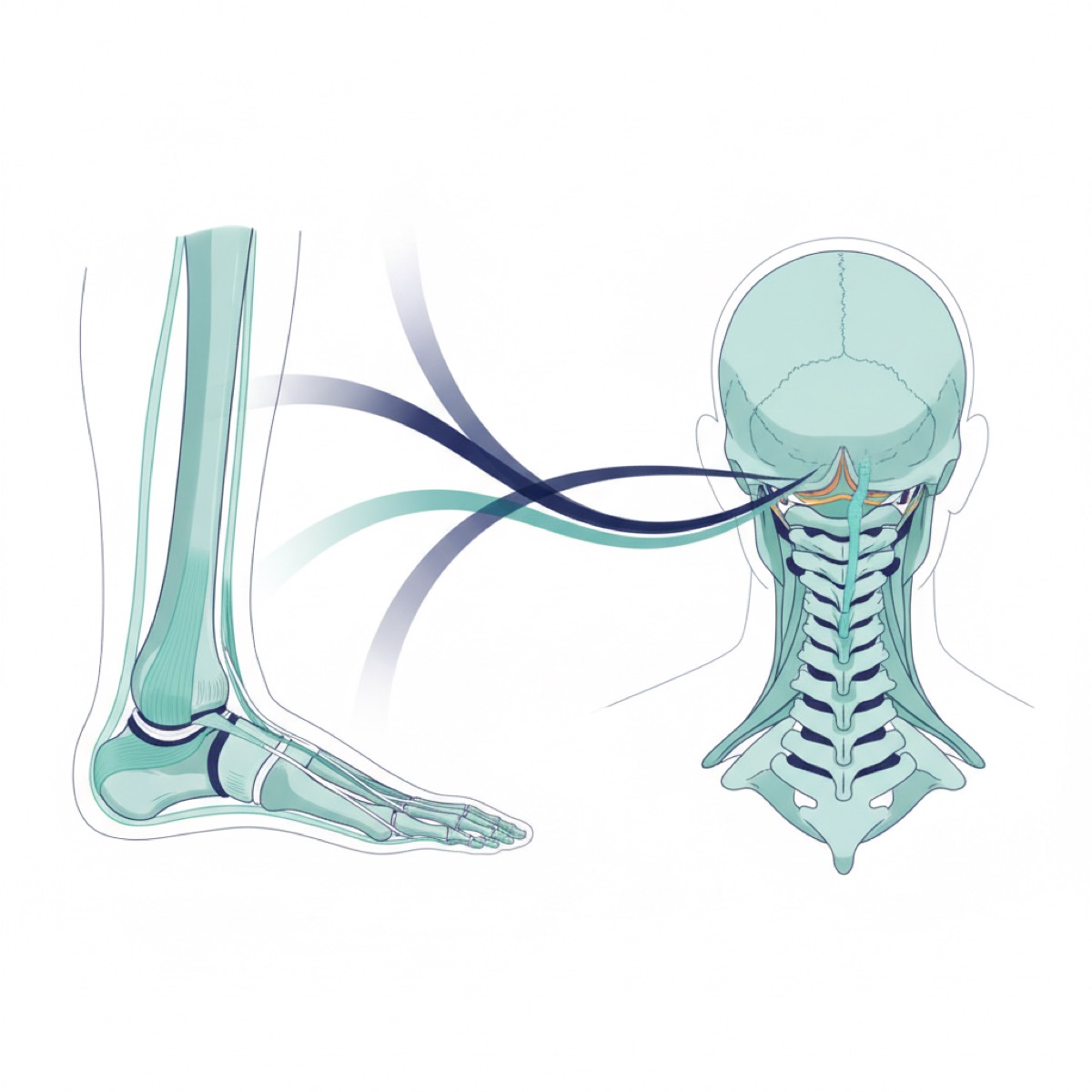
Ankle movement can influence the neck through the body's fascial connections. When the ankle is manipulated, it can send signals through the fascia that affect muscle tension and alignment in the neck. This can result in improved range of motion and reduced pain in the neck area.
In practice, therapists may use specific techniques such as twisting the toes and stretching the ankle upwards, followed by gentle vibrations to enhance the effect. These movements can be surprisingly effective, demonstrating the principle that peripheral manipulations can have central impacts.
Frequently asked questions
How does ankle manipulation impact neck pain? — Ankle manipulation affects neck pain by altering fascial tension and muscle alignment, which can improve neck mobility and reduce discomfort.
Is fascia therapy safe? — Fascia therapy is generally considered safe when performed by a trained professional. It is important to consult with a healthcare provider to ensure it is appropriate for your specific condition.
Can fascia therapy help with other types of pain? — Yes, fascia therapy can be beneficial for various types of pain by addressing connective tissue restrictions, which may improve overall body function and alleviate discomfort.
References
- [1]Wilke J, Krause F, Vogt L, Banzer W. What Is Evidence-Based About Myofascial Chains? A Systematic Review. Arch Phys Med Rehabil. 2016;97(3):454–461.
- [2]Krause F, Wilke J, Vogt L, Banzer W. Intermuscular force transmission along myofascial chains: a systematic review. J Anat. 2016;228(6):910–918.
- [3]Stecco C, Stern R, Porzionato A, et al. Hyaluronan within fascia in the etiology of myofascial pain. Surg Radiol Anat. 2011;33(10):891–896.
- [4]Ajimsha MS, Al-Mudahka NR, Al-Madzhar JA. Effectiveness of myofascial release: a systematic review of randomized controlled trials. J Bodyw Mov Ther. 2015;19(1):102–112.
- [5]Tozzi P, Bongiorno D, Vitturini C. Fascial release effects on patients with non-specific cervical or lumbar pain. J Bodyw Mov Ther. 2011;15(4):405–416.
- [6]Zügel M, Maganaris CN, Wilke J, et al. Fascial tissue research in sports medicine: from molecules to tissue adaptation, injury and diagnostics: consensus statement. Br J Sports Med. 2018;52(23):1497.