Cure Lower Back Pain Instantly with Shoulder Blade Techniques
Original title (JP): 肩甲骨で腰痛を一撃で治す動画

Supervised by
Shogo Fujii
Physiotherapist (PT) · Founder of the SHOGO FUJII® FASCIA METHOD
View profile →Clinical Article · 5 min read
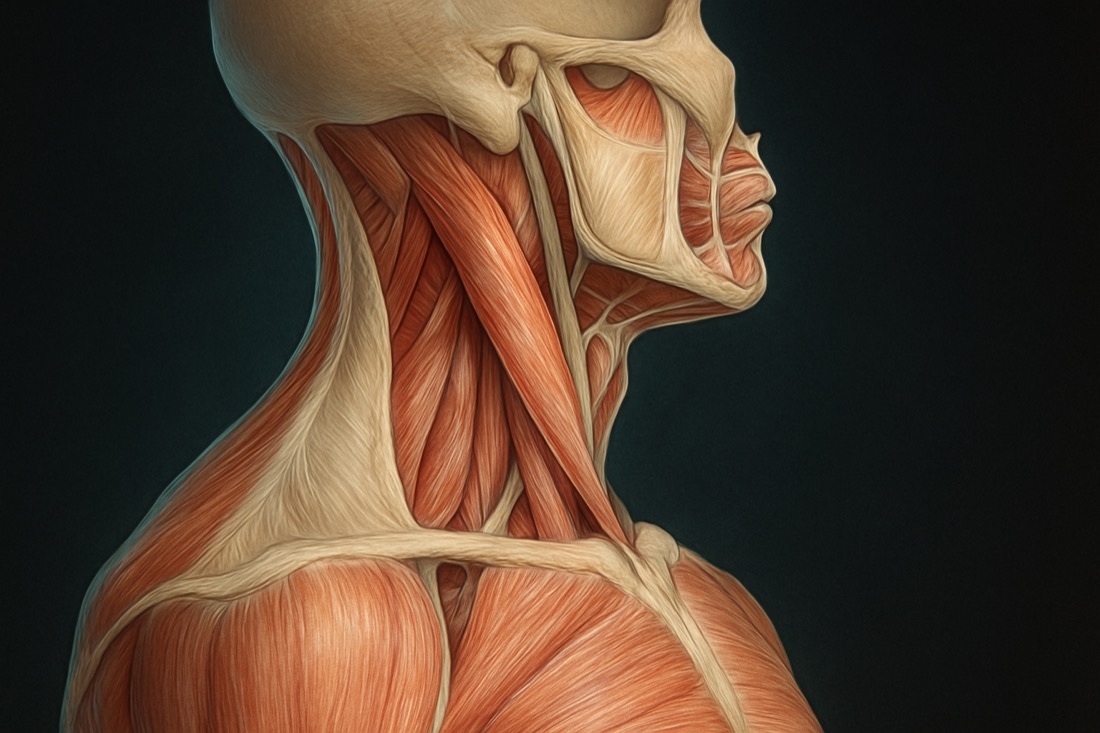
Fascia release for low back pain is an innovative approach that leverages shoulder blade techniques to alleviate discomfort. Many people suffer from persistent low back pain, often linked to the intricate connections within the body’s fascia system. By focusing on the shoulder blades, this method offers relief by addressing the root causes of tension and misalignment.
Why does my low back hurt?
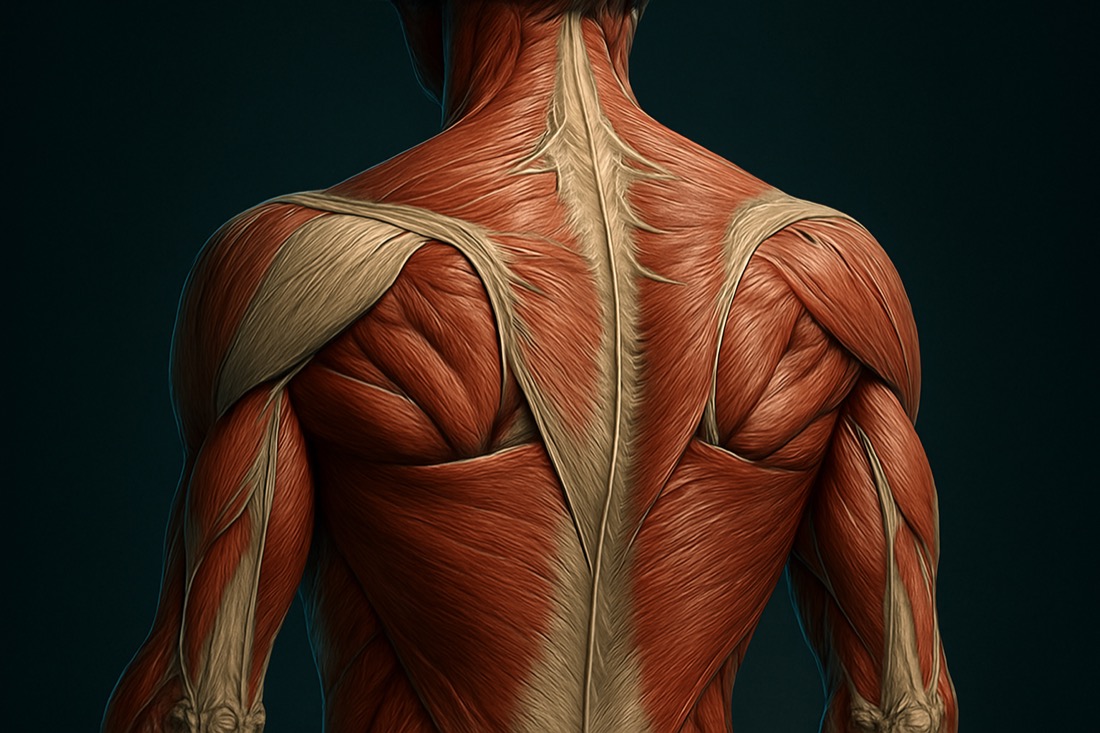
Low back pain is a common issue attributed to various factors, including muscle strain and fascia tension. The fascia is a connective tissue that encases muscles and organs, and its dysfunction can lead to pain. Interestingly, the shoulder blades, or scapulae, play a significant role in this dynamic. Tightness or misalignment in the shoulder blades can contribute to low back pain by affecting the body's overall posture and movement patterns.
Understanding the relationship between the shoulder blades and the lower back is crucial for effective pain management. When the shoulder blades are not functioning properly, they can cause compensatory movements that strain the lower back. This interconnectedness highlights the importance of a holistic approach to addressing back pain, focusing not just on the site of pain but also on related structures.
How does fascia release work?
Fascia release targets the connective tissue network to improve mobility and reduce pain. By applying specific techniques to the shoulder blades, practitioners can address restrictions in the fascia that may contribute to low back discomfort. This approach involves gentle manipulation and pressure to encourage the fascia to relax and realign.
The effectiveness of fascia release lies in its ability to restore proper movement patterns. When the fascia is released, it allows for smoother muscle function and reduces strain on the lower back. This method not only alleviates existing pain but also helps prevent future issues by promoting better posture and balance throughout the body.
What to expect during a fascia release session
During a fascia release session focused on the shoulder blades, patients can expect a hands-on approach where the therapist applies targeted pressure to specific areas. This process may involve a combination of stretching, pressing, and holding techniques designed to release tension in the fascia.
Patients often experience an immediate sense of relief and increased range of motion following a session. It's important to note that while some discomfort may be felt during the process, it is generally mild and subsides quickly. The goal is to achieve a noticeable reduction in pain and an improvement in overall mobility.
Benefits of shoulder blade techniques for low back pain
Utilizing shoulder blade techniques for low back pain offers several benefits, including improved posture, reduced muscle tension, and enhanced flexibility. By addressing the root cause of pain, these techniques can lead to long-term relief and prevent recurrence of discomfort.
Additionally, this approach is non-invasive and relies on the body's natural ability to heal and adjust. Patients who consistently practice these techniques often report a decrease in pain levels and an overall improvement in their quality of life. This method empowers individuals to take an active role in managing their pain through targeted exercises and awareness of body mechanics.
Frequently asked questions
Is fascia release safe? — Yes, fascia release is generally considered safe when performed by a trained professional. It involves gentle techniques that are tailored to the individual's needs.
How often should I undergo fascia release? — The frequency of fascia release sessions depends on the severity of the pain and the individual's response to treatment. Consulting with a therapist can help determine an appropriate schedule.
Can I do fascia release at home? — While some techniques can be practiced at home, it is recommended to first learn from a professional to ensure proper technique and avoid injury.
References
- [1]Field R, Pourkazemi F, Turton J, Rooney K. Dietary interventions are beneficial for patients with chronic pain: a systematic review with meta-analysis. Pain Med. 2021;22(3):694–714.
- [2]Taljanovic MS, Gimber LH, Becker GW, et al. Shear-wave elastography: basic physics and musculoskeletal applications. RadioGraphics. 2017;37(3):855–870.
- [3]Langevin HM. Connective tissue: a body-wide signaling network? Med Hypotheses. 2006;66(6):1074–1077.
- [4]Schleip R. Fascial plasticity — a new neurobiological explanation. J Bodyw Mov Ther. 2003;7(1):11–19.
- [5]Wilke J, Krause F, Vogt L, Banzer W. What Is Evidence-Based About Myofascial Chains? A Systematic Review. Arch Phys Med Rehabil. 2016;97(3):454–461.
- [6]Krause F, Wilke J, Vogt L, Banzer W. Intermuscular force transmission along myofascial chains: a systematic review. J Anat. 2016;228(6):910–918.