
A Technique That Releases the Nervous System and Frees the Whole Body
Original title (JP): 神経系をリリースし、全身を解放するテクニック!

Supervised by
Shogo Fujii
Physiotherapist (PT) · Founder of the SHOGO FUJII® FASCIA METHOD
View profile →Clinical Article · 5 min read
Chronic low back pain can be debilitating, often stemming from repetitive daily stresses rather than acute injury. While many treatments focus solely on the lumbar spine, a holistic approach like Cranial-Sacral Fascia Release for low back pain considers the intricate connections throughout the body, particularly between the cranium and sacrum. By addressing these deeper, often overlooked fascial and nervous system restrictions, clinicians can help unlock lasting relief and restore functional movement.
Why Does Chronic Low Back Pain Persist?
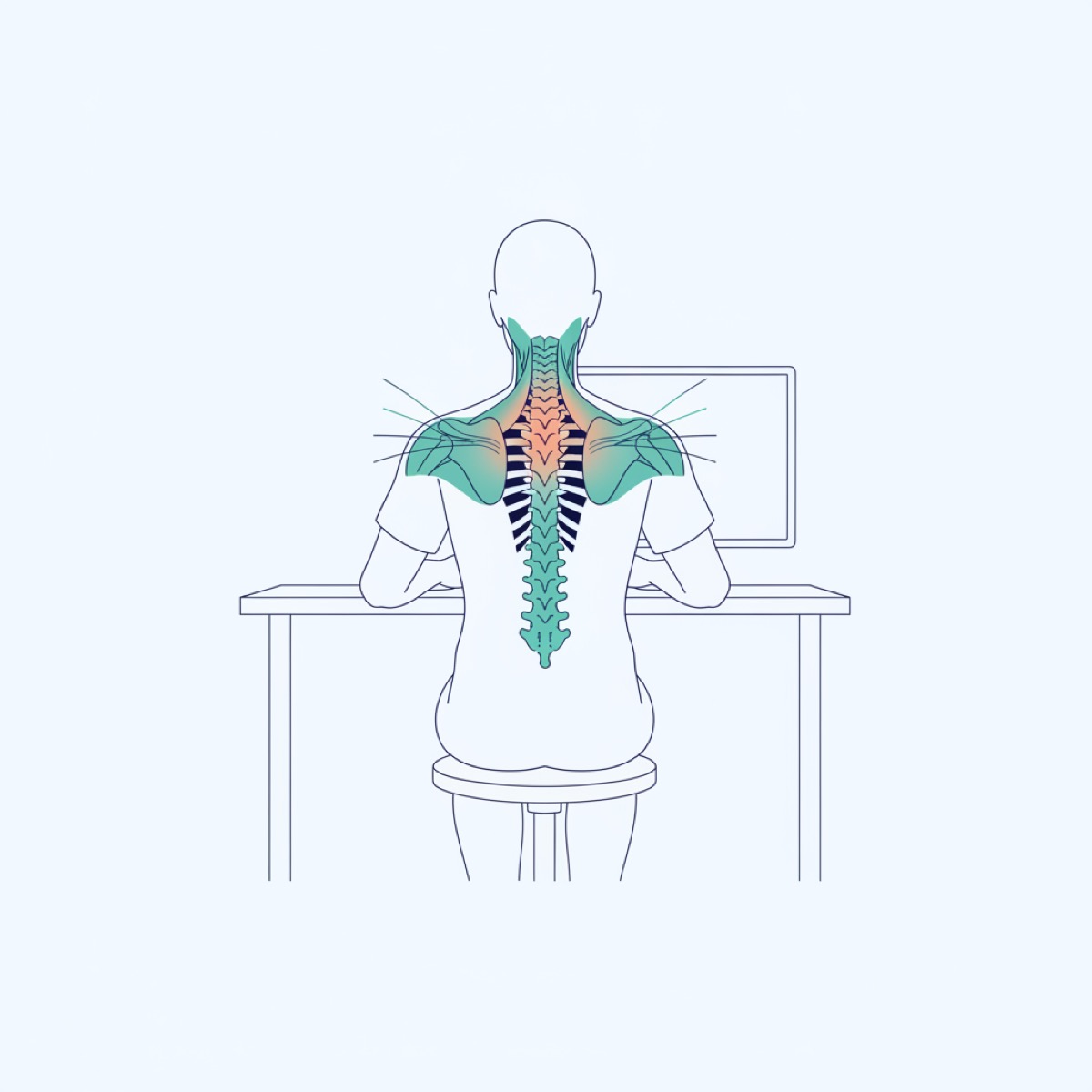
Many individuals experience persistent low back pain not from a single traumatic event, but from the cumulative impact of modern lifestyles. Prolonged sitting, repetitive movements, and excessive screen time lead to sustained tension and 'damage' that the body's fascial and nervous systems remember [1]. This constant input can cause the nervous system to become overused and hypertonic, creating a cycle of stiffness and discomfort that traditional treatments might miss.
The Cranial-Sacral Connection: Unlocking Whole-Body Movement
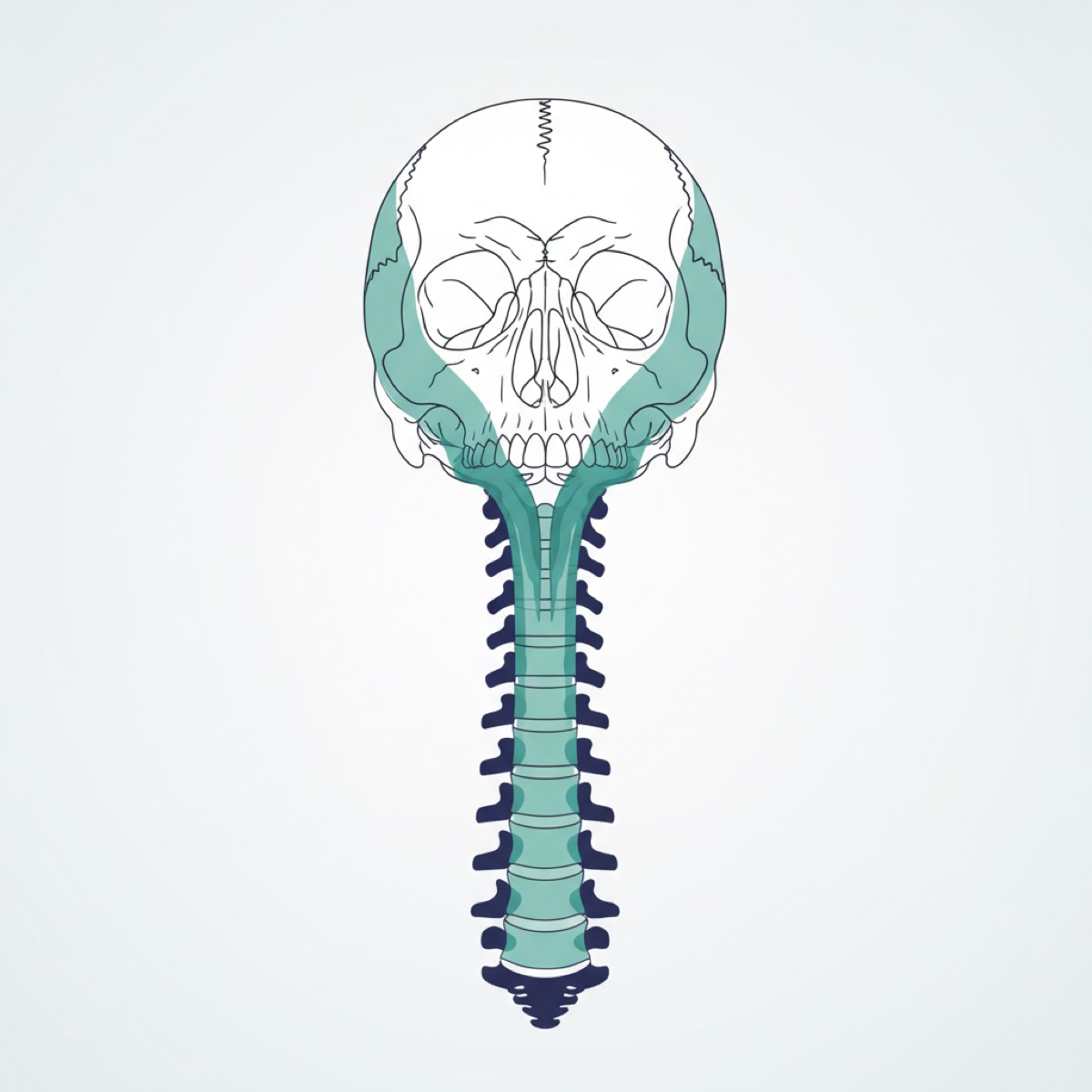
A fundamental principle in advanced fascia therapy is the interconnectedness of the cranial and sacral systems. The dura mater, a tough membrane encasing the brain and spinal cord, extends from the cranium (skull bones like the occiput and parietal bones) down to the sacrum (tailbone) [2]. Restrictions in one area can directly impact the other, creating a 'pull' or tension throughout the entire spine and nervous system. Restoring proper movement to the sacrum, for instance, can often facilitate movement in the occiput and other cranial bones, highlighting this profound fascial and neurological link.
Targeting Deep Gluteal and Sacroiliac Dysfunction
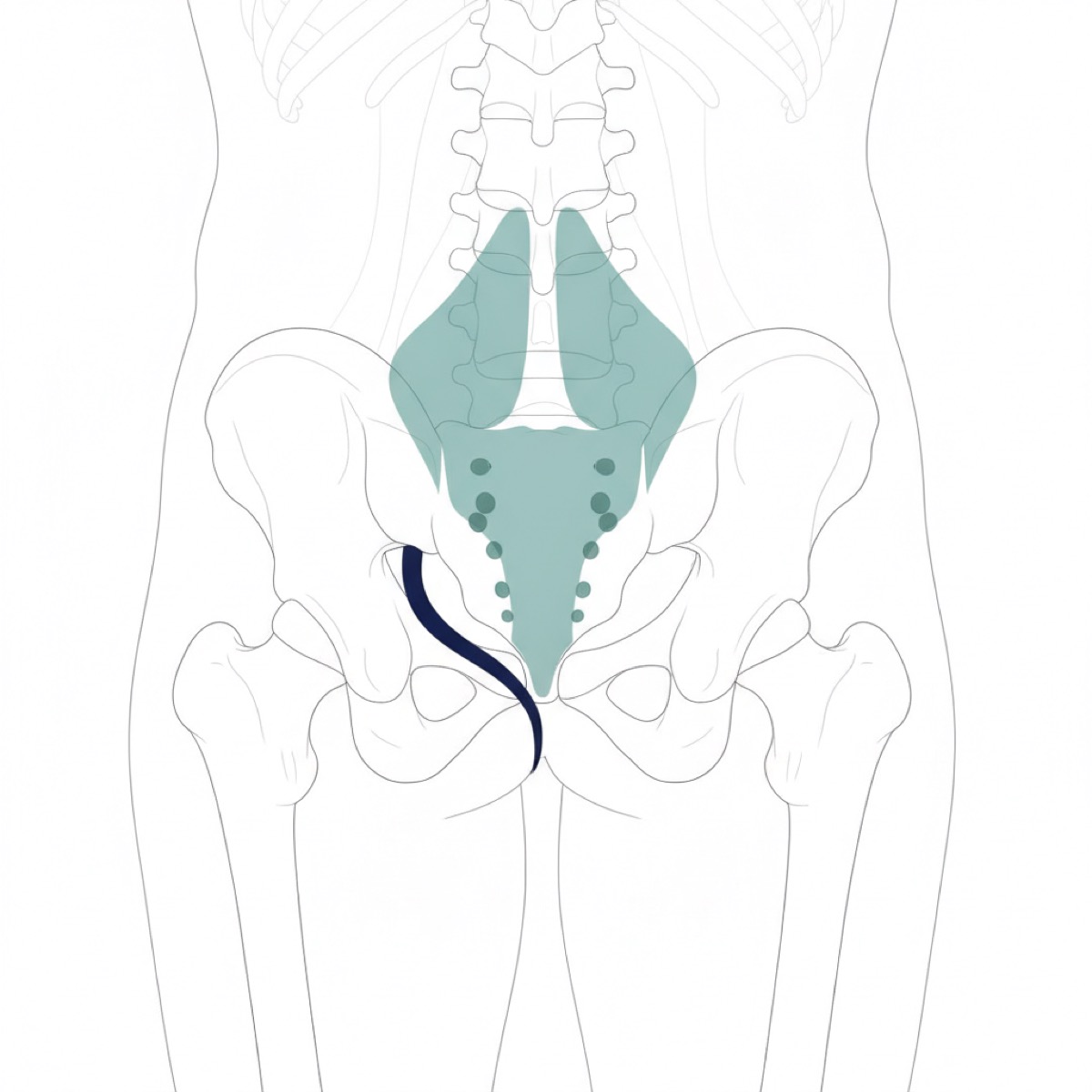
Often, the true culprits behind chronic low back pain lie deep within the gluteal region. Muscles like the piriformis and gluteus minimus can become abnormally tight and fibrotic, leading to localized pain and referred symptoms [3]. These deep restrictions can also contribute to sacroiliac joint (SIJ) dysfunction, further exacerbating low back discomfort. Releasing tension in these deep muscles and mobilizing the SIJ is critical for restoring pelvic stability and alleviating the root causes of pain. What might feel like an acute 'slipped disc' sensation is often the culmination of long-standing tension in these specific areas.
Releasing Nervous System Overload and Cranial Restrictions
The demands of modern life, particularly extensive screen time, place significant stress on our nervous system and cranial structures. Prolonged visual focus can lead to hardness in the occipital bone, which is directly linked to visual processing in the occipital lobe [4]. Similarly, tension can build in the parietal bones and cranial sutures. These cranial restrictions contribute to overall nervous system tension and can stiffen the dural membrane, affecting the entire spinal column [5]. Techniques to gently release these cranial and dural restrictions can help 'cool' and recover an overused nervous system, promoting a sense of deep relaxation and improved function. Simple self-care, such as applying cold water to the head, can also support this recovery process.
By addressing these cranial and dural restrictions, clinicians can help alleviate the hypertonicity that often accompanies chronic low back pain, allowing the nervous system to reset and the body to move more freely. This comprehensive approach underscores how seemingly distant areas of the body are intricately connected through the fascial web.
Frequently asked questions
Is fascia release safe for low back pain? — Fascia release, when performed by a trained clinician, is generally considered safe and effective for addressing musculoskeletal pain, including low back pain. Practitioners use gentle, sustained pressure to release restrictions in the fascial system, aiming to improve mobility and reduce discomfort [6].
How long does it take to see results from fascia release? — The timeframe for results can vary significantly depending on the individual's condition, the chronicity of their pain, and their body's response to treatment. Some individuals may experience immediate relief, while others require a series of sessions to achieve lasting improvements.
Can lifestyle factors contribute to chronic low back pain? — Absolutely. Sedentary lifestyles, prolonged sitting, repetitive movements, and excessive screen time can all contribute to the development and persistence of chronic low back pain by creating sustained tension and restrictions in the fascial and nervous systems.
References
- [1]Field R, Pourkazemi F, Turton J, Rooney K. Dietary interventions are beneficial for patients with chronic pain: a systematic review with meta-analysis. Pain Med. 2021;22(3):694–714.
- [2]Taljanovic MS, Gimber LH, Becker GW, et al. Shear-wave elastography: basic physics and musculoskeletal applications. RadioGraphics. 2017;37(3):855–870.
- [3]Langevin HM. Connective tissue: a body-wide signaling network? Med Hypotheses. 2006;66(6):1074–1077.
- [4]Schleip R. Fascial plasticity — a new neurobiological explanation. J Bodyw Mov Ther. 2003;7(1):11–19.
- [5]Wilke J, Krause F, Vogt L, Banzer W. What Is Evidence-Based About Myofascial Chains? A Systematic Review. Arch Phys Med Rehabil. 2016;97(3):454–461.
- [6]Krause F, Wilke J, Vogt L, Banzer W. Intermuscular force transmission along myofascial chains: a systematic review. J Anat. 2016;228(6):910–918.
Related videos

Palpation X-Ray #84 | Is the Sacrum Really a Flat Plate? It's a Wedge, Wide at the Top and Narrowing Downward — Trace Down from the Lumbar Spine and Confirm at Gluteus Maximus
0:56
Dramatic Improvement in One Session: Manual Approach to the Pelvic Girdle, with Palpation of Anatomical Landmarks and Movement Assessment Before and After (Hands-On Demo)
5:48