
Top-Tier: Fix the Spinal Stenosis Hospitals Can't — A Complete Guide to Iliacus Release
Original title (JP): 【超優良級】病院で治せない脊柱管狭窄症はこれで治せ!腸骨筋リリースを徹底解説!

Supervised by
Shogo Fujii
Physiotherapist (PT) · Founder of the SHOGO FUJII® FASCIA METHOD
View profile →Clinical Article · 5 min read
Fascia release for low back pain has become a pivotal approach in managing conditions like spinal stenosis. By understanding and applying comprehensive iliopsoas release techniques, both clinicians and informed patients can potentially alleviate discomfort and improve mobility. This article delves into the methods and benefits of these techniques, emphasizing their role in a holistic treatment plan.
Why does low back pain persist in spinal stenosis?
Spinal stenosis often leads to persistent low back pain due to the narrowing of the spinal canal, which can compress nerves and limit mobility. This condition is exacerbated by poor posture and muscle imbalances, particularly in the iliopsoas group, which includes the psoas major and iliacus muscles. Understanding the role of these muscles in maintaining posture can help in developing effective treatment strategies.
The iliopsoas muscles are crucial as they run close to the lumbar spine and can become tight or shortened, contributing to increased spinal pressure and pain. Addressing these muscles through targeted fascia release techniques can help relieve tension and potentially improve symptoms of spinal stenosis.[1][2]
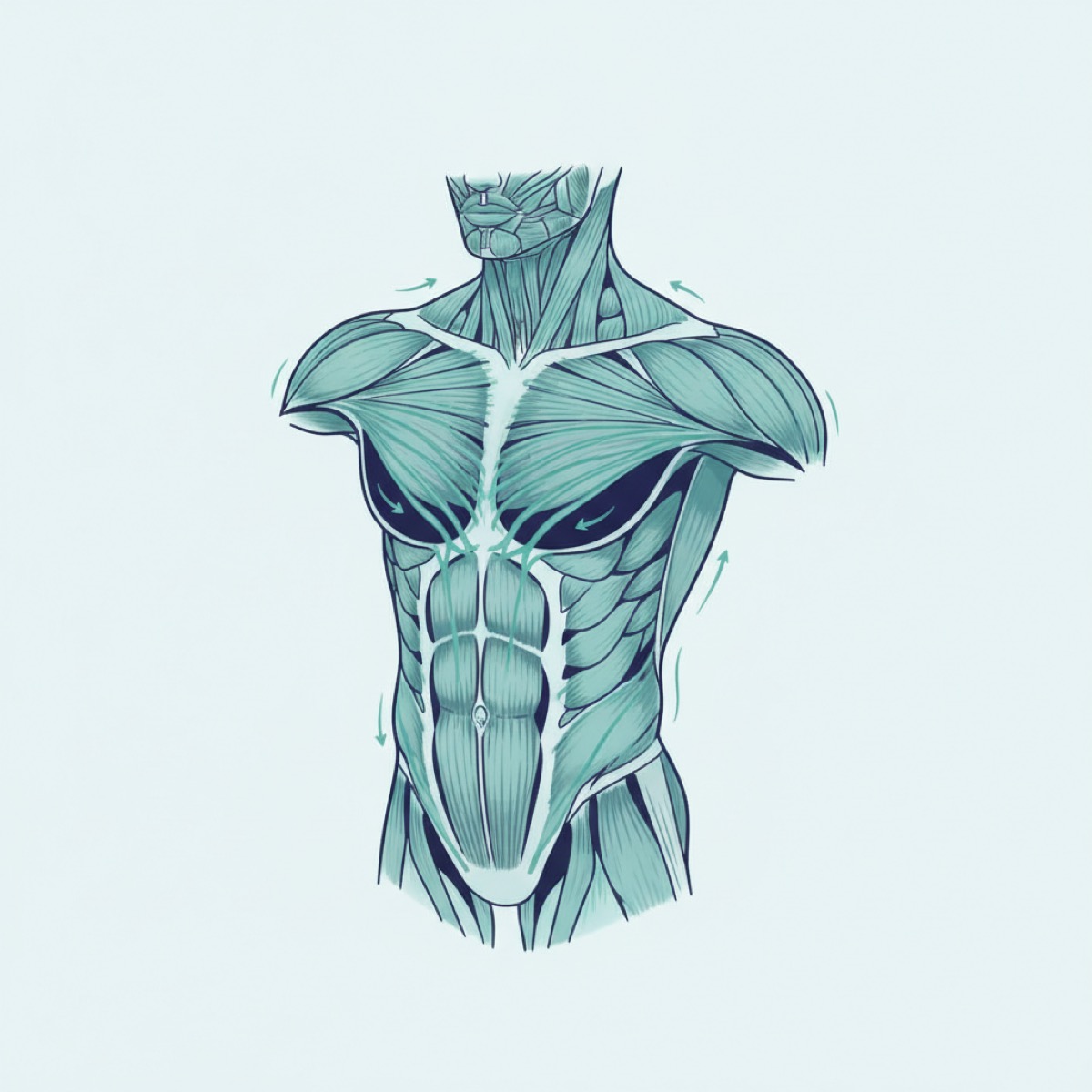
How fascia release works for iliopsoas muscles
Fascia release involves applying specific techniques to reduce tension and improve the flexibility of the iliopsoas muscles. This can be achieved through manual manipulation that targets the fascia, the connective tissue surrounding muscles and organs, to enhance blood flow and tissue pliability.
By focusing on the iliopsoas, practitioners aim to alleviate the muscle's tightness, which, in turn, can reduce pressure on the lumbar spine. This approach is essential as it addresses the root cause of tension rather than just the symptoms, offering a more sustainable form of pain management.[3][4]
What to expect from iliopsoas release techniques
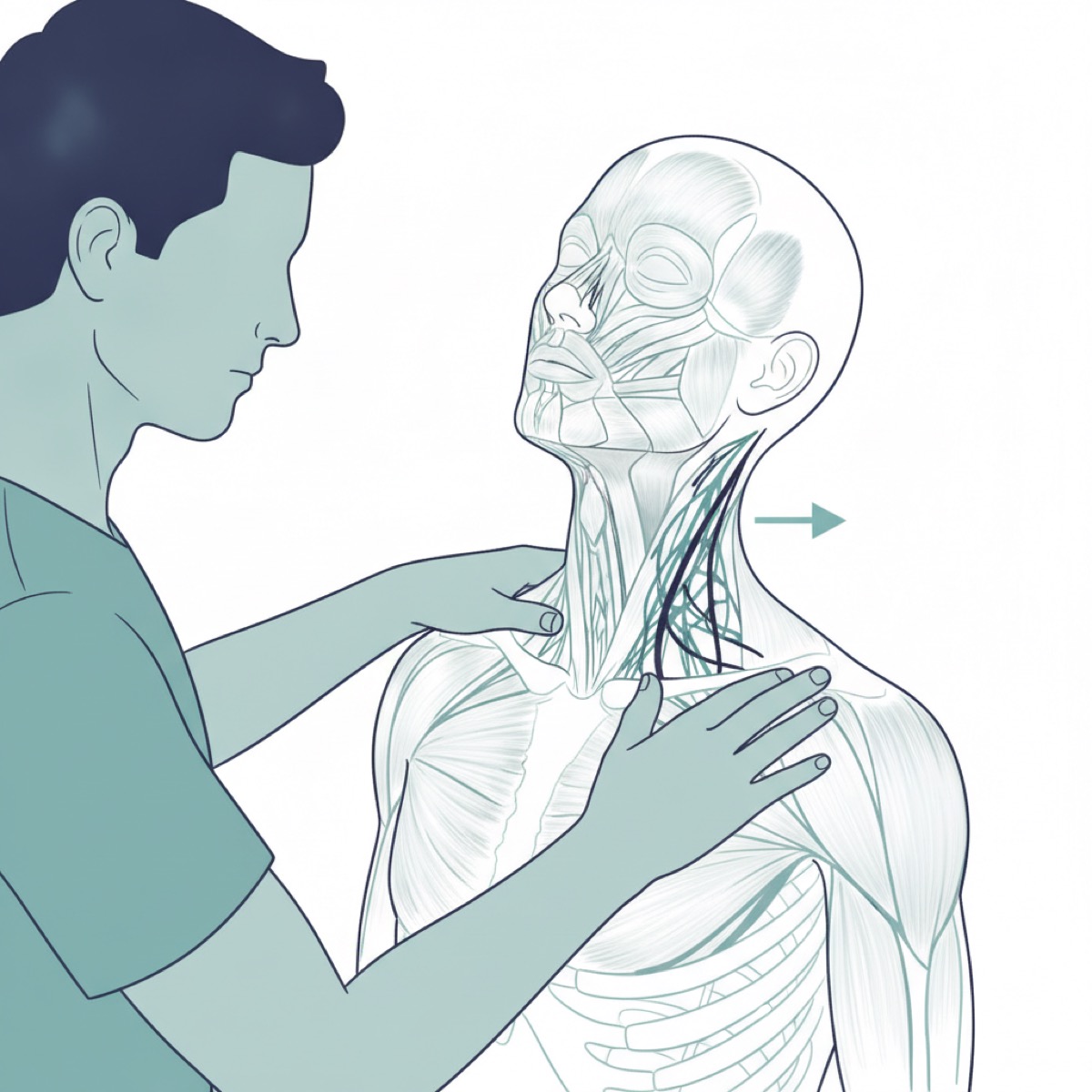
During an iliopsoas release session, a clinician will often use their hands to apply pressure along the muscle's length. This technique is designed to be gentle yet effective, gradually easing the muscle fibers and fascia to release tension and improve range of motion.
Patients may feel immediate relief in some cases, although multiple sessions are typically needed to achieve lasting results. The process may also involve complementary exercises and stretches to maintain the benefits of the release and prevent future tightness.[5][6]
Benefits of combining fascia release with other therapies
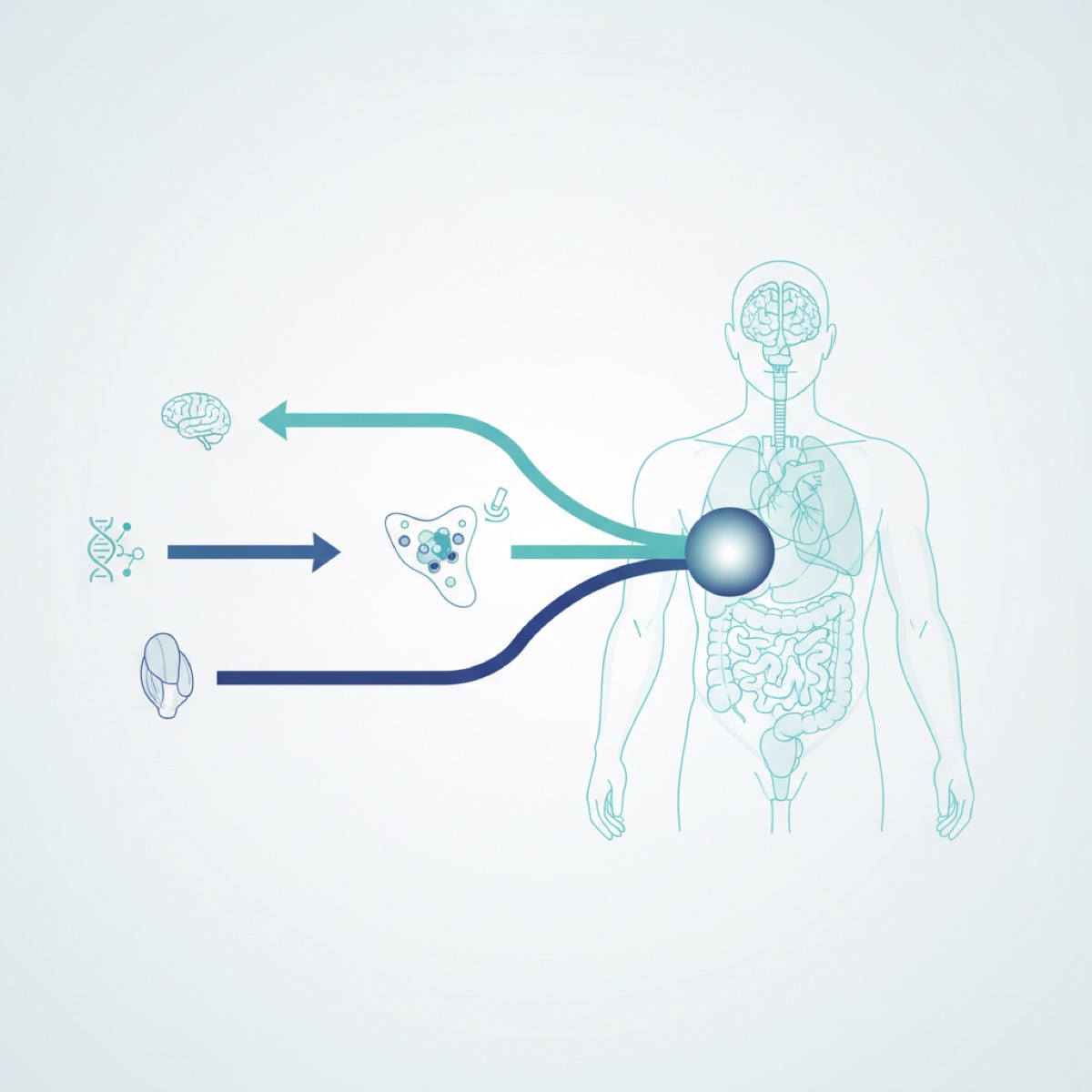
Combining fascia release with other therapeutic approaches, such as physical therapy and exercise, can enhance treatment outcomes for spinal stenosis. This integrative approach addresses multiple aspects of the condition, from muscle tension to joint mobility and overall posture.
Incorporating exercises that focus on strengthening and stretching the back and hip muscles can complement fascia release. This holistic strategy not only aids in symptom relief but also promotes long-term spinal health and function.
Frequently asked questions
Is fascia release safe? — Fascia release is generally safe when performed by a trained professional. It involves gentle techniques that aim to improve muscle and tissue function without invasive procedures.
How long does it take to see results? — Results can vary; some patients may experience relief after a few sessions, while others may require ongoing treatment to manage symptoms effectively.
Can fascia release cure spinal stenosis? — While fascia release can alleviate symptoms and improve quality of life, it is not a cure for spinal stenosis. It should be part of a comprehensive treatment plan that includes other therapies and lifestyle changes.
References
- [1]Wilke J, Krause F, Vogt L, Banzer W. What Is Evidence-Based About Myofascial Chains? A Systematic Review. Arch Phys Med Rehabil. 2016;97(3):454–461.
- [2]Krause F, Wilke J, Vogt L, Banzer W. Intermuscular force transmission along myofascial chains: a systematic review. J Anat. 2016;228(6):910–918.
- [3]Stecco C, Stern R, Porzionato A, et al. Hyaluronan within fascia in the etiology of myofascial pain. Surg Radiol Anat. 2011;33(10):891–896.
- [4]Ajimsha MS, Al-Mudahka NR, Al-Madzhar JA. Effectiveness of myofascial release: a systematic review of randomized controlled trials. J Bodyw Mov Ther. 2015;19(1):102–112.
- [5]Tozzi P, Bongiorno D, Vitturini C. Fascial release effects on patients with non-specific cervical or lumbar pain. J Bodyw Mov Ther. 2011;15(4):405–416.
- [6]Zügel M, Maganaris CN, Wilke J, et al. Fascial tissue research in sports medicine: from molecules to tissue adaptation, injury and diagnostics: consensus statement. Br J Sports Med. 2018;52(23):1497.
Related videos

Palpation X-Ray #84 | Is the Sacrum Really a Flat Plate? It's a Wedge, Wide at the Top and Narrowing Downward — Trace Down from the Lumbar Spine and Confirm at Gluteus Maximus
0:56
Dramatic Improvement in One Session: Manual Approach to the Pelvic Girdle, with Palpation of Anatomical Landmarks and Movement Assessment Before and After (Hands-On Demo)
5:48