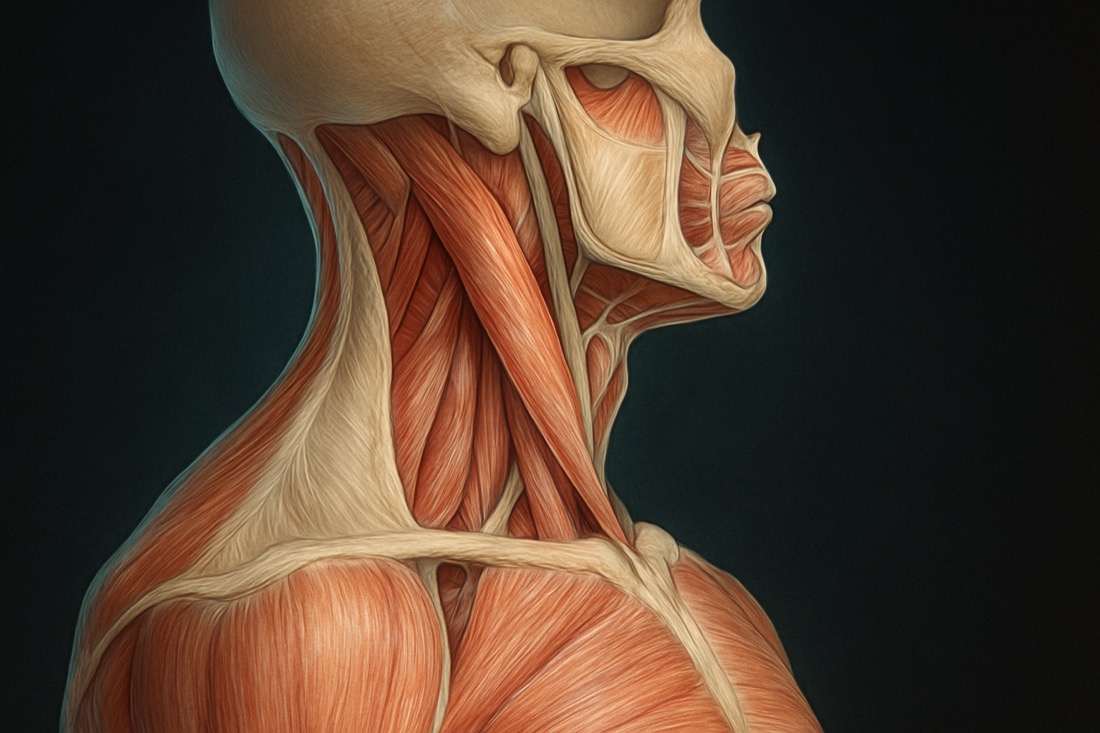
Treating Lower Back Pain with Just Your Thumb
Original title (JP): 親指で腰痛を治す

Supervised by
Shogo Fujii
Physiotherapist (PT) · Founder of the SHOGO FUJII® FASCIA METHOD
View profile →Clinical Article · 5 min read
Fascia release for low back pain is gaining traction as an effective treatment by targeting interconnected body structures. This innovative approach, developed by Shogo Fujii, emphasizes understanding the body's anatomical connections to relieve pain. By focusing on the thumb's role in fascia therapy, clinicians and informed patients can explore non-invasive methods to alleviate discomfort.
Why does low back pain occur?
Low back pain is a common ailment that many people experience at some point in their lives. Traditional medical approaches often focus on localized treatment, such as warming, massaging, or using MRI scans to diagnose conditions like herniated discs or spinal stenosis. However, these methods sometimes overlook the interconnected nature of the body, where pain might originate from a different area than where it's felt.
Shogo Fujii's approach highlights the importance of the body's anatomical lines, particularly the connection between the thumb and the lower back. Overuse of the thumb can lead to tension in the fascial chains, affecting the thoracic unit's mobility and ultimately resulting in low back pain. Understanding these connections is crucial for effective treatment.
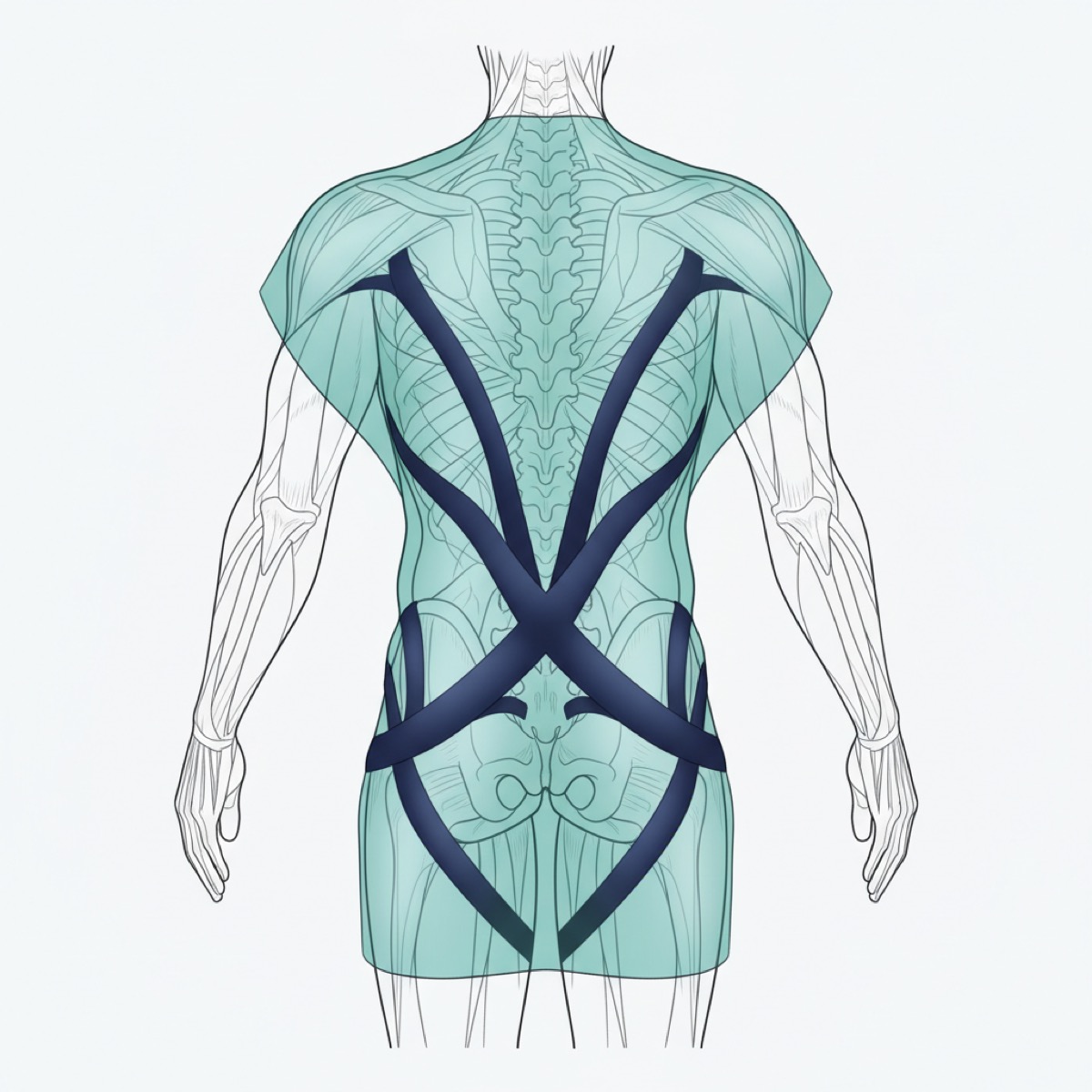
How fascia release works
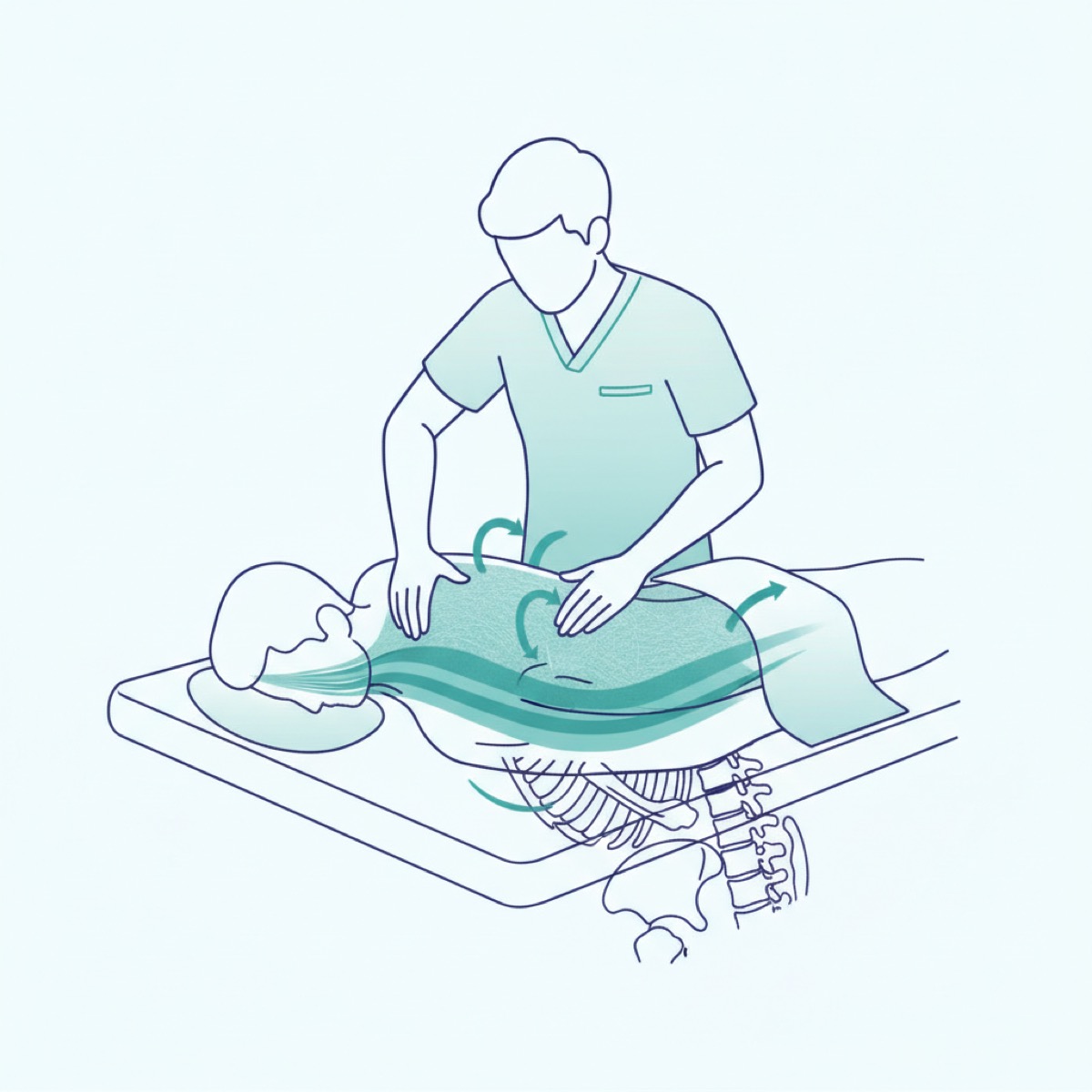
Fascia release involves gentle manipulation of the body's fascia to alleviate tension and improve mobility. According to Fujii, the key is not the force or technique used, but the body's response to the touch. Clinicians are encouraged to develop a keen sense of the body's reactions to determine the most effective points for release.
This method requires clinicians to evaluate the body's fascial connections, identify areas of tension, and apply pressure to see if it alleviates pain or improves movement. By focusing on the body's response rather than predefined techniques, practitioners can achieve more consistent results.
What to expect from a fascia release session
During a fascia release session, clinicians assess the patient's body to identify areas of tension that might be contributing to pain. The process involves applying light pressure to these areas and observing the body's response to determine the effectiveness of the treatment.
Patients often experience a reduction in pain and an increase in mobility after a session. It's important to note that fascia release is not a one-time cure but part of a comprehensive approach to managing pain and improving overall function.
The role of diet in managing pain
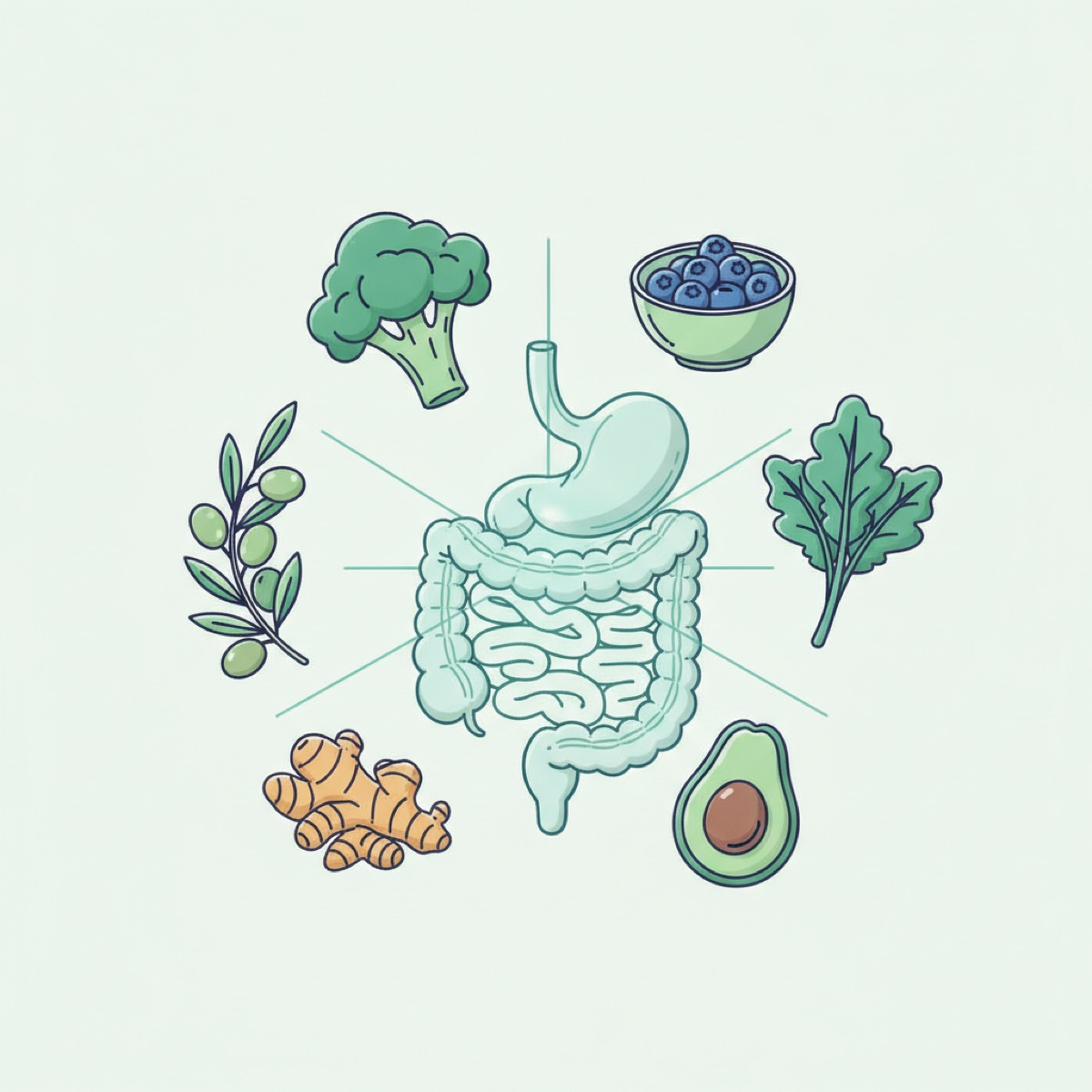
Diet plays a crucial role in managing pain and inflammation. Fujii suggests incorporating foods rich in anti-inflammatory properties, such as celery and vitamin C-rich fruits, to help reduce pain naturally. These dietary changes can complement fascia release techniques by addressing inflammation at the systemic level.
By focusing on natural sources of nutrients, patients can support their body's healing processes without relying solely on medications. This holistic approach ensures that the body receives the necessary support to manage and reduce pain effectively.
Frequently asked questions
Is fascia release safe? — Fascia release is generally considered safe when performed by trained professionals. It involves gentle techniques that focus on the body's natural responses, minimizing the risk of injury.
How long does it take to see results? — Results can vary depending on the individual and the severity of their condition. Some patients may experience relief after a single session, while others might require multiple sessions to achieve significant improvements.
Can fascia release be combined with other treatments? — Yes, fascia release can be part of a broader treatment plan that includes physical therapy, exercise, and dietary changes. Combining these approaches can enhance overall outcomes and provide more comprehensive pain management.
References
- [1]Woolf CJ. Central sensitization: implications for the diagnosis and treatment of pain. Pain. 2011;152(3 Suppl):S2–S15.
- [2]Tracey KJ. The inflammatory reflex. Nature. 2002;420(6917):853–859.
- [3]Mayer EA. Gut feelings: the emerging biology of gut–brain communication. Nat Rev Neurosci. 2011;12(8):453–466.
- [4]Cryan JF, Dinan TG. Mind-altering microorganisms: the impact of the gut microbiota on brain and behaviour. Nat Rev Neurosci. 2012;13(10):701–712.
- [5]Guo R, Chen LH, Xing C, Liu T. Pain regulation by gut microbiota: molecular mechanisms and therapeutic potential. Br J Anaesth. 2019;123(5):637–654.
- [6]Ricciotti E, FitzGerald GA. Prostaglandins and inflammation. Arterioscler Thromb Vasc Biol. 2011;31(5):986–1000.
Related videos
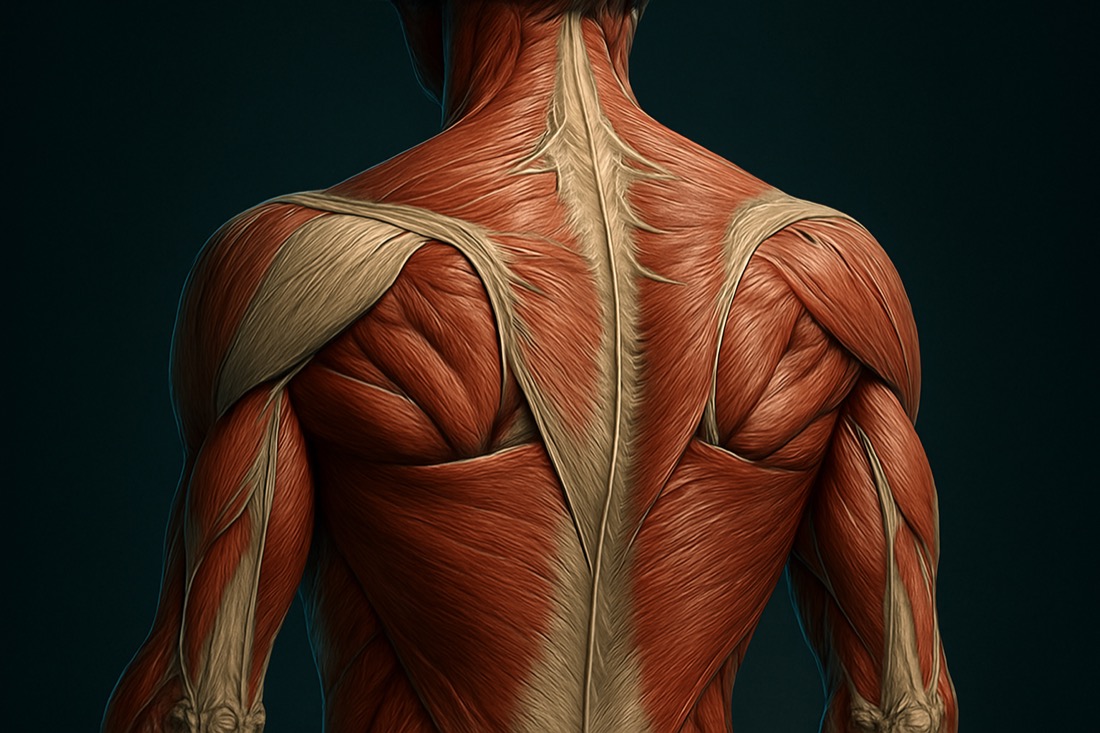
Palpation X-Ray #84 | Is the Sacrum Really a Flat Plate? It's a Wedge, Wide at the Top and Narrowing Downward — Trace Down from the Lumbar Spine and Confirm at Gluteus Maximus
0:56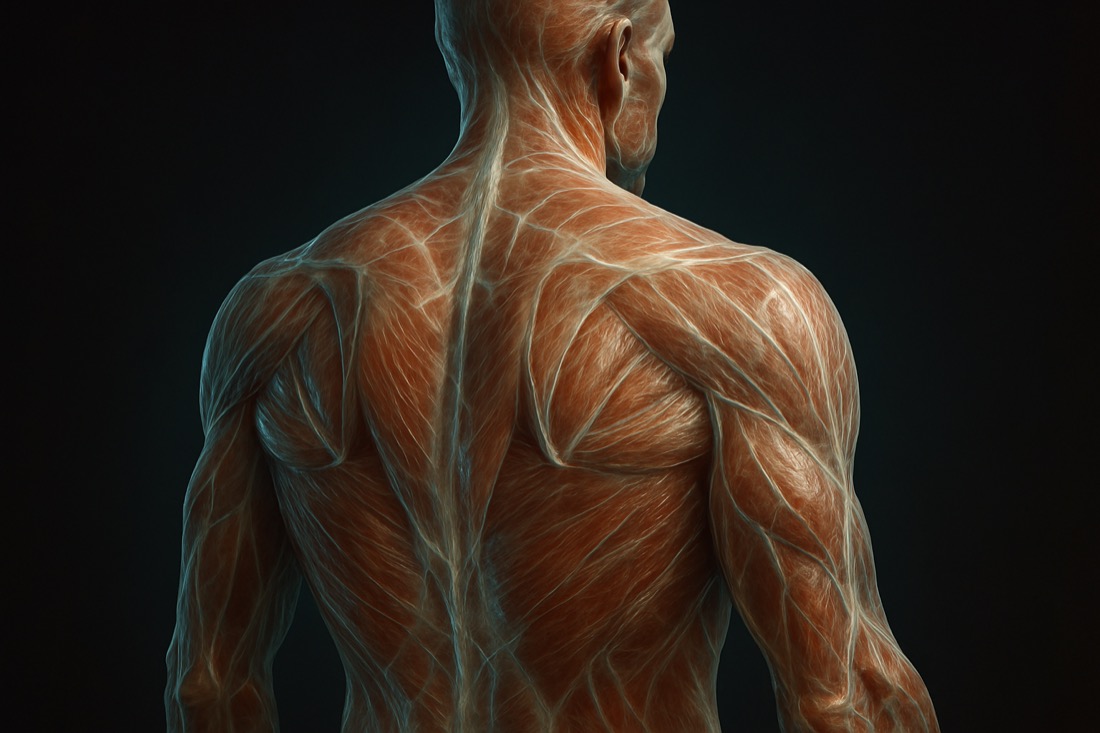
Dramatic Improvement in One Session: Manual Approach to the Pelvic Girdle, with Palpation of Anatomical Landmarks and Movement Assessment Before and After (Hands-On Demo)
5:48