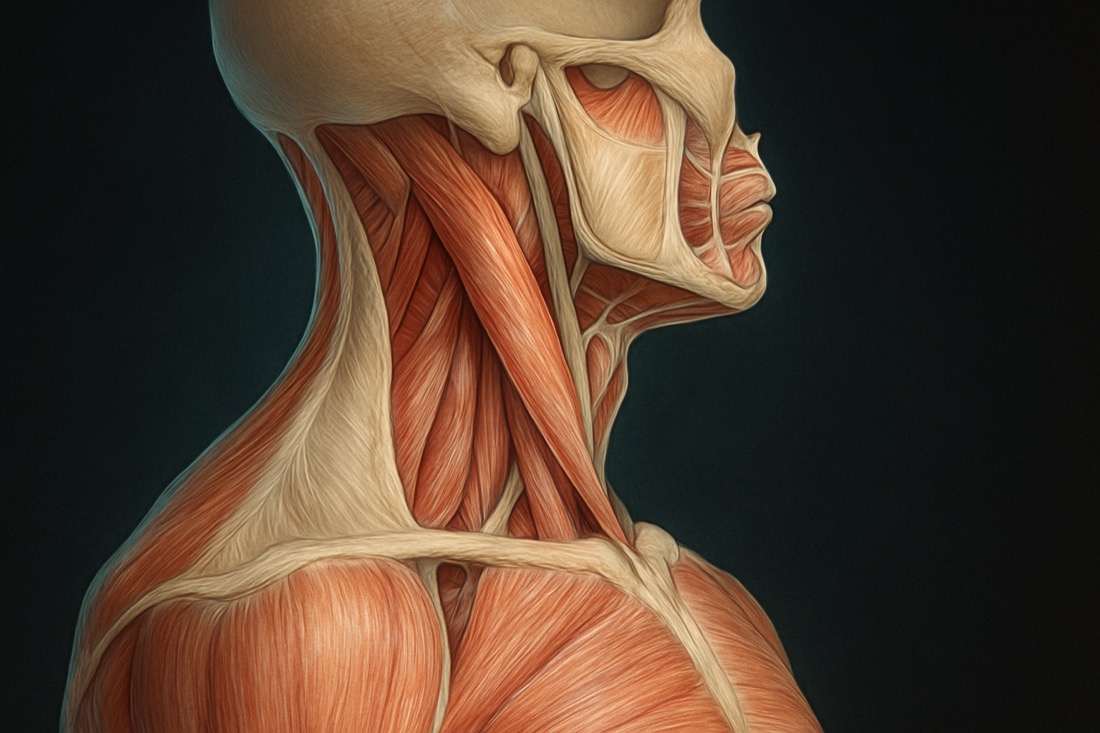
The Ultimate Fascia Release That Loosens You Up with Just a Touch
Original title (JP): 触れるだけでユルユルになる、究極の筋膜リリース

Supervised by
Shogo Fujii
Physiotherapist (PT) · Founder of the SHOGO FUJII® FASCIA METHOD
View profile →Clinical Article · 6 min read
Many individuals experience persistent low back pain, often seeking solutions that go beyond conventional treatments. While muscle tension is a common culprit, the underlying fascial system plays a crucial, yet often overlooked, role. This article explores a unique approach to **fascia release for low back pain**, a gentle yet powerful technique designed to address the interconnected web of fascia throughout the body, offering a path to improved comfort and mobility for both clinicians and informed patients.
Understanding Fascia and Its Role in Low Back Pain
Fascia, a continuous web of connective tissue, envelops every muscle, bone, organ, and nerve in the body [1]. It provides structural support, protection, and allows for smooth movement. When fascia becomes tight, restricted, or adheres due to injury, poor posture, or stress, it can create tension that pulls on surrounding structures, leading to discomfort and pain. In the context of **low back pain**, fascial restrictions can significantly limit spinal mobility, contribute to muscle imbalances, and even refer pain to other areas, making it a critical component to address for lasting relief [2].
Traditional treatments often focus on muscles, but ignoring the fascial system can lead to recurring issues. Addressing fascial restrictions is key to unlocking the body's natural healing capabilities and restoring optimal function, offering a comprehensive approach to managing chronic pain conditions.
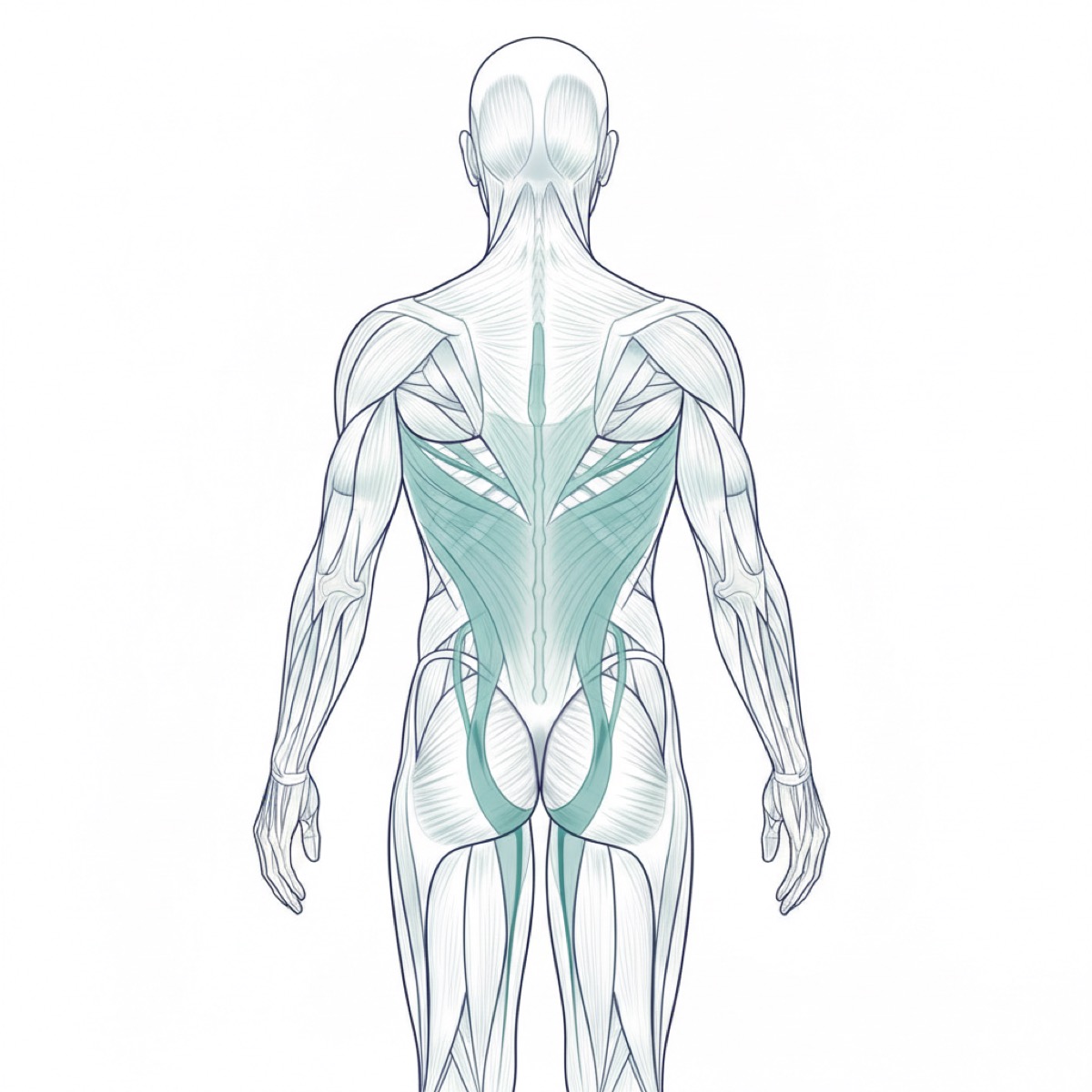
How Gentle Fascia Release Works: A Unique Approach
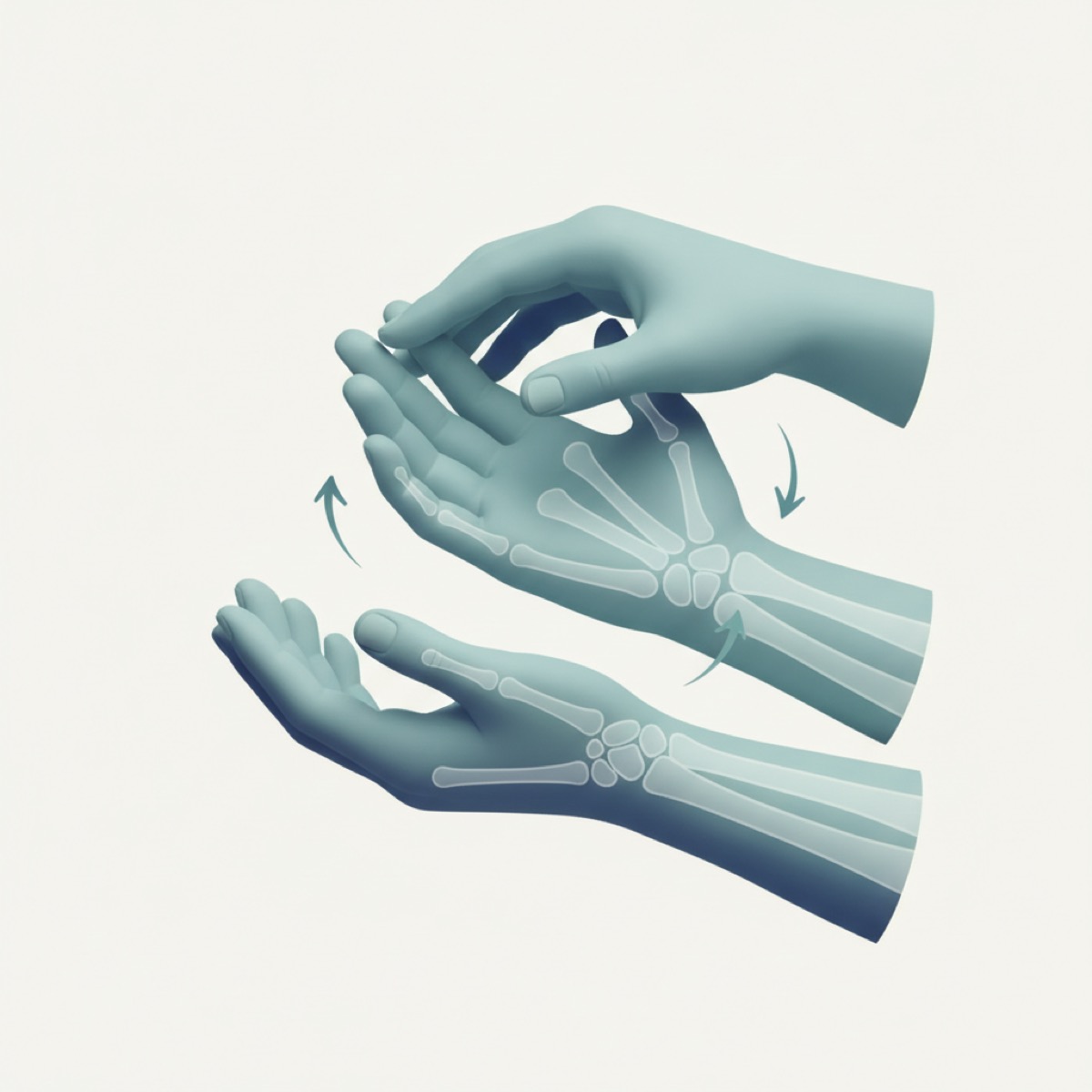
Unlike techniques that rely on aggressive force, this unique approach to fascia release emphasizes subtlety and sensitivity. The practitioner applies gentle, sustained pressure combined with micro-vibrations, aiming to engage the fascial layers without causing resistance. The core principle involves a 'pulling' sensation – not a physical pull, but an imagined one that guides the fascia into a state of release, rather than pushing against it. This method leverages the body's natural response: while pushing can cause tissues to resist, a subtle 'pull' encourages them to yield and relax [3].
Breathing plays a vital role in this process, helping to facilitate the release of tension deep within the fascial network. The practitioner's highly developed tactile sense allows them to perceive the 'entry point' into the fascial system and feel the subtle changes as the tissue begins to unwind. This gentle yet profound engagement can initiate significant shifts in the body, often with minimal effort from the practitioner.
Beyond the Back: Whole-Body Benefits of Fascia Therapy
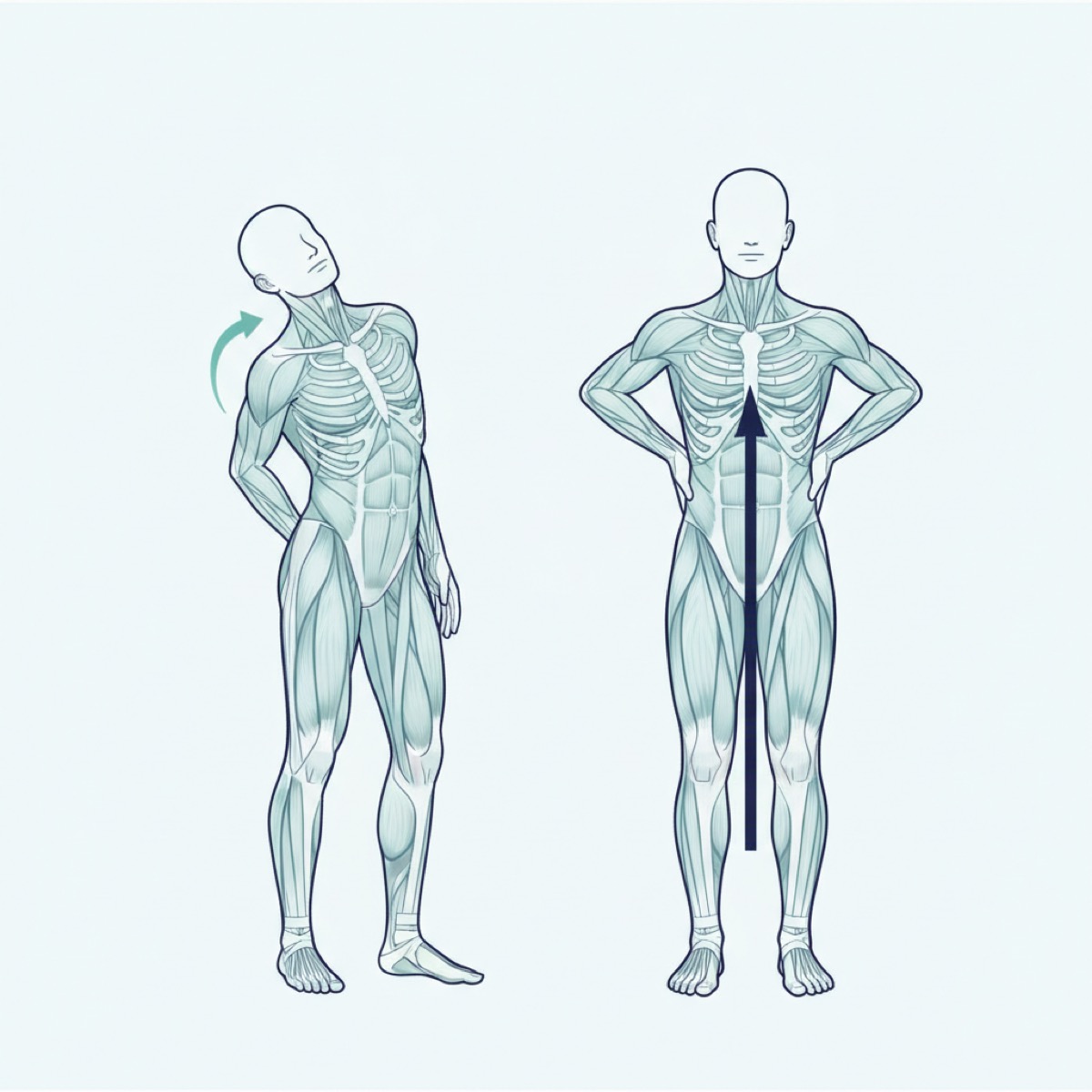
The interconnected nature of the fascial system means that addressing restrictions in one area can have far-reaching effects throughout the entire body. Patients often report immediate and noticeable improvements following even a single session. For instance, individuals struggling with **myofascial release for back pain** may experience enhanced flexibility in forward and backward bending, improved ease in lifting their legs, and a general feeling of lightness and increased mobility [4].
Beyond functional improvements, the impact can extend to unexpected areas. Changes in facial symmetry and a more refined skin texture have been observed, demonstrating how fascial work can influence superficial tissues and even aesthetic appearance. This phenomenon underscores the principle that 'one spot changes the whole body' – a testament to the comprehensive and systemic influence of the fascial network on overall well-being and function.
Is Fascia Release Right for You? Important Considerations
While **gentle fascia techniques** are generally considered safe, certain conditions warrant caution or medical consultation before treatment. It is crucial to rule out underlying structural damage, such as fractures or severe pathologies, that require conventional medical intervention [5]. For postpartum individuals, caution is advised within the first month, as the pelvis and ligaments are still recovering and stabilizing. It is often recommended to wait until these structures have regained a degree of stability to avoid discomfort or exacerbation.
Individuals with artificial joints, particularly total hip replacements where both the acetabulum and femoral head are replaced, require extreme care due to an increased risk of dislocation. Acute pain, regardless of the cause (e.g., an acute flare-up of a 'loose pelvis' condition or osteoporosis-related pain), suggests a need for initial medical evaluation and stabilization before fascial work. While fascia release can be beneficial for chronic conditions, acute exacerbations should always be approached with caution and professional medical guidance [6].
Frequently asked questions
**Is fascia release safe?** — Generally, yes, especially when performed by a skilled practitioner who understands the body's nuances. However, it's crucial to disclose any pre-existing conditions, recent surgeries, or acute injuries to ensure the technique is appropriate for your specific situation.
**Can fascia release help with chronic conditions like osteoporosis or 'loose pelvis'?** — For chronic cases of conditions like osteoporosis or a 'loose pelvis' (Chiropractic Category 2), fascia release can be beneficial in improving comfort and mobility. However, if you are experiencing acute pain or exacerbation of these conditions, it is best to consult with a medical doctor first to ensure no urgent medical attention is required.
**Are there any specific conditions where fascia release should be avoided?** — Yes, caution is advised for individuals with structural damage (e.g., fractures), immediately after surgery, within the first month postpartum, or with certain types of artificial joints (like total hip replacements) due to potential risks. Always discuss your full medical history with your practitioner.
References
- [1]Ricciotti E, FitzGerald GA. Prostaglandins and inflammation. Arterioscler Thromb Vasc Biol. 2011;31(5):986–1000.
- [2]Salehi B, Venditti A, Sharifi-Rad M, et al. The therapeutic potential of apigenin. Int J Mol Sci. 2019;20(6):1305.
- [3]Field R, Pourkazemi F, Turton J, Rooney K. Dietary interventions are beneficial for patients with chronic pain: a systematic review with meta-analysis. Pain Med. 2021;22(3):694–714.
- [4]Taljanovic MS, Gimber LH, Becker GW, et al. Shear-wave elastography: basic physics and musculoskeletal applications. RadioGraphics. 2017;37(3):855–870.
- [5]Langevin HM. Connective tissue: a body-wide signaling network? Med Hypotheses. 2006;66(6):1074–1077.
- [6]Schleip R. Fascial plasticity — a new neurobiological explanation. J Bodyw Mov Ther. 2003;7(1):11–19.
Related videos
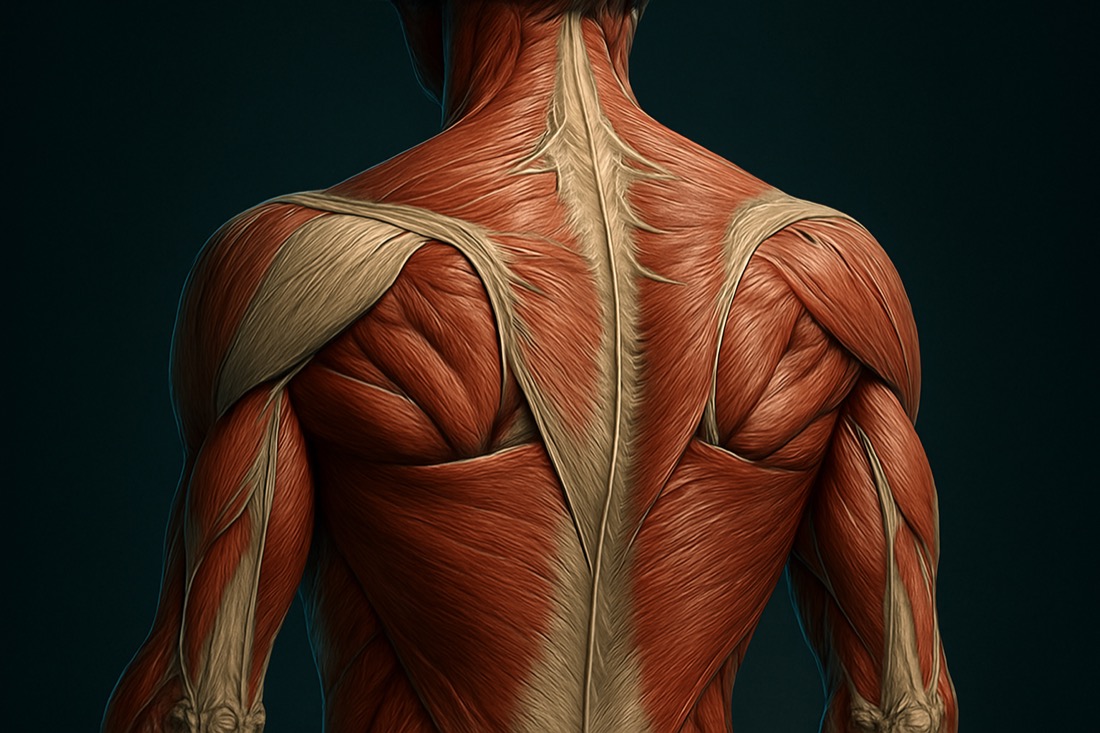
Palpation X-Ray #84 | Is the Sacrum Really a Flat Plate? It's a Wedge, Wide at the Top and Narrowing Downward — Trace Down from the Lumbar Spine and Confirm at Gluteus Maximus
0:56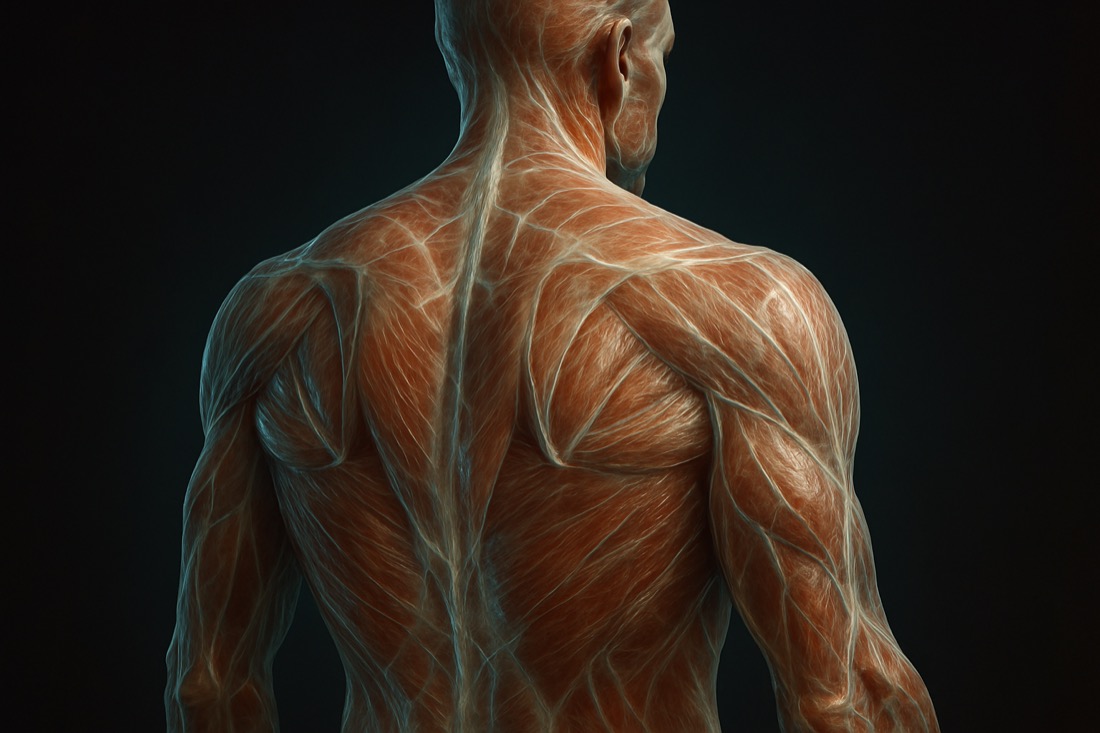
Dramatic Improvement in One Session: Manual Approach to the Pelvic Girdle, with Palpation of Anatomical Landmarks and Movement Assessment Before and After (Hands-On Demo)
5:48