Transform Your Practice: Instant Pelvic Correction with Quadriceps Release Technique
Original title (JP): 【超有料級】骨盤を一撃で修正できる大腿直筋リリース神テクニック!

Supervised by
Shogo Fujii
Physiotherapist (PT) · Founder of the SHOGO FUJII® FASCIA METHOD
View profile →Clinical Article · 5 min read
Fascia release for low back pain is gaining traction among clinicians and patients alike. Shogo Fujii's innovative quadriceps release technique promises to enhance spinal and pelvic alignment, offering a new approach to managing discomfort. This article explores how targeted fascia work can lead to noticeable improvements in posture and relief from pain.
What is the quadriceps release technique?
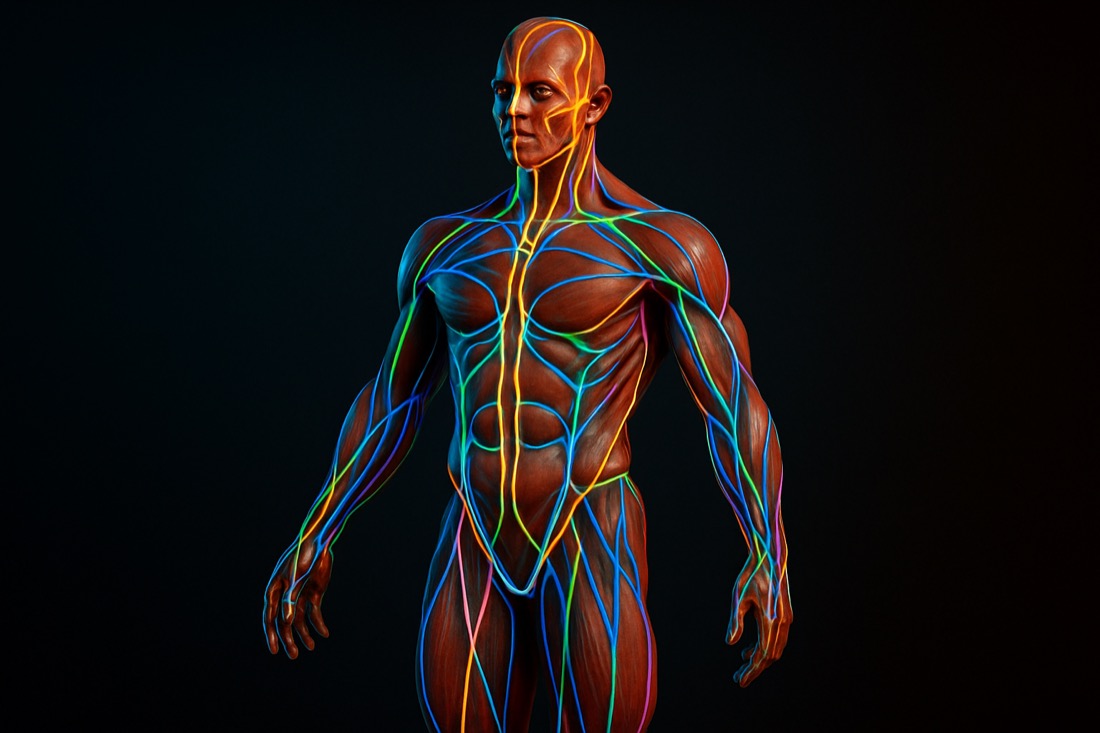
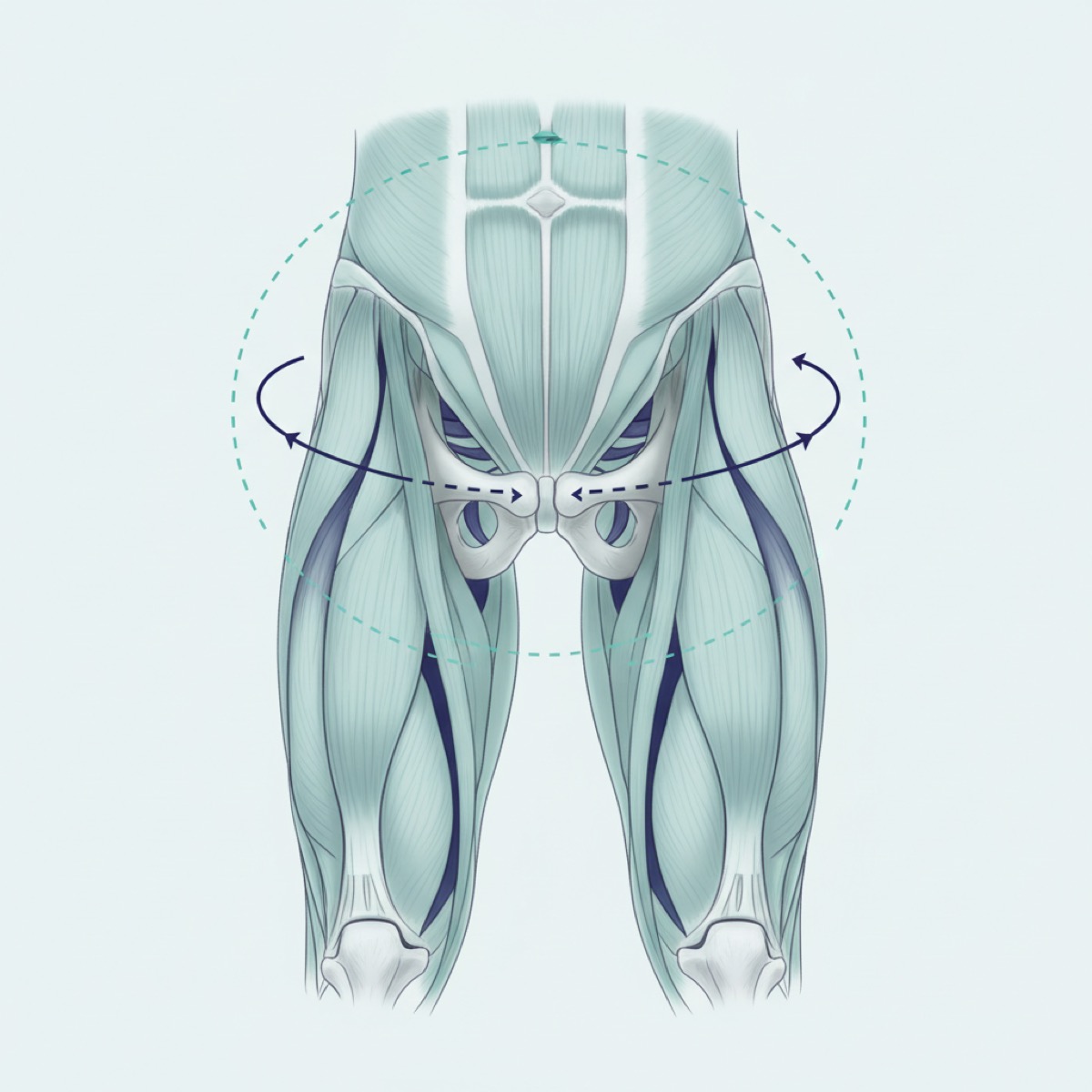
The quadriceps release technique involves stretching the front of the thigh while rotating the hip in a specific direction. This method aims to adjust the spine, pelvis, and even the cranial bones simultaneously. By targeting the fascia, this approach helps to realign the body's central axis, potentially alleviating low back pain and improving overall posture.
Clinicians find that by counteracting the body's natural tendency to twist inward, the spine can be mobilized more effectively. This technique may also relieve tension caused by prolonged sitting or smartphone use, which often results in a forward head posture and rounded shoulders.
How does fascia release work for low back pain?
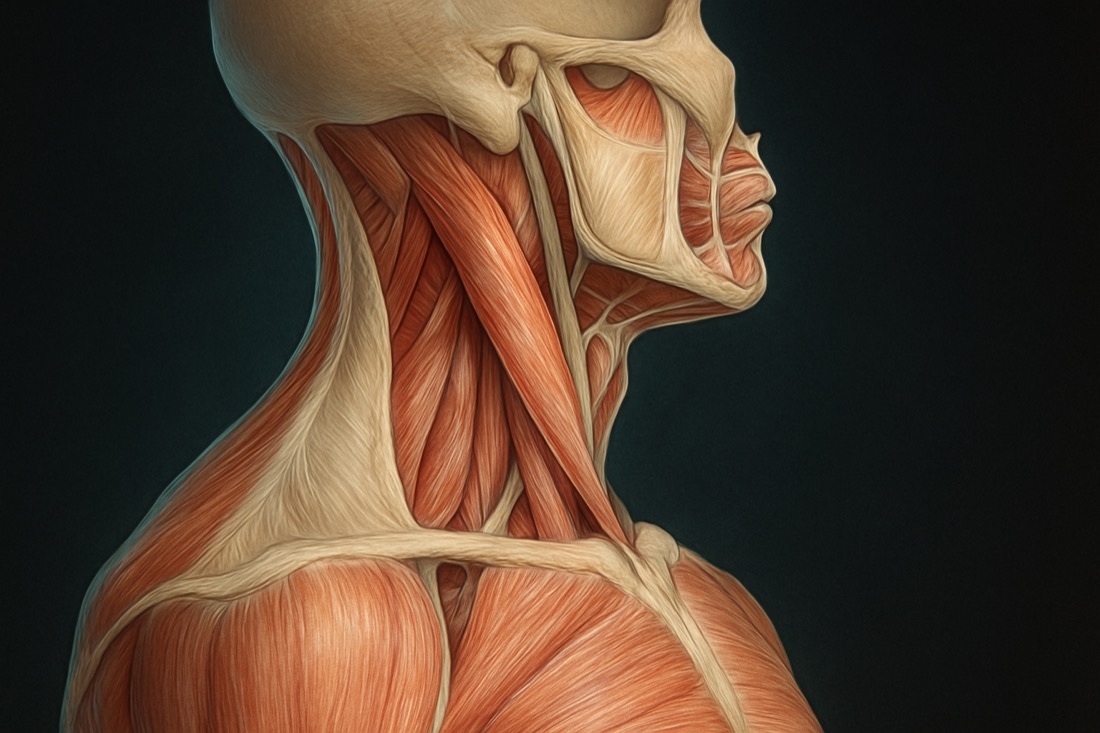
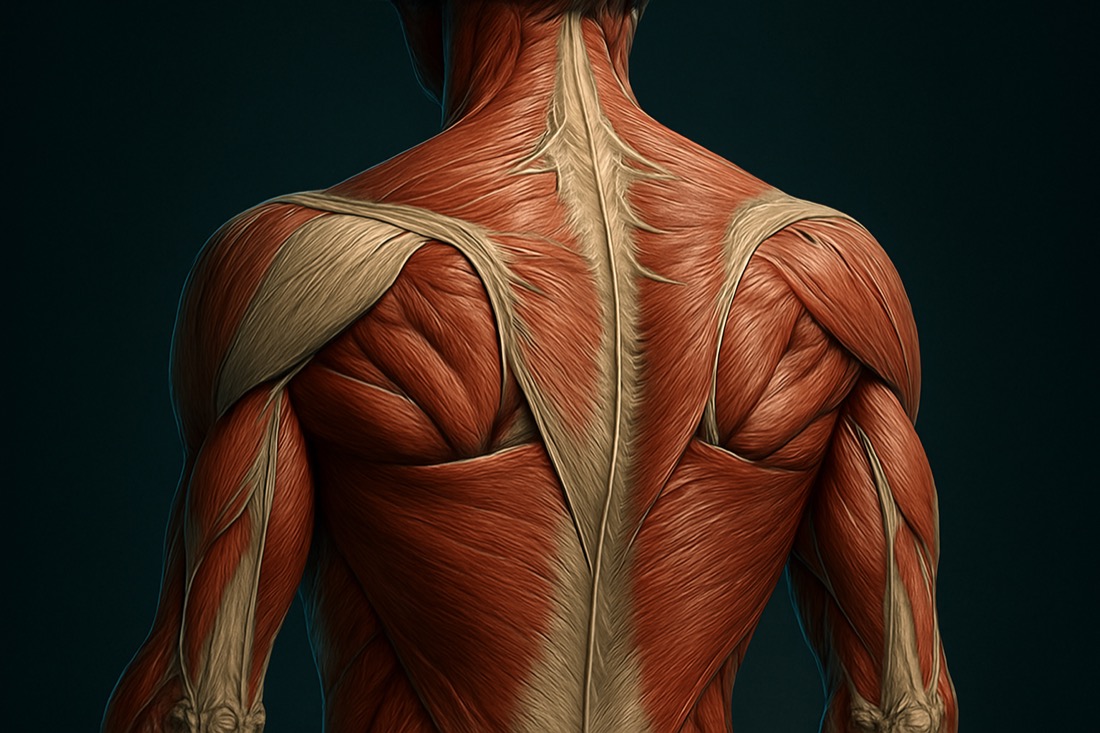
Fascia release works by addressing the connective tissue that encases muscles and organs. When fascia becomes tight or restricted, it can lead to pain and decreased mobility. Techniques like the quadriceps release aim to loosen these restrictions, allowing for improved movement and reduced discomfort.
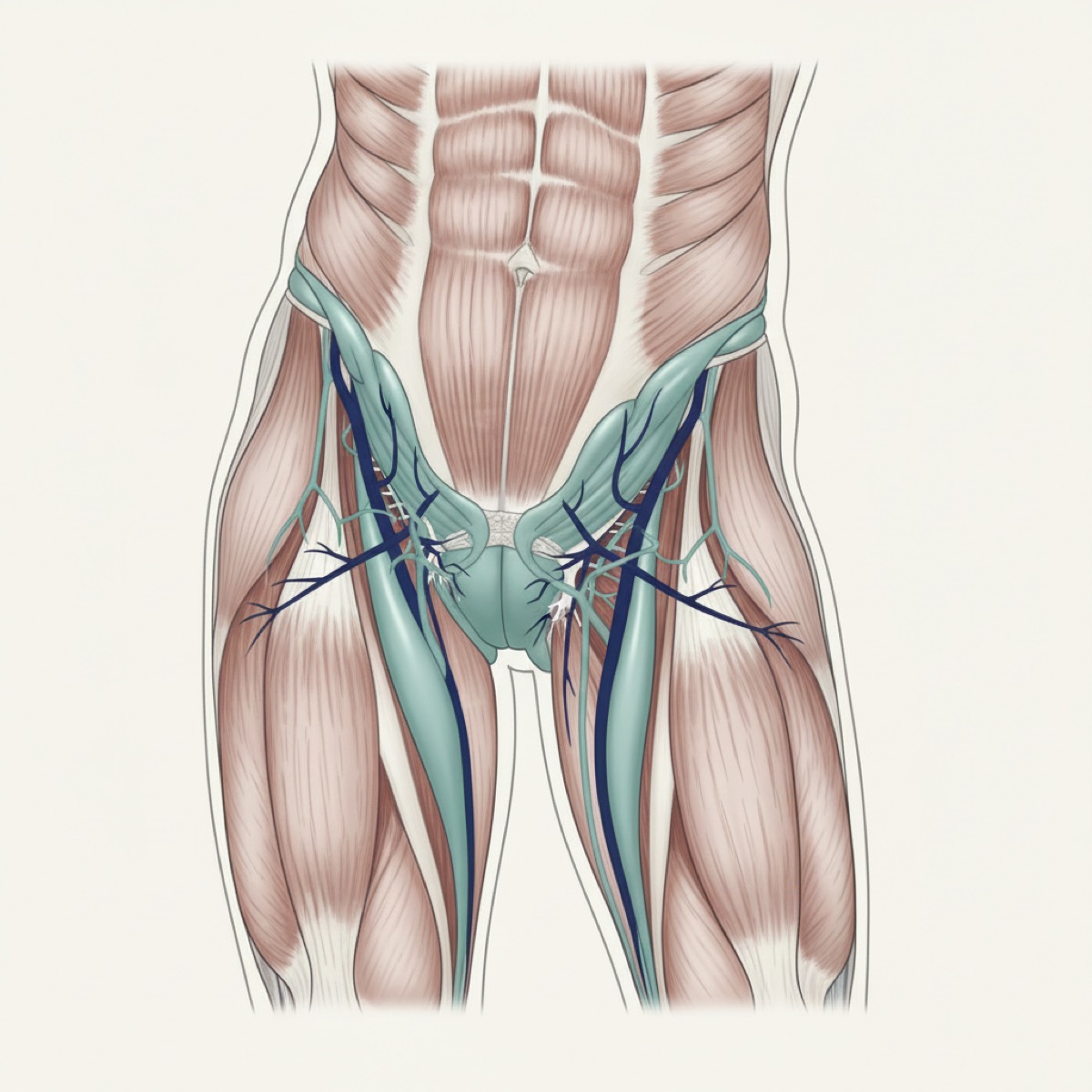
By focusing on the quadriceps and its connection to the hip and spine, this method can help restore balance to the body's central line. The release of tension in these areas may lead to a cascade effect, improving the function of the lumbar spine and sacroiliac joints.
Why is hip rotation important in this technique?
Hip rotation is crucial because it directly influences the alignment of the spine and pelvis. By rotating the hip outward, the technique counteracts the body's tendency to twist inward, which is often exacerbated by modern lifestyle habits like sitting and screen time.
This rotation allows for a more comprehensive release of the fascia, enhancing the mobility of the spine and decreasing tension in the pelvic region. The result is often a significant reduction in low back pain and an improvement in overall body mechanics.
What to expect from a fascia release session
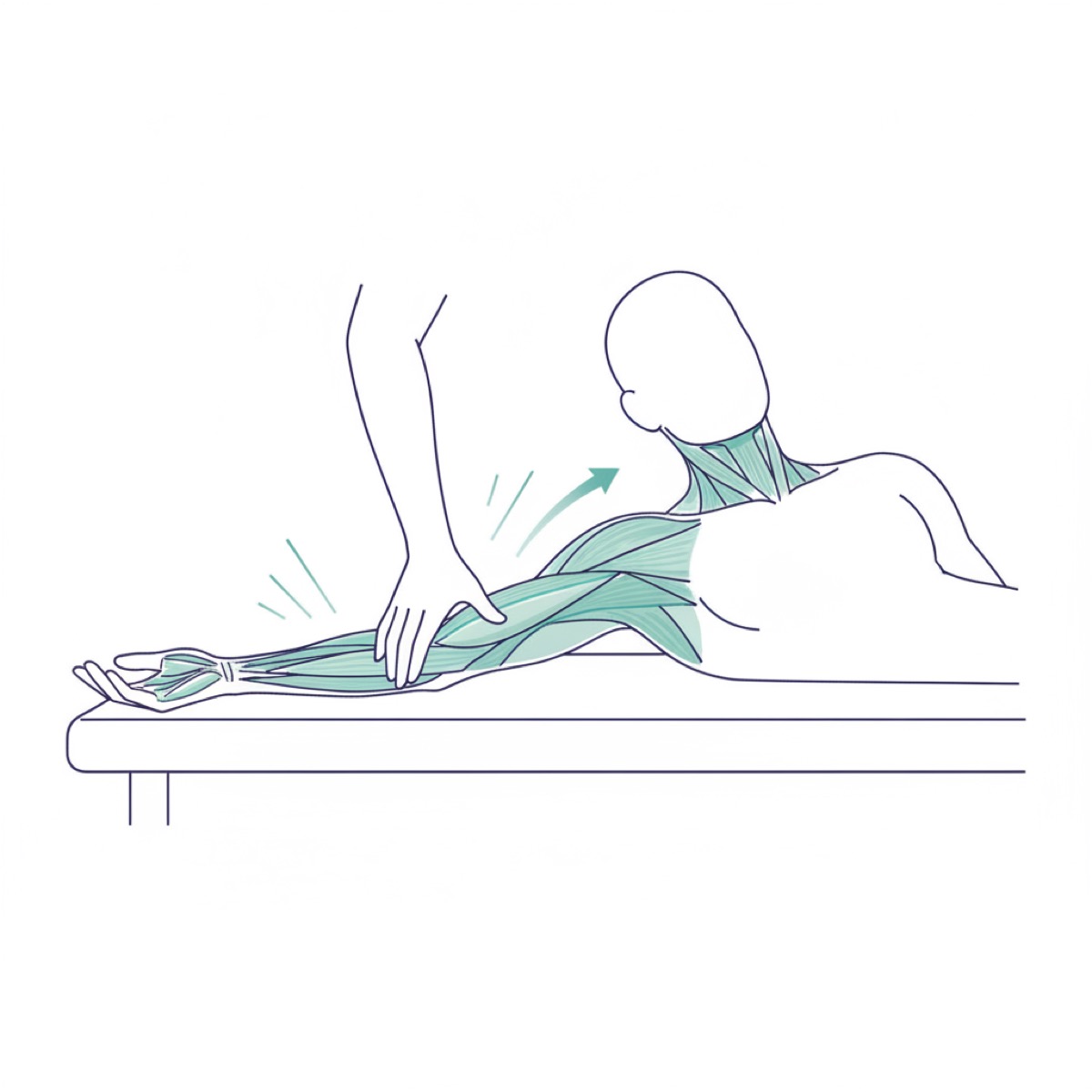
During a fascia release session focusing on the quadriceps, patients can expect a combination of stretching, hip rotation, and manual manipulation. The process may involve some initial discomfort as tight fascia is released, but this typically gives way to a sensation of relief and increased mobility.
Patients often report feeling more aligned and balanced following a session, with improvements in posture and a reduction in low back pain. It's essential to work with a trained clinician to ensure the technique is applied correctly and to avoid any potential injury.
Frequently asked questions
Is fascia release safe? — Fascia release is generally considered safe when performed by a trained professional. It's important to communicate with your therapist about any discomfort during the session.
How often should I have fascia release therapy? — The frequency of sessions depends on individual needs and the severity of symptoms. Some may benefit from weekly sessions, while others may find monthly treatments sufficient.
Can I do fascia release at home? — While some techniques can be adapted for home use, professional guidance is recommended to ensure safety and effectiveness. Always consult with a clinician before attempting self-treatment.
References
- [1]Guo R, Chen LH, Xing C, Liu T. Pain regulation by gut microbiota: molecular mechanisms and therapeutic potential. Br J Anaesth. 2019;123(5):637–654.
- [2]Ricciotti E, FitzGerald GA. Prostaglandins and inflammation. Arterioscler Thromb Vasc Biol. 2011;31(5):986–1000.
- [3]Salehi B, Venditti A, Sharifi-Rad M, et al. The therapeutic potential of apigenin. Int J Mol Sci. 2019;20(6):1305.
- [4]Field R, Pourkazemi F, Turton J, Rooney K. Dietary interventions are beneficial for patients with chronic pain: a systematic review with meta-analysis. Pain Med. 2021;22(3):694–714.
- [5]Taljanovic MS, Gimber LH, Becker GW, et al. Shear-wave elastography: basic physics and musculoskeletal applications. RadioGraphics. 2017;37(3):855–870.
- [6]Langevin HM. Connective tissue: a body-wide signaling network? Med Hypotheses. 2006;66(6):1074–1077.