Instant Relief Techniques for Lower Back Pain
Original title (JP): 腰痛を1発で改善できるテクニック↓

Supervised by
Shogo Fujii
Physiotherapist (PT) · Founder of the SHOGO FUJII® FASCIA METHOD
View profile →Clinical Article · 5 min read
Are you struggling with low back pain and looking for effective ways to alleviate it? Fascia release for low back pain might be the solution you need. Developed by expert Shogo Fujii, these techniques target the fascia, a connective tissue involved in muscle movement, offering potential relief and improved mobility.
Why does fascia affect low back pain?
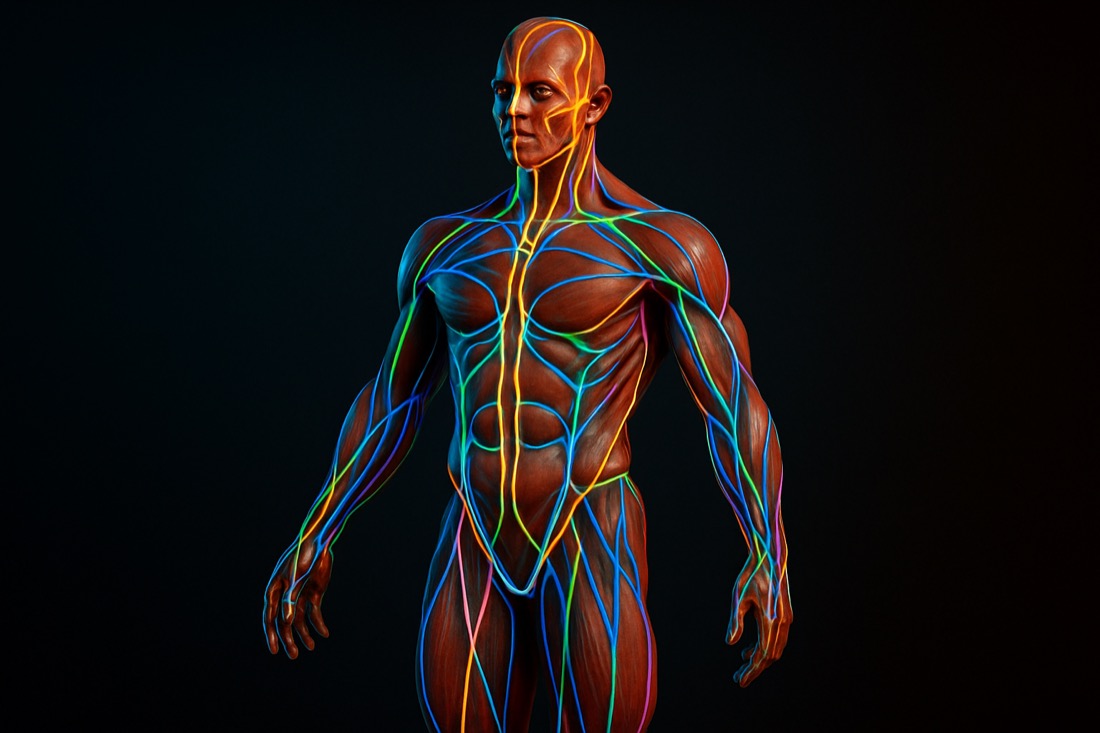
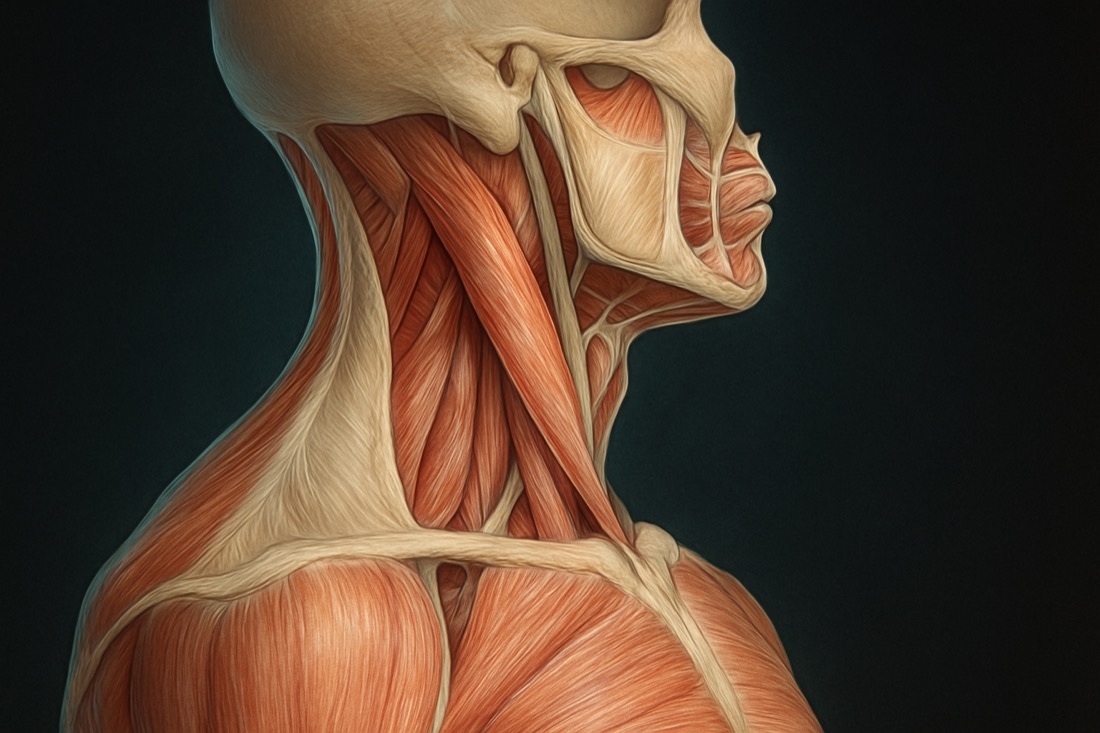
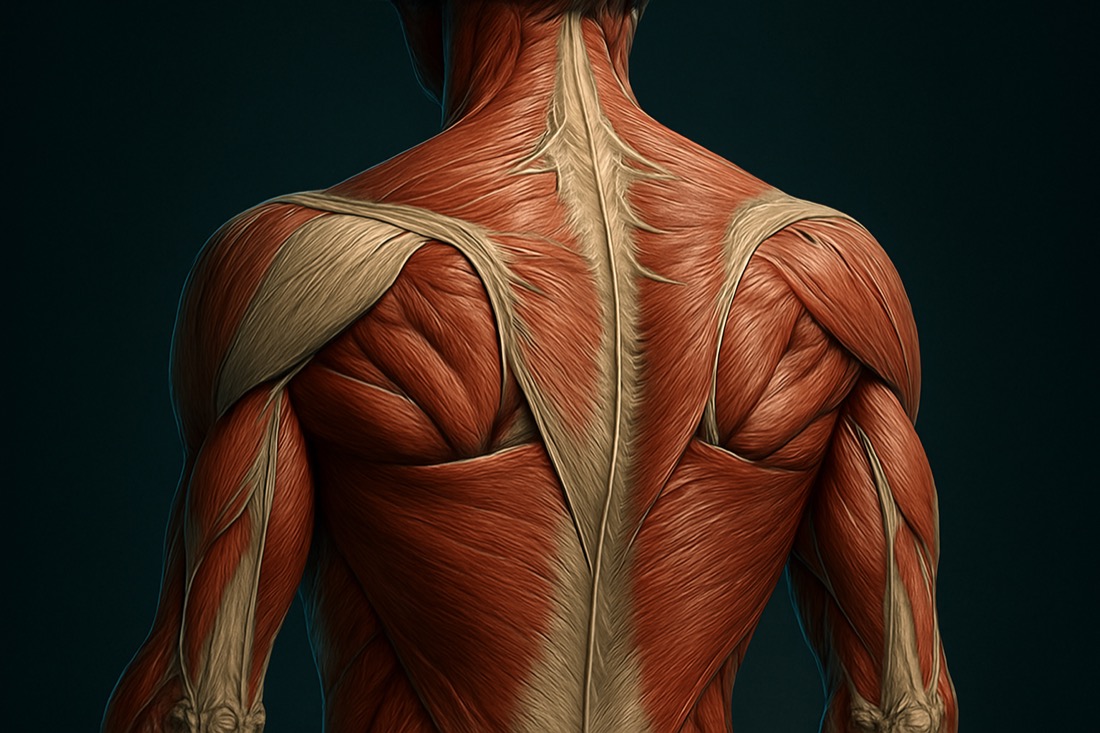
The fascia is a band of connective tissue that wraps around muscles, nerves, and joints, playing a crucial role in supporting body structure and facilitating movement. When the fascia becomes tight or restricted, it can lead to discomfort and pain, particularly in the lower back area, where it influences the pelvis and hip movements.
Understanding the fascia's role in the body helps us see why addressing its tension can relieve low back pain. Techniques developed by Shogo Fujii focus on releasing tension in the fascia, especially the tensor fasciae latae, which runs from the pelvis to the knee and is known to be particularly challenging to relax.
How does fascia release work?
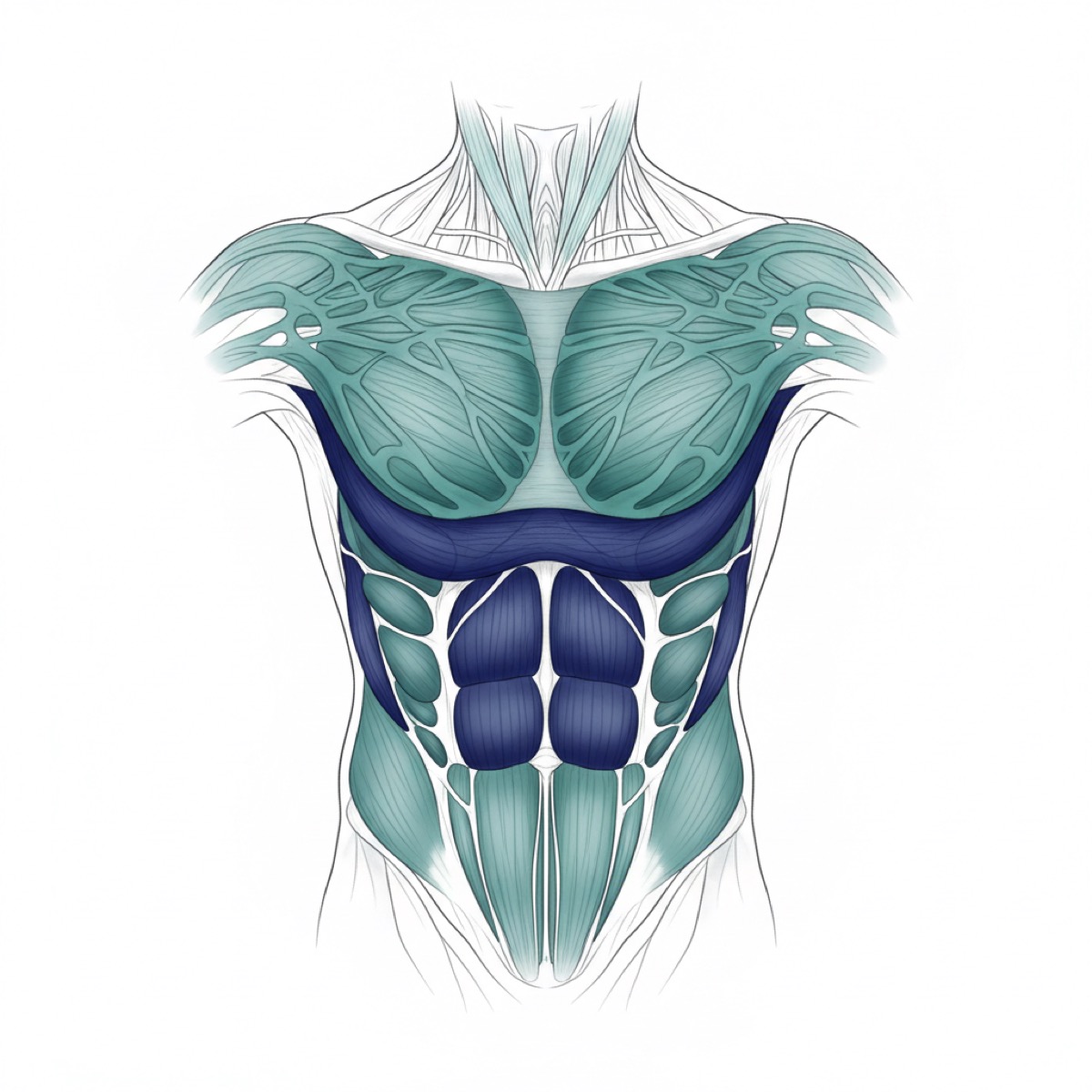
Fascia release techniques aim to reduce the tension in the connective tissue, improving flexibility and reducing pain. By applying specific pressure and movements, these methods can effectively loosen the fascia, leading to improved joint function and decreased discomfort in the lower back.
Shogo Fujii's method involves a unique approach that targets the fascia around the pelvis and hips. This technique is designed to provide relief where traditional massage might fail, offering a new avenue for those struggling with persistent low back pain.
What to expect from fascia release?
When engaging in fascia release therapy, you can expect a gradual loosening of the tightness in your lower back. This method does not promise immediate results, but many find significant relief with consistent practice.
The process involves learning specific techniques that can be practiced at home, either alone or with the help of a partner. It's important to follow the instructions carefully to maximize benefits and minimize any discomfort during the process.
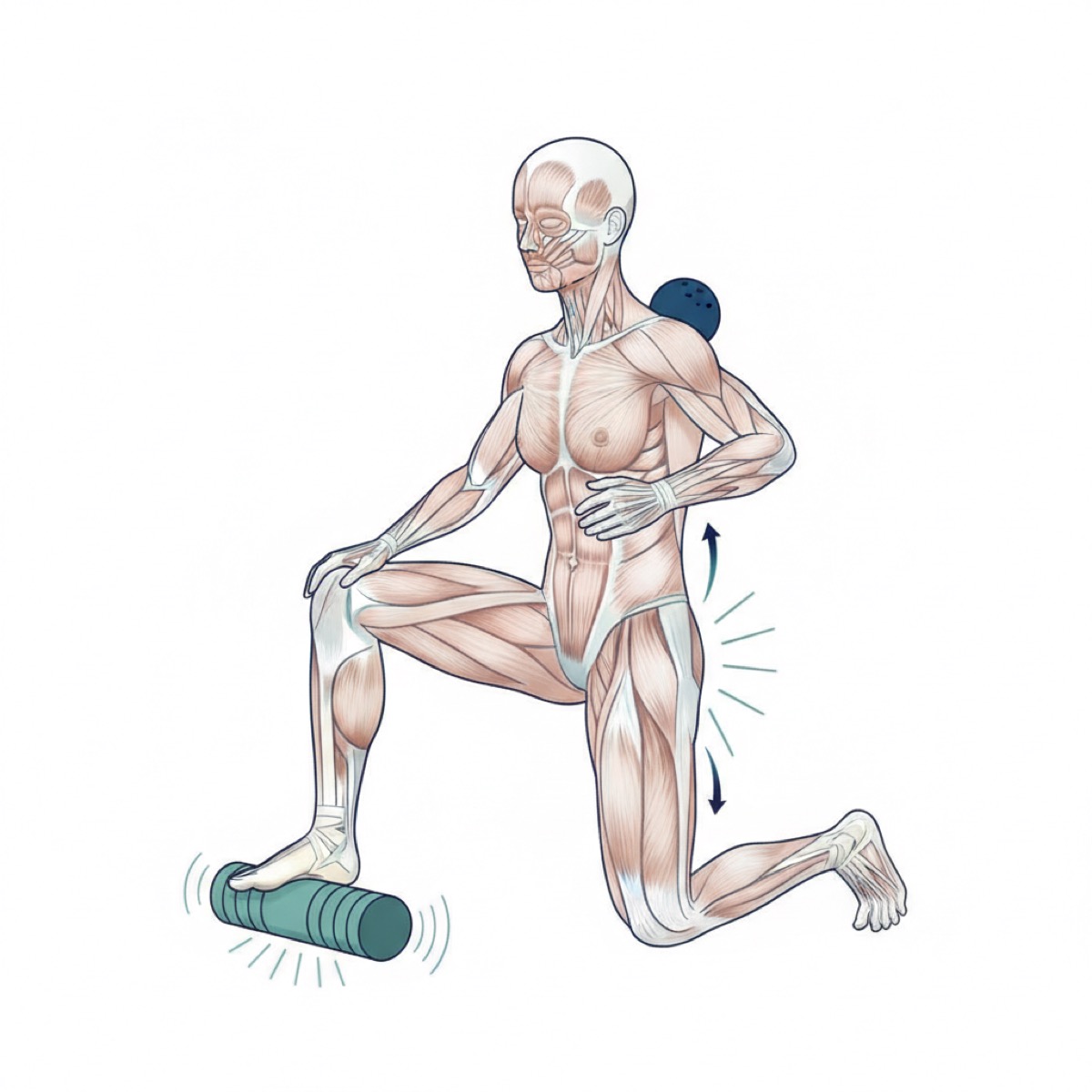
Benefits of fascia release for low back pain
Fascia release can lead to improved mobility, reduced pain, and enhanced overall functionality of the lower back and related areas. By targeting the fascia, this technique addresses one of the underlying causes of muscular tension and discomfort.
In addition to alleviating lower back pain, these techniques can also help with knee pain, as the fasciae are interconnected throughout the body. Regular practice may contribute to better posture and a more balanced distribution of movement.
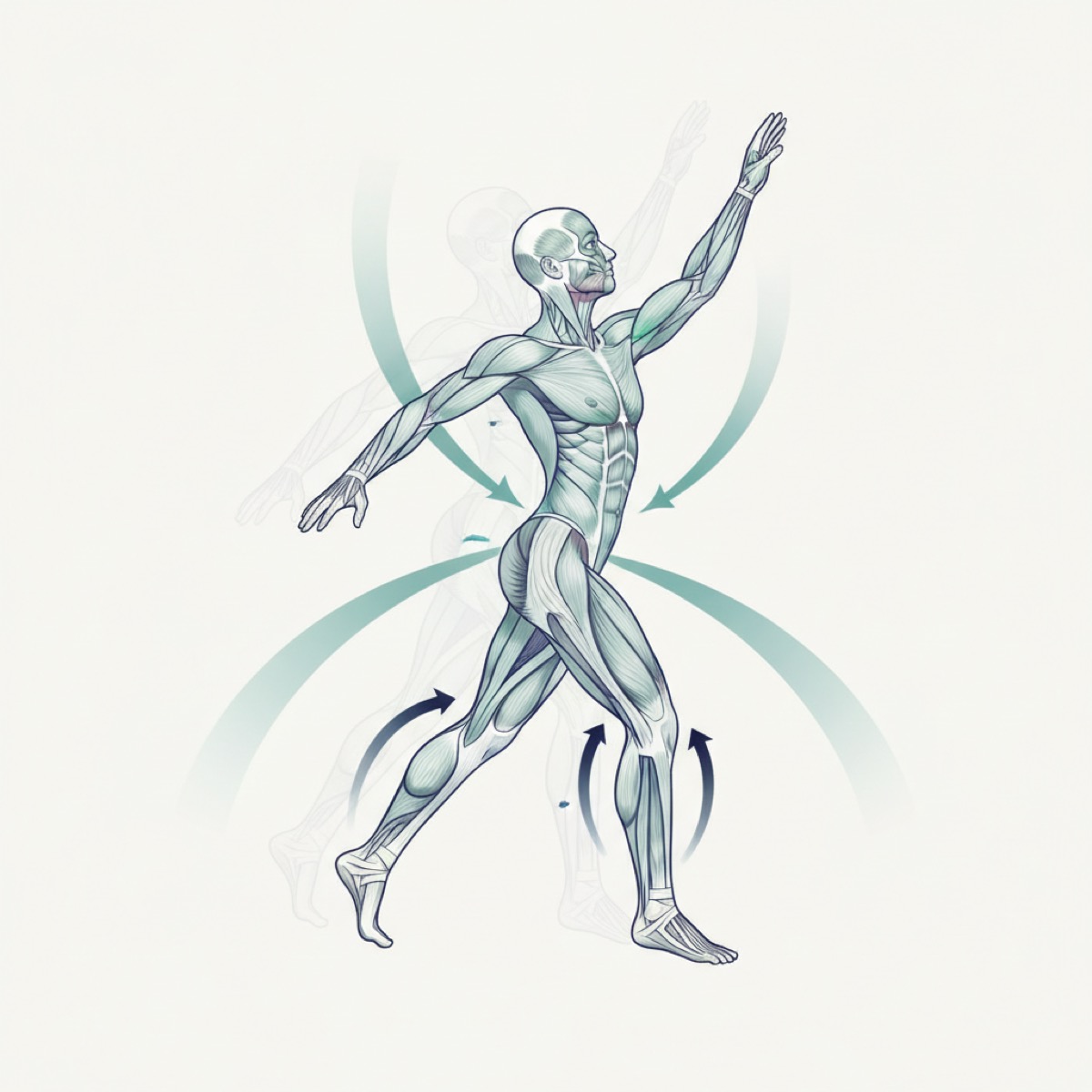
Frequently asked questions
Is fascia release safe? — Yes, when performed correctly, fascia release is generally safe. It's important to follow expert guidance and avoid excessive pressure to prevent injury.
Can fascia release help with other types of pain? — While primarily used for low back pain, fascia release can also benefit other areas, such as the knees and hips, due to the interconnected nature of fasciae.
How often should I practice fascia release? — Consistency is key. Practicing fascia release techniques several times a week can help maintain flexibility and reduce pain over time.
References
- [1]Langevin HM. Connective tissue: a body-wide signaling network? Med Hypotheses. 2006;66(6):1074–1077.
- [2]Schleip R. Fascial plasticity — a new neurobiological explanation. J Bodyw Mov Ther. 2003;7(1):11–19.
- [3]Wilke J, Krause F, Vogt L, Banzer W. What Is Evidence-Based About Myofascial Chains? A Systematic Review. Arch Phys Med Rehabil. 2016;97(3):454–461.
- [4]Krause F, Wilke J, Vogt L, Banzer W. Intermuscular force transmission along myofascial chains: a systematic review. J Anat. 2016;228(6):910–918.
- [5]Stecco C, Stern R, Porzionato A, et al. Hyaluronan within fascia in the etiology of myofascial pain. Surg Radiol Anat. 2011;33(10):891–896.
- [6]Ajimsha MS, Al-Mudahka NR, Al-Madzhar JA. Effectiveness of myofascial release: a systematic review of randomized controlled trials. J Bodyw Mov Ther. 2015;19(1):102–112.