Loosen the Deep Neck and the Lower Back Straightens Up — Reading 'Start-Up Pain' Through the Suboccipitals and Anatomy Trains
Original title (JP): 【激ヤバ】首の“奥”をゆるめたら、腰が立ち上がる――後頭下筋群とアナトミーラインで読む「動き始めの痛み」

Supervised by
Shogo Fujii
Physiotherapist (PT) · Founder of the SHOGO FUJII® FASCIA METHOD
View profile →Clinical Article · 6 min read
Many individuals experience persistent lower back pain, especially when initiating movements like standing up or turning in bed. While the lumbar region often takes the blame, the true source of discomfort can sometimes lie much higher up – specifically, in the deep muscles at the base of your skull. This article explores how a targeted **suboccipital release for low back pain** can effectively address this often-overlooked connection, offering relief by easing tension in these crucial neck muscles and their far-reaching fascial links.
Why Do Deep Neck Muscles Affect Your Lower Back?
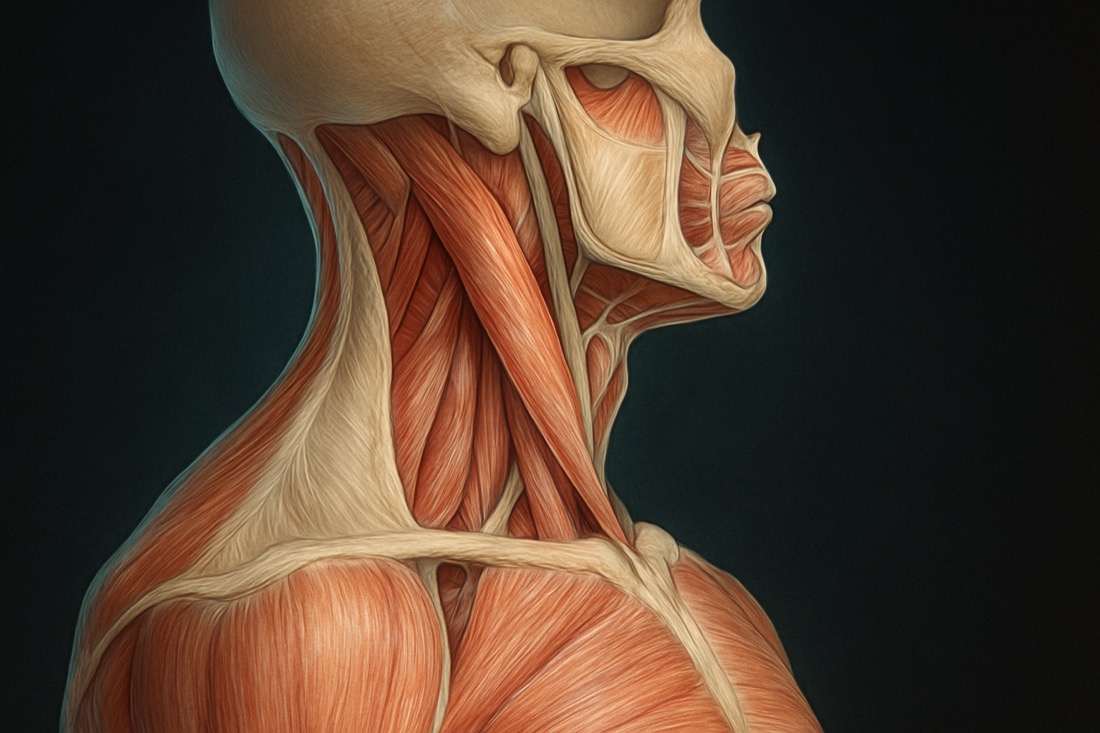
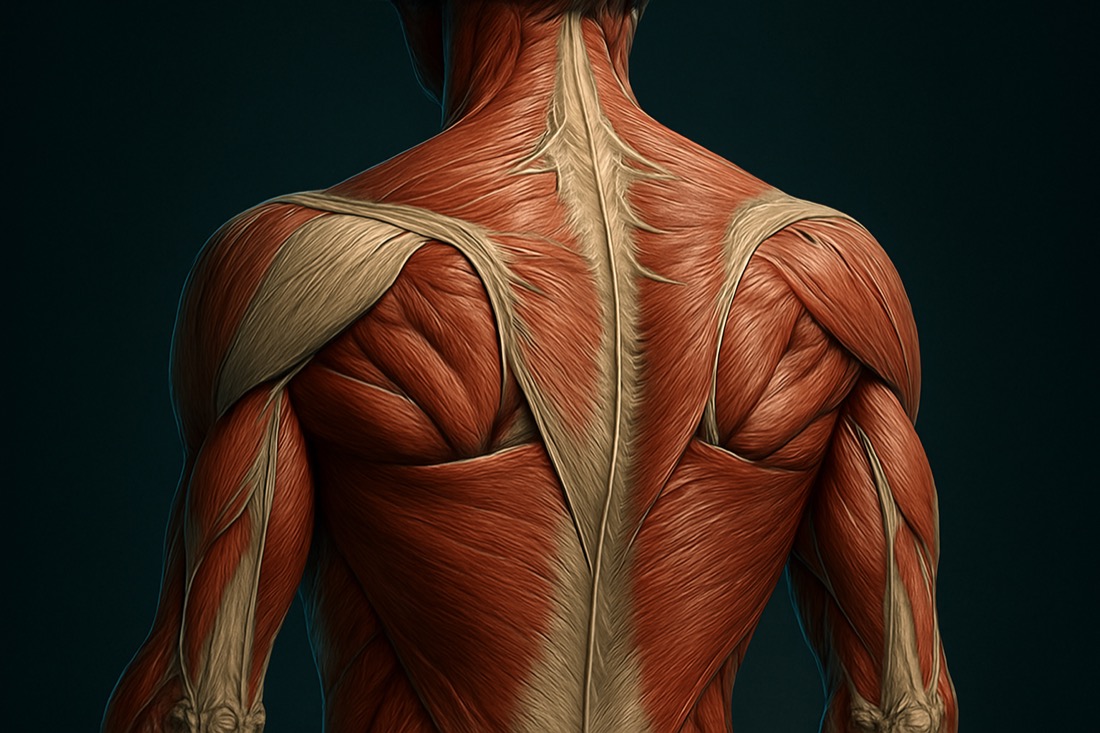
The suboccipital muscles, a small but powerful group located at the junction of your head and neck, connect your occipital bone to the first two cervical vertebrae (C1 and C2). Though individually small, they function as a unit, playing a critical role in head posture and movement. Clinically, it's often more effective to address this region as a whole rather than isolating individual muscles when treating pain [1].
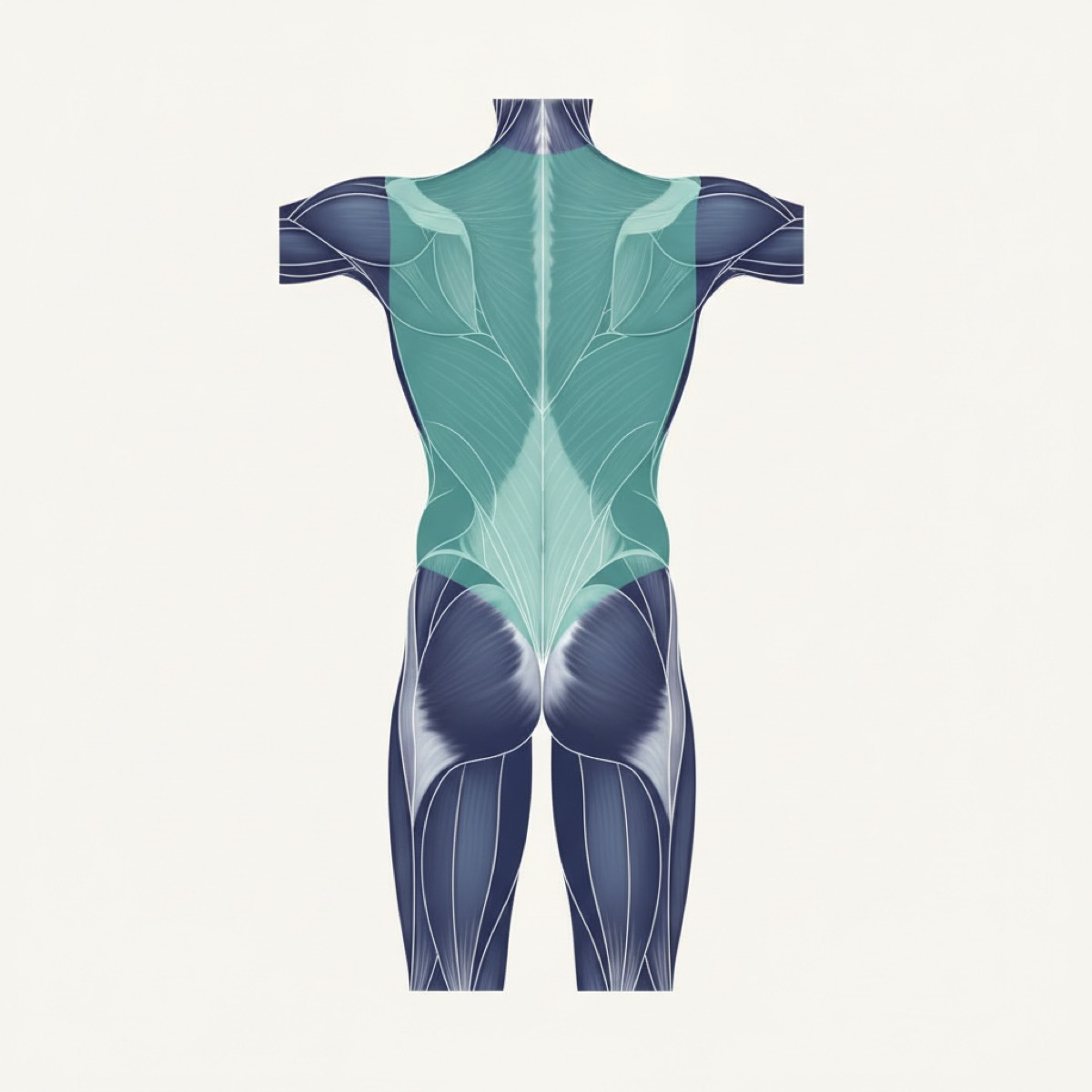
A key indicator that these deep neck muscles might be contributing to your lower back pain is discomfort experienced at the *start* of a movement. Patients often report pain when standing up, rolling over in bed, or getting out of a chair – what clinicians refer to as 'movement initiation pain' [2]. This suggests a systemic fascial connection where tension in the suboccipital region can create a 'drag' or restriction that manifests as pain in the lower back.
The Surprising Link Between Eye Movement, Screen Time, and Neck Tension
The suboccipital muscles have a profound, often underestimated, connection to eye movement. Visual information is processed in the occipital lobe of the brain, and the constant focus required by modern activities, especially prolonged screen time, can accumulate significant 'visual fatigue' in these muscles [3]. This constant demand on your visual system translates into chronic tension in the suboccipital region.
Think about how many hours you spend looking at a computer or phone screen. This sustained visual engagement can lead to a forward head posture and increased strain on the suboccipital muscles. Over time, this chronic tension can cause these muscles to become tight and contracted, a common ailment in our digital age. Many people instinctively rub the back of their neck or find relief from headaches by massaging this area, an intuitive response to this accumulated visual stress [4].
Assessing and Experiencing Immediate Relief
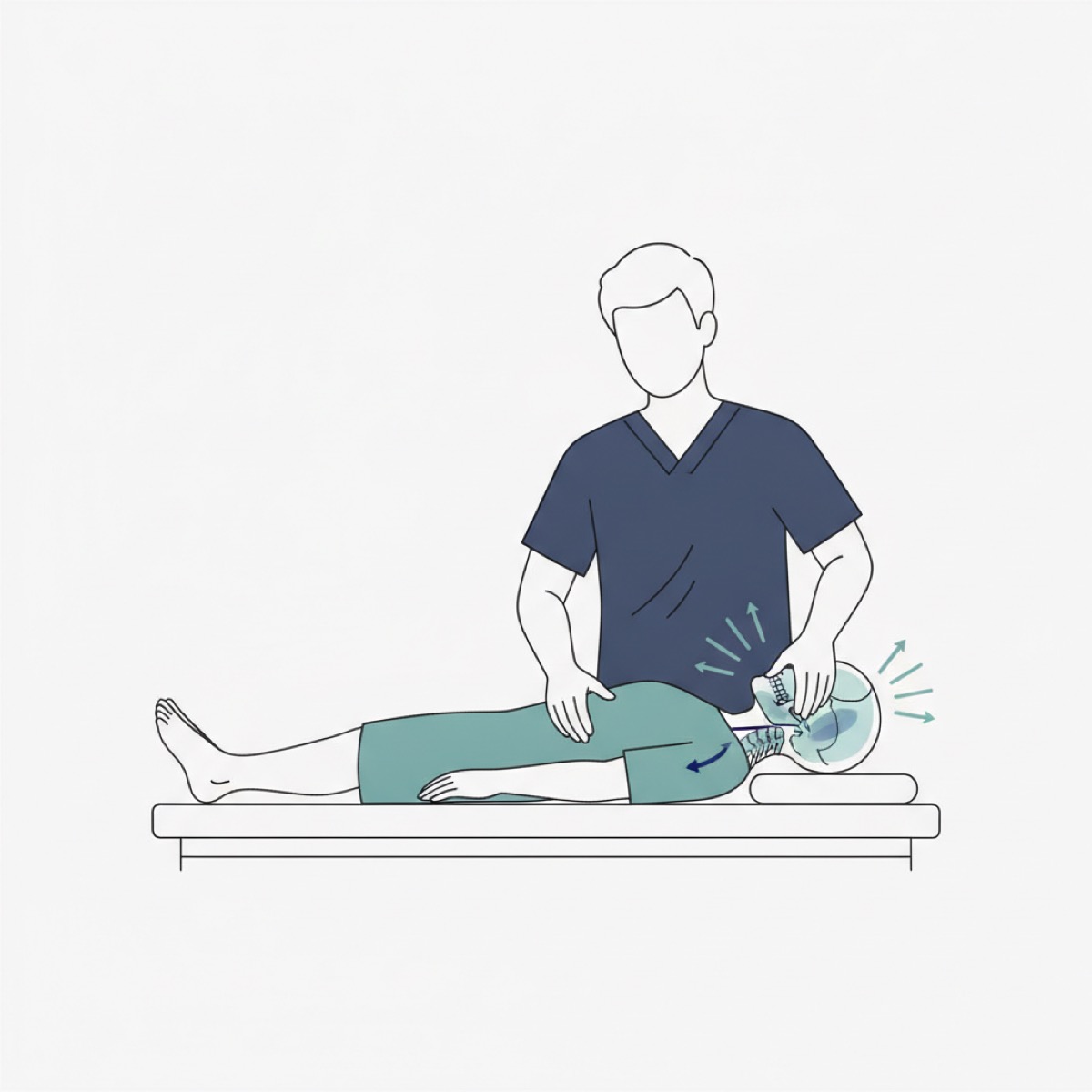
Identifying the suboccipital muscles as a contributing factor to lower back pain often involves a simple assessment. If a patient reports low back pain during specific movements, such as twisting their torso while lying down, a clinician might then palpate and gently support the suboccipital region. The video demonstrates how simply applying pressure to these muscles can lead to an immediate reduction in lower back pain during the same movement [5].
This immediate change can be quite surprising for both the patient and the practitioner, highlighting the powerful influence of fascial connections. The relief isn't just limited to the lower back; patients often report a feeling of lightness in their eyes, improved visual clarity, and easier movement initiation in general. This rapid response indicates that releasing tension in this deep neck area can have widespread benefits across the kinetic chain.
Effective Techniques for Deep Suboccipital Release
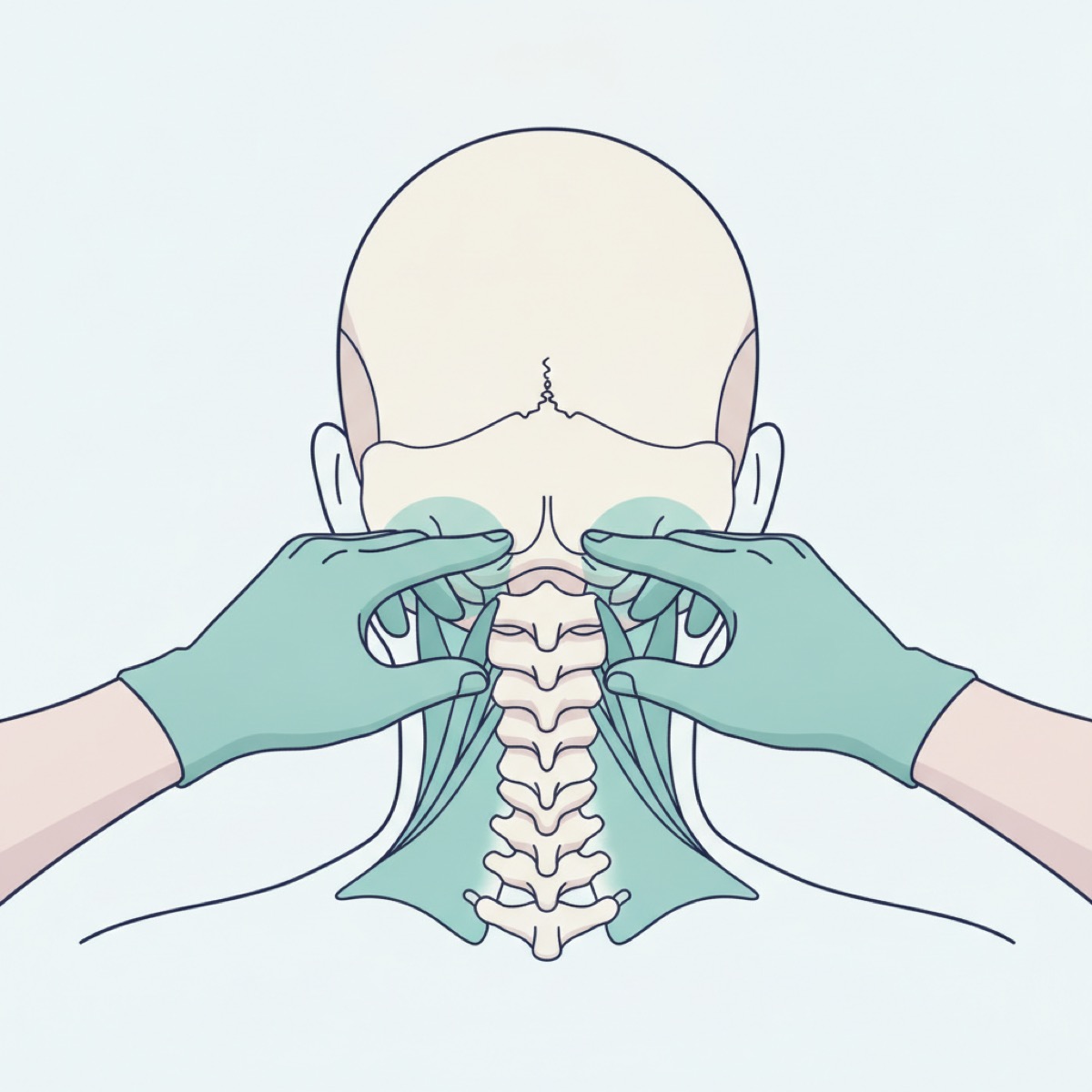
The key to effective suboccipital release lies in targeting the deep fascia, not just the superficial muscle layers. A gentle, yet firm, touch is essential. One technique involves placing fingertips beneath the occipital bone, aiming for a deep, upward pressure, almost 'stabbing' into the tissue near the mastoid process. The goal is to feel the deep layers of tissue, rather than just the superficial muscle bulk.
For a more profound release, the practitioner might gently grasp the deep neck muscles, almost like 'grabbing a cat's neck' as described by the educator. This deep hold can be combined with subtle twisting or sustained pressure, sometimes leveraging the upper trapezius for deeper access. This deep fascial work can influence not only the cervical spine (C1-C4) but also the occipital, temporal, and parietal bones, leading to comprehensive release and improved mobility throughout the head and neck [6]. While initial practice may require some finesse, mastering this deep touch can be incredibly beneficial for addressing chronic pain and improving overall function. It's often recommended to practice this technique in a seated position first before progressing to prone applications.
Frequently asked questions
Is suboccipital release safe? — When performed by a trained and qualified therapist, suboccipital release is generally considered safe. It involves careful palpation and gentle, sustained pressure, avoiding sudden or forceful movements. Always communicate any discomfort during the session.
How often should I receive suboccipital release? — The frequency of suboccipital release depends on your individual condition, the severity of your symptoms, and your response to treatment. Your therapist will recommend a personalized treatment plan, which may involve regular sessions initially, followed by maintenance as your symptoms improve.
Can I perform suboccipital release on myself? — While some gentle self-massage techniques for the neck can be beneficial, deep suboccipital release requires a nuanced understanding of anatomy and palpation skills that are best performed by a professional. Attempting deep techniques without proper training could be ineffective or potentially cause discomfort.
References
- [1]Stecco C, Stern R, Porzionato A, et al. Hyaluronan within fascia in the etiology of myofascial pain. Surg Radiol Anat. 2011;33(10):891–896.
- [2]Ajimsha MS, Al-Mudahka NR, Al-Madzhar JA. Effectiveness of myofascial release: a systematic review of randomized controlled trials. J Bodyw Mov Ther. 2015;19(1):102–112.
- [3]Tozzi P, Bongiorno D, Vitturini C. Fascial release effects on patients with non-specific cervical or lumbar pain. J Bodyw Mov Ther. 2011;15(4):405–416.
- [4]Zügel M, Maganaris CN, Wilke J, et al. Fascial tissue research in sports medicine: from molecules to tissue adaptation, injury and diagnostics: consensus statement. Br J Sports Med. 2018;52(23):1497.
- [5]Klingler W, Velders M, Hoppe K, Pedro M, Schleip R. Clinical relevance of fascial tissue and dysfunctions. Curr Pain Headache Rep. 2014;18(8):439.
- [6]Wilke J, Vogt L, Niederer D, Banzer W. Is remote stretching based on myofascial chains as effective as local exercise? A randomised-controlled trial. J Sports Sci. 2017;35(20):2021–2027.
Related videos
Palpation X-Ray #84 | Is the Sacrum Really a Flat Plate? It's a Wedge, Wide at the Top and Narrowing Downward — Trace Down from the Lumbar Spine and Confirm at Gluteus Maximus
0:56
Dramatic Improvement in One Session: Manual Approach to the Pelvic Girdle, with Palpation of Anatomical Landmarks and Movement Assessment Before and After (Hands-On Demo)
5:48