
Spinal Misalignment Can Be Fixed with a Single Finger
Original title (JP): 背骨の歪みは指一本で治る

Supervised by
Shogo Fujii
Physiotherapist (PT) · Founder of the SHOGO FUJII® FASCIA METHOD
View profile →Clinical Article · 5 min read
If you're struggling with low back pain, fascia release techniques might be the solution you need. Shogo Fujii's methods focus on spinal alignment, using targeted muscle relaxation to alleviate discomfort. Discover how one finger can make a significant difference in your spinal health.
Why does low back pain occur?
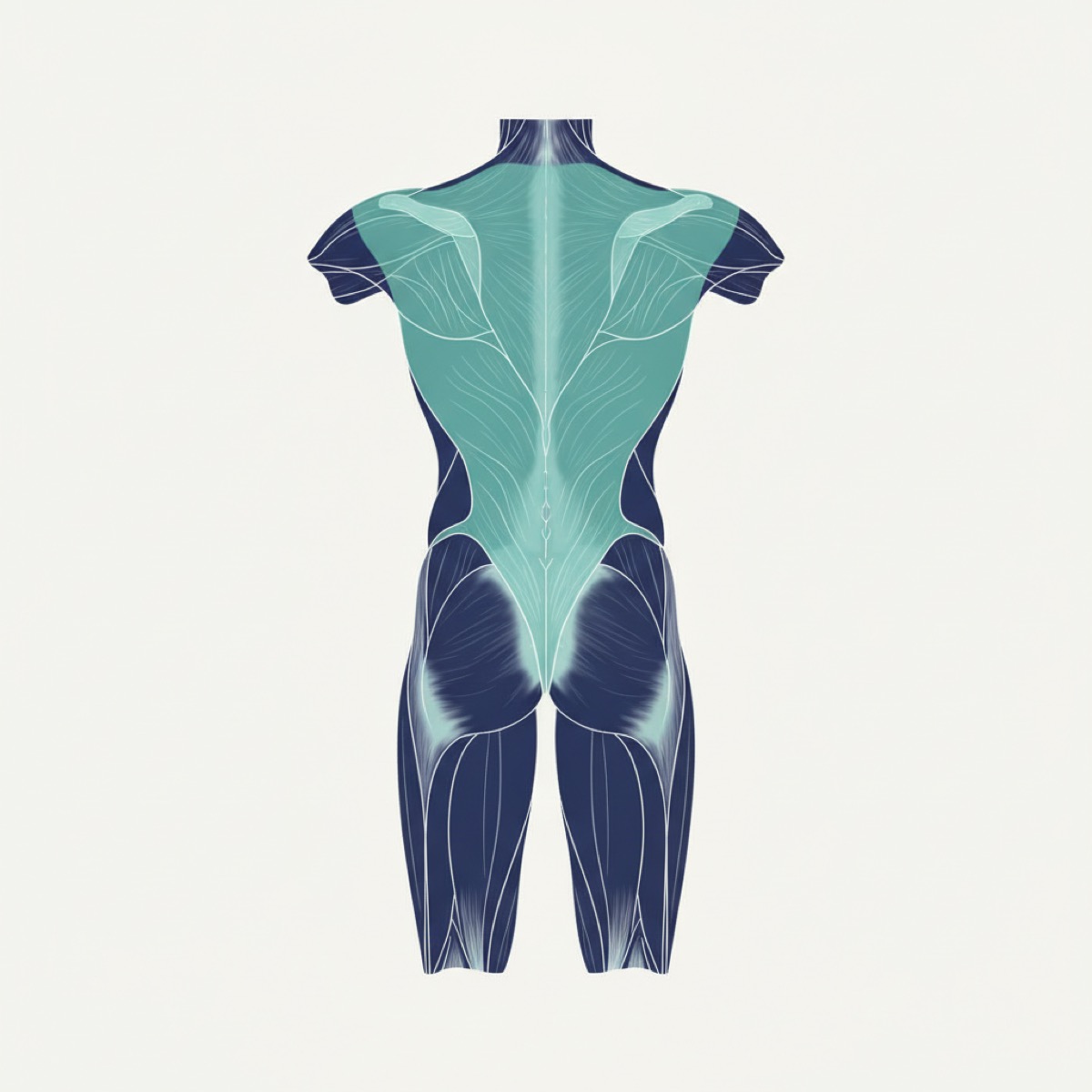
Low back pain often stems from spinal misalignment, particularly in the thoracic region, which is known for its rigidity. The thoracic spine is connected to the ribs and flanked by large muscles, making it prone to stiffness and limited movement. This stiffness can lead to discomfort and pain that radiates throughout the lower back.
Understanding the root causes of low back pain can empower patients and clinicians to seek effective treatments. Fascia release, a technique that targets connective tissues, can help in loosening these muscles and restoring proper spinal alignment[1][2].
How does fascia release work for spinal alignment?
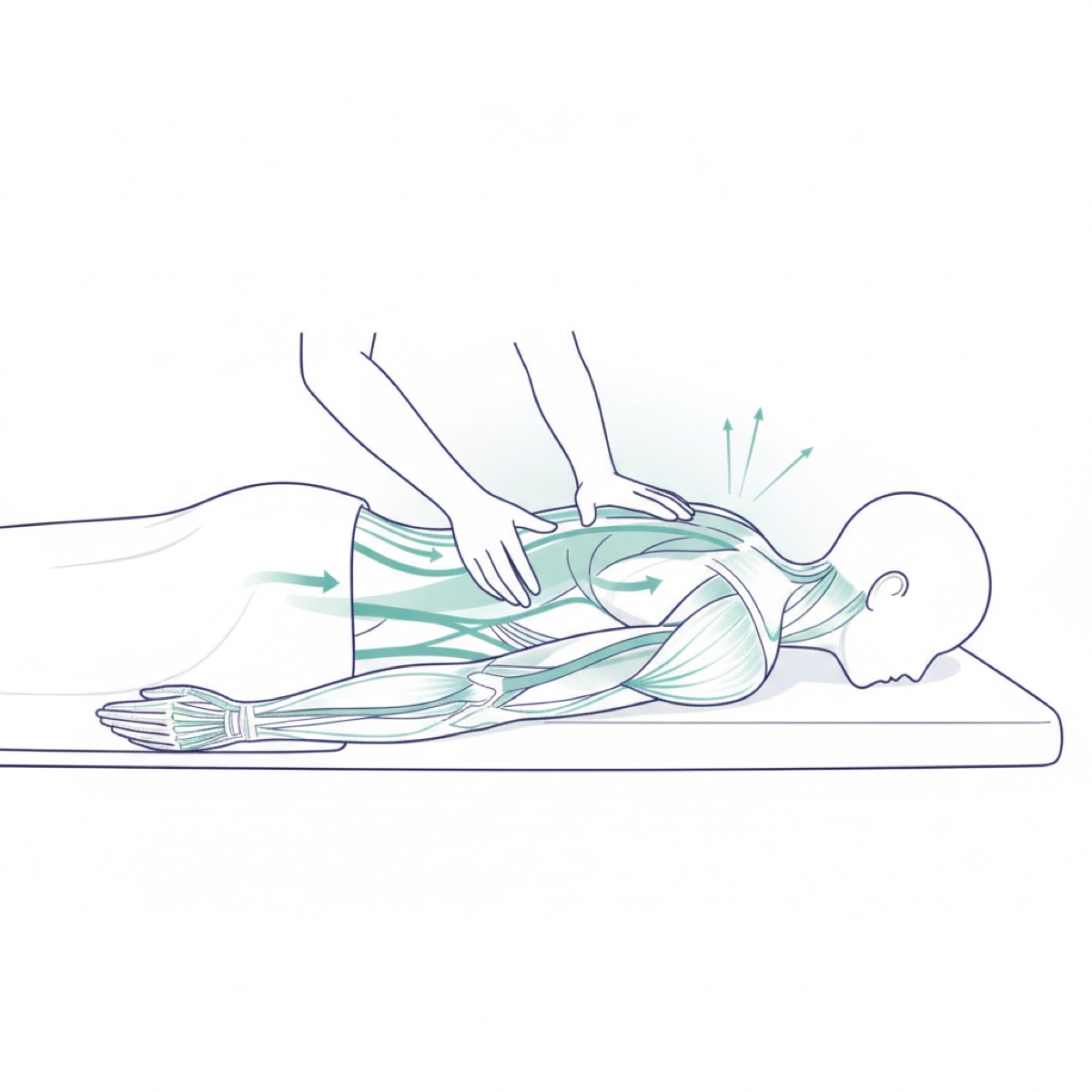
Fascia release involves the gentle manipulation of muscles and connective tissues to relieve tension and improve mobility. By focusing on specific muscles like the teres minor, triceps long head, and latissimus dorsi, practitioners can influence the spine's flexibility and alignment.
These muscles, when relaxed, can help in easing the spine's rigidity. The technique is simple yet effective, requiring only minimal pressure to achieve noticeable results. It’s crucial to approach fascia release with care and precision to avoid any adverse effects[3][4].
What to expect from a fascia release session?
During a fascia release session, the practitioner will assess your spine and identify areas of tension. Using their fingers, they will apply gentle pressure to specific muscle groups, encouraging them to relax and release built-up tension.
Patients may experience immediate relief or gradual improvement over several sessions. It's important to follow up with exercises and stretches to maintain the benefits of fascia release. Always consult with a qualified professional to ensure the technique is applied safely and effectively[5].
Can fascia release help with other conditions?
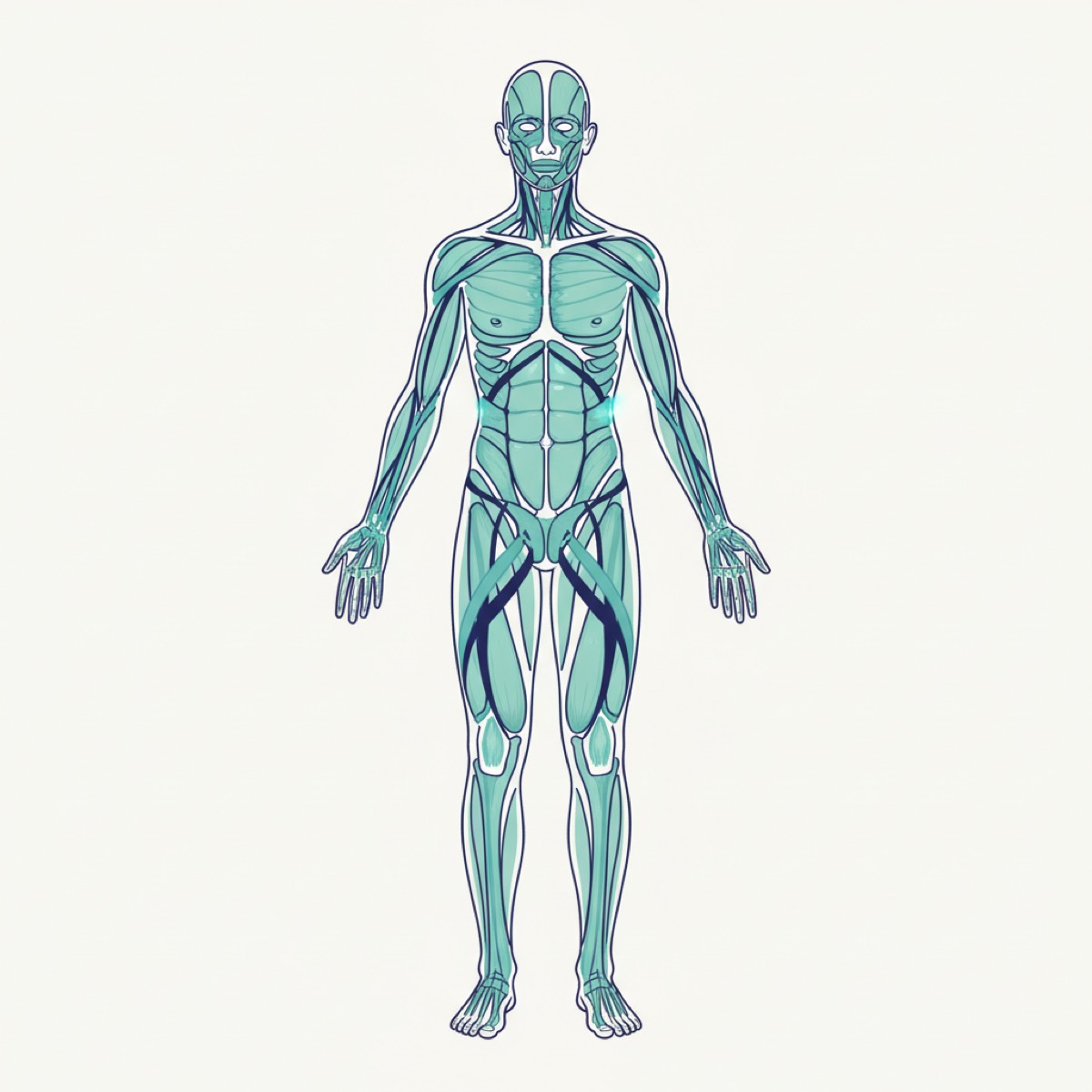
Fascia release is not limited to treating low back pain; it can also be beneficial for other conditions involving muscle tension and misalignment. By targeting the spine and pelvic alignment, fascia release can potentially alleviate various musculoskeletal issues.
However, it's important to note that results may vary among individuals, and it is not a guaranteed cure for all ailments. It's best used as part of a comprehensive treatment plan that includes other therapies and lifestyle modifications[6].
Frequently asked questions
Is fascia release safe? — Fascia release is generally considered safe when performed by a trained practitioner. It involves gentle manipulation of tissues and should not cause pain.
How often should I have fascia release sessions? — The frequency of sessions depends on the individual's condition and response to treatment. Some may benefit from weekly sessions, while others may require less frequent visits.
Can I perform fascia release at home? — While some techniques can be practiced at home, it is recommended to first learn from a professional to avoid incorrect application and potential injury.
References
- [1]Wilke J, Krause F, Vogt L, Banzer W. What Is Evidence-Based About Myofascial Chains? A Systematic Review. Arch Phys Med Rehabil. 2016;97(3):454–461.
- [2]Krause F, Wilke J, Vogt L, Banzer W. Intermuscular force transmission along myofascial chains: a systematic review. J Anat. 2016;228(6):910–918.
- [3]Stecco C, Stern R, Porzionato A, et al. Hyaluronan within fascia in the etiology of myofascial pain. Surg Radiol Anat. 2011;33(10):891–896.
- [4]Ajimsha MS, Al-Mudahka NR, Al-Madzhar JA. Effectiveness of myofascial release: a systematic review of randomized controlled trials. J Bodyw Mov Ther. 2015;19(1):102–112.
- [5]Tozzi P, Bongiorno D, Vitturini C. Fascial release effects on patients with non-specific cervical or lumbar pain. J Bodyw Mov Ther. 2011;15(4):405–416.
- [6]Zügel M, Maganaris CN, Wilke J, et al. Fascial tissue research in sports medicine: from molecules to tissue adaptation, injury and diagnostics: consensus statement. Br J Sports Med. 2018;52(23):1497.
Related videos

Palpation X-Ray #84 | Is the Sacrum Really a Flat Plate? It's a Wedge, Wide at the Top and Narrowing Downward — Trace Down from the Lumbar Spine and Confirm at Gluteus Maximus
0:56
Dramatic Improvement in One Session: Manual Approach to the Pelvic Girdle, with Palpation of Anatomical Landmarks and Movement Assessment Before and After (Hands-On Demo)
5:48