
The Real Cause of Spinal Stenosis Is in the Fingers, Fixed Instantly
Original title (JP): 脊柱管狭窄の原因は指!一発で治す動画

Supervised by
Shogo Fujii
Physiotherapist (PT) · Founder of the SHOGO FUJII® FASCIA METHOD
View profile →Clinical Article · 5 min read
Fascia release for low back pain is gaining attention for its potential to alleviate discomfort and improve mobility. By understanding the intricate connections between muscles and fascia, particularly in the hands and fingers, you can discover new ways to manage conditions like spinal canal stenosis. Explore the techniques that may help relieve your low back pain today.
Why does low back pain occur?
Low back pain can be caused by a variety of factors, including poor posture, muscle imbalances, and stress on the spine. One often overlooked contributor is the tension in the muscles of the hands, particularly the thumb and fingers. These muscles can become tight due to repetitive movements like using a smartphone, leading to referred pain in the shoulders and back [1]. Understanding these connections can help in addressing the root causes of low back pain.
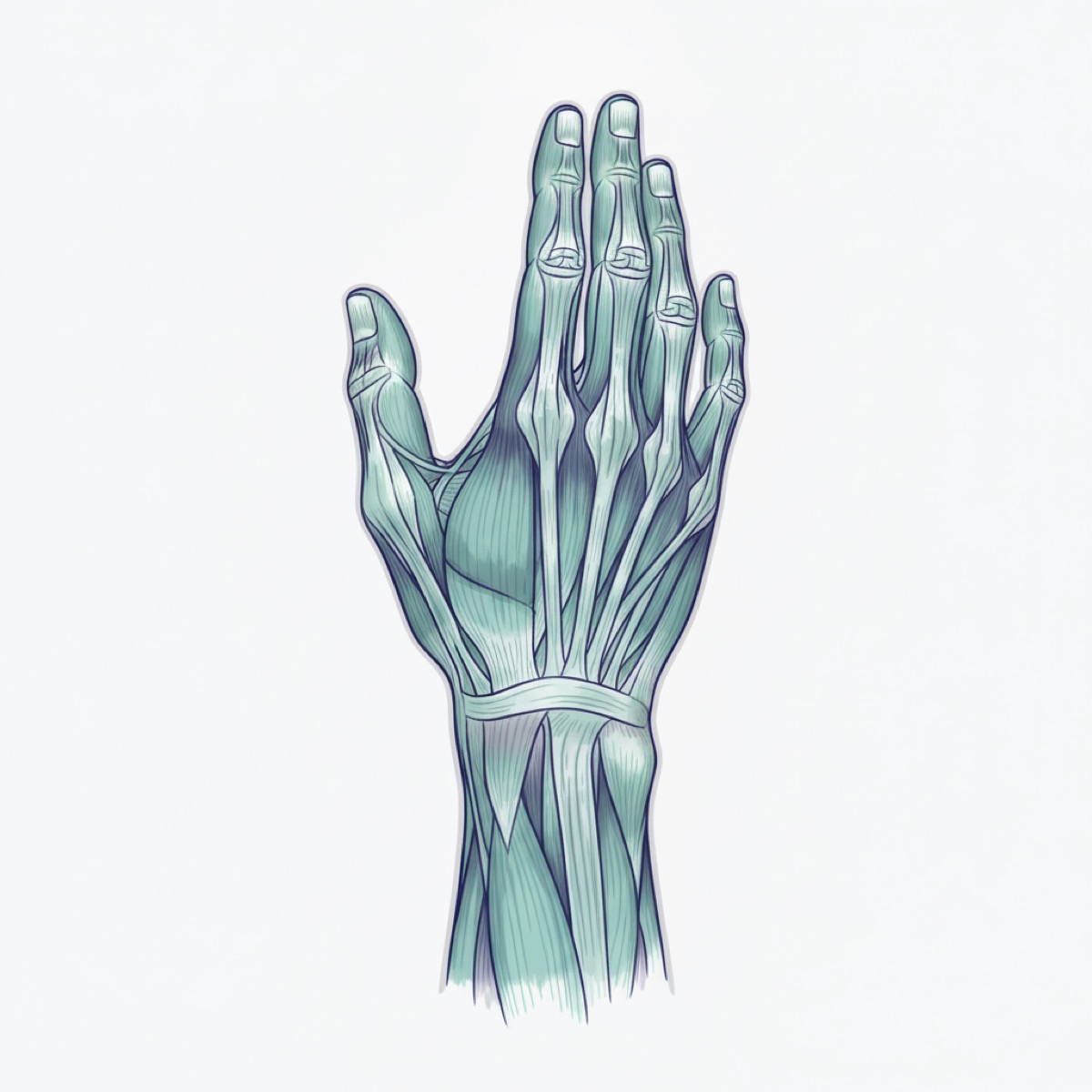
The interaction between the muscles in the hand and the rest of the body is complex. Tightness in the thumb's opposition muscles can lead to shoulder pain and even be misdiagnosed as spinal canal stenosis. This is due to the interconnected nature of fascia, the connective tissue that envelops and supports muscles throughout the body [2].
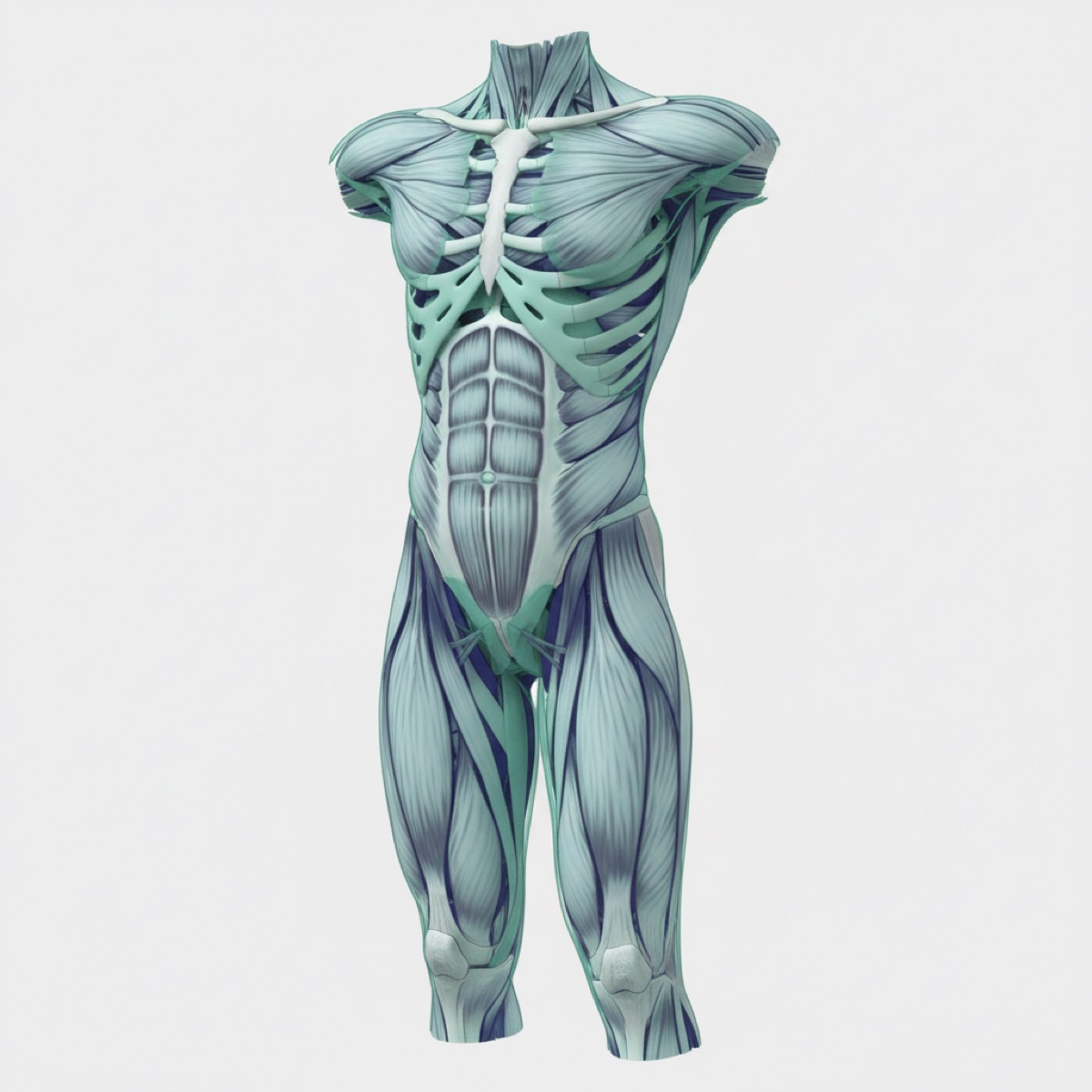
How fascia release works
Fascia release focuses on reducing tension and improving mobility by manipulating the fascial tissue. Techniques often involve applying pressure to specific points to alleviate tightness and improve blood flow. This can lead to a decrease in pain and an increase in range of motion [3].
In the context of low back pain, targeting the fascia in the hands, particularly around the thumb, can have a significant impact. By releasing tension in these areas, you may notice a reduction in pain not only in the hands but also in the shoulders and lower back. This approach emphasizes the holistic nature of the body, where local interventions can have widespread effects [4].
What to expect from fascia release therapy
During a fascia release session, a therapist will assess areas of tension and use their hands to apply pressure to the fascia. This can sometimes be uncomfortable, but it should not be painful. The goal is to gradually release tension and improve movement [5].
Patients often report feeling immediate relief in terms of reduced pain and increased mobility. However, it is important to have realistic expectations, as results can vary and multiple sessions may be necessary for sustained improvement. Additionally, incorporating self-care practices like hydration and anti-inflammatory nutrition can enhance the benefits of fascia release [6].
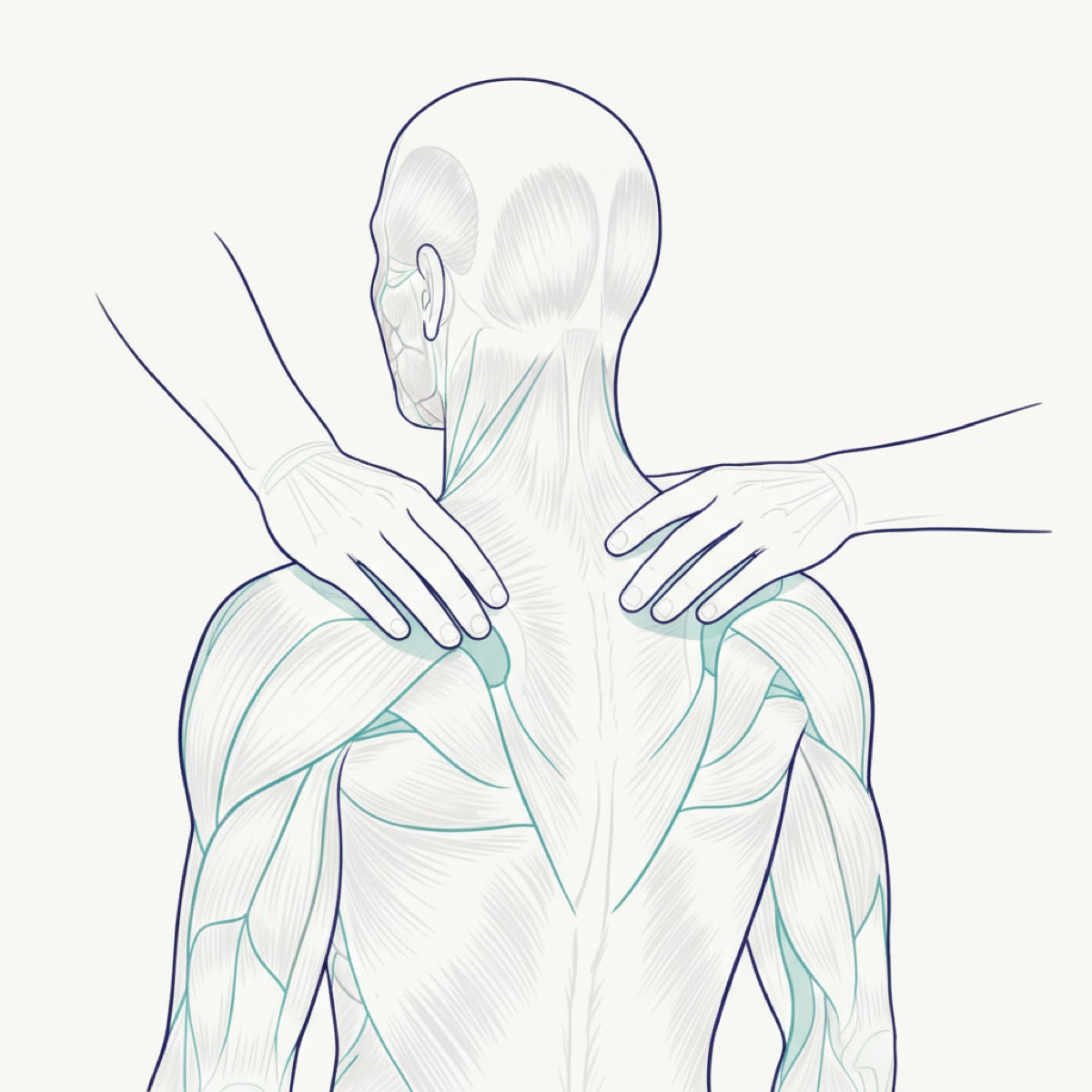
Benefits of targeting hand muscles for back pain
Targeting the muscles of the hand, particularly the thumb, can provide unexpected relief for back pain. This is due to the fascial connections between the hands and the rest of the body. By releasing tension in the thumb's opposition muscles, patients have reported a decrease in shoulder and back pain [2].
This approach is especially beneficial for individuals who spend a lot of time on devices or performing repetitive tasks that strain the hands. By addressing these often-overlooked areas, you can improve overall mobility and reduce the risk of misdiagnoses like spinal canal stenosis. It highlights the importance of considering the body as an interconnected system when addressing pain.
Frequently asked questions
Is fascia release safe? — Fascia release is generally considered safe when performed by a trained professional. It is important to communicate with your therapist about any discomfort during the session.
Can fascia release help with other types of pain? — Yes, fascia release can be beneficial for various types of pain beyond the lower back, including neck, shoulder, and even headaches, due to its focus on the body's interconnected systems.
How often should I have fascia release therapy? — The frequency of sessions depends on individual needs and the severity of your condition. Some may benefit from weekly sessions, while others may only need occasional treatments.
References
- [1]Salehi B, Venditti A, Sharifi-Rad M, et al. The therapeutic potential of apigenin. Int J Mol Sci. 2019;20(6):1305.
- [2]Field R, Pourkazemi F, Turton J, Rooney K. Dietary interventions are beneficial for patients with chronic pain: a systematic review with meta-analysis. Pain Med. 2021;22(3):694–714.
- [3]Taljanovic MS, Gimber LH, Becker GW, et al. Shear-wave elastography: basic physics and musculoskeletal applications. RadioGraphics. 2017;37(3):855–870.
- [4]Langevin HM. Connective tissue: a body-wide signaling network? Med Hypotheses. 2006;66(6):1074–1077.
- [5]Schleip R. Fascial plasticity — a new neurobiological explanation. J Bodyw Mov Ther. 2003;7(1):11–19.
- [6]Wilke J, Krause F, Vogt L, Banzer W. What Is Evidence-Based About Myofascial Chains? A Systematic Review. Arch Phys Med Rehabil. 2016;97(3):454–461.
Related videos

Palpation X-Ray #84 | Is the Sacrum Really a Flat Plate? It's a Wedge, Wide at the Top and Narrowing Downward — Trace Down from the Lumbar Spine and Confirm at Gluteus Maximus
0:56
Dramatic Improvement in One Session: Manual Approach to the Pelvic Girdle, with Palpation of Anatomical Landmarks and Movement Assessment Before and After (Hands-On Demo)
5:48