How This Spiral Line Release Can Instantly Relieve Neck, Shoulder, and Lower Back Pain
Original title (JP): なぜ、このスパイラルラインリリースは首肩腰の痛みを一撃で治すことができるのか?

Supervised by
Shogo Fujii
Physiotherapist (PT) · Founder of the SHOGO FUJII® FASCIA METHOD
View profile →Clinical Article · 5 min read
Fascia release for low back pain is gaining attention for its potential to relieve discomfort in the neck, shoulders, and lower back. Shogo Fujii demonstrates a spiral line technique that targets the body's fascia network, offering a non-invasive approach to pain management. Understanding how this method works can empower clinicians and informed patients to explore new avenues of relief.
How does fascia release for low back pain work?
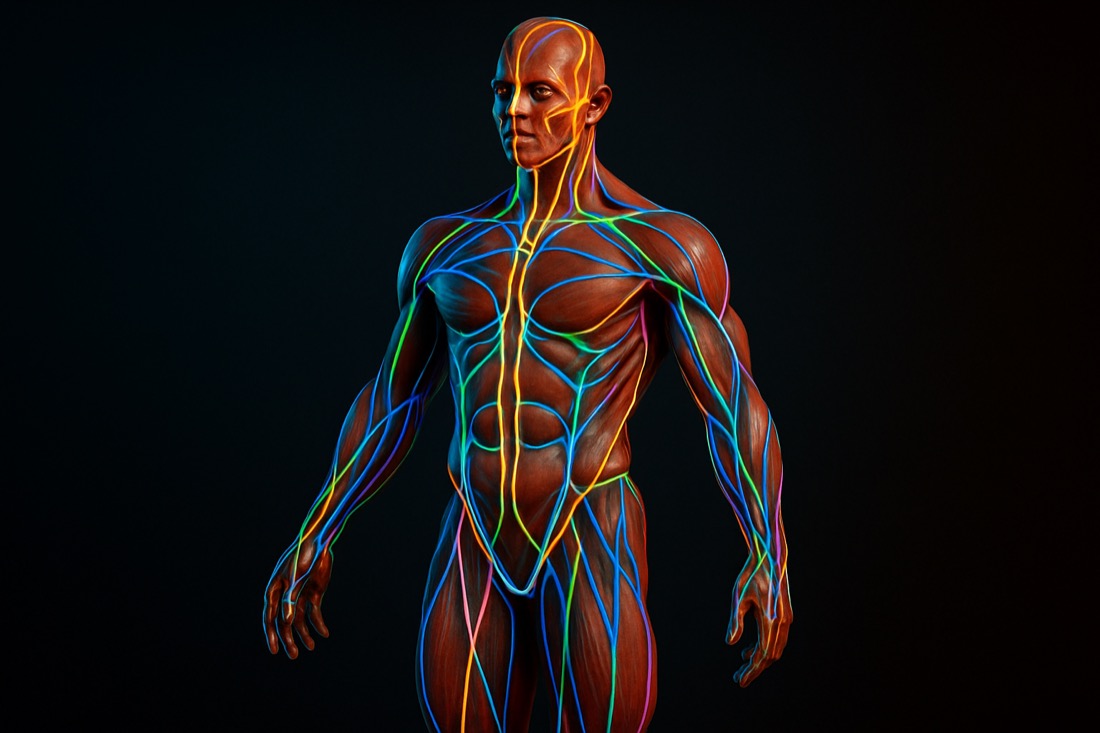
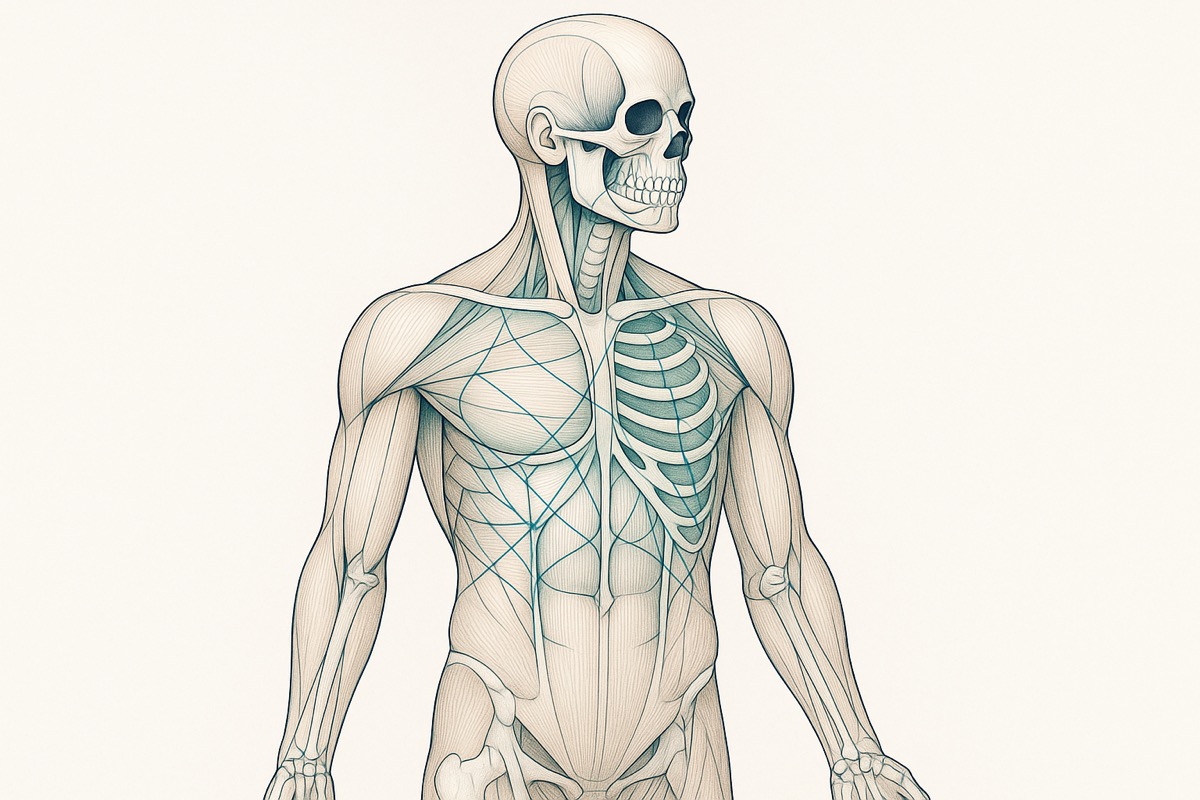
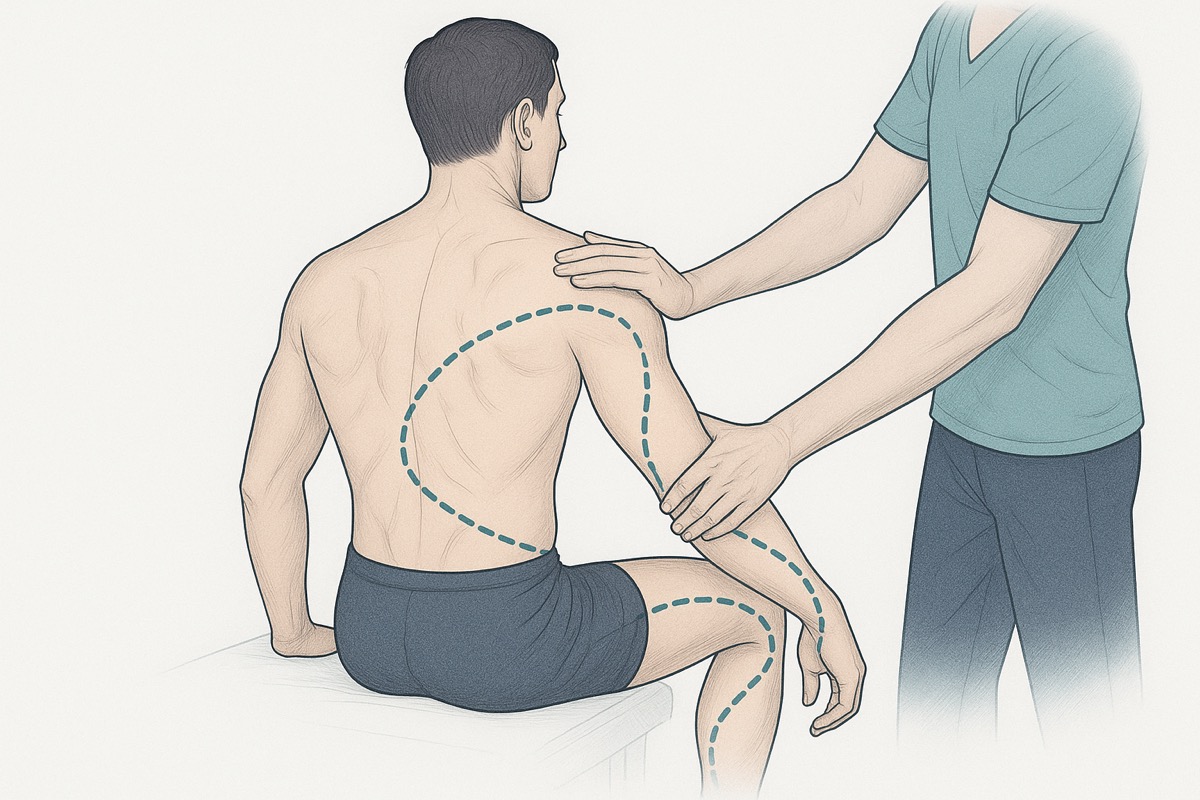
Fascia release for low back pain involves targeting the spiral line, a fascia network running diagonally across the body. By twisting the body in specific ways, tension along this line can be reduced, which may alleviate pain not only in the lower back but also in the neck and shoulders.
The technique focuses on the interconnectedness of muscles and fascia, including the oblique muscles and iliotibial band. This approach can result in noticeable changes in posture and mobility, as the fascia's tension influences the spine and overall alignment.
Why might your neck, shoulders, and back hurt?
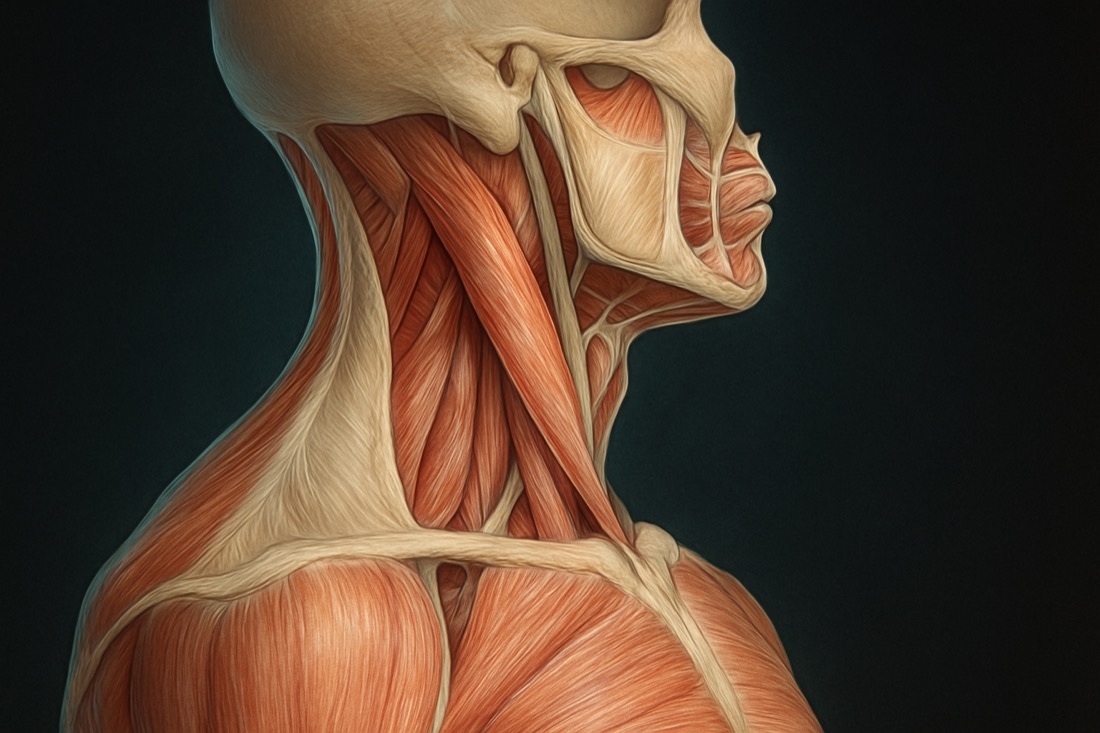
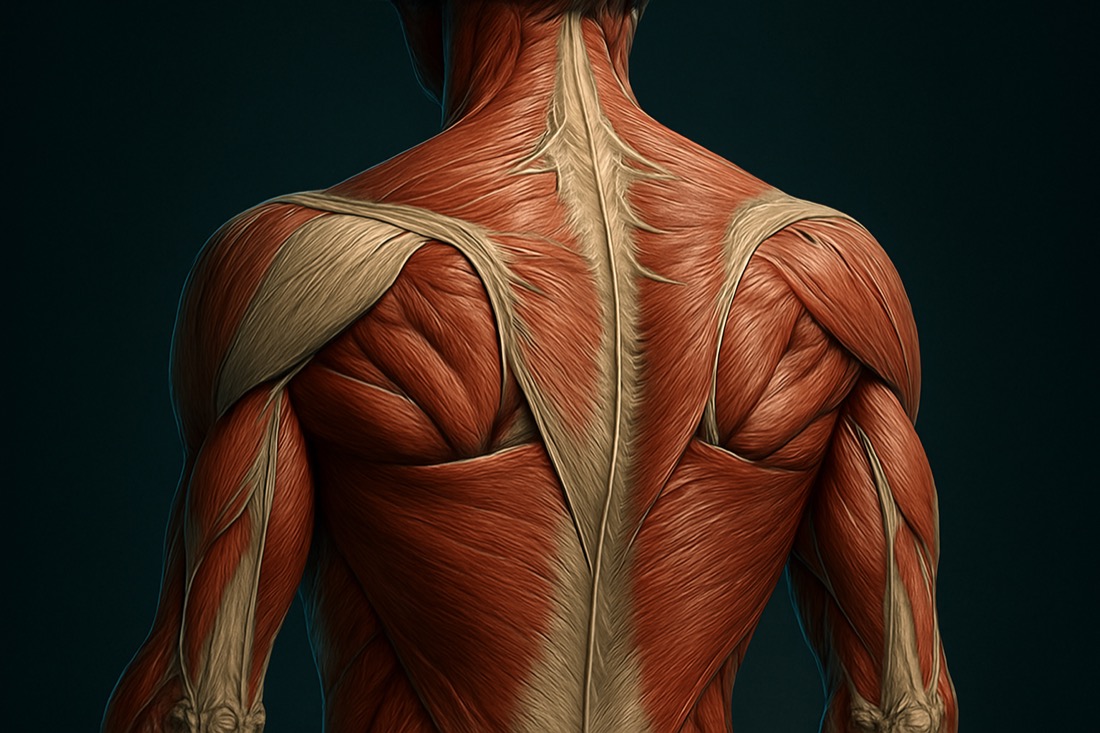
Chronic pain in the neck, shoulders, and lower back can often be linked to fascia tension. This connective tissue can become tight due to poor posture, repetitive movements, or stress. When fascia is constricted, it can pull on muscles and joints, leading to discomfort and limited range of motion.
Understanding the role of fascia in pain can help in identifying effective treatments. By addressing the fascia directly, therapies like spiral line release aim to restore balance and relieve tension-induced pain.
What to expect from a spiral line release session
During a spiral line release session, the practitioner will guide you through specific movements designed to twist and release the fascia. This may involve lying down, bending your knees, and rotating your legs and arms in a controlled manner.
Patients often report a sense of relaxation and increased flexibility post-session. The technique aims to improve the body's alignment and reduce pressure on painful areas, providing relief that can be felt immediately or gradually over several sessions.
Benefits of spiral line fascia release
The spiral line fascia release technique offers several potential benefits. It may improve range of motion, reduce pain, and enhance overall mobility. By focusing on the fascia, the technique addresses the root causes of tension-related discomfort.
Unlike invasive procedures, fascia release is non-invasive and can be a part of a holistic approach to managing chronic pain. It is essential, however, to consult with a qualified practitioner to ensure the technique is applied safely and effectively.
Frequently asked questions
Is fascia release safe? — Fascia release is generally considered safe when performed by trained practitioners. It is important to communicate any discomfort during the session to ensure the technique is applied correctly.
How quickly will I feel relief? — Some individuals may experience immediate relief, while others may notice gradual improvements over multiple sessions. The response can vary based on the individual's condition and the severity of fascia tension.
Can fascia release replace traditional treatments? — While fascia release can be a valuable addition to pain management strategies, it should not replace traditional medical treatments. It is best used as part of a comprehensive approach to health and wellness.
References
- [1]Langevin HM. Connective tissue: a body-wide signaling network? Med Hypotheses. 2006;66(6):1074–1077.
- [2]Schleip R. Fascial plasticity — a new neurobiological explanation. J Bodyw Mov Ther. 2003;7(1):11–19.
- [3]Wilke J, Krause F, Vogt L, Banzer W. What Is Evidence-Based About Myofascial Chains? A Systematic Review. Arch Phys Med Rehabil. 2016;97(3):454–461.
- [4]Krause F, Wilke J, Vogt L, Banzer W. Intermuscular force transmission along myofascial chains: a systematic review. J Anat. 2016;228(6):910–918.
- [5]Stecco C, Stern R, Porzionato A, et al. Hyaluronan within fascia in the etiology of myofascial pain. Surg Radiol Anat. 2011;33(10):891–896.
- [6]Ajimsha MS, Al-Mudahka NR, Al-Madzhar JA. Effectiveness of myofascial release: a systematic review of randomized controlled trials. J Bodyw Mov Ther. 2015;19(1):102–112.