Squats for Complete Relief from Lower Back Pain
Original title (JP): 藤井翔悟がやっているスクワット↓腰痛完治

Supervised by
Shogo Fujii
Physiotherapist (PT) · Founder of the SHOGO FUJII® FASCIA METHOD
View profile →Clinical Article · 5 min read
Are you struggling with lower back pain and searching for effective relief methods? Incorporating squats into your routine may be the solution. Squats strengthen key muscle groups, which can alleviate discomfort and improve overall function. Learn how proper squat techniques contribute to fascia health and lower back pain relief.
How do squats help with lower back pain?
Squats are a foundational exercise that target the quadriceps and calf muscles, both crucial for maintaining lower body strength. As we age, these muscles can weaken if not regularly exercised, leading to increased fatigue and reduced cardiovascular endurance[1]. Strengthening these muscles through squats can help support your lower back and prevent pain.
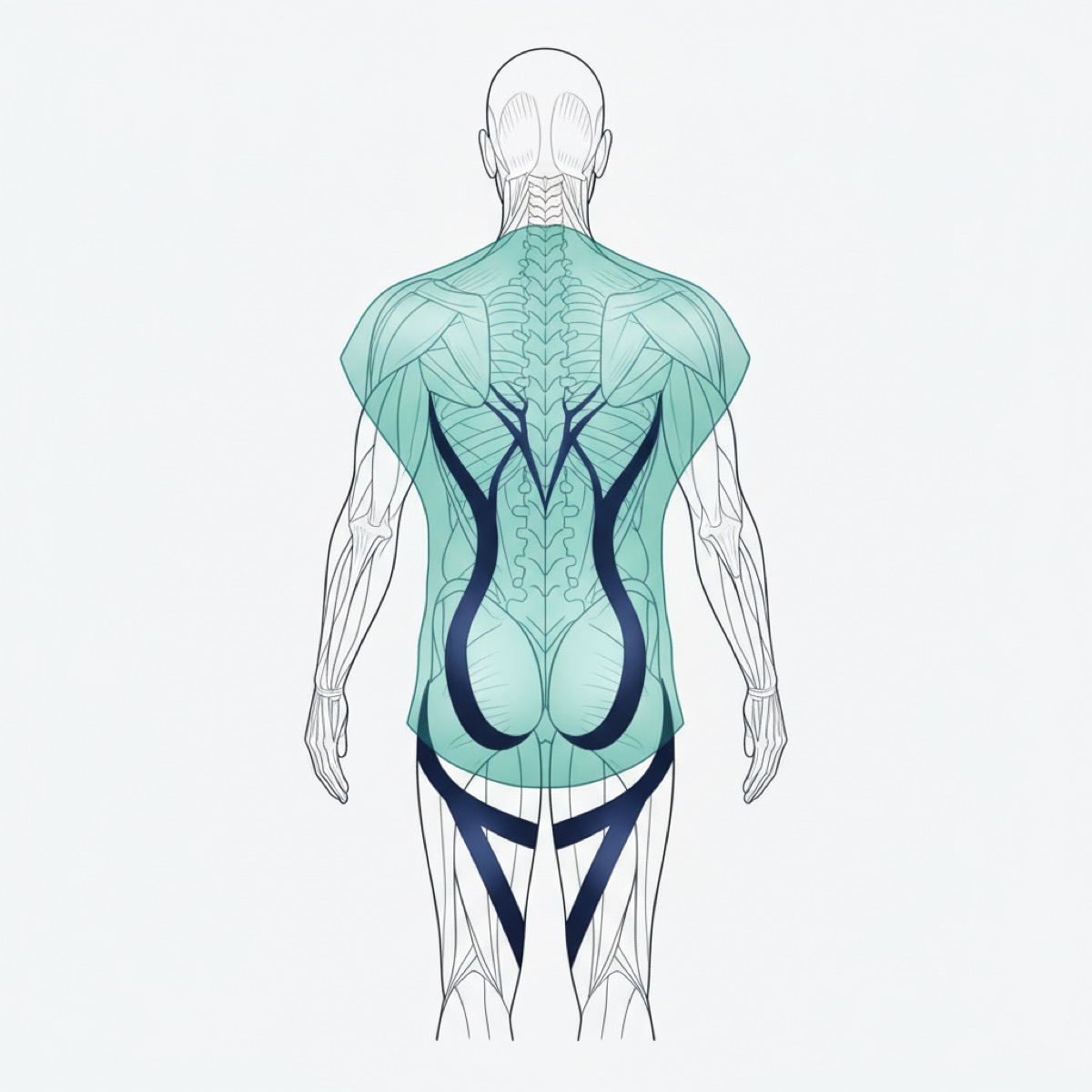
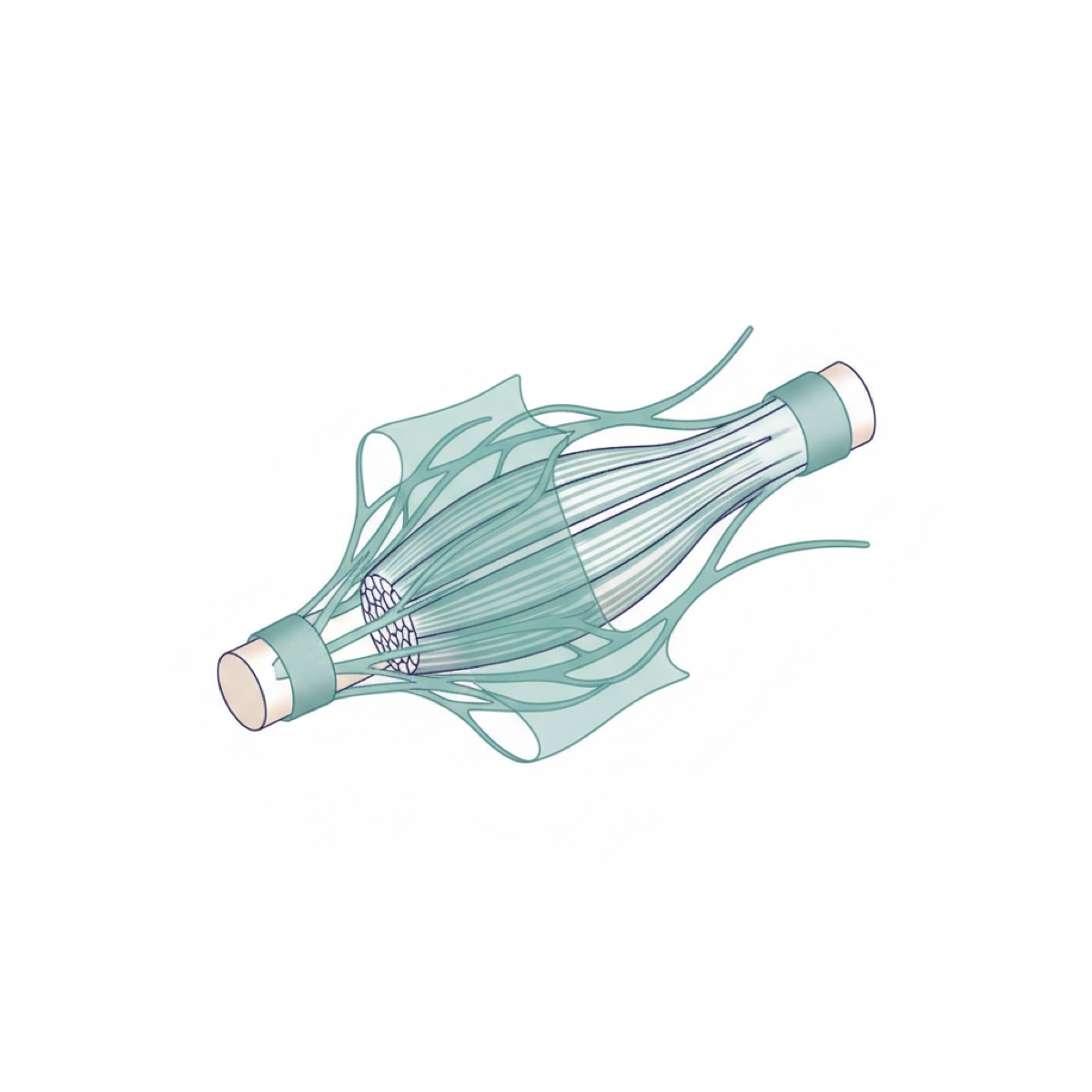
Proper squat form is essential to avoid injury. Incorrect technique can place undue stress on the knees, potentially causing harm. Ensuring the right form not only protects your joints but also maximizes the benefit to your fascia, the connective tissue that supports and stabilizes muscles[2].
What is the correct way to perform a squat?
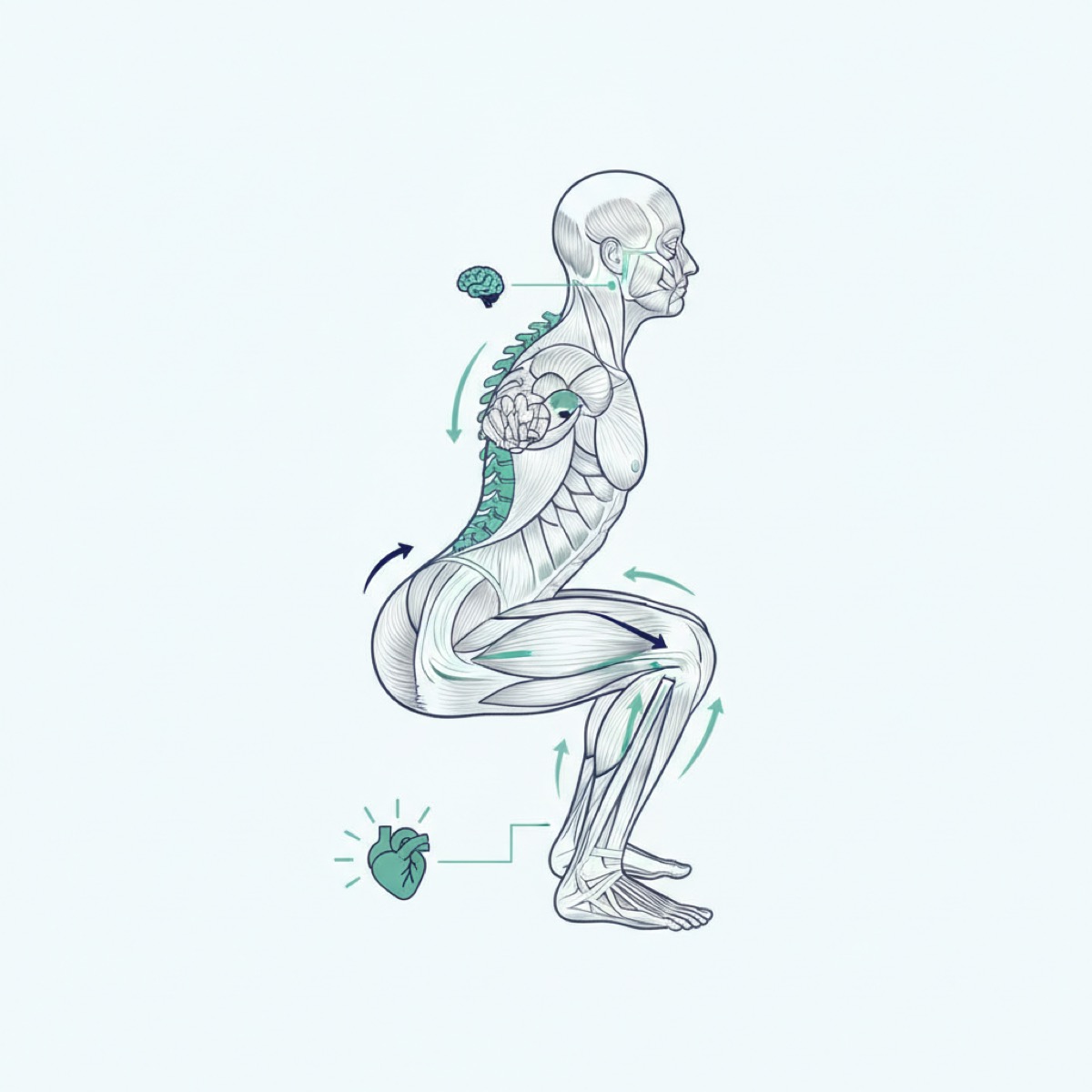
To perform a squat correctly, start with your feet shoulder-width apart and toes slightly pointed out. Keep your chest up and your back straight. As you lower your body, push your hips back and bend your knees, ensuring they do not extend past your toes. Lower yourself until your thighs are parallel to the ground, then push back up to the starting position.
In a demonstration, Shogo Fujii emphasizes the importance of controlled movements. He suggests using a light weight, such as a 50kg object, to practice maintaining balance and technique. This helps in engaging the right muscle groups and preventing strain on the knees[3].
Why is muscle strength important for fascia health?
Muscle strength plays a vital role in supporting fascia health. Strong muscles help maintain the tension and structure of fascia, reducing the risk of injury and pain[4]. As muscles deteriorate with age, the fascia also weakens, leading to potential back pain and decreased physical performance.
Regular strength training, such as squats, ensures that your muscles remain robust, which in turn keeps the fascia resilient. This interconnected relationship highlights why maintaining muscle health is crucial for overall well-being and pain prevention.
What are the benefits of squats beyond pain relief?
Beyond alleviating lower back pain, squats offer a range of benefits. They improve cardiovascular health by enhancing circulation and increasing heart rate during the exercise. Additionally, squats contribute to better balance and coordination, which are essential for daily activities and preventing falls in older adults[5].
Moreover, squats can boost your metabolism. As a compound exercise that engages multiple muscle groups, they increase calorie burn and support weight management. This metabolic boost can enhance energy levels and overall physical performance[6].
Frequently asked questions
Is fascia therapy safe? — Yes, fascia therapy is generally safe when performed by trained professionals. It involves gentle manipulation to relieve tension and improve movement.
Can squats worsen back pain? — Squats performed with improper form can exacerbate back pain. It's crucial to follow correct techniques and consult with a professional if in doubt.
How often should I do squats for best results? — For optimal results, incorporate squats into your routine 2-3 times a week, allowing for rest and recovery between sessions.
References
- [1]Stecco C, Stern R, Porzionato A, et al. Hyaluronan within fascia in the etiology of myofascial pain. Surg Radiol Anat. 2011;33(10):891–896.
- [2]Ajimsha MS, Al-Mudahka NR, Al-Madzhar JA. Effectiveness of myofascial release: a systematic review of randomized controlled trials. J Bodyw Mov Ther. 2015;19(1):102–112.
- [3]Tozzi P, Bongiorno D, Vitturini C. Fascial release effects on patients with non-specific cervical or lumbar pain. J Bodyw Mov Ther. 2011;15(4):405–416.
- [4]Zügel M, Maganaris CN, Wilke J, et al. Fascial tissue research in sports medicine: from molecules to tissue adaptation, injury and diagnostics: consensus statement. Br J Sports Med. 2018;52(23):1497.
- [5]Klingler W, Velders M, Hoppe K, Pedro M, Schleip R. Clinical relevance of fascial tissue and dysfunctions. Curr Pain Headache Rep. 2014;18(8):439.
- [6]Wilke J, Vogt L, Niederer D, Banzer W. Is remote stretching based on myofascial chains as effective as local exercise? A randomised-controlled trial. J Sports Sci. 2017;35(20):2021–2027.