The Magic Technique That Cures Instantly — What Powered Shogo Fujii's Independence at 25
Original title (JP): 1発で治せる、魔法の治療テクニック!藤井翔悟の25歳での独立開業を支えた

Supervised by
Shogo Fujii
Physiotherapist (PT) · Founder of the SHOGO FUJII® FASCIA METHOD
View profile →Clinical Article · 6 min read
For clinicians and informed patients alike, understanding the intricate web of fascia is key to unlocking lasting relief. Many seek effective strategies for low back pain, often finding conventional approaches fall short. This article explores how a responsive approach to fascia release for low back pain, focusing on the body's innate capacity for self-correction, can offer profound benefits far beyond the immediate site of discomfort.
Unlocking Relief: How Fascia Release for Low Back Pain Works
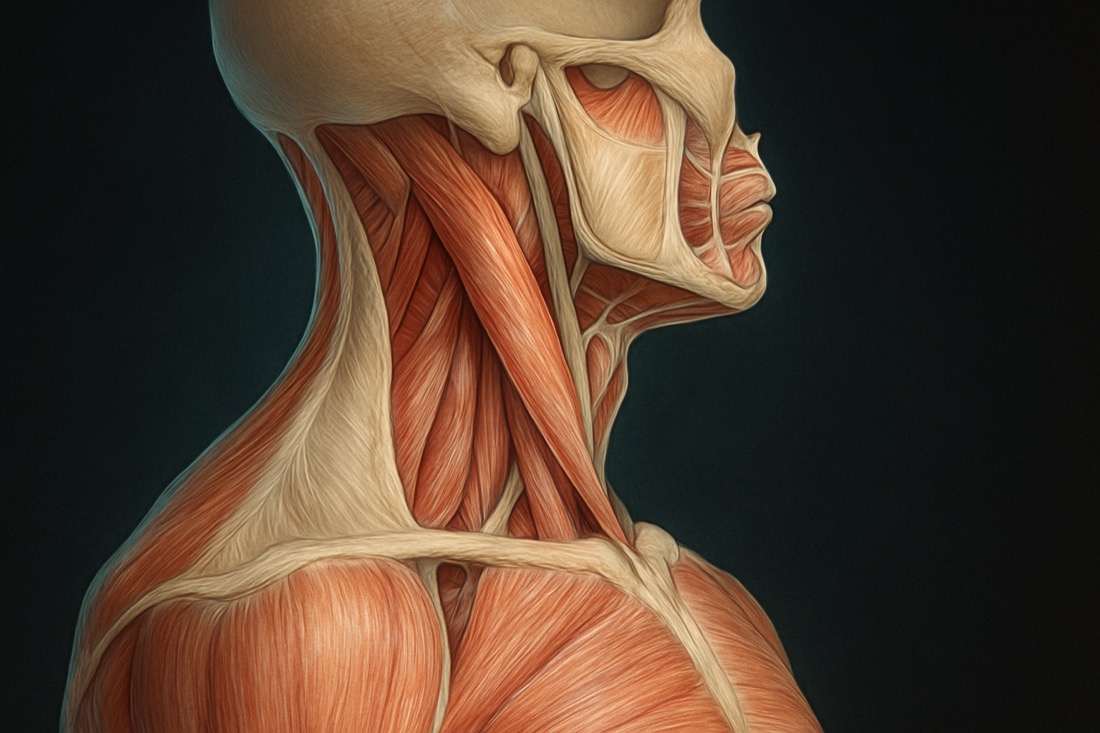
Fascia, the connective tissue that envelops muscles, organs, and bones, plays a pivotal role in body mechanics and pain perception. When fascia becomes restricted or dysfunctional, it can create tension and misalignment, often manifesting as persistent low back pain. However, true healing isn't about forcing the body into a new position, but rather about facilitating its natural tendency to return to a balanced state [1].
This approach to fascia release for low back pain emphasizes eliciting the body's inherent healing response. Instead of merely 'adjusting' structures like the pelvis or spine, the focus shifts to guiding the body to release restrictions and restore its original, optimal connections. This subtle yet powerful interaction allows the body to reorganize itself, leading to more sustainable relief and improved function.
Beyond Manipulation: Eliciting Your Body's Natural Healing Response
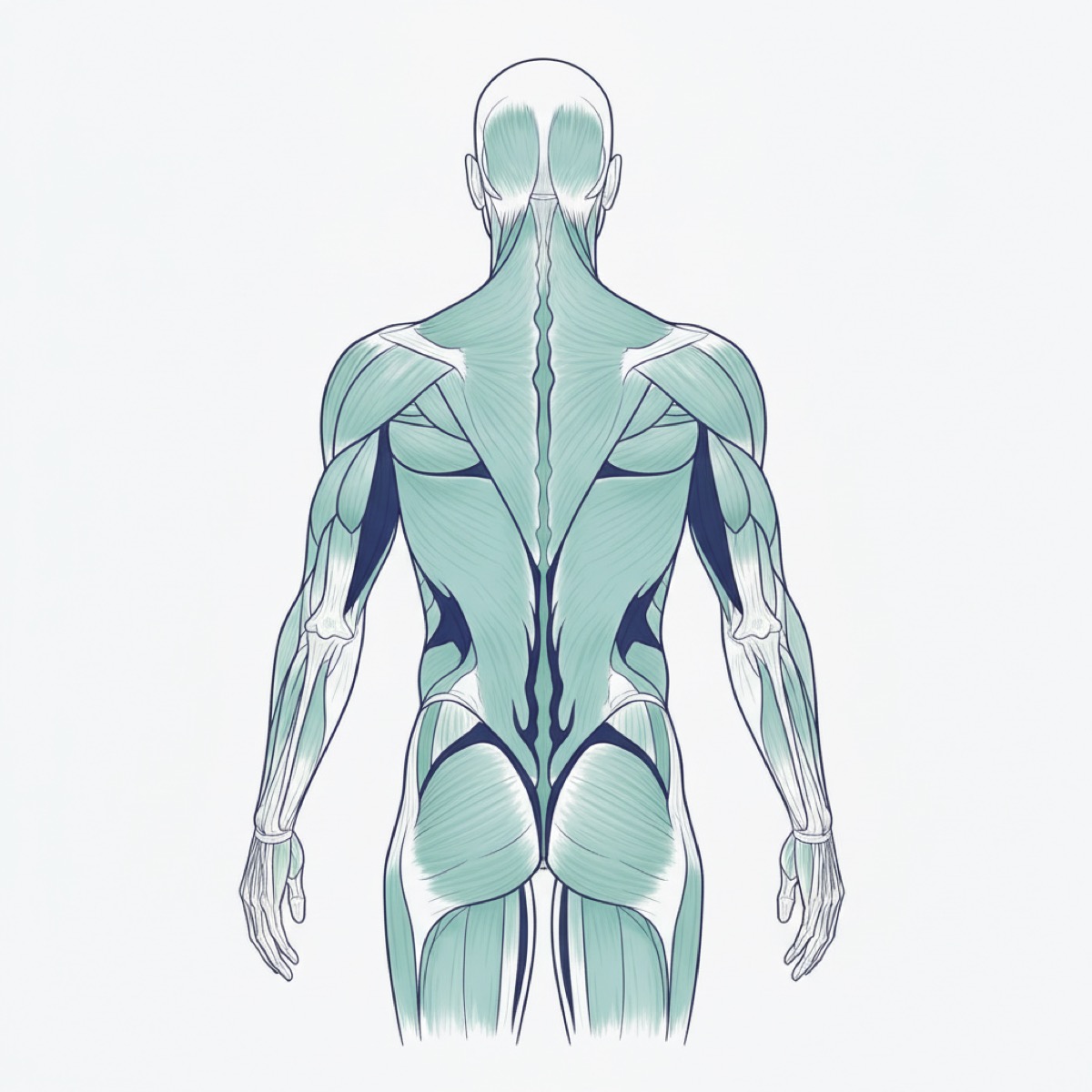
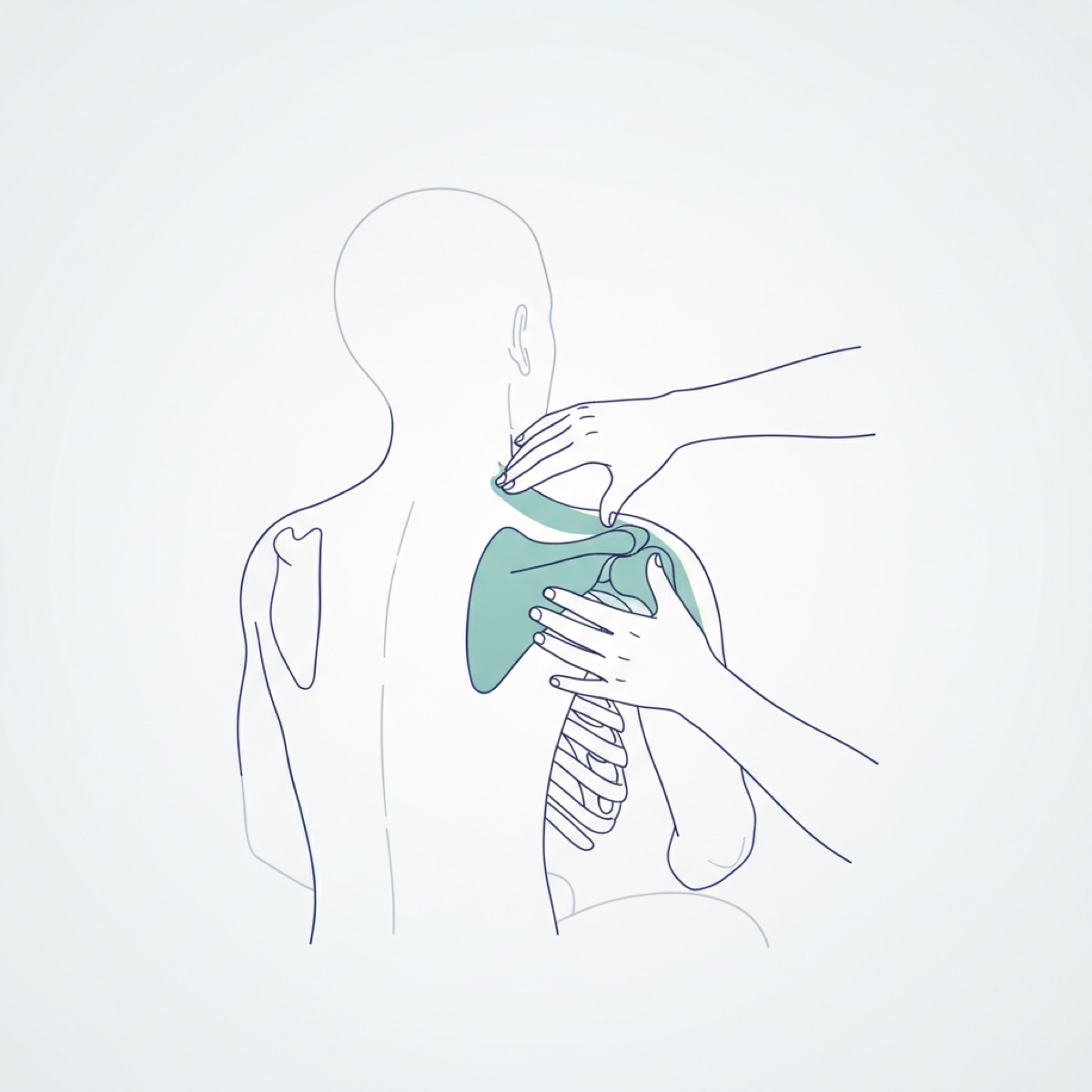
The core of this technique lies in a responsive, gentle touch rather than forceful manipulation. Practitioners aim to create a dialogue with the body, applying a guiding pressure that encourages movement rather than imposing it. The initial contact is often light, allowing the tissue to respond and gradually release deeper restrictions. This process is akin to 'drawing out' the body's desired movement, rather than 'pushing' for change [2].
Key fascial points, particularly around the pelvis, are targeted to initiate this release. Specific areas like the PSIS (Posterior Superior Iliac Spine), vastus lateralis, fibularis (peroneus) muscles, and other deep fascial connections influencing pelvic stability are gently stimulated. The technique involves a precise, guiding touch that encourages indurated (hardened) areas to soften, often accompanied by a light vibration to facilitate deeper release. This method respects the body's protective mechanisms, allowing it to relax and realign naturally.
The Pelvis as a Foundation: How Fascial Balance Impacts Whole-Body Health
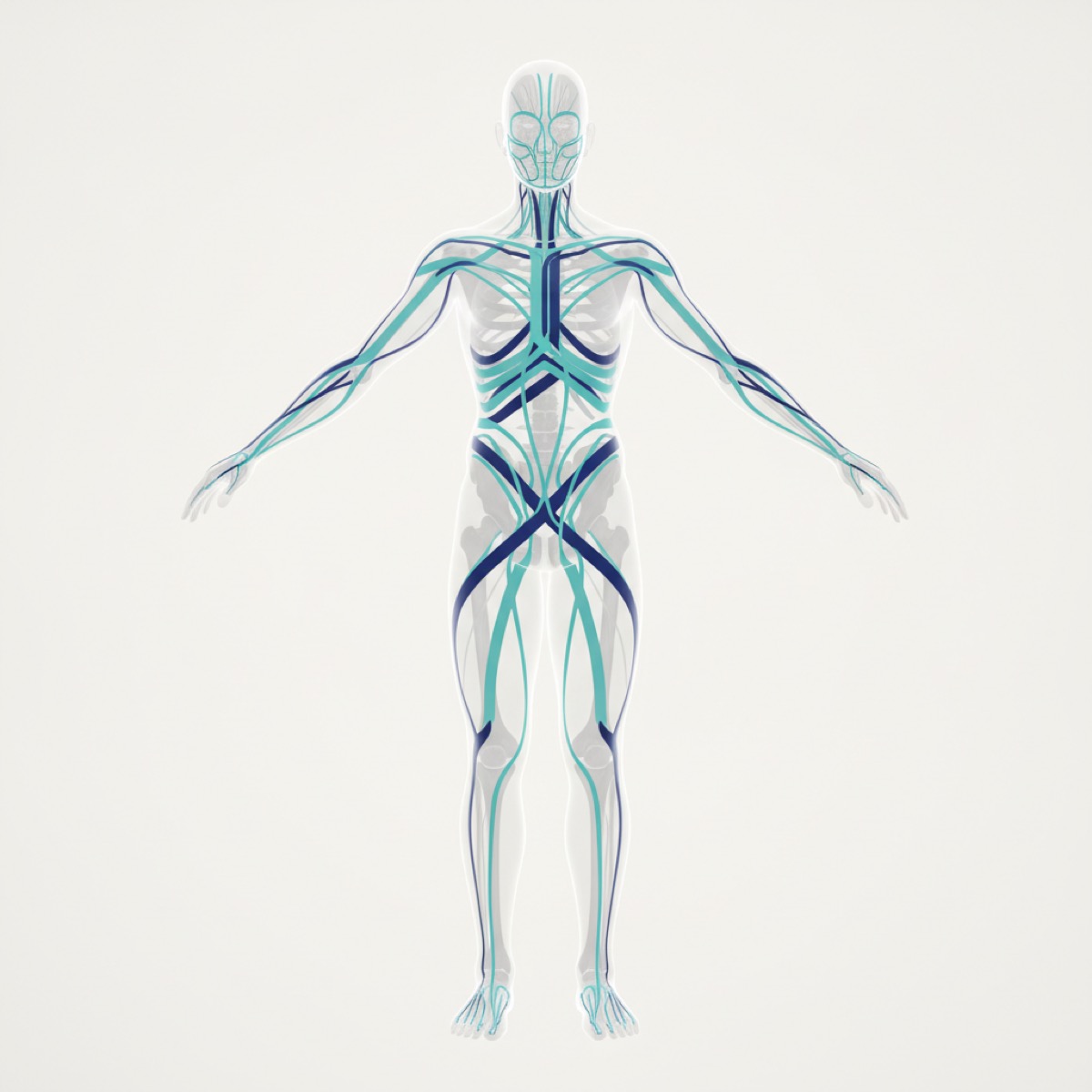
The pelvis serves as the body's foundational base, and its alignment and fascial integrity have far-reaching effects. Imbalances here can propagate tension throughout the entire kinetic chain, leading to a cascade of symptoms seemingly unrelated to the low back. For instance, a subtle pelvic restriction can contribute to chronic headaches by affecting intracranial pressure and cerebrospinal fluid flow [3].
Beyond low back pain, patients often report relief from a wide array of symptoms after targeted pelvic fascia release. This can include improved hip joint mobility, reduced stiffness in the lumbar spine and shoulders, and even alleviation of menstrual pain or coldness in the extremities. The interconnectedness of the fascial system means that addressing the root cause at the pelvis can create systemic changes, optimizing overall body tension and function [4].
Challenging Conventional Wisdom: Why Your Body's Response Matters Most
It's crucial to look beyond traditional diagnostic labels, such as disc herniation, spinal stenosis, or spondylolisthesis, when assessing pain. While imaging provides structural information, it doesn't always correlate directly with a patient's pain experience. Many individuals with significant findings on X-rays or MRIs experience no pain, while others with minimal structural changes suffer greatly [5].
This approach prioritizes the patient's subjective experience and the body's dynamic response to treatment. The practitioner's role is not to 'fix' a static image, but to identify areas where the body responds positively to gentle input, thereby facilitating its return to a pain-free state. By focusing on the body's capacity for improvement, rather than being limited by a diagnosis, a wider range of therapeutic options opens up, often leading to profound relief even in cases deemed 'untreatable' by conventional means [6].
Frequently asked questions
Is fascia release safe? — Yes, this responsive approach to fascia release is generally considered safe for a wide range of individuals. By focusing on gentle, guiding touch that elicits the body's natural response rather than forceful manipulation, it minimizes risk. It's applicable across various conditions, from chronic low back pain to headaches, making it a versatile and patient-centered therapy.
How long do the effects of fascia release last? — The duration of effects can vary, but by addressing key fascial points and ensuring a comprehensive release, the goal is to achieve long-lasting changes. Patient education, including self-care practices and postural guidance, plays a significant role in maintaining the benefits. By empowering patients to understand and support their body's balance, the therapeutic effects can be extended for weeks or even months.
Can fascia release help with conditions like disc herniation or spinal stenosis? — Absolutely. While these conditions are often diagnosed based on imaging, the pain experienced may stem from fascial and muscular imbalances rather than solely the structural changes seen on a scan. By restoring proper fascial tension and pelvic alignment, this therapy can alleviate symptoms associated with herniation, stenosis, and other spinal issues, often providing relief where other treatments have failed.
References
- [1]Mayer EA. Gut feelings: the emerging biology of gut–brain communication. Nat Rev Neurosci. 2011;12(8):453–466.
- [2]Cryan JF, Dinan TG. Mind-altering microorganisms: the impact of the gut microbiota on brain and behaviour. Nat Rev Neurosci. 2012;13(10):701–712.
- [3]Guo R, Chen LH, Xing C, Liu T. Pain regulation by gut microbiota: molecular mechanisms and therapeutic potential. Br J Anaesth. 2019;123(5):637–654.
- [4]Ricciotti E, FitzGerald GA. Prostaglandins and inflammation. Arterioscler Thromb Vasc Biol. 2011;31(5):986–1000.
- [5]Salehi B, Venditti A, Sharifi-Rad M, et al. The therapeutic potential of apigenin. Int J Mol Sci. 2019;20(6):1305.
- [6]Field R, Pourkazemi F, Turton J, Rooney K. Dietary interventions are beneficial for patients with chronic pain: a systematic review with meta-analysis. Pain Med. 2021;22(3):694–714.
Related videos
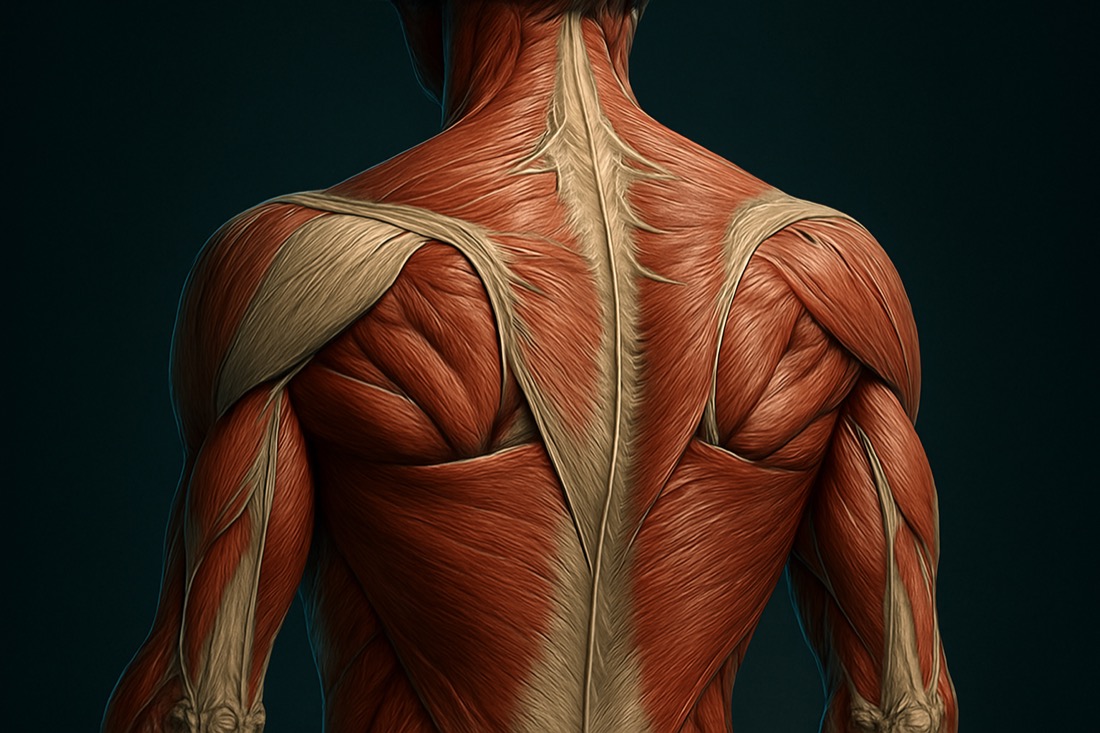
Palpation X-Ray #84 | Is the Sacrum Really a Flat Plate? It's a Wedge, Wide at the Top and Narrowing Downward — Trace Down from the Lumbar Spine and Confirm at Gluteus Maximus
0:56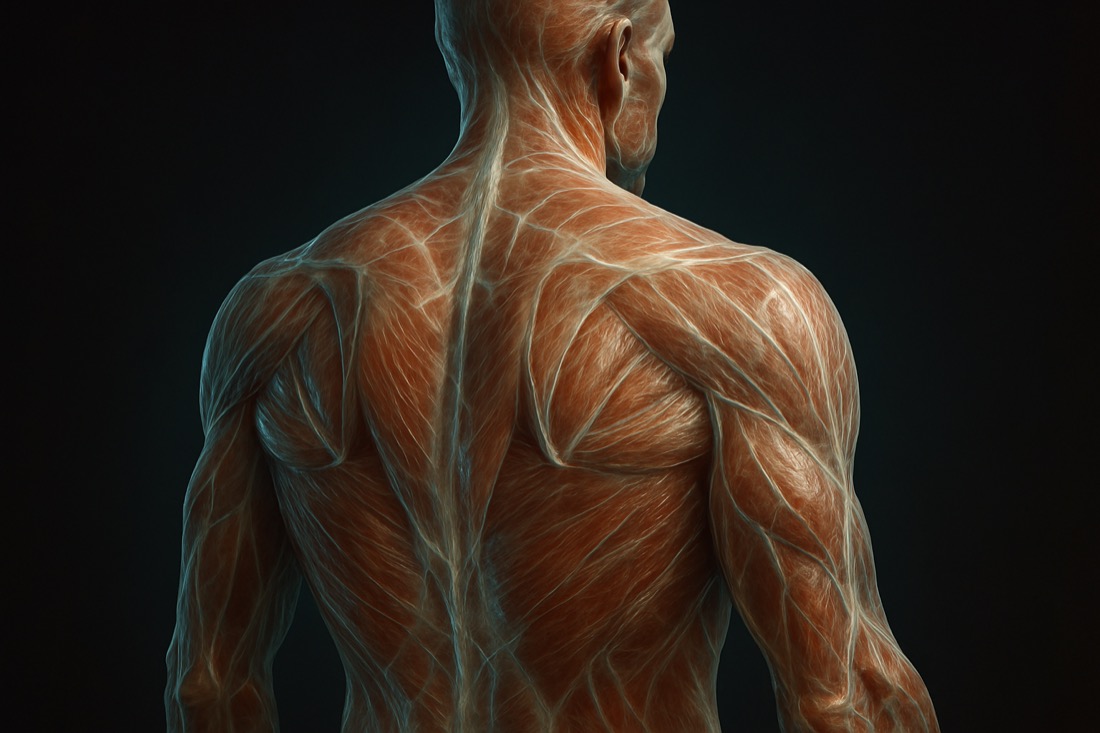
Dramatic Improvement in One Session: Manual Approach to the Pelvic Girdle, with Palpation of Anatomical Landmarks and Movement Assessment Before and After (Hands-On Demo)
5:48