
Relieve Lower Back Pain Instantly with Visceral Fascia Release
Original title (JP): 内臓筋膜リリースで腰痛を一回で治す! #筋膜 #美容 #藤井翔悟

Supervised by
Shogo Fujii
Physiotherapist (PT) · Founder of the SHOGO FUJII® FASCIA METHOD
View profile →Clinical Article · 5 min read
Fascia release for low back pain offers a promising approach to alleviate discomfort and improve mobility. By focusing on the visceral fascia, this technique aims to restore natural function and provide relief without invasive procedures. Learn how this method can benefit your overall well-being.
How does fascia release alleviate low back pain?
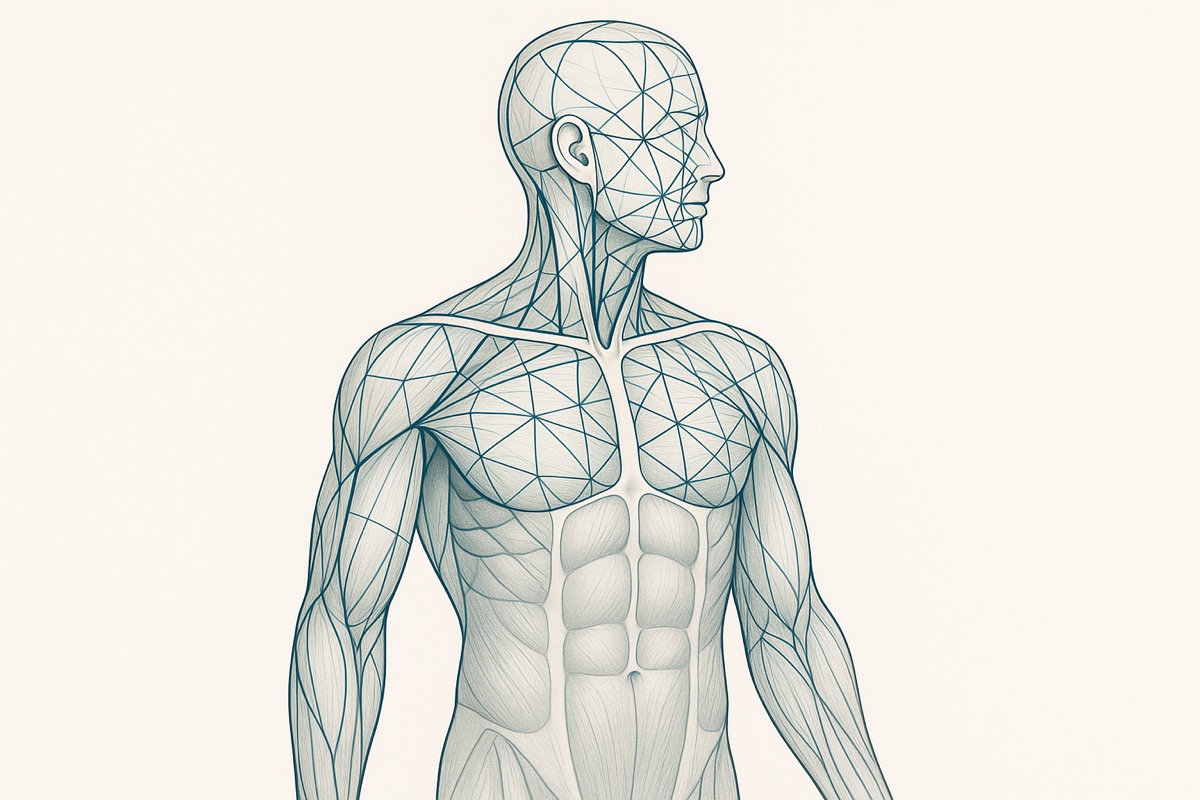
Fascia release targets the connective tissue that encases and separates muscles and organs in the body. In the case of low back pain, visceral fascia release focuses on the fascia surrounding the abdominal organs, which can influence back discomfort. By gently manipulating this tissue, therapists aim to reduce tension and improve organ mobility, potentially easing back pain [1].
When the diaphragm is stiff, it can restrict the movement of abdominal organs, contributing to pain. By releasing this tension, the organs can move more freely, which might help restore basic functions and reduce discomfort in the lower back area [2].
Why does visceral fascia affect back pain?
The visceral fascia is a thin layer of connective tissue that supports and encases the organs within the abdominal cavity. Its role in back pain is linked to how it interacts with both the organs and the musculoskeletal system. Restrictions or adhesions in this fascia can lead to misalignment or tension that radiates to the back [3].
During visceral fascia release, the therapist applies gentle pressure to specific areas, such as around the long bones of the spine. This pressure helps shift the position of organs, like the uterus, which can relieve strain and potentially improve hormonal balance, further impacting the sensation of pain [4].
What to expect during a fascia release session
Patients often report a sensation of warmth in their back during and after a fascia release session, similar to the comfort of a hot pack. This warmth is a sign of increased blood flow and relaxation of the muscles surrounding the area [5].
Aside from warmth, some patients experience a feeling of mental clarity or relaxation, as if their head has been freed from tension. These effects can vary from person to person, but they often indicate a positive response to the treatment [6].

How fascia release supports overall health
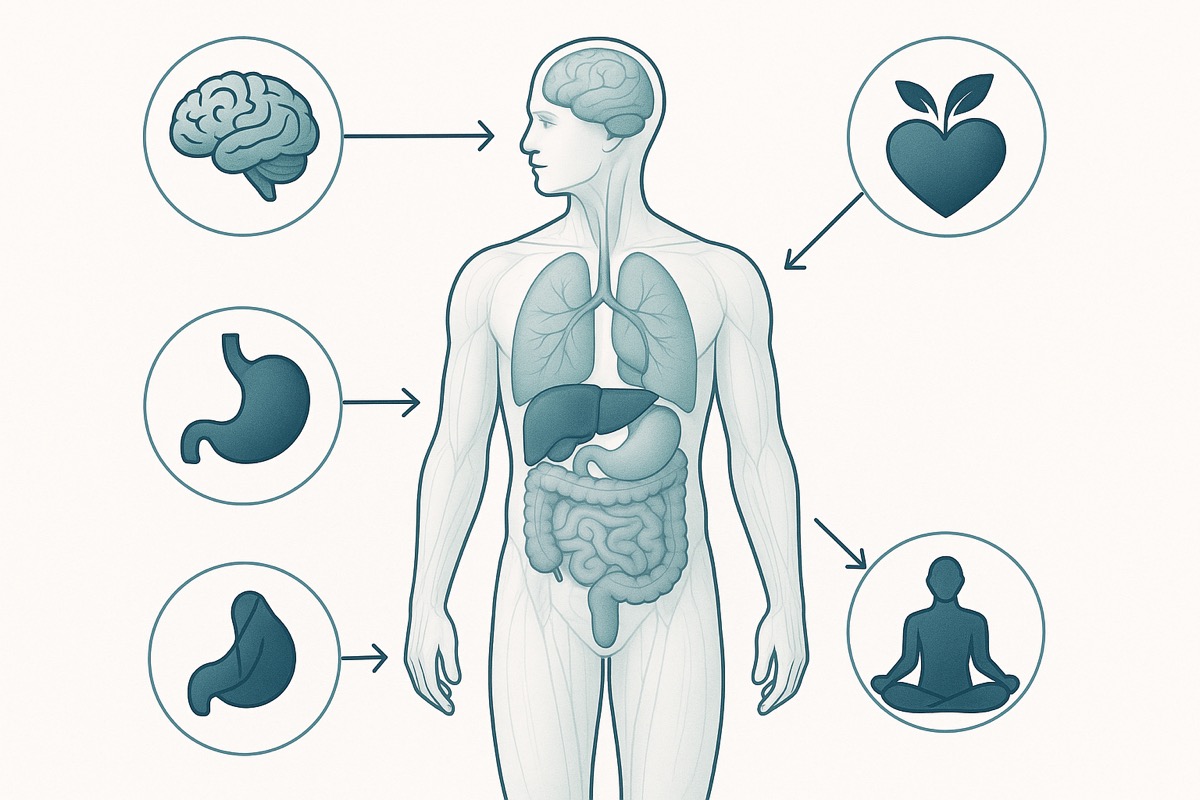
Fascia release is not only beneficial for alleviating back pain but also supports overall health by improving organ function. By releasing tension in the fascia, the organs can operate more efficiently, potentially improving digestion and hormonal balance.
The technique encourages better posture and movement by addressing underlying fascial restrictions. This holistic approach aids in enhancing the body's natural healing processes, contributing to a sense of well-being and vitality.
Frequently asked questions
Is fascia release safe? — Fascia release is generally considered safe when performed by a trained professional. It involves gentle manual techniques and is non-invasive, making it a low-risk option for many patients.
How quickly can I expect results? — While some individuals may feel immediate relief, results can vary. Several sessions might be necessary to achieve significant and lasting benefits, depending on the severity of the fascia restrictions.
Can fascia release improve other conditions? — Yes, fascia release can support the treatment of various conditions by improving circulation and reducing tension throughout the body. It is often used in conjunction with other therapies to enhance overall health.
References
- [1]Schleip R. Fascial plasticity — a new neurobiological explanation. J Bodyw Mov Ther. 2003;7(1):11–19.
- [2]Wilke J, Krause F, Vogt L, Banzer W. What Is Evidence-Based About Myofascial Chains? A Systematic Review. Arch Phys Med Rehabil. 2016;97(3):454–461.
- [3]Krause F, Wilke J, Vogt L, Banzer W. Intermuscular force transmission along myofascial chains: a systematic review. J Anat. 2016;228(6):910–918.
- [4]Stecco C, Stern R, Porzionato A, et al. Hyaluronan within fascia in the etiology of myofascial pain. Surg Radiol Anat. 2011;33(10):891–896.
- [5]Ajimsha MS, Al-Mudahka NR, Al-Madzhar JA. Effectiveness of myofascial release: a systematic review of randomized controlled trials. J Bodyw Mov Ther. 2015;19(1):102–112.
- [6]Tozzi P, Bongiorno D, Vitturini C. Fascial release effects on patients with non-specific cervical or lumbar pain. J Bodyw Mov Ther. 2011;15(4):405–416.