
Treating Chronic Lower Back Pain with Kiwi and Lemon: The Ultimate Health Juice
Original title (JP): キウイとレモンで慢性腰痛を治す!最強の健康ジュース! #医師 #美容 #靭帯断裂 #日本医療 #automobile #治し方 #疼痛治療は評価が9割 #料理 #肋間筋 #病院

Supervised by
Shogo Fujii
Physiotherapist (PT) · Founder of the SHOGO FUJII® FASCIA METHOD
View profile →Clinical Article · 7 min read
While a video titled 'Cure Chronic Lower Back Pain with Kiwi and Lemon!' might spark curiosity, the conversation around managing persistent discomfort often extends to the intricate world of our connective tissues. Understanding **fascia health for chronic low back pain** is crucial, as this web-like structure plays a significant role in posture, movement, and pain perception [1]. This article delves into how maintaining healthy fascia, supported by holistic approaches like nutrition, can offer pathways to relief and improved mobility.
What Role Does Fascia Play in Chronic Low Back Pain?
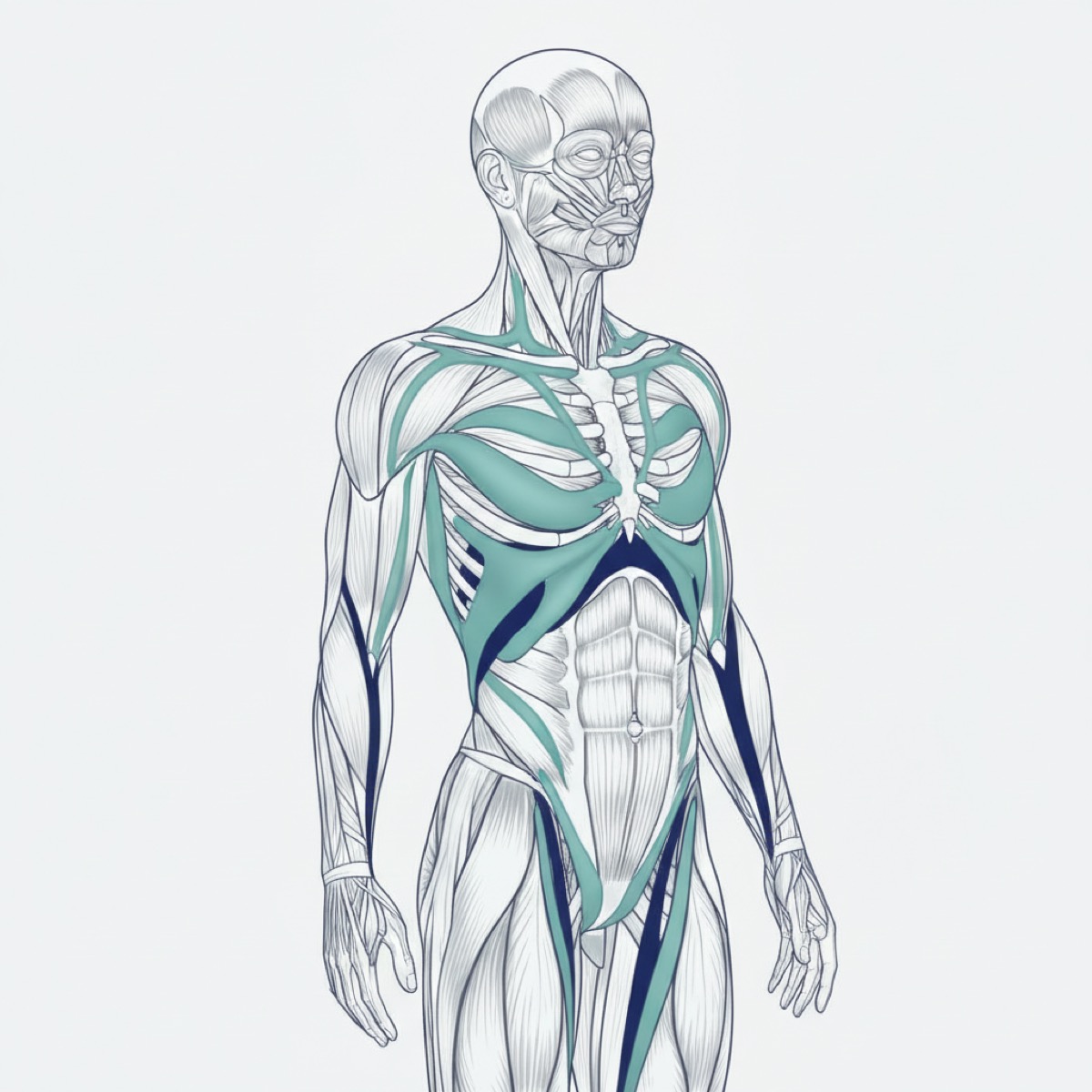
Fascia is a continuous, three-dimensional web of connective tissue that surrounds and interpenetrates every muscle, bone, nerve, artery, and vein, as well as all of our internal organs [2]. In a healthy state, fascia is relaxed and wavy, allowing for fluid movement. However, physical trauma, inflammation, poor posture, or repetitive strain can cause fascia to become tight, restricted, and adhered, leading to significant tension and pressure on pain-sensitive structures like nerves and muscles [3].
When fascia in the lower back, hips, or even distant areas like the hamstrings becomes dysfunctional, it can create a pulling effect throughout the body's interconnected system, contributing directly to or exacerbating chronic low back pain. These restrictions, often referred to as myofascial pain syndrome, don't always show up on standard imaging tests, making them a common yet often overlooked source of persistent discomfort [4].
Can Nutrition Support Fascia Health and Reduce Pain?
While there's no single 'cure' in a fruit, the idea of supporting the body through nutrition, as hinted at by the focus on Vitamin C in the video, holds merit for overall tissue health. Vitamin C is essential for collagen synthesis, a primary component of healthy fascia, and its antioxidant properties help combat inflammation that can stiffen connective tissues [5]. Incorporating nutrient-dense foods, rich in antioxidants and anti-inflammatory compounds, can contribute to a more resilient fascial system.
Beyond specific vitamins, a holistic dietary approach emphasizing hydration, lean proteins, healthy fats, and a wide array of fruits and vegetables (like kiwi and lemon!) can support the body's natural healing processes. Reducing processed foods and excessive sugar can help mitigate systemic inflammation, which is a common factor in chronic pain conditions, including those involving **myofascial pain relief** [6]. This proactive nutritional strategy complements physical therapies aimed at improving connective tissue support.
How Do Fascia Therapy Techniques Address Low Back Pain?
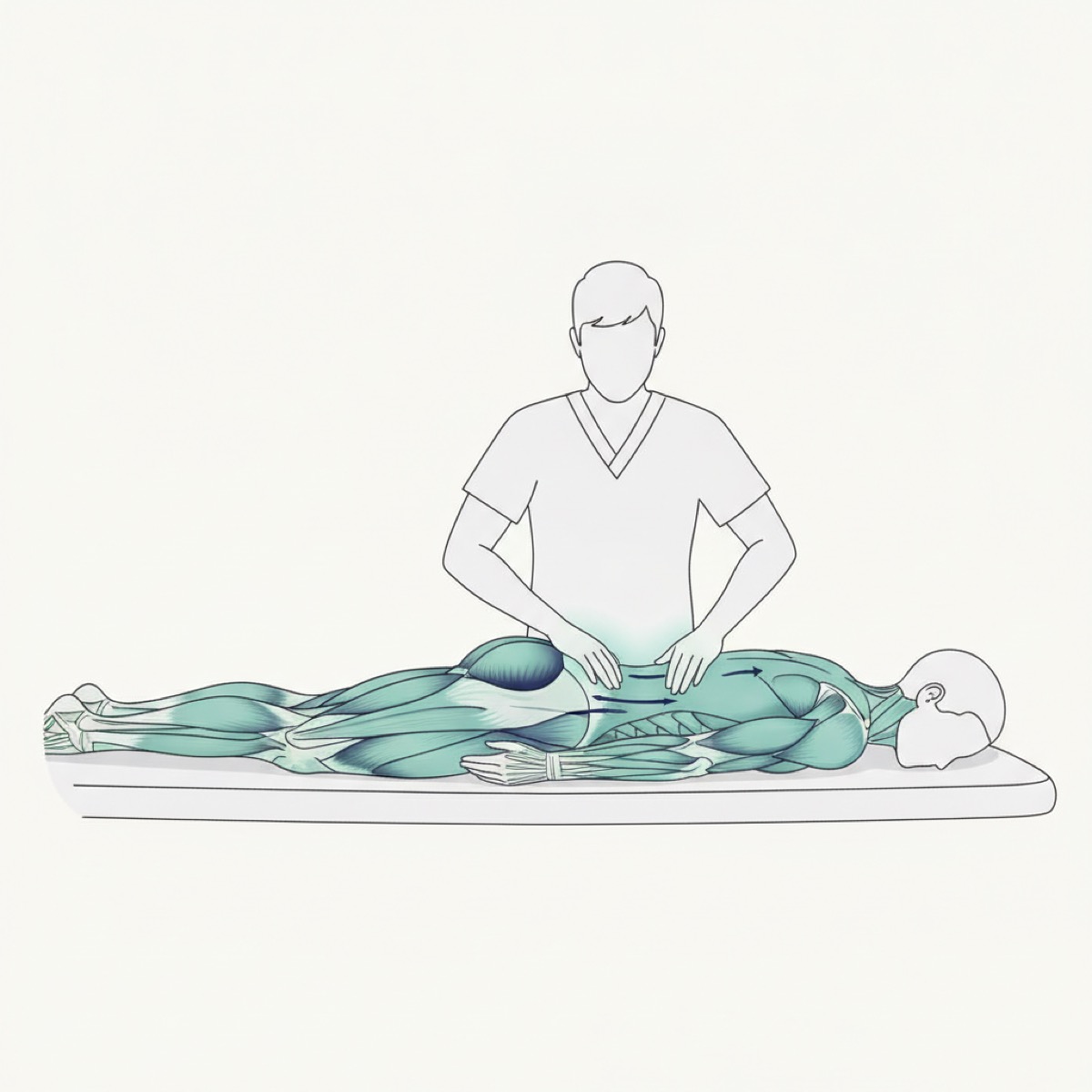
Targeted fascia therapy techniques, often performed by physiotherapists or trained bodyworkers, aim to release these restrictions and restore the tissue's natural elasticity and gliding ability. Myofascial release, for instance, involves applying sustained pressure to fascial restrictions to lengthen and soften the tissues, thereby reducing tension and improving range of motion. This can be particularly effective for areas contributing to low back pain, such as the thoracolumbar fascia or gluteal muscles.
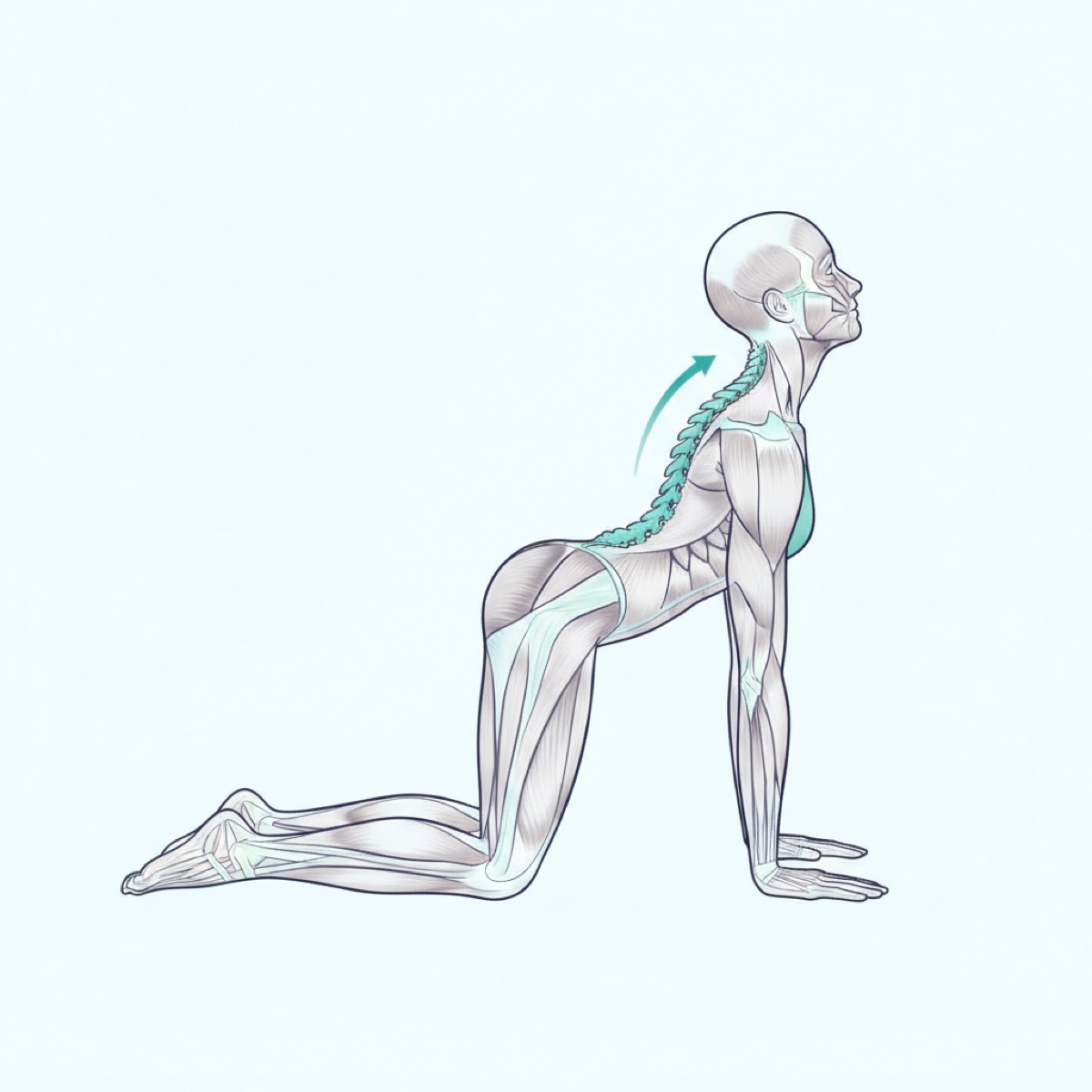
Beyond manual techniques, movement-based therapies like specific stretching, yoga, Pilates, and foam rolling can also play a crucial role in maintaining **connective tissue mobility**. These approaches encourage hydration within the fascial layers and prevent new adhesions from forming, empowering individuals to actively manage their pain and improve their functional movement patterns over time.
Integrating Holistic Strategies for Lasting Relief
Effective management of chronic low back pain, especially when linked to fascia dysfunction, often requires a multi-faceted approach. Combining professional fascia therapy with consistent self-care practices offers the best chance for lasting relief. This includes regular, gentle movement, maintaining proper hydration, and adopting an anti-inflammatory diet as discussed. The goal is not just to treat symptoms but to foster an environment where your body's tissues can heal and function optimally.
Furthermore, addressing lifestyle factors such as stress management and adequate sleep is vital. Chronic stress can increase muscle tension and inflammation, negatively impacting fascia health. By integrating these various components – from targeted therapies to supportive nutrition and mindful living – individuals can achieve comprehensive **holistic back pain management**, leading to significant improvements in comfort and quality of life.
Frequently asked questions
**Is fascia therapy suitable for all types of low back pain?** — Fascia therapy can be highly beneficial for many types of low back pain, particularly those stemming from muscle imbalances, postural issues, or specific myofascial restrictions. However, it's crucial to consult with a healthcare professional to determine the underlying cause of your pain and ensure fascia therapy is appropriate for your specific condition, especially if there are structural issues or nerve impingements.
**How long does it take to see results from improving fascia health?** — The timeline for seeing results can vary widely depending on the individual, the chronicity of their pain, and their commitment to treatment. Some people may experience immediate relief after a session, while others might require several weeks or months of consistent therapy and self-care practices to notice significant improvements in their **fascia health for chronic low back pain** and overall mobility.
**Can dietary changes alone cure chronic low back pain?** — While dietary changes, particularly those focusing on anti-inflammatory and nutrient-rich foods, can significantly support overall health, reduce inflammation, and improve tissue resilience, they are rarely a standalone 'cure' for chronic low back pain. They are best viewed as a crucial complementary strategy when combined with appropriate physical therapies, movement, and other holistic approaches to address the complex nature of persistent back pain.
References
- [1]Wilke J, Krause F, Vogt L, Banzer W. What Is Evidence-Based About Myofascial Chains? A Systematic Review. Arch Phys Med Rehabil. 2016;97(3):454–461.
- [2]Krause F, Wilke J, Vogt L, Banzer W. Intermuscular force transmission along myofascial chains: a systematic review. J Anat. 2016;228(6):910–918.
- [3]Stecco C, Stern R, Porzionato A, et al. Hyaluronan within fascia in the etiology of myofascial pain. Surg Radiol Anat. 2011;33(10):891–896.
- [4]Ajimsha MS, Al-Mudahka NR, Al-Madzhar JA. Effectiveness of myofascial release: a systematic review of randomized controlled trials. J Bodyw Mov Ther. 2015;19(1):102–112.
- [5]Tozzi P, Bongiorno D, Vitturini C. Fascial release effects on patients with non-specific cervical or lumbar pain. J Bodyw Mov Ther. 2011;15(4):405–416.
- [6]Zügel M, Maganaris CN, Wilke J, et al. Fascial tissue research in sports medicine: from molecules to tissue adaptation, injury and diagnostics: consensus statement. Br J Sports Med. 2018;52(23):1497.
Related videos

Palpation X-Ray #84 | Is the Sacrum Really a Flat Plate? It's a Wedge, Wide at the Top and Narrowing Downward — Trace Down from the Lumbar Spine and Confirm at Gluteus Maximus
0:56
Dramatic Improvement in One Session: Manual Approach to the Pelvic Girdle, with Palpation of Anatomical Landmarks and Movement Assessment Before and After (Hands-On Demo)
5:48