Instant Knee Pain Relief with Fascial Release Techniques
Original title (JP): 膝の痛みを一発で治せる筋膜リリース技術、すごいよ。

Supervised by
Shogo Fujii
Physiotherapist (PT) · Founder of the SHOGO FUJII® FASCIA METHOD
View profile →Clinical Article · 5 min read
Fascia release for low back pain is gaining attention as an effective technique for pain management and enhanced mobility. By focusing on the interconnectedness of muscles and fascia, these methods offer a holistic approach to addressing discomfort in the back, knees, and neck. Learn how targeted fascial release can alleviate tension and contribute to overall well-being.
How does fascia release alleviate low back pain?
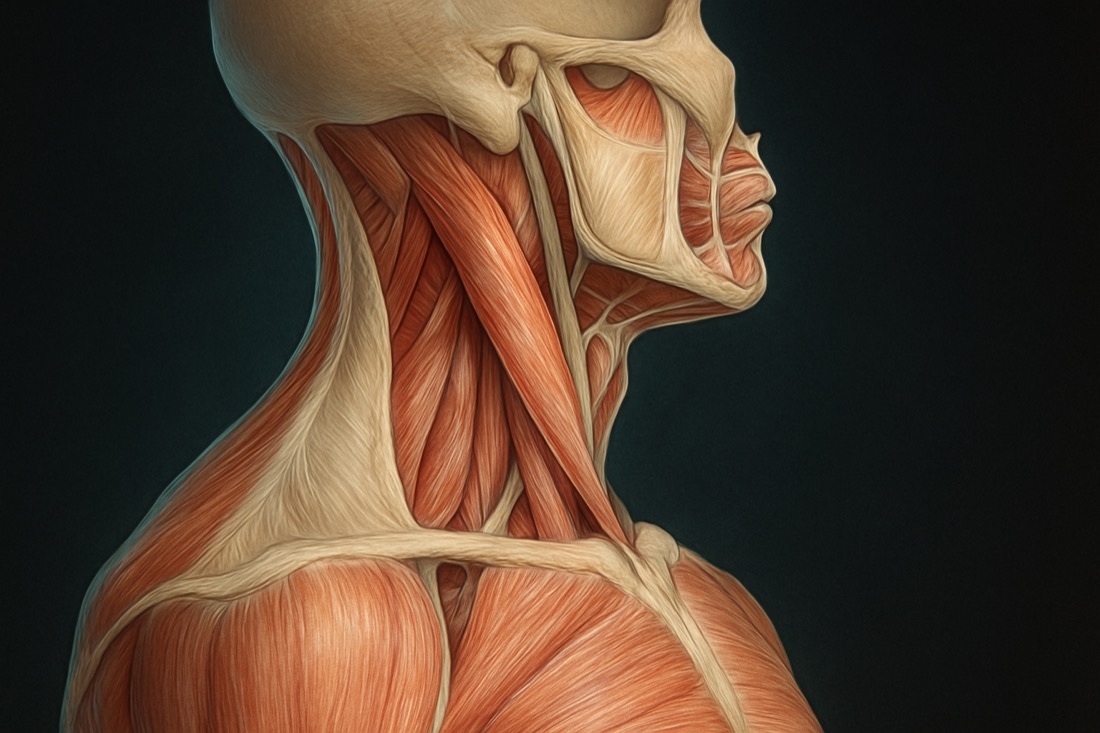
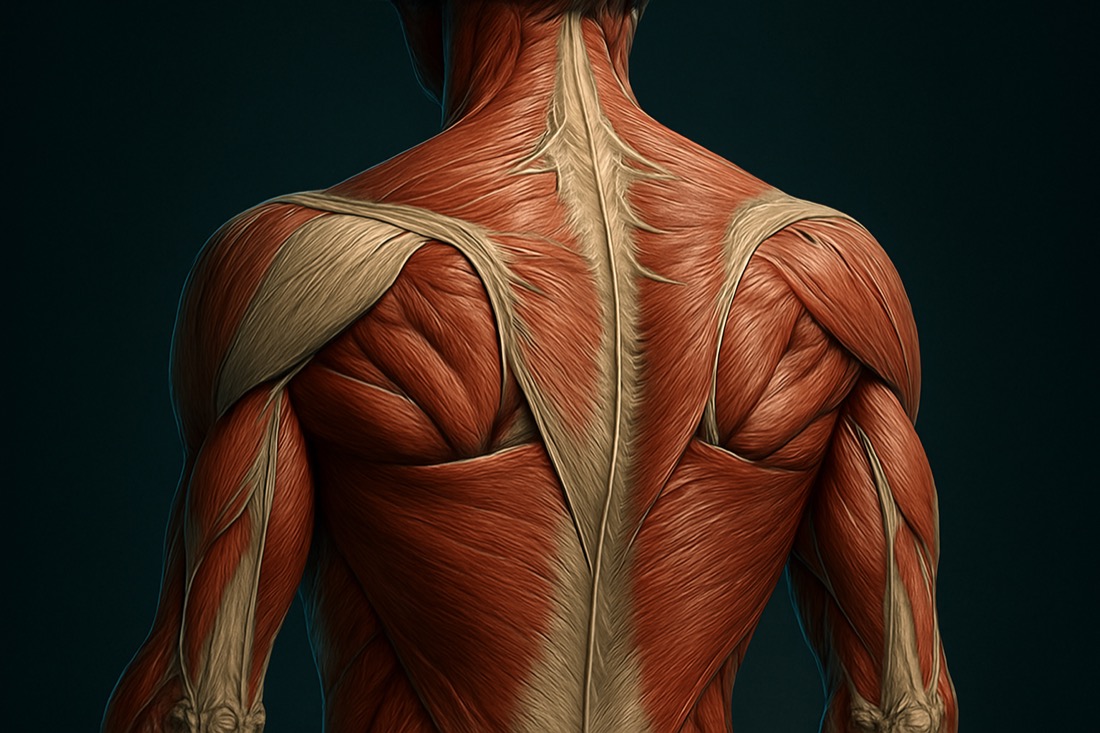
Fascia release targets the connective tissues surrounding muscles, which can become tight and cause pain. Specifically, the hamstring muscles, including the biceps femoris, semitendinosus, and semimembranosus, play a significant role in this process. These muscles not only affect hip movement but are also linked to knee and low back pain [1].
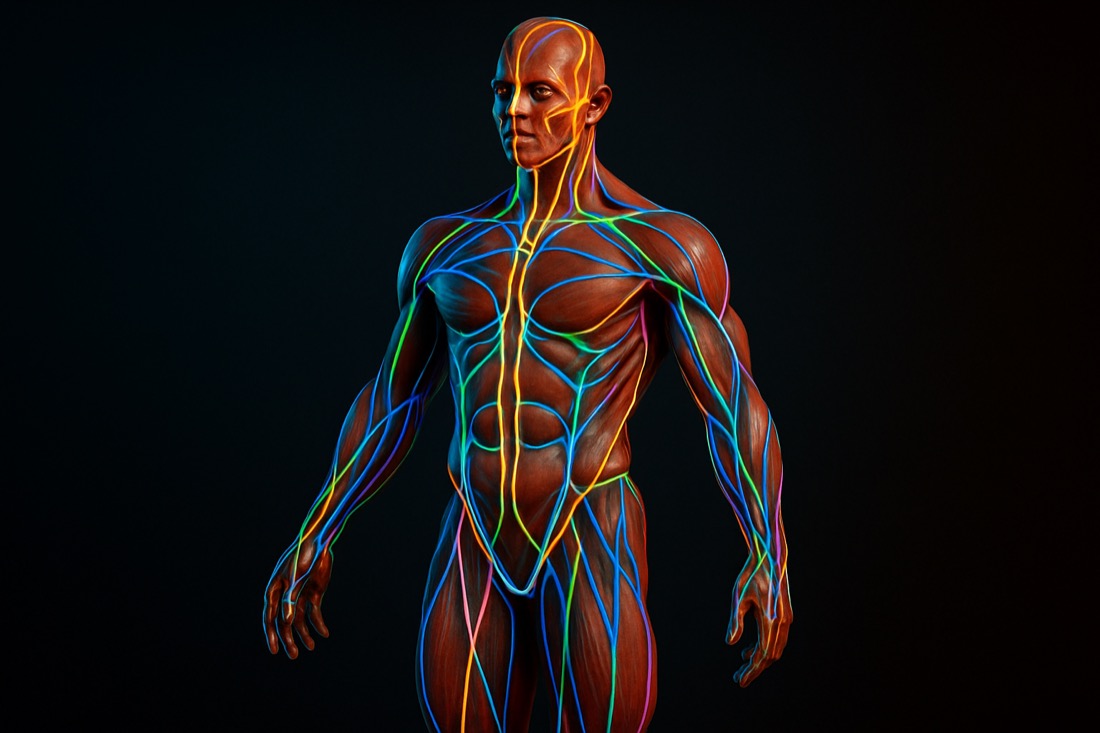
Understanding the anatomy of these muscles and their connection to the fascia can help in applying effective release techniques. By gently separating the muscle fibers, you can reduce tension and improve the range of motion, potentially relieving pain in the knees, back, and even neck [2].
Why do hamstrings affect low back pain?
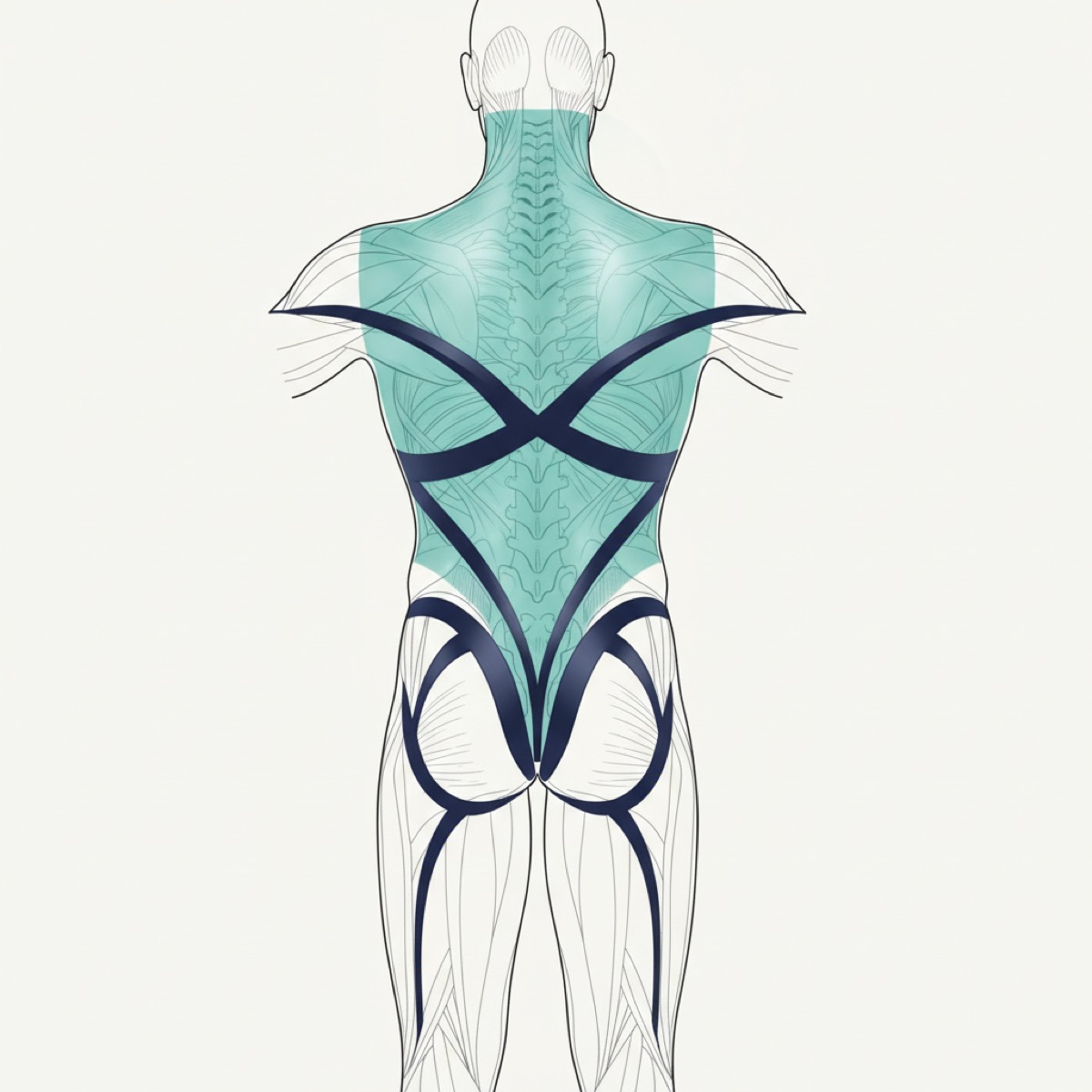
The hamstrings are crucial for hip extension and play a pivotal role in the biomechanics of the lower body. Tightness in these muscles can lead to compensatory patterns, increasing stress on the lower back [3]. This can manifest as chronic pain or discomfort during everyday activities.
Addressing hamstring tightness through fascia release can mitigate these compensatory patterns. By improving flexibility and reducing muscle tension, patients may experience significant relief from low back pain and improve their overall posture [4].
What techniques are used in fascia release?
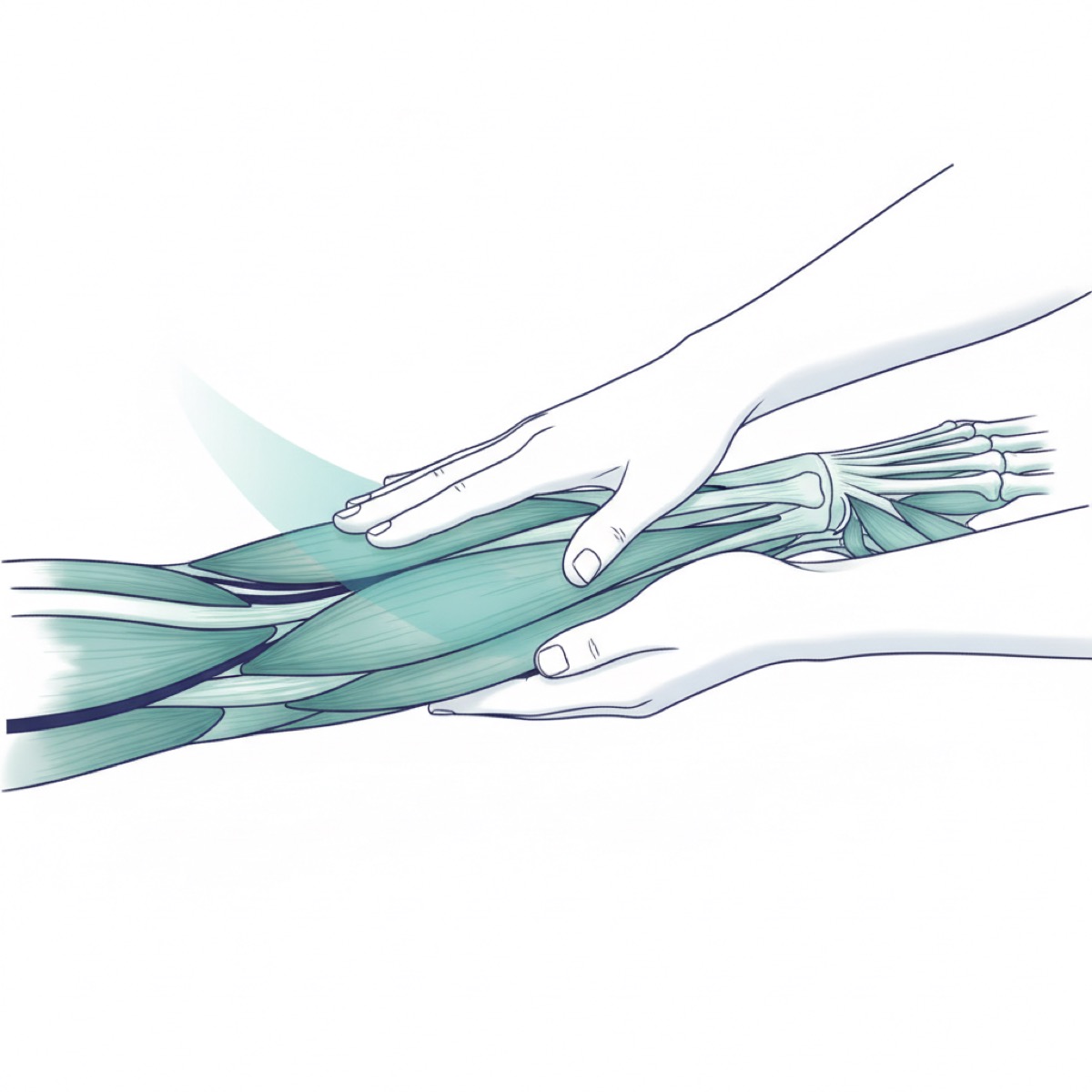
Fascia release techniques often involve manual manipulation of the muscle fibers. This can be done by applying pressure between muscle bellies and using gentle rolling motions to encourage relaxation. These methods are particularly effective when applied to the hamstrings and calf muscles, which are interconnected with the lower back [5].
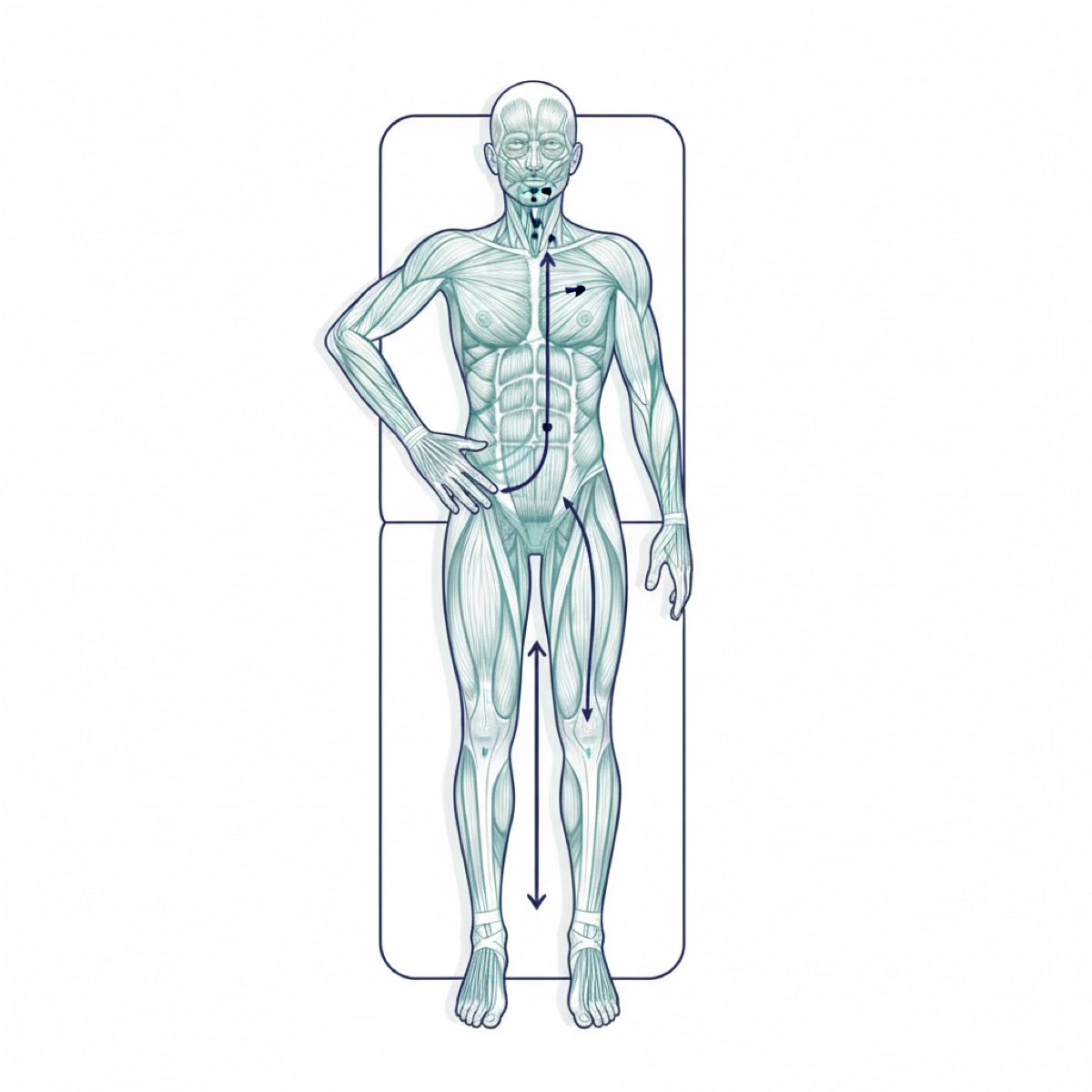
A specific technique involves pressing into the Achilles tendon area to facilitate a release that can be felt throughout the connected muscle chains. This approach can help in softening tight areas and promoting a feeling of 'melting' within the muscles, contributing to pain relief [6].
What should you expect from a fascia release session?
During a fascia release session, you may experience a sensation of loosening or softening in the targeted muscles. This is often described as a 'melting' feeling, indicating that the fascia is being effectively released. The session should be comfortable, and any discomfort should be minimal and temporary.
Patients typically notice an improvement in their range of motion and a reduction in pain levels after the session. It's important to note that while fascia release can be highly beneficial, it should be part of a comprehensive treatment plan and not relied upon as a sole solution for chronic pain.
Frequently asked questions
Is fascia release safe? — Yes, when performed by a trained professional, fascia release is considered safe. It is important to communicate with your therapist and stop if any discomfort occurs.
Can fascia release help with other types of pain? — Fascia release can be beneficial for various types of musculoskeletal pain, including neck, shoulder, and knee pain, due to the interconnected nature of fascia.
How often should fascia release be performed? — The frequency of fascia release sessions depends on individual needs and the severity of the pain. Consulting with a healthcare provider can help determine the appropriate schedule.
References
- [1]Stecco C, Stern R, Porzionato A, et al. Hyaluronan within fascia in the etiology of myofascial pain. Surg Radiol Anat. 2011;33(10):891–896.
- [2]Ajimsha MS, Al-Mudahka NR, Al-Madzhar JA. Effectiveness of myofascial release: a systematic review of randomized controlled trials. J Bodyw Mov Ther. 2015;19(1):102–112.
- [3]Tozzi P, Bongiorno D, Vitturini C. Fascial release effects on patients with non-specific cervical or lumbar pain. J Bodyw Mov Ther. 2011;15(4):405–416.
- [4]Zügel M, Maganaris CN, Wilke J, et al. Fascial tissue research in sports medicine: from molecules to tissue adaptation, injury and diagnostics: consensus statement. Br J Sports Med. 2018;52(23):1497.
- [5]Klingler W, Velders M, Hoppe K, Pedro M, Schleip R. Clinical relevance of fascial tissue and dysfunctions. Curr Pain Headache Rep. 2014;18(8):439.
- [6]Wilke J, Vogt L, Niederer D, Banzer W. Is remote stretching based on myofascial chains as effective as local exercise? A randomised-controlled trial. J Sports Sci. 2017;35(20):2021–2027.