Healing All Pain: The Miraculous Fascia Release!
Original title (JP): 「あらゆる痛み」を治す!奇跡の筋膜リリース!!

Supervised by
Shogo Fujii
Physiotherapist (PT) · Founder of the SHOGO FUJII® FASCIA METHOD
View profile →Clinical Article · 5 min read
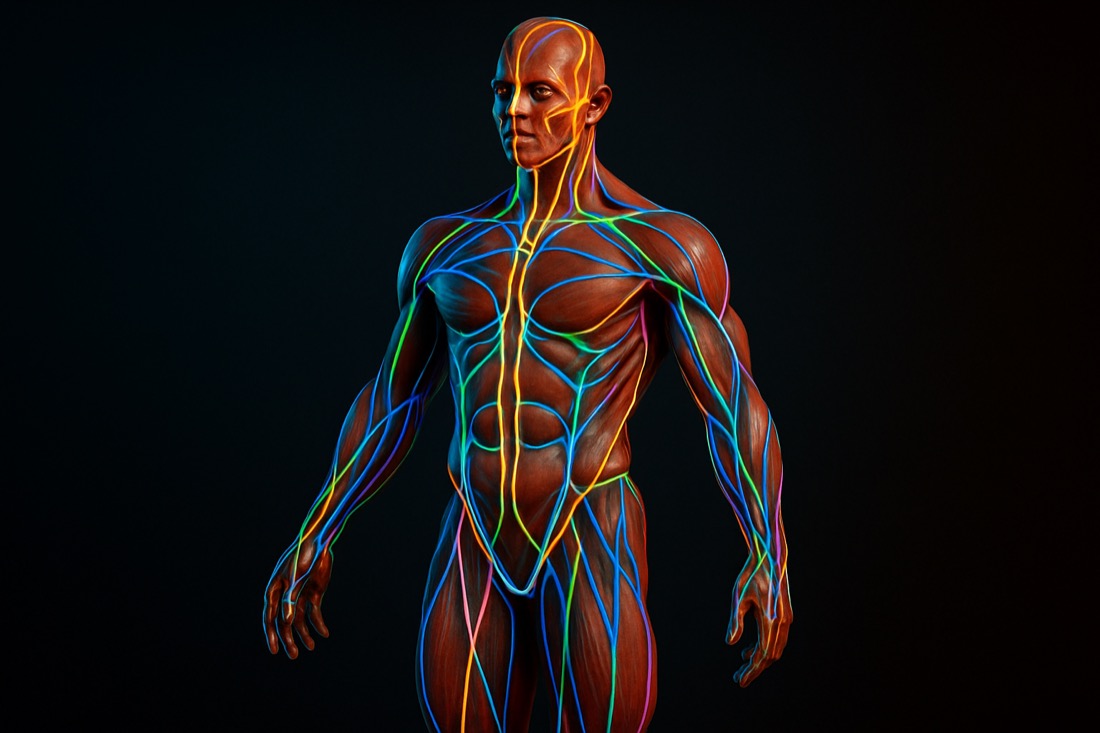
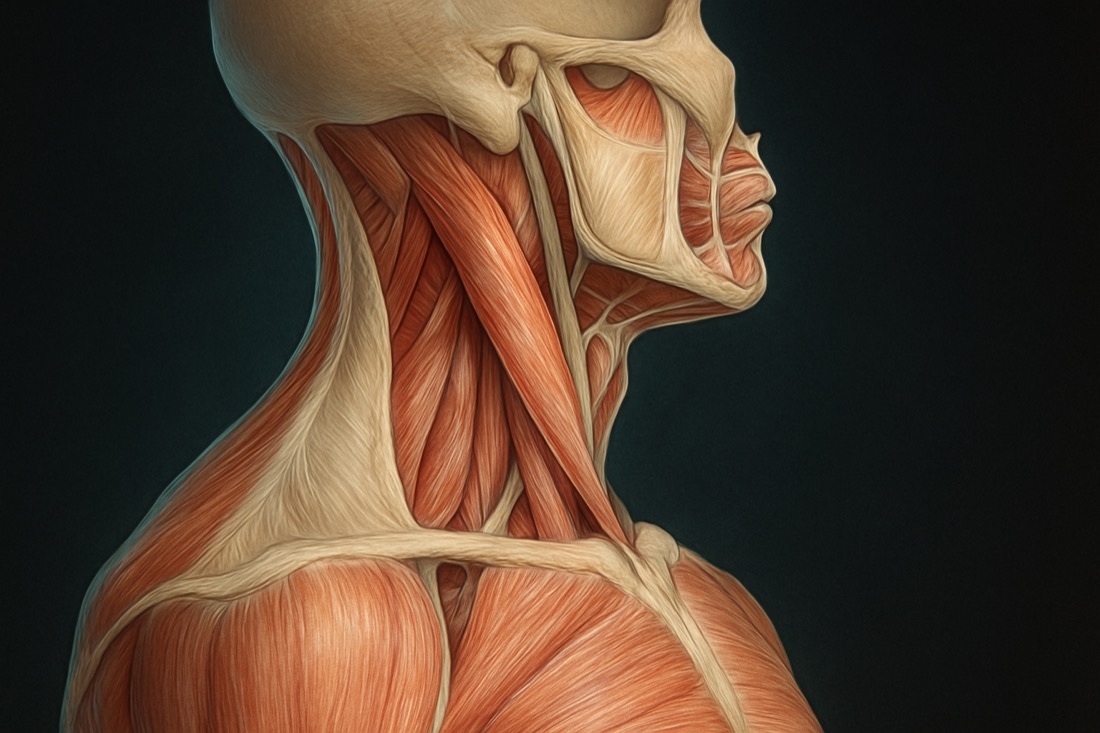
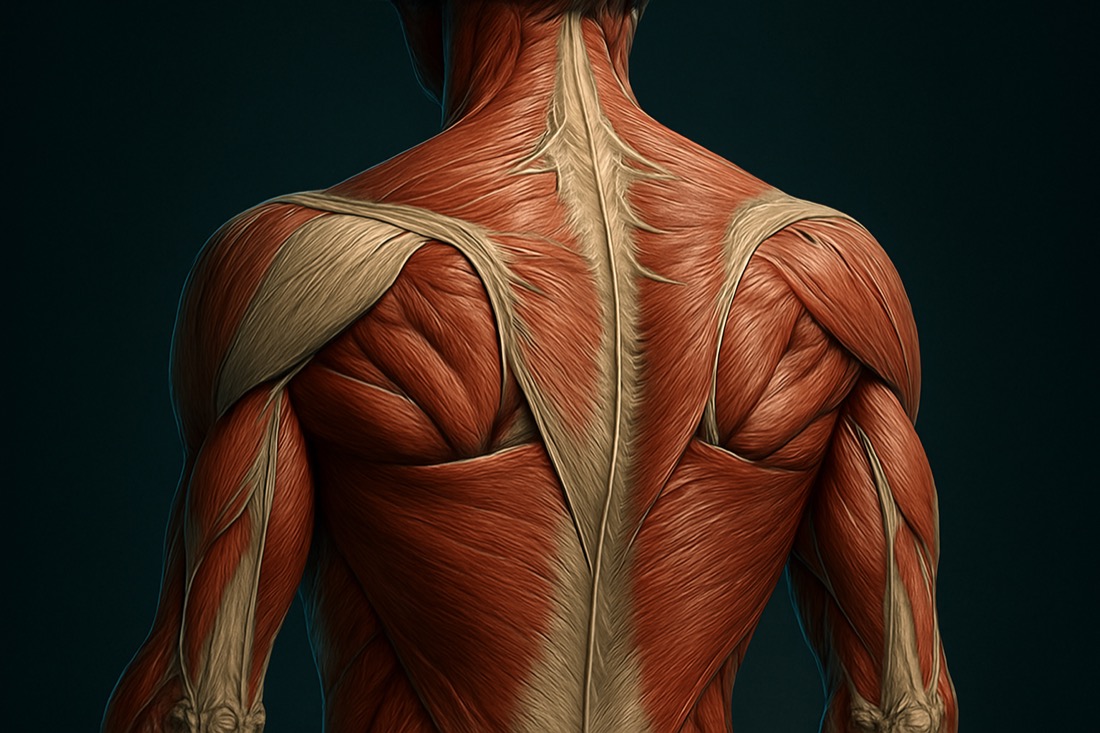
Fascia release for low back pain is gaining attention for its potential to alleviate discomfort and improve mobility. This therapy focuses on releasing tension in the fascia, the connective tissue that surrounds muscles and organs, offering a non-invasive approach to pain management. Understanding how fascia release works can empower both clinicians and informed patients in their journey to recovery.
How does fascia release alleviate low back pain?
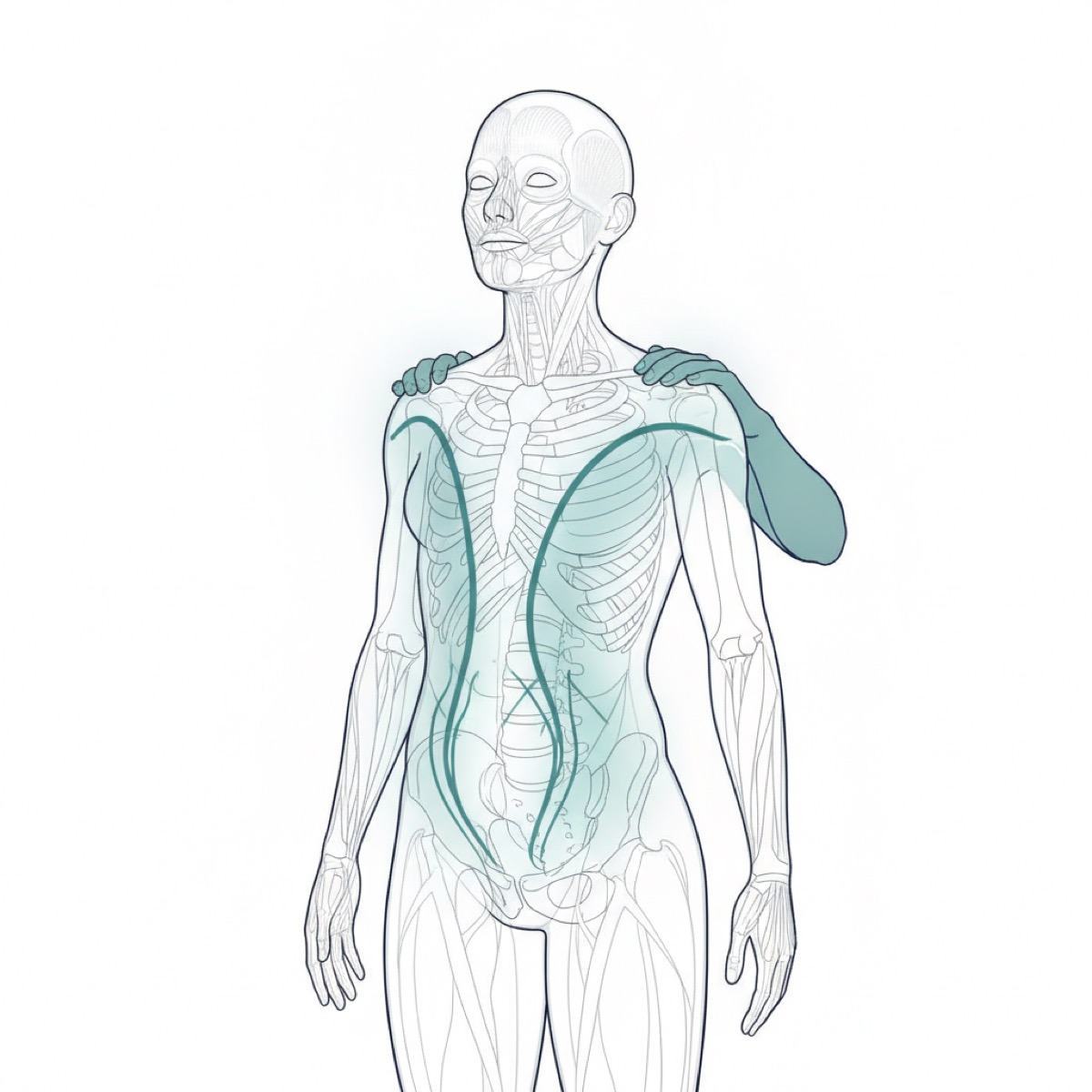
Fascia is a complex network of connective tissue that can become restricted due to injury, overuse, or inflammation, contributing to low back pain. By using specific techniques to release these fascial restrictions, practitioners aim to improve tissue flexibility and reduce pain. This process involves applying gentle, sustained pressure to the fascia, allowing it to stretch and realign, which can help restore normal function to the back muscles and improve overall posture.
Research suggests that fascia release may enhance circulation and reduce muscle tension, leading to decreased pain and increased range of motion [1][2]. As a non-invasive therapy, it provides an alternative to medication and surgery, appealing to those seeking holistic approaches to pain management.
What are the benefits of fascia release therapy?
Fascia release therapy offers several benefits for those suffering from low back pain. It can improve flexibility, enhance blood flow, and promote relaxation, which collectively contribute to pain reduction. Additionally, by addressing fascial restrictions, this therapy may prevent future injuries and promote faster recovery from existing ones [3][4].
Patients often report feeling a sense of relief and increased mobility after sessions. These improvements can enhance overall quality of life, making everyday activities more comfortable and less painful. However, results can vary based on individual conditions and the skill of the practitioner.
How is fascia release performed?
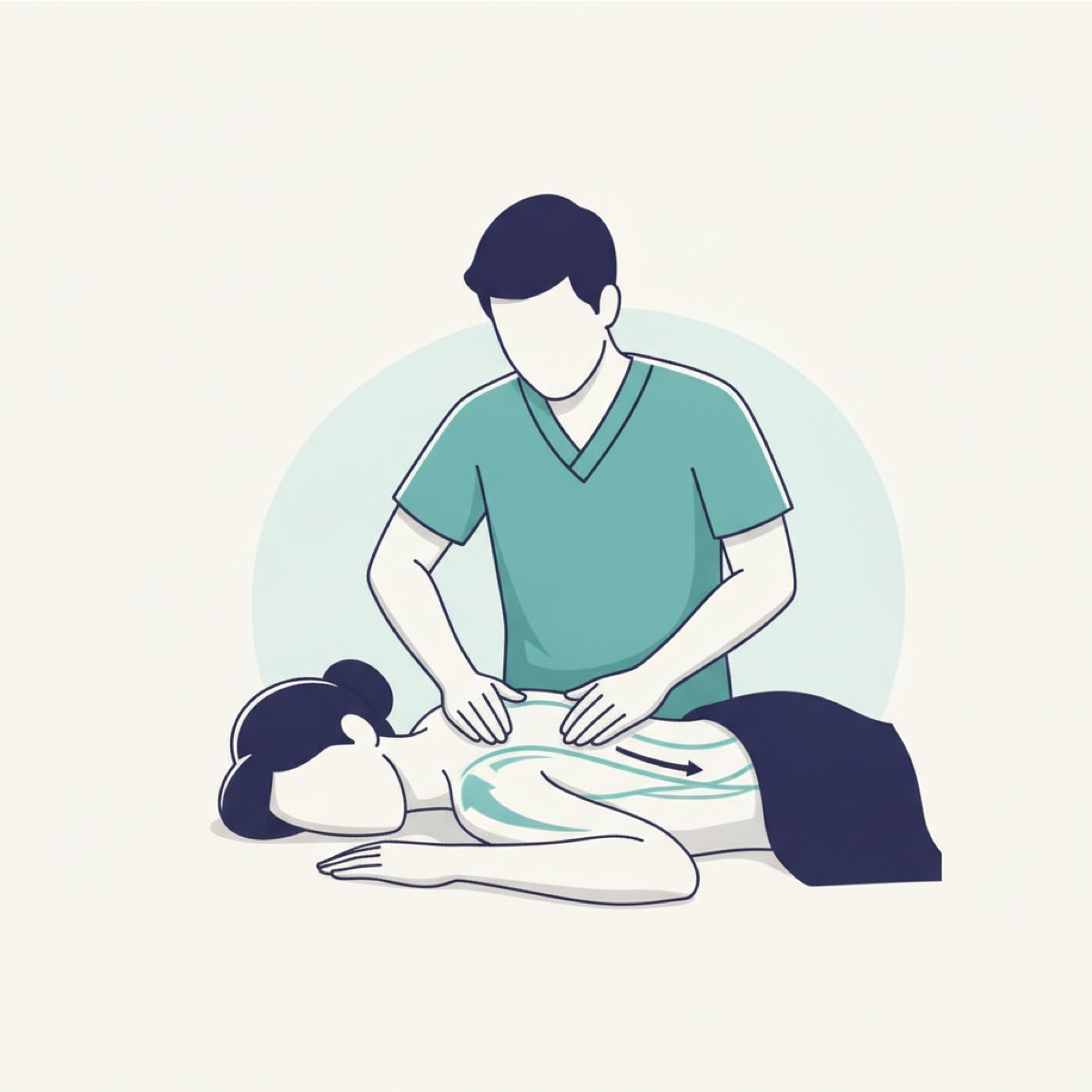
Fascia release is typically performed by a trained therapist who uses their hands to apply pressure and stretch the fascia. The technique involves slow, deliberate movements, allowing the tissue to gradually release its tension. Sessions usually last between 30 to 60 minutes, depending on the severity of the restrictions and the areas being treated.
During the procedure, patients may experience a mild to moderate sensation of stretching or warmth as the fascia releases. It is important for patients to communicate with their therapist about any discomfort to ensure the process is both effective and comfortable [5].
What should you expect after a fascia release session?
After a fascia release session, it is common to feel immediate relief in terms of reduced pain and increased mobility. However, some individuals may experience temporary soreness as the body adjusts to the changes in tissue alignment. Drinking plenty of water and gentle stretching can help alleviate any post-session discomfort.
Patients are encouraged to follow up with their therapist to monitor progress and adjust treatment plans as needed. Consistent sessions may be necessary for chronic conditions to achieve long-lasting results. It is vital to combine fascia release with other therapeutic exercises for optimal outcomes [6].
Frequently asked questions
Is fascia release safe? — Yes, fascia release is generally considered safe when performed by a trained professional. It is non-invasive and can be tailored to individual needs.
How often should I undergo fascia release therapy? — The frequency of sessions depends on the individual's condition and response to treatment. Some may benefit from weekly sessions, while others may require less frequent visits.
Can fascia release completely cure low back pain? — While fascia release can significantly reduce pain and improve mobility, it is not a guaranteed cure. It should be part of a comprehensive treatment plan that includes exercise and lifestyle modifications.
References
- [1]Tracey KJ. The inflammatory reflex. Nature. 2002;420(6917):853–859.
- [2]Mayer EA. Gut feelings: the emerging biology of gut–brain communication. Nat Rev Neurosci. 2011;12(8):453–466.
- [3]Cryan JF, Dinan TG. Mind-altering microorganisms: the impact of the gut microbiota on brain and behaviour. Nat Rev Neurosci. 2012;13(10):701–712.
- [4]Guo R, Chen LH, Xing C, Liu T. Pain regulation by gut microbiota: molecular mechanisms and therapeutic potential. Br J Anaesth. 2019;123(5):637–654.
- [5]Ricciotti E, FitzGerald GA. Prostaglandins and inflammation. Arterioscler Thromb Vasc Biol. 2011;31(5):986–1000.
- [6]Salehi B, Venditti A, Sharifi-Rad M, et al. The therapeutic potential of apigenin. Int J Mol Sci. 2019;20(6):1305.