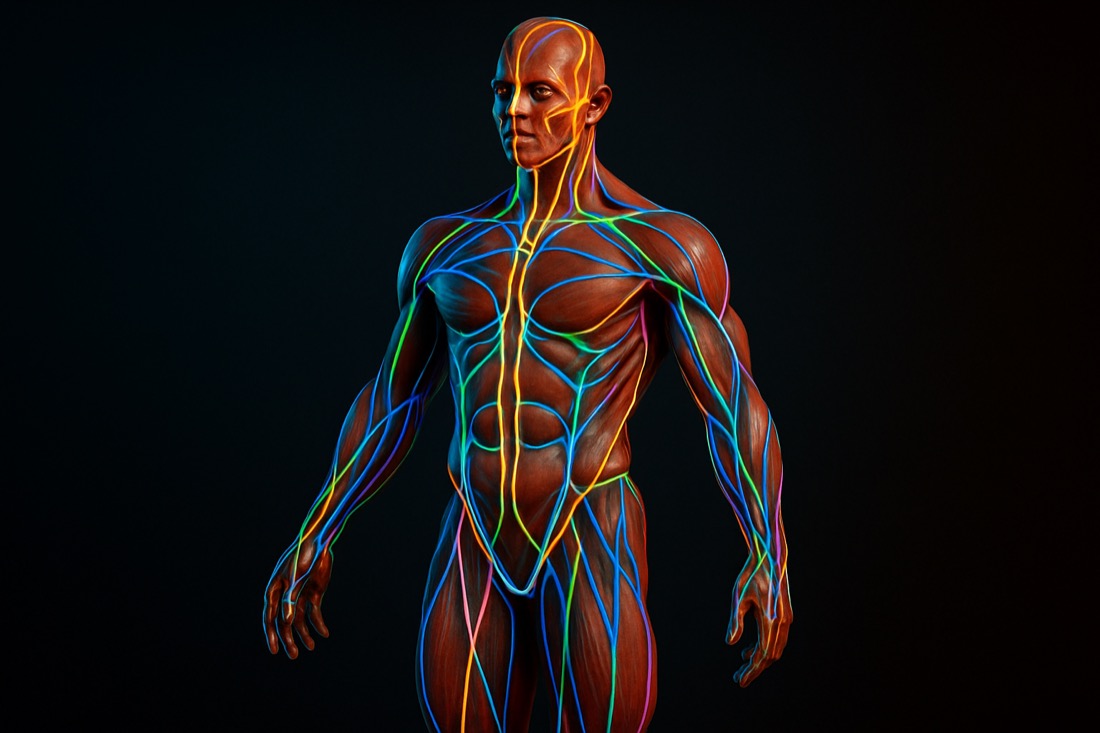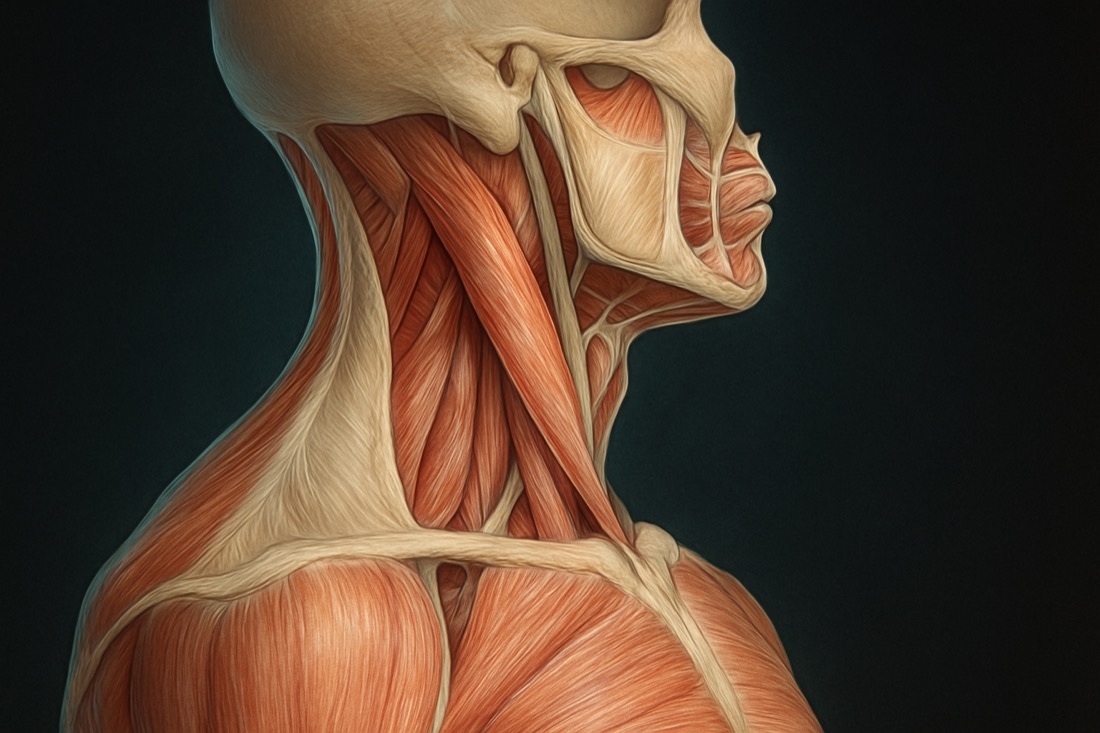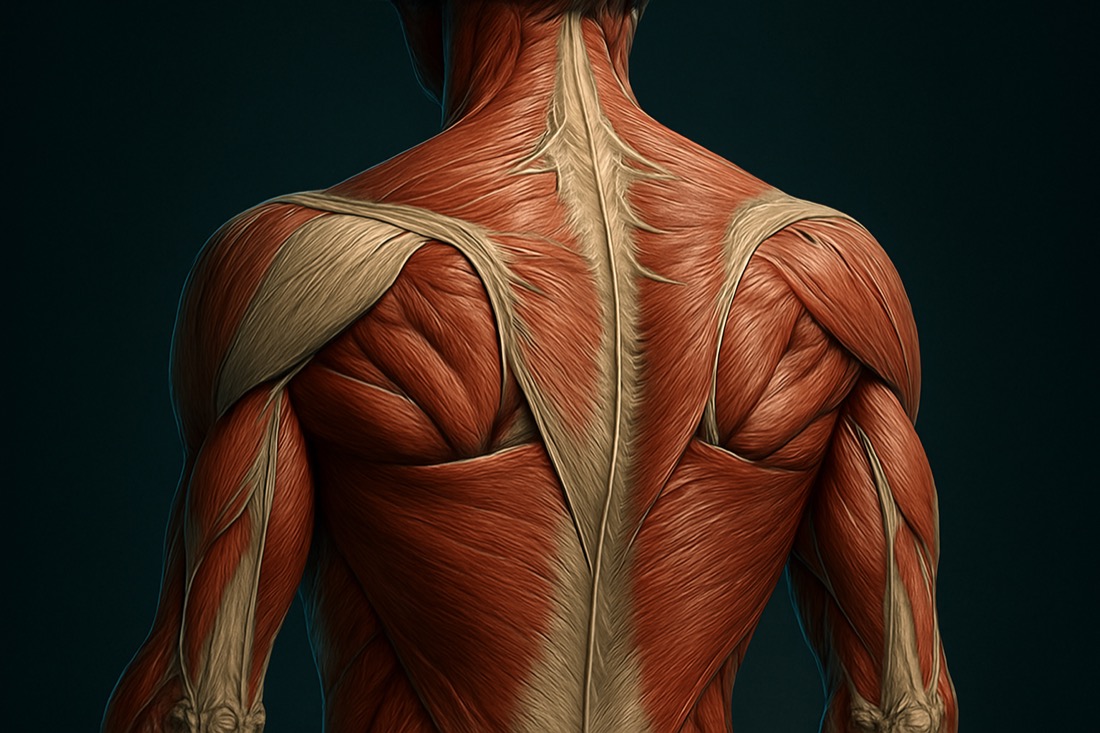
Medically Recognized Visceral Fascia Release Techniques
Original title (JP): 医学的に認められた内臓筋膜リリース #筋膜 #美容 #治し方 #藤井翔悟 #腰痛

Supervised by
Shogo Fujii
Physiotherapist (PT) · Founder of the SHOGO FUJII® FASCIA METHOD
View profile →Clinical Article · 5 min read
Fascia release for low back pain is gaining recognition as a valuable technique to alleviate discomfort and enhance mobility. This article explores medically recognized visceral fascia release methods, such as those demonstrated by Shogo Fujii, which focus on the intricate connections within the body. Understanding these techniques can empower clinicians and informed patients alike to address low back pain more effectively.
How does fascia release alleviate low back pain?
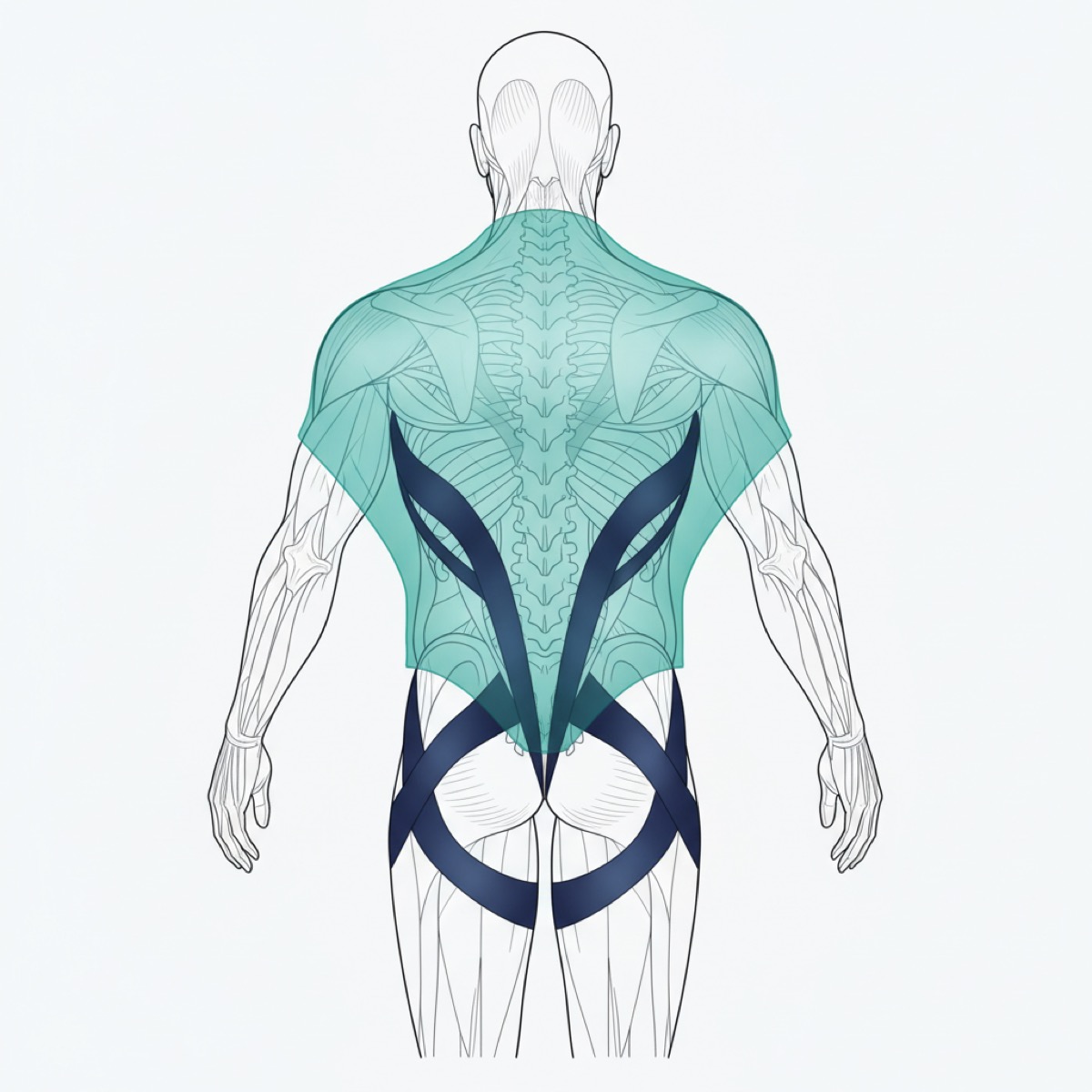
Fascia release can significantly impact low back pain by targeting the connective tissues that surround and support muscles and organs. Shogo Fujii's approach highlights the connection between the diaphragm and back stiffness, suggesting that releasing tension in these areas can lead to noticeable relief [1]. By gently manipulating the fascia, practitioners can promote relaxation and improve alignment, which may reduce pain and increase flexibility.
One of the methods involves inserting the right hand to feel the diaphragm's tension. By holding and gently pulling, the fascia can be encouraged to relax. This technique often results in a significant reduction in stiffness and discomfort in the back, as observed by changes in posture and eye alignment [2].
What are the benefits of visceral fascia release?
Visceral fascia release offers several benefits, particularly for those suffering from chronic low back pain. By addressing the fascia's role in the body's structural and functional integrity, these techniques can enhance mobility and reduce pain [3]. This holistic approach considers the interconnected nature of body systems, allowing for more comprehensive treatment outcomes.
Patients often report feeling more at ease and experiencing improved posture following treatment. The release of tension in the fascia can also contribute to better circulation and reduced muscle tightness, which are crucial for maintaining overall back health [4].
Why is the diaphragm important in fascia release?
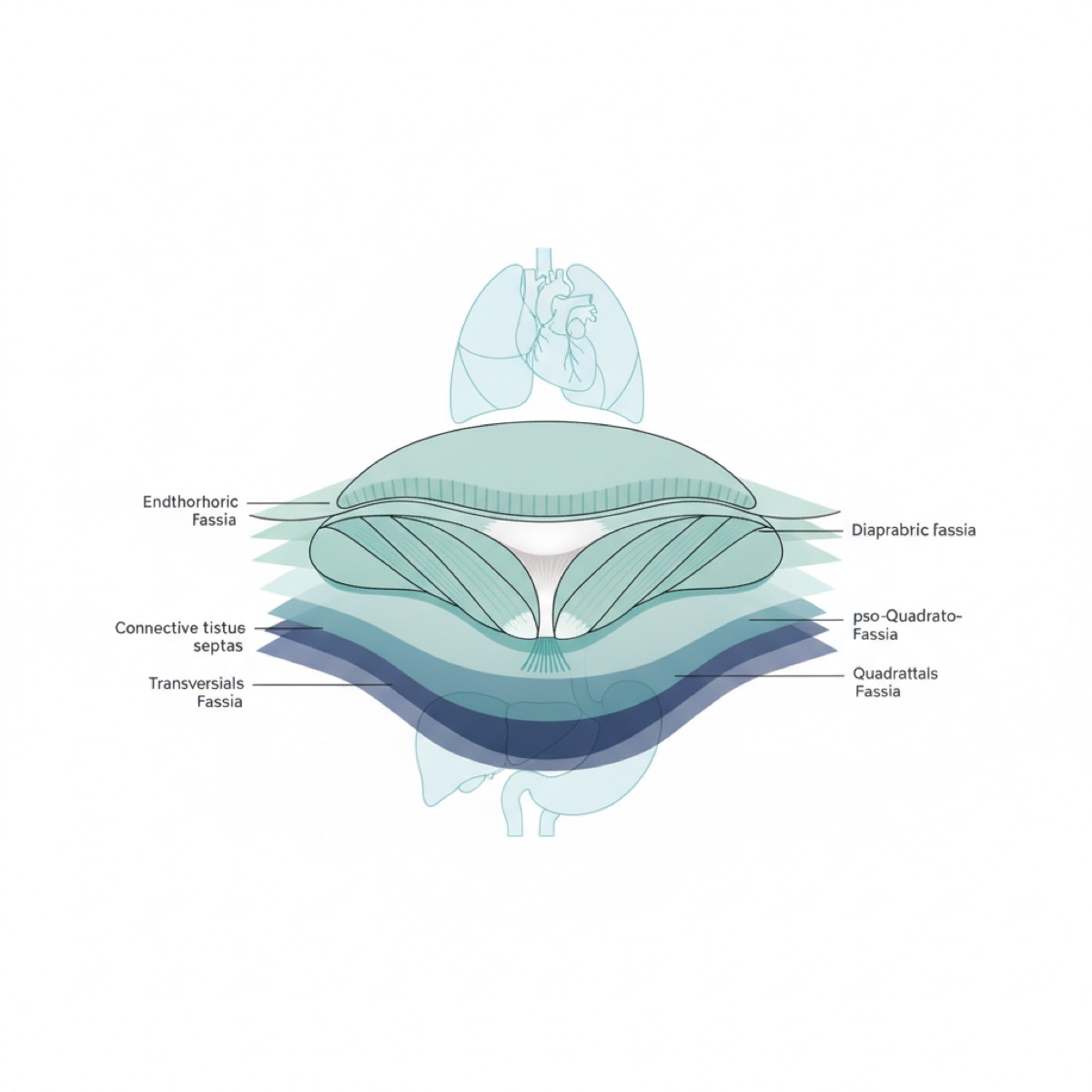
The diaphragm plays a crucial role in fascia release because of its central position in the body's musculoskeletal and respiratory systems. Shogo Fujii emphasizes the diaphragm's influence on back stiffness, noting that its tension can directly affect the fascia in the back [5]. By releasing the diaphragm, practitioners can facilitate a more profound relaxation in the surrounding fascia, thereby alleviating low back pain.
This connection underscores the importance of comprehensive assessment and treatment strategies that consider the diaphragm's impact on the entire body. Effective fascia release techniques can thus contribute to a more balanced and pain-free existence.
What to expect during a fascia release session?
During a fascia release session, practitioners will assess areas of tension and apply gentle, sustained pressure to encourage the fascia to relax. Patients can expect a gradual release of tension, which may be accompanied by changes in posture and alignment, such as those observed in eye positioning [6]. The process is generally gentle and non-invasive, focusing on allowing the body to adjust naturally.
It is important for patients to communicate with their practitioner about any discomfort or sensations experienced during the session. This feedback helps ensure that the techniques applied are effective and tailored to the individual's specific needs.

Frequently asked questions
Is fascia release safe? — Fascia release is generally considered safe when performed by a trained practitioner. It involves gentle techniques that are non-invasive and aim to reduce tension without causing harm.
How long does it take to see results? — Results can vary, but many patients report feeling relief after just a few sessions. Consistent treatment may be needed to achieve lasting benefits, depending on the severity of the condition.
Can fascia release be combined with other therapies? — Yes, fascia release can complement other treatments such as physical therapy, massage, and chiropractic care. It is often used as part of a holistic approach to pain management.
References
- [1]Langevin HM. Connective tissue: a body-wide signaling network? Med Hypotheses. 2006;66(6):1074–1077.
- [2]Schleip R. Fascial plasticity — a new neurobiological explanation. J Bodyw Mov Ther. 2003;7(1):11–19.
- [3]Wilke J, Krause F, Vogt L, Banzer W. What Is Evidence-Based About Myofascial Chains? A Systematic Review. Arch Phys Med Rehabil. 2016;97(3):454–461.
- [4]Krause F, Wilke J, Vogt L, Banzer W. Intermuscular force transmission along myofascial chains: a systematic review. J Anat. 2016;228(6):910–918.
- [5]Stecco C, Stern R, Porzionato A, et al. Hyaluronan within fascia in the etiology of myofascial pain. Surg Radiol Anat. 2011;33(10):891–896.
- [6]Ajimsha MS, Al-Mudahka NR, Al-Madzhar JA. Effectiveness of myofascial release: a systematic review of randomized controlled trials. J Bodyw Mov Ther. 2015;19(1):102–112.