
Now Teaching: Spinal Fascia Techniques and Dietary Therapy
Original title (JP): 今から、脊柱筋膜テクニック&食事療法を教えます!

Supervised by
Shogo Fujii
Physiotherapist (PT) · Founder of the SHOGO FUJII® FASCIA METHOD
View profile →Clinical Article · 6 min read
Persistent low back pain can significantly impact daily life, often stemming from underlying issues in spinal alignment and fascial restrictions. While many approaches offer temporary relief, understanding the body's foundational mechanics is key to lasting improvement. This article explores how targeted **fascia release for low back pain**, combined with specific manual techniques and dietary considerations, can restore balance and enhance overall spine health, drawing insights from expert Shogo Fujii.
Why is Pelvic and Spinal Alignment Key to Relieving Low Back Pain?
Imagine building a house on uneven ground; any structure placed upon it will eventually show strain. Similarly, the human body functions optimally when its foundation – the pelvis and spine – is properly aligned. Many clinicians find that addressing peripheral symptoms without first 'resetting' the core often yields limited or temporary results [1].
The philosophy of starting with the body's 'bare land' emphasizes the crucial role of pelvic and spinal correction. By establishing a stable, aligned foundation, the body becomes more receptive to further treatments, leading to more profound and efficient improvements in conditions like low back pain. This foundational approach can lead to a rapid and noticeable reduction in discomfort and an overall feeling of lightness [2].
How Targeted Fascia Release Improves Spinal Mobility
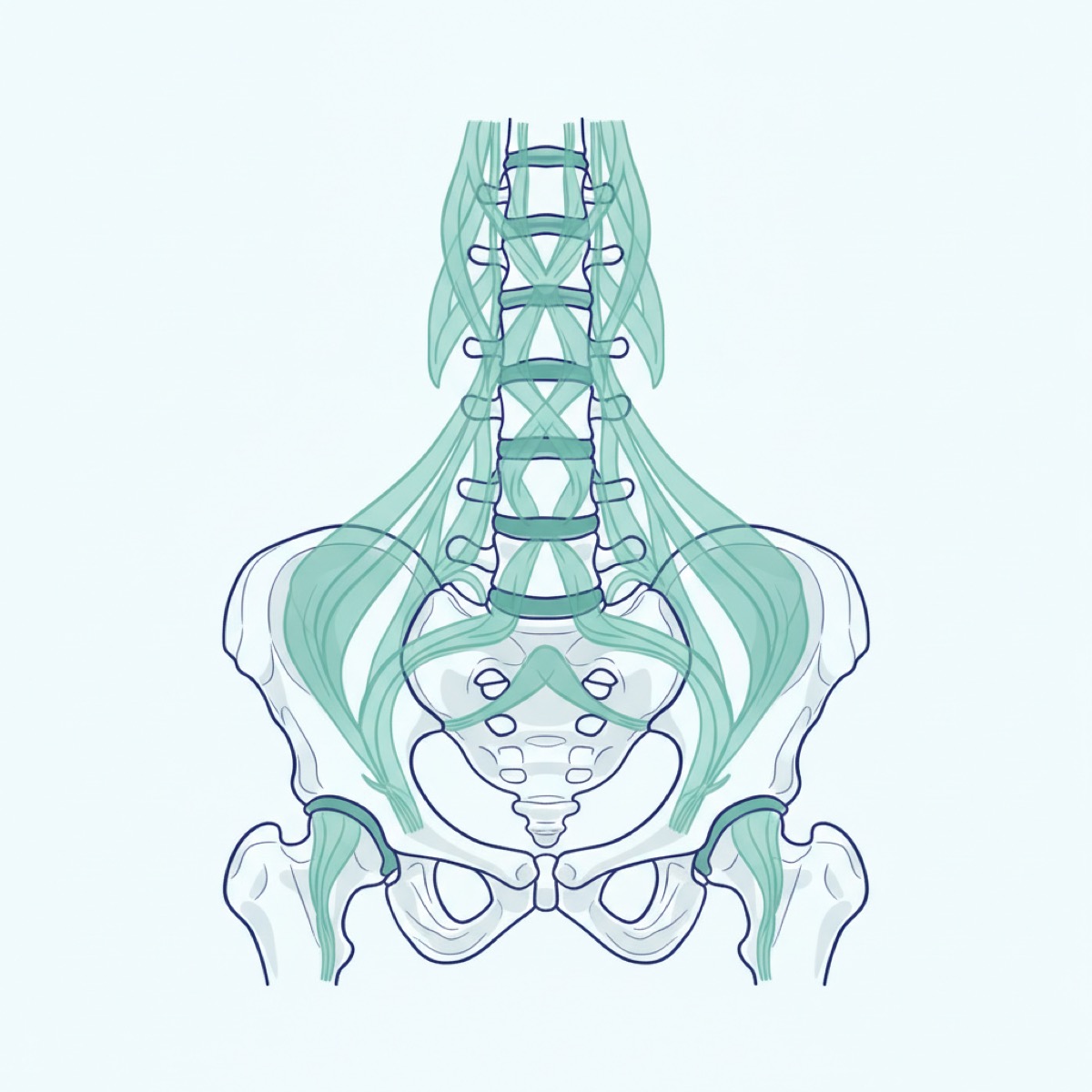
Effective **myofascial release techniques** focus on specific areas that exert significant influence over spinal mechanics. One primary target is the spinous processes of the vertebrae, where precise adjustments can unlock stiffness throughout the entire spinal column. Rather than just manipulating bones, the goal is to release the surrounding fascial tissues that restrict movement and perpetuate misalignment [3].
Research and clinical observations suggest that certain muscles, when tense or dysfunctional, contribute significantly to spinal distortion. Notably, the teres minor, latissimus dorsi, and even the triceps brachii are implicated in creating imbalances that can manifest as low back pain or restricted neck and trunk mobility. Releasing tension in these areas can dramatically improve overall spinal flexibility and range of motion, often with immediate results [4].
Specific Myofascial Techniques for Spinal Stiffness
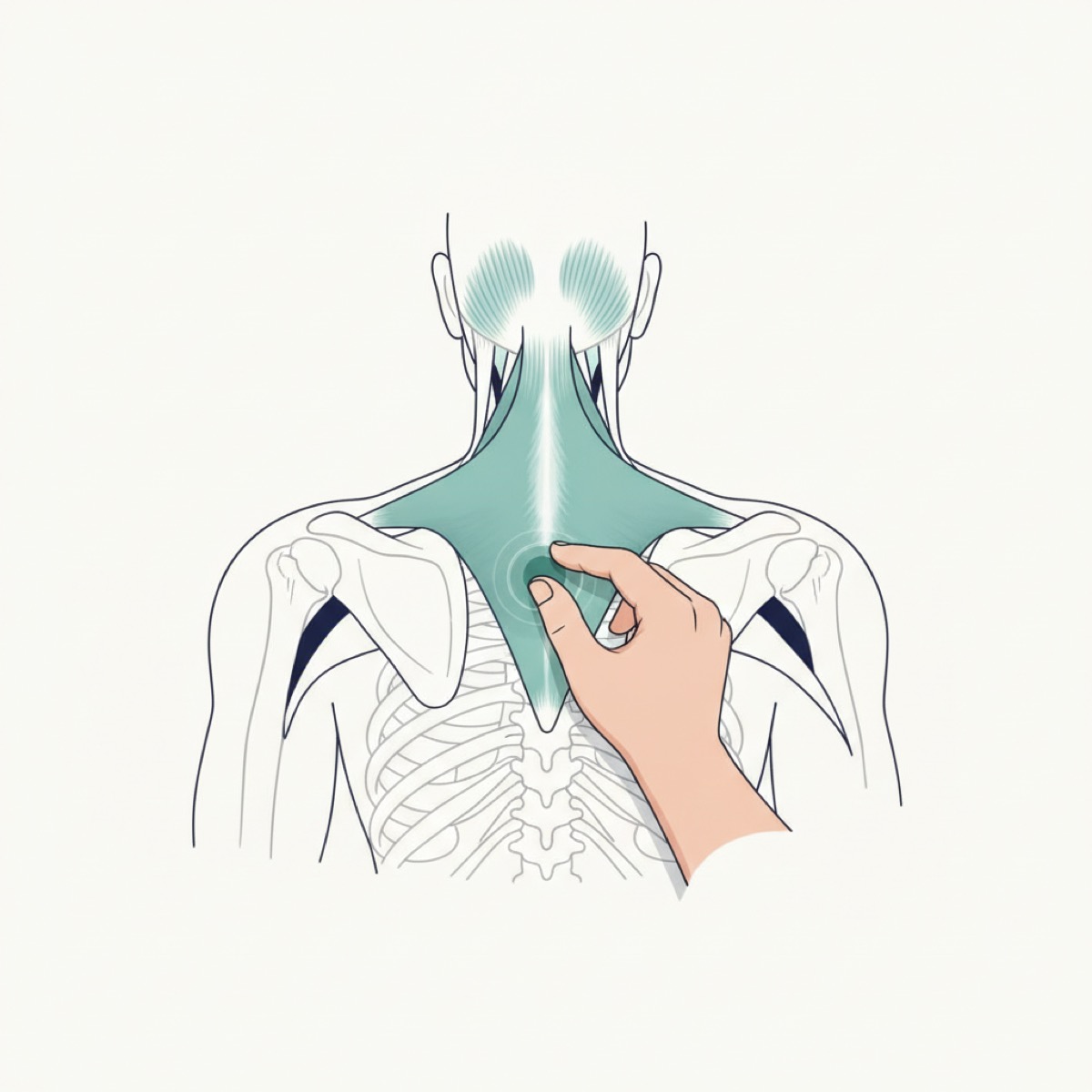
To effectively address spinal stiffness, a precise approach to fascial release is essential. One key technique involves targeting the teres minor muscle, located along the outer edge of the scapula. By carefully palpating this area, clinicians can often identify a hard, restricted spot. Gentle, sustained pressure with the thumb into this 'knot' can elicit a noticeable movement or 'vibration' within the spine itself. This indicates that the release in the teres minor is directly influencing the entire spinal column, promoting relaxation and improved segmental motion [5].
This indirect but powerful connection highlights the interconnectedness of the fascial system. As tension in the teres minor resolves, the entire spine begins to decompress and align, reducing compensatory patterns that contribute to **low back pain** and improving overall spinal health.
Beyond Manual Therapy: The Role of Latissimus Dorsi Release and Diet
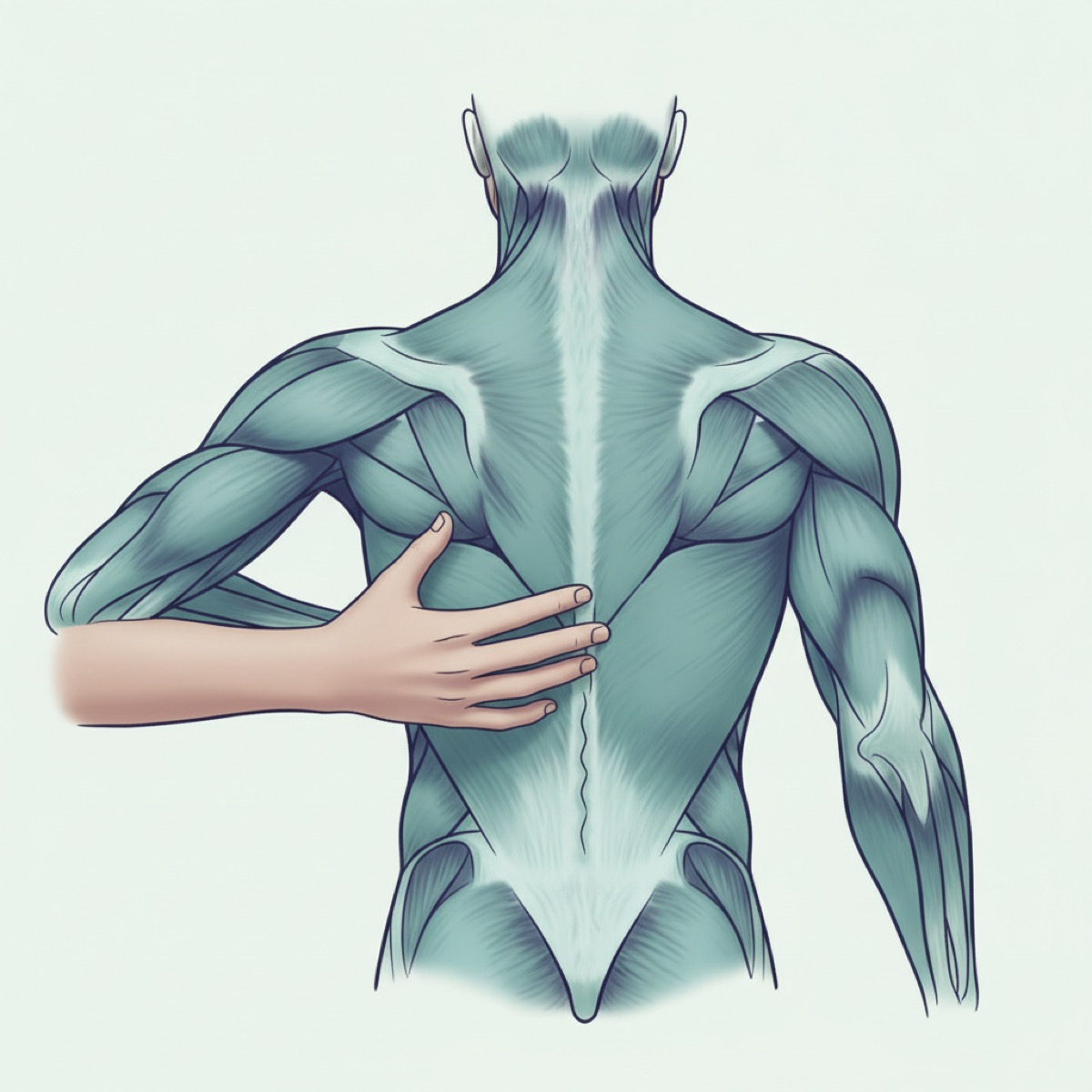
Further enhancing spinal health involves addressing other major fascial contributors, such as the latissimus dorsi. This broad back muscle, when tight, can significantly impact the lumbar and sacral spine, as well as influence hip and shoulder rotation. A targeted technique involves gently lifting the skin and fascia along the underarm line and applying sustained pressure. This can quickly release tension, improving mobility in the lower back and hips [6].
Beyond manual techniques, lifestyle factors play a critical role in maintaining spine health. A diet rich in vegetables and fruits provides essential nutrients and reduces inflammation, while adequate hydration supports fascial elasticity. Regular, moderate exercise that promotes sweating can help manage stress and improve overall circulation, both vital for tissue health. These holistic approaches complement manual therapy, fostering long-term well-being and resilience against low back pain.
Frequently asked questions
Is fascia release safe? — When performed by a qualified and experienced practitioner, fascia release is generally considered safe. It involves gentle, sustained pressure rather than abrupt movements, making it suitable for many individuals. However, it's always best to consult with a healthcare professional to determine if it's appropriate for your specific condition.
How quickly can I expect results from these techniques? — Many individuals report immediate improvements in pain levels, range of motion, and overall body lightness after just one session of targeted fascia release. Clinical observations suggest that significant reductions in pain (e.g., a 3-4 point drop on a pain scale) can be achieved in initial treatments, especially when addressing foundational areas like the pelvis and spine.
What is the role of diet in spine health? — A balanced diet rich in anti-inflammatory foods like fruits and vegetables, coupled with sufficient hydration, is crucial for maintaining healthy fascial tissue and reducing systemic inflammation. These dietary choices support the body's natural healing processes and can enhance the long-term benefits of manual therapies, contributing to overall spine health and resilience.
References
- [1]Cryan JF, Dinan TG. Mind-altering microorganisms: the impact of the gut microbiota on brain and behaviour. Nat Rev Neurosci. 2012;13(10):701–712.
- [2]Guo R, Chen LH, Xing C, Liu T. Pain regulation by gut microbiota: molecular mechanisms and therapeutic potential. Br J Anaesth. 2019;123(5):637–654.
- [3]Ricciotti E, FitzGerald GA. Prostaglandins and inflammation. Arterioscler Thromb Vasc Biol. 2011;31(5):986–1000.
- [4]Salehi B, Venditti A, Sharifi-Rad M, et al. The therapeutic potential of apigenin. Int J Mol Sci. 2019;20(6):1305.
- [5]Field R, Pourkazemi F, Turton J, Rooney K. Dietary interventions are beneficial for patients with chronic pain: a systematic review with meta-analysis. Pain Med. 2021;22(3):694–714.
- [6]Taljanovic MS, Gimber LH, Becker GW, et al. Shear-wave elastography: basic physics and musculoskeletal applications. RadioGraphics. 2017;37(3):855–870.
Related videos

Palpation X-Ray #84 | Is the Sacrum Really a Flat Plate? It's a Wedge, Wide at the Top and Narrowing Downward — Trace Down from the Lumbar Spine and Confirm at Gluteus Maximus
0:56
Dramatic Improvement in One Session: Manual Approach to the Pelvic Girdle, with Palpation of Anatomical Landmarks and Movement Assessment Before and After (Hands-On Demo)
5:48