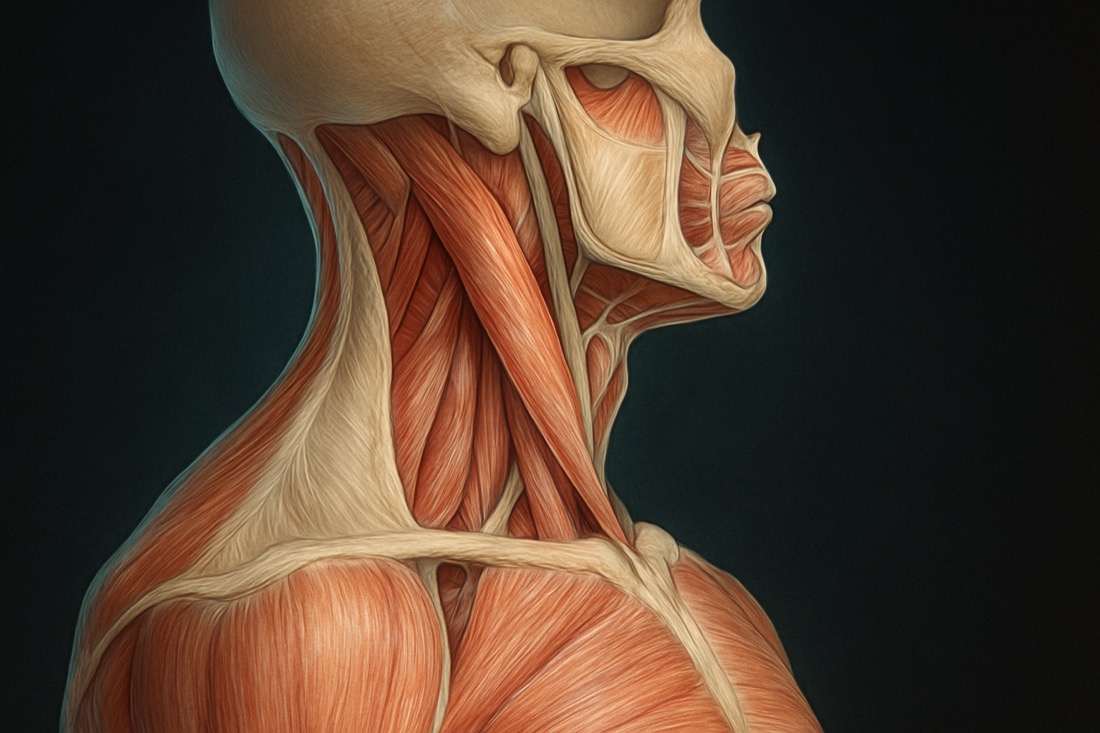
Relieving Neck Pain in 3 Minutes
Original title (JP): 首の痛みを3分で治す↓

Supervised by
Shogo Fujii
Physiotherapist (PT) · Founder of the SHOGO FUJII® FASCIA METHOD
View profile →Clinical Article · 5 min read
If you're struggling with persistent low back pain, fascia release could be the solution you're searching for. This therapeutic approach focuses on releasing tension in the connective tissues, potentially alleviating discomfort and improving mobility. In this article, we explore how fascia therapy works and what you can expect from this innovative treatment.
How does fascia release alleviate low back pain?
Fascia release is a technique that targets the connective tissues surrounding muscles and organs, known as fascia. By applying pressure to specific areas, therapists can help release tension and promote better alignment, which may alleviate low back pain [1]. This method can be particularly beneficial for those experiencing pain without a clear cause, as fascia-related issues often go undiagnosed.
In the video by Shogo Fujii, a hands-on demonstration shows how adjusting the alignment of the cervical spine can influence pain in the lower back. By focusing on areas like the occipital bone and the upper cervical vertebrae, practitioners can indirectly address lower back discomfort, illustrating the interconnectedness of the body's fascia systems [2].
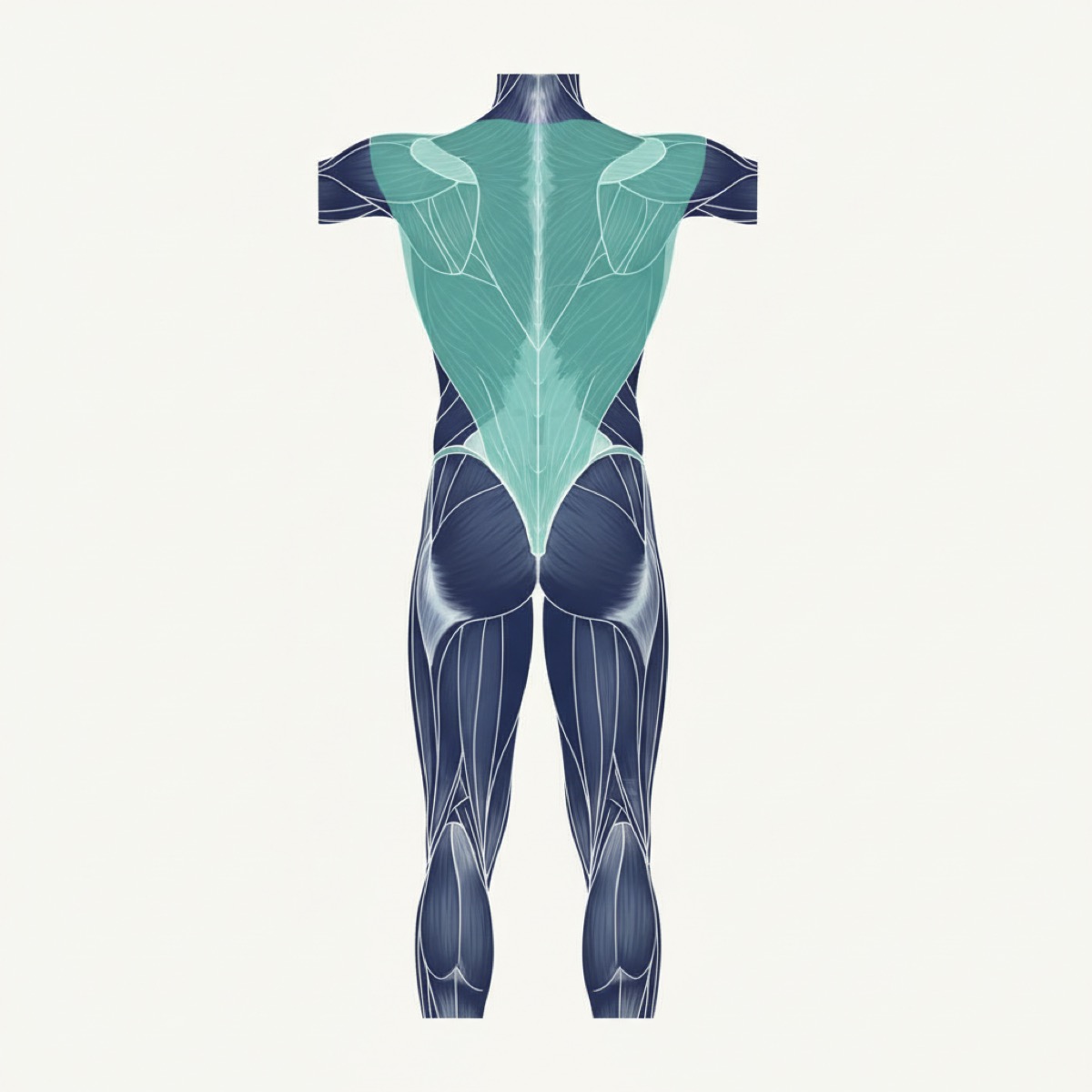
Why does my neck affect my low back?
The body's fascia is a continuous web that connects various regions, meaning dysfunction in one area can affect another. For example, misalignment in the cervical spine can lead to compensatory changes in posture, which may contribute to low back pain [3]. This concept is crucial in understanding why neck manipulation can sometimes relieve lower back discomfort.
In Fujii's seminar, he demonstrates how correcting cervical misalignments can improve overall posture and alleviate seemingly unrelated pain in the lower back. This holistic approach underscores the importance of evaluating the body as a whole rather than focusing solely on the area of pain [4].
What to expect during a fascia release session
A typical fascia release session involves a thorough assessment of your posture and movement patterns. Therapists will identify areas of tension or misalignment, often starting with regions like the neck and shoulders, which can impact the lower back. Techniques may include gentle pressure, stretching, and guided movement to release fascia restrictions [5].
Patients often report a sense of relief and improved mobility after a session. While results can vary, many experience a reduction in pain and increased range of motion. It's important to note that fascia release is a process, and multiple sessions may be needed for optimal results [6].

Can fascia release help with chronic low back discomfort?
Fascia release can be particularly effective for those with chronic low back pain that hasn't responded to other treatments. By addressing the underlying fascial restrictions, this approach may provide relief where traditional methods have failed. The interconnected nature of fascia means that releasing tension in one area, such as the neck, can have beneficial effects on the lower back.
In the featured video, Fujii highlights the importance of not only treating the symptoms but also understanding the root cause of pain. By focusing on holistic evaluation and treatment, fascia release offers a comprehensive approach to managing chronic discomfort.

Frequently asked questions
Is fascia release safe? — Yes, fascia release is generally considered safe when performed by a trained professional. It's a gentle technique that focuses on releasing tension without aggressive manipulation.
How many sessions are needed for relief? — The number of sessions varies depending on the individual and the severity of their condition. Some may experience relief after a single session, while others may require a series of treatments for lasting results.
Can fascia release be combined with other therapies? — Absolutely. Fascia release can complement other treatments such as physical therapy, chiropractic care, and massage, providing a more comprehensive approach to pain management.
References
- [1]Palomeque-del-Cerro L, Arráez-Aybar LA, Rodríguez-Blanco C, et al. A systematic review of the soft-tissue connections between neck muscles and dura mater: the myodural bridge. Spine. 2017;42(1):49–54.
- [2]Woolf CJ. Central sensitization: implications for the diagnosis and treatment of pain. Pain. 2011;152(3 Suppl):S2–S15.
- [3]Tracey KJ. The inflammatory reflex. Nature. 2002;420(6917):853–859.
- [4]Mayer EA. Gut feelings: the emerging biology of gut–brain communication. Nat Rev Neurosci. 2011;12(8):453–466.
- [5]Cryan JF, Dinan TG. Mind-altering microorganisms: the impact of the gut microbiota on brain and behaviour. Nat Rev Neurosci. 2012;13(10):701–712.
- [6]Guo R, Chen LH, Xing C, Liu T. Pain regulation by gut microbiota: molecular mechanisms and therapeutic potential. Br J Anaesth. 2019;123(5):637–654.
Related videos
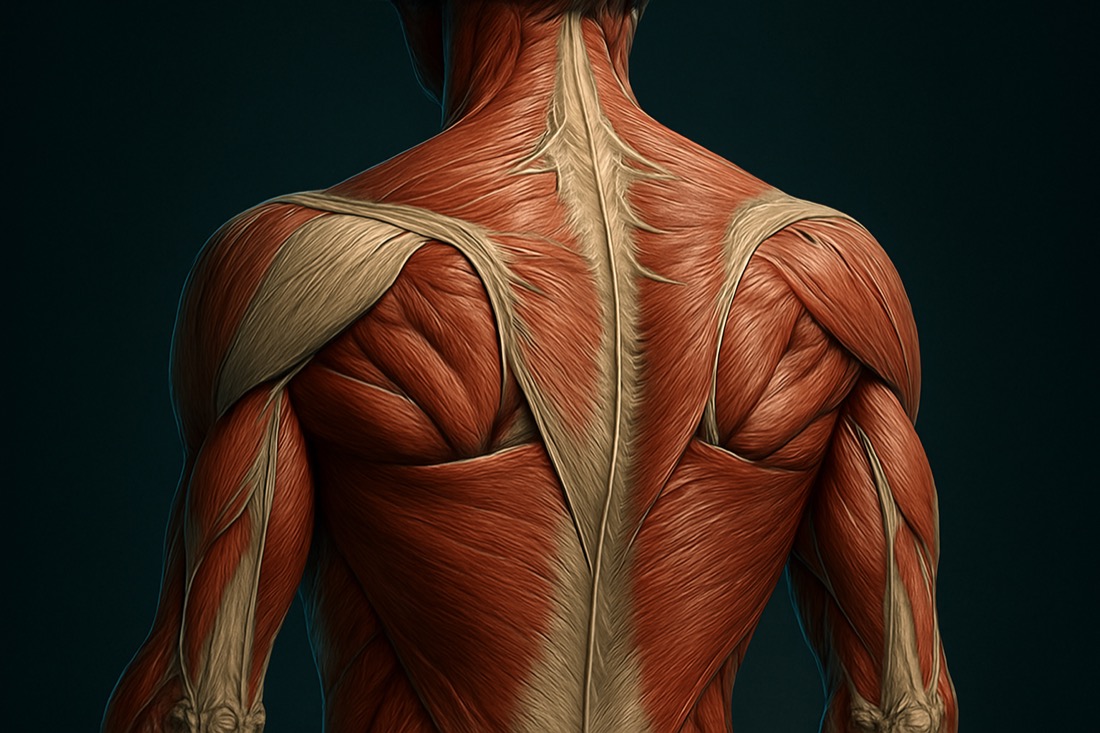
Palpation X-Ray #84 | Is the Sacrum Really a Flat Plate? It's a Wedge, Wide at the Top and Narrowing Downward — Trace Down from the Lumbar Spine and Confirm at Gluteus Maximus
0:56
Dramatic Improvement in One Session: Manual Approach to the Pelvic Girdle, with Palpation of Anatomical Landmarks and Movement Assessment Before and After (Hands-On Demo)
5:48