
A Miracle Technique: Treating Lower Back Pain Through the Neck
Original title (JP): 腰痛を首で治すカミワザ

Supervised by
Shogo Fujii
Physiotherapist (PT) · Founder of the SHOGO FUJII® FASCIA METHOD
View profile →Clinical Article · 5 min read
Fascia release for low back pain is an innovative approach that challenges conventional treatment methods by targeting the neck. By understanding the interconnectedness of the body's anatomy, this technique offers a holistic way to address persistent lower back discomfort. Discover how this method can transform your approach to pain management.
Why does my lower back hurt when my neck is involved?
Many people believe that the source of pain is always located at the site of discomfort, such as the lower back. However, the body functions as an interconnected system, where issues in one area can affect another. For example, the sacrum may experience pain due to misalignments in the cervical spine, particularly at the first cervical vertebra (C1)[1].
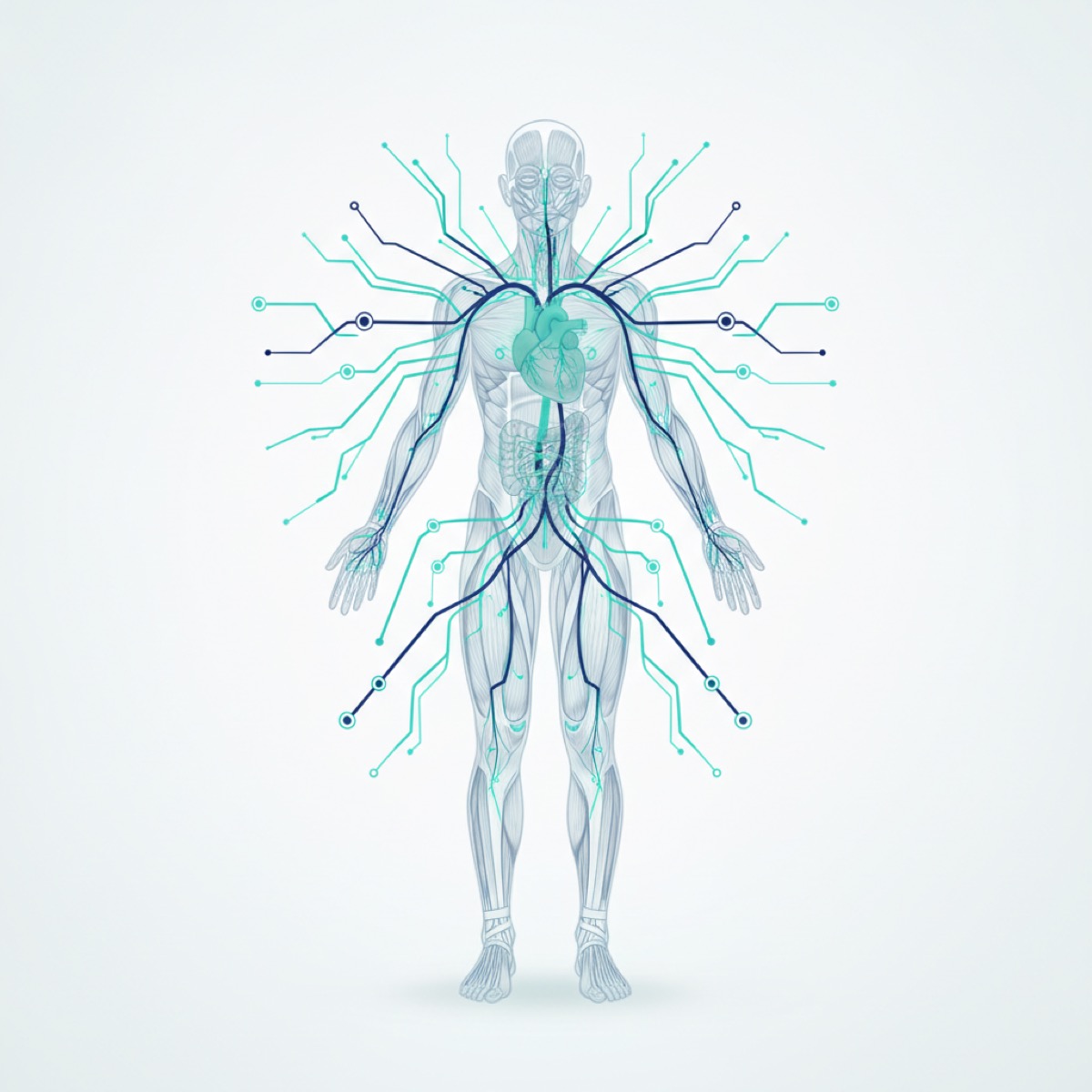
The spine operates on a principle similar to a suspension bridge, where the ends influence each other. Adjusting C1 can consequently affect the lumbar spine, offering relief to the lower back. This understanding encourages clinicians to evaluate the body as a whole rather than just focusing on isolated symptoms.
How does fascia release work for lower back pain?
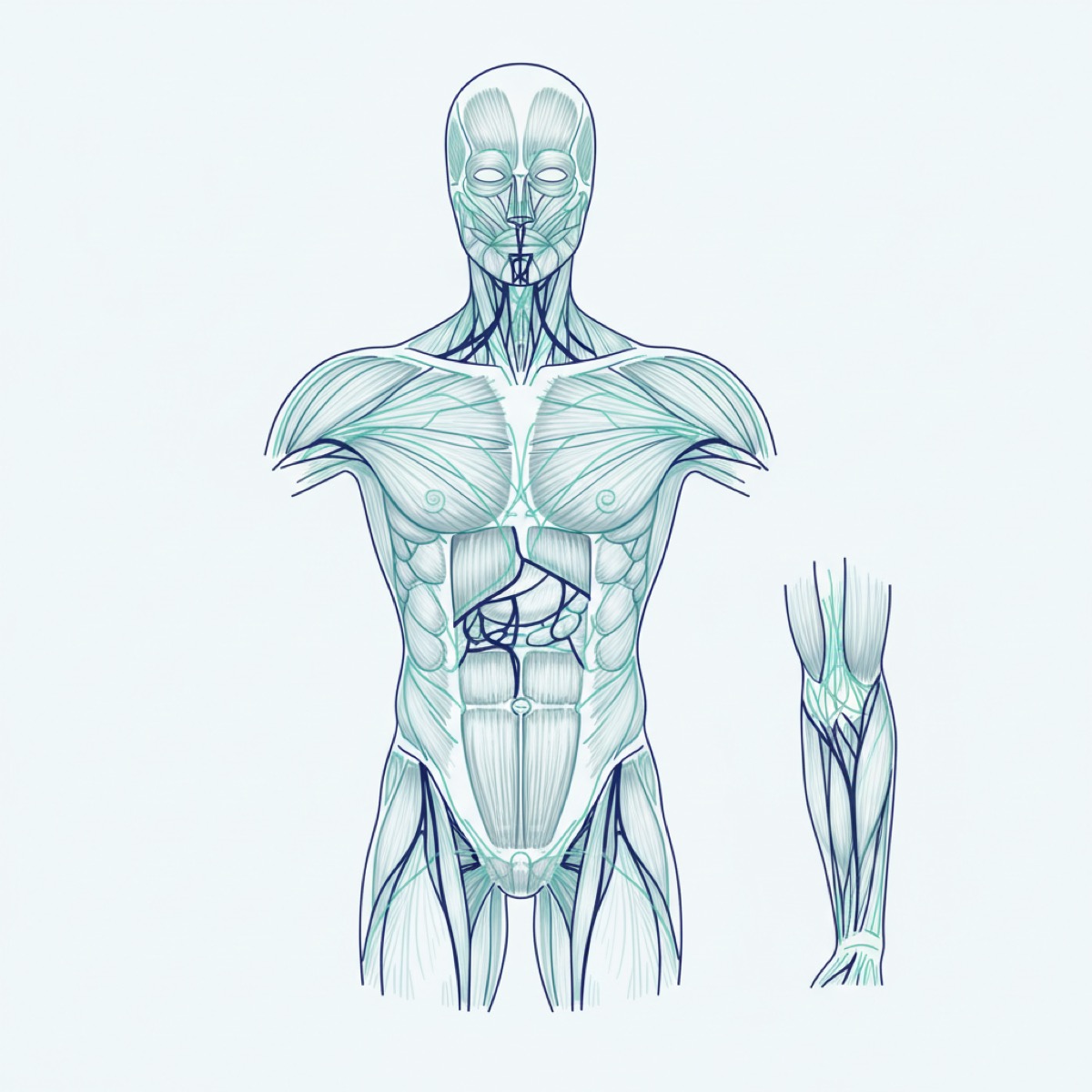
Fascia release involves manipulating the connective tissues to alleviate tension and improve mobility. For lower back pain, releasing fascia in the neck can have a profound effect on the lumbar region. This technique requires a comprehensive understanding of fascial lines and how they relate to spinal alignment.
Hydration plays a crucial role in fascia release, as water acts as a medium for tissue glide. Ensuring patients are well-hydrated enhances the effectiveness of the release process. By facilitating smoother movement between fascial layers, pain reduction can be achieved more efficiently[2].
What should I expect during a fascia release session?
During a fascia release session targeting lower back pain, practitioners will focus on the neck, particularly the C1 vertebra. Patients may be asked to perform movements that exacerbate their pain, allowing the clinician to assess changes in discomfort levels as they manipulate the neck.
The process involves gentle adjustments and may include breathing exercises to assist with relaxation and alignment. Patients often report immediate changes in pain perception, although full treatment may involve additional sessions focusing on thoracic and pelvic adjustments[3].

The benefits of understanding body connections
Recognizing the body's interconnectedness can revolutionize treatment approaches. By addressing the root causes of pain, such as cervical misalignments, rather than just the symptoms, patients can experience more sustainable relief from lower back pain.
This holistic approach not only enhances patient outcomes but also builds trust, as patients witness the direct relationship between targeted interventions and symptom improvement. Clinicians who adopt this perspective often find their practice enriched by more effective and efficient treatment results[4].
Frequently asked questions
Is fascia release safe? — Fascia release is generally considered safe when performed by a trained professional. It is essential to ensure the practitioner is knowledgeable about anatomy and the specific techniques involved[5].
Can neck adjustments really affect lower back pain? — Yes, due to the interconnected nature of the spine, adjustments in the neck can influence the alignment and tension in the lower back, offering potential relief[6].
How long does it take to see results from fascia release? — Results can vary, but many patients notice changes in pain levels after a single session. However, consistent treatment may be necessary for long-term benefits.
References
- [1]Guo R, Chen LH, Xing C, Liu T. Pain regulation by gut microbiota: molecular mechanisms and therapeutic potential. Br J Anaesth. 2019;123(5):637–654.
- [2]Ricciotti E, FitzGerald GA. Prostaglandins and inflammation. Arterioscler Thromb Vasc Biol. 2011;31(5):986–1000.
- [3]Salehi B, Venditti A, Sharifi-Rad M, et al. The therapeutic potential of apigenin. Int J Mol Sci. 2019;20(6):1305.
- [4]Field R, Pourkazemi F, Turton J, Rooney K. Dietary interventions are beneficial for patients with chronic pain: a systematic review with meta-analysis. Pain Med. 2021;22(3):694–714.
- [5]Taljanovic MS, Gimber LH, Becker GW, et al. Shear-wave elastography: basic physics and musculoskeletal applications. RadioGraphics. 2017;37(3):855–870.
- [6]Langevin HM. Connective tissue: a body-wide signaling network? Med Hypotheses. 2006;66(6):1074–1077.
Related videos

Palpation X-Ray #84 | Is the Sacrum Really a Flat Plate? It's a Wedge, Wide at the Top and Narrowing Downward — Trace Down from the Lumbar Spine and Confirm at Gluteus Maximus
0:56
Dramatic Improvement in One Session: Manual Approach to the Pelvic Girdle, with Palpation of Anatomical Landmarks and Movement Assessment Before and After (Hands-On Demo)
5:48