Effective Fascia Release Techniques for Frozen Shoulder
Original title (JP): 医学が認めた五十肩を治す筋膜リリーステクニック 1回で治します!

Supervised by
Shogo Fujii
Physiotherapist (PT) · Founder of the SHOGO FUJII® FASCIA METHOD
View profile →Clinical Article · 5 min read
Are you struggling with persistent low back pain? Fascia release for low back pain can be an effective technique to alleviate discomfort and enhance mobility. This article explores how understanding the interconnectedness of the body can lead to improved outcomes, particularly when traditional methods fall short.
Why does low back pain persist?
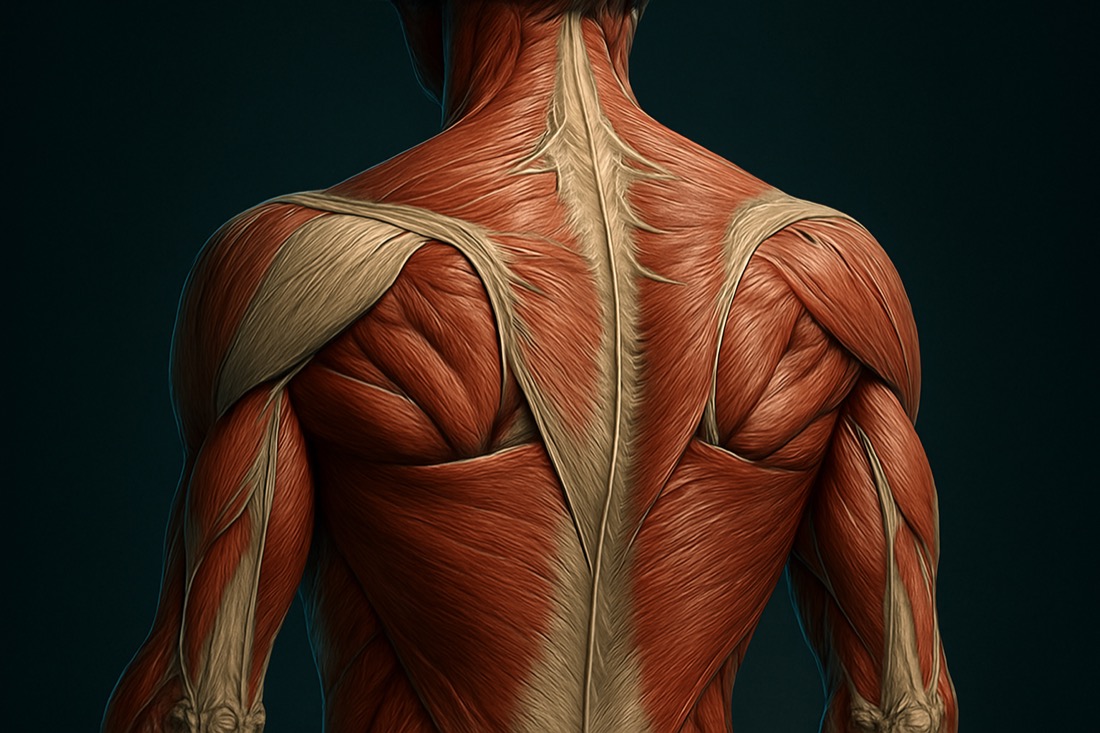
Low back pain can be a complex issue with various underlying causes. Traditional medical approaches often focus on specific areas such as the sacroiliac joint, bursae, or ligaments. However, these methods sometimes overlook the broader picture, leading to persistent pain even after treatment. This is where fascia release can play a crucial role in addressing the root cause and providing relief.
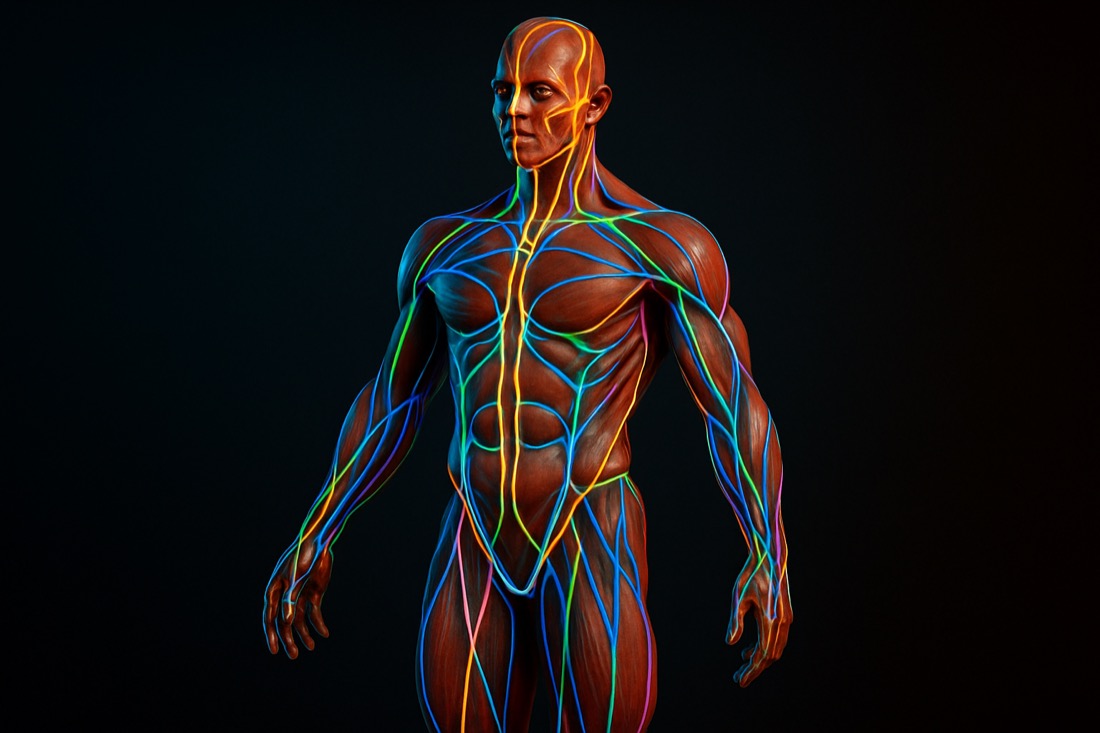
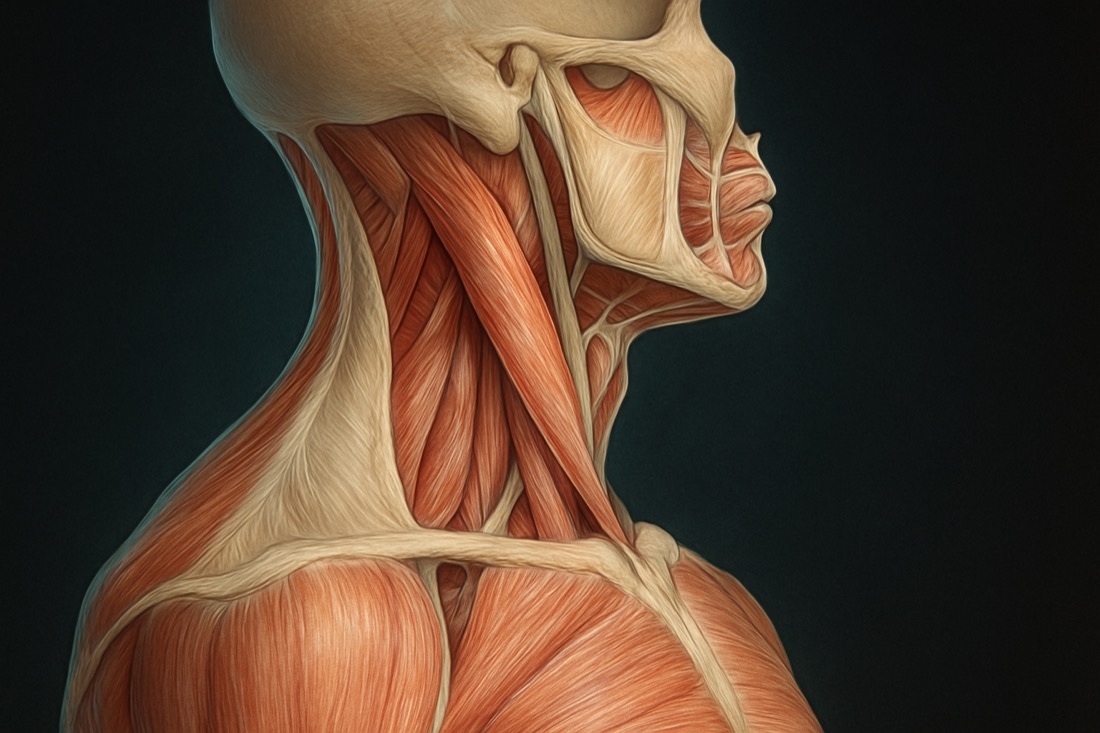
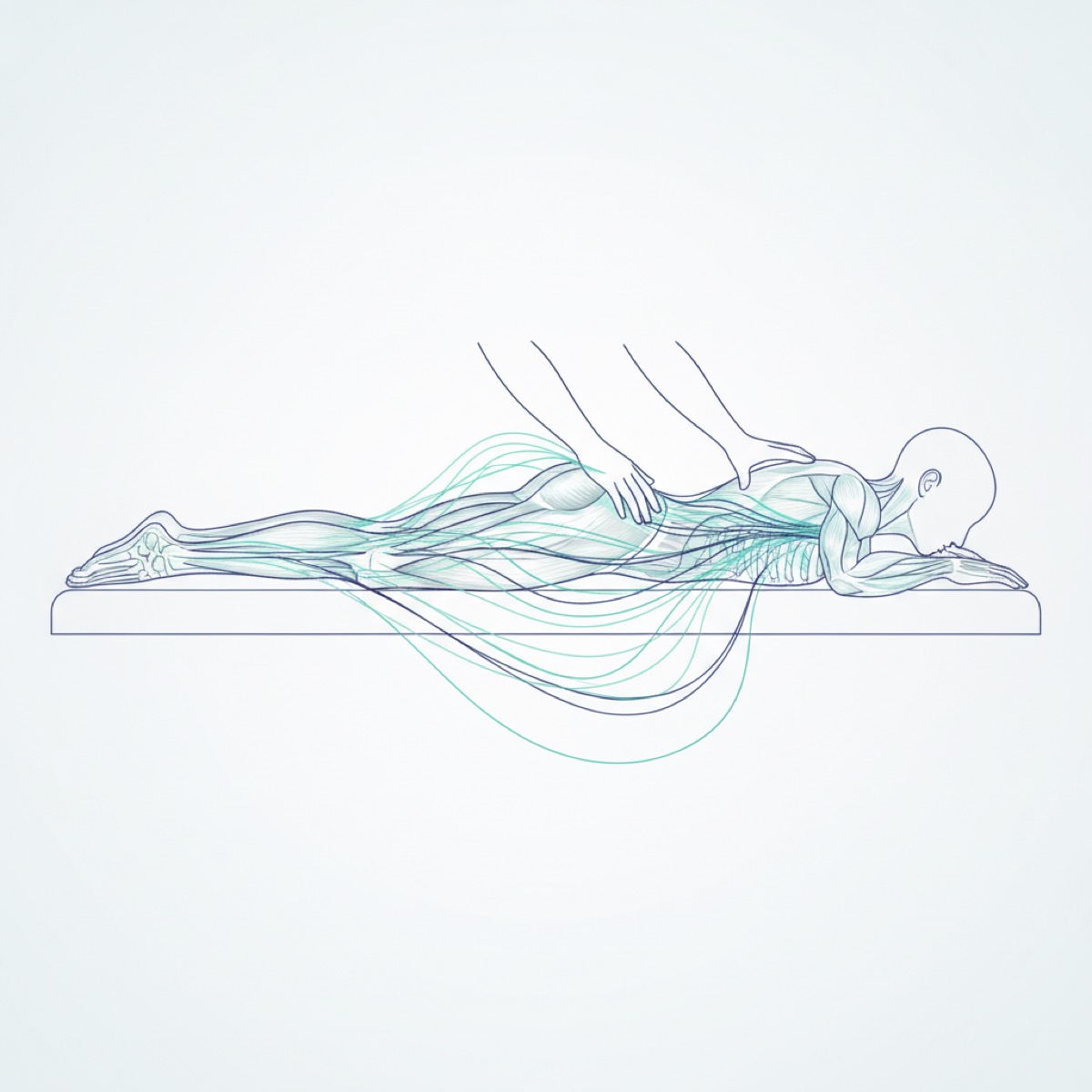
Fascia is a connective tissue that surrounds and supports muscles and organs throughout the body. When it becomes tight or restricted, it can lead to pain and limited mobility. Understanding how fascia interacts with other structures can provide insights into why certain treatments may not be effective and highlight the importance of a holistic approach to low back pain.
How does fascia release work?
Fascia release involves techniques designed to stretch and loosen the fascia, thereby reducing tension and improving movement. This can be achieved through various manual therapies that target specific areas of tension, promoting greater flexibility and reduced pain.
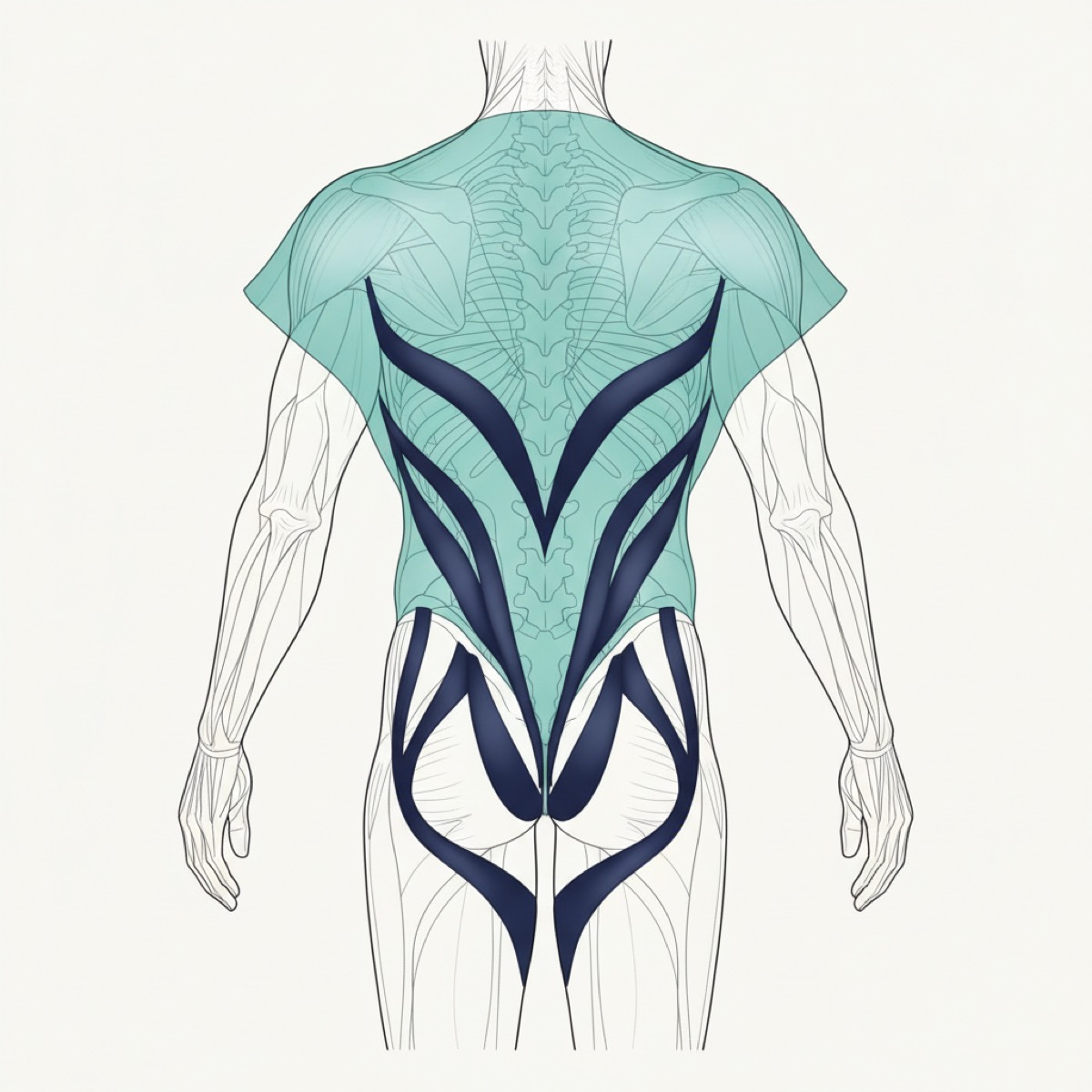
By focusing on the pelvic region and lower spine, fascia release can improve alignment and ease discomfort in the low back. The interconnected nature of the body means that by addressing these areas, practitioners can influence the entire musculoskeletal system, leading to more comprehensive pain management.
What to expect from a fascia release session
During a fascia release session, practitioners will guide you through a series of movements and manipulations designed to identify and release tight fascia. These sessions may also include exercises to support ongoing flexibility and strength in the affected areas.
Patients often report an increase in mobility and a decrease in pain following these sessions. It is important to note that improvements may vary from person to person, and ongoing sessions might be necessary for lasting results.
The role of hydration in fascia health
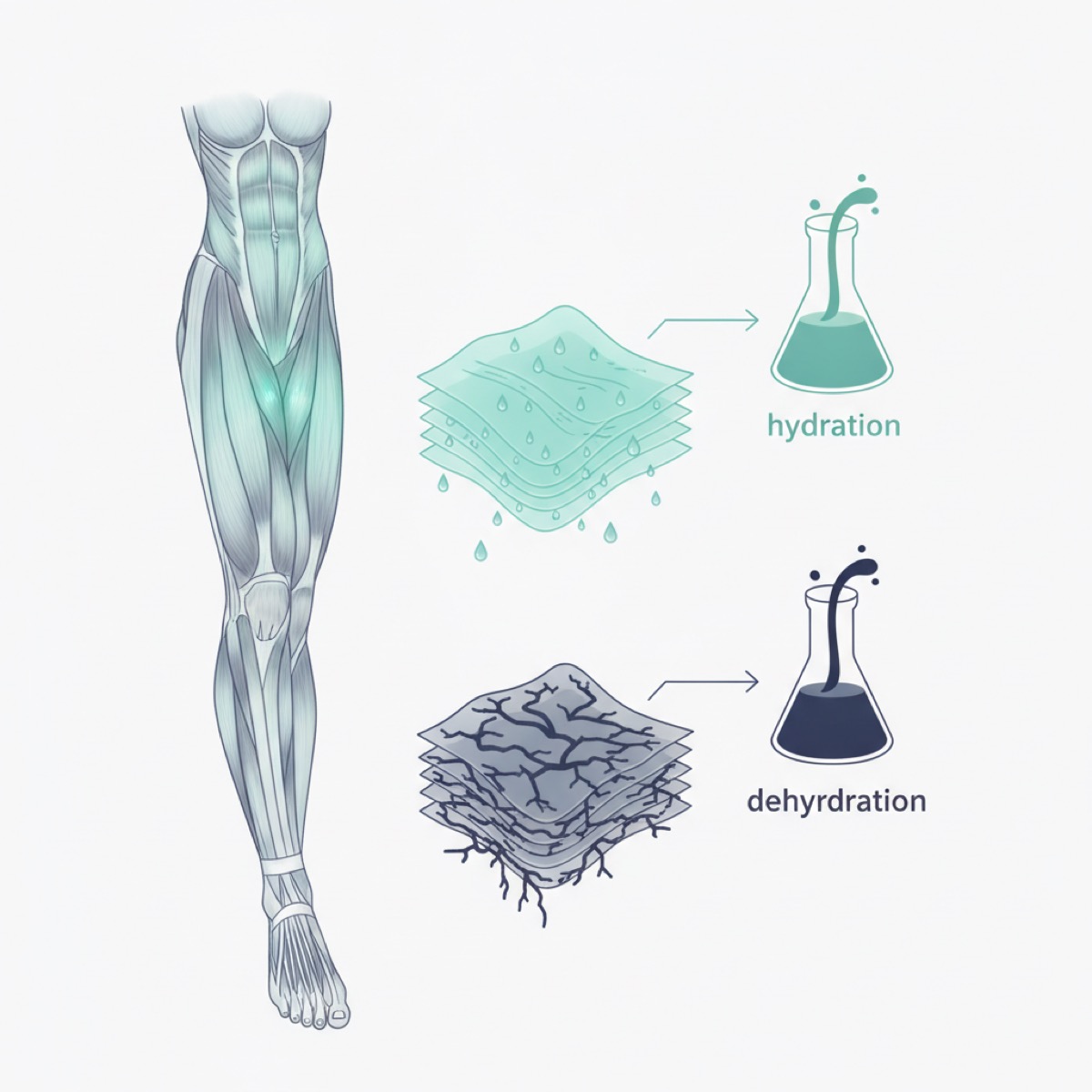
Hydration plays a crucial role in maintaining fascia health. The fascia requires adequate water to remain pliable and function correctly. Dehydration can lead to stiffness and increased pain, as the fascia becomes less flexible.
It is recommended that individuals experiencing low back pain increase their water intake to support fascia release efforts. Consuming between 2.5 to 3.5 liters of water daily can enhance the effectiveness of fascia release techniques and improve overall musculoskeletal health.
Frequently asked questions
Is fascia release safe? — Fascia release is generally safe when performed by a trained professional. It is important to consult with a qualified practitioner to ensure the techniques are appropriate for your condition.
Can fascia release help with chronic pain? — While fascia release can be beneficial for managing chronic pain, it is not a guaranteed cure. It should be part of a comprehensive pain management plan.
How often should fascia release be done? — The frequency of fascia release sessions depends on individual needs and the severity of the condition. A practitioner can provide guidance on an appropriate schedule.
References
- [1]Ajimsha MS, Al-Mudahka NR, Al-Madzhar JA. Effectiveness of myofascial release: a systematic review of randomized controlled trials. J Bodyw Mov Ther. 2015;19(1):102–112.
- [2]Tozzi P, Bongiorno D, Vitturini C. Fascial release effects on patients with non-specific cervical or lumbar pain. J Bodyw Mov Ther. 2011;15(4):405–416.
- [3]Zügel M, Maganaris CN, Wilke J, et al. Fascial tissue research in sports medicine: from molecules to tissue adaptation, injury and diagnostics: consensus statement. Br J Sports Med. 2018;52(23):1497.
- [4]Klingler W, Velders M, Hoppe K, Pedro M, Schleip R. Clinical relevance of fascial tissue and dysfunctions. Curr Pain Headache Rep. 2014;18(8):439.
- [5]Wilke J, Vogt L, Niederer D, Banzer W. Is remote stretching based on myofascial chains as effective as local exercise? A randomised-controlled trial. J Sports Sci. 2017;35(20):2021–2027.
- [6]Palomeque-del-Cerro L, Arráez-Aybar LA, Rodríguez-Blanco C, et al. A systematic review of the soft-tissue connections between neck muscles and dura mater: the myodural bridge. Spine. 2017;42(1):49–54.