Healing Sciatica in One Session: The Brain-Gut Axis Technique
Original title (JP): 【神業デモ】脳腸軸で坐骨神経痛を1回で治す

Supervised by
Shogo Fujii
Physiotherapist (PT) · Founder of the SHOGO FUJII® FASCIA METHOD
View profile →Clinical Article · 5 min read
Exploring innovative treatments for low back pain can lead to remarkable discoveries, such as the brain-gut axis technique. This unique approach integrates fascia release therapy to address pain by targeting the complex interactions between your brain and gut, promising potential relief for those suffering from chronic conditions.
What is the brain-gut axis technique?
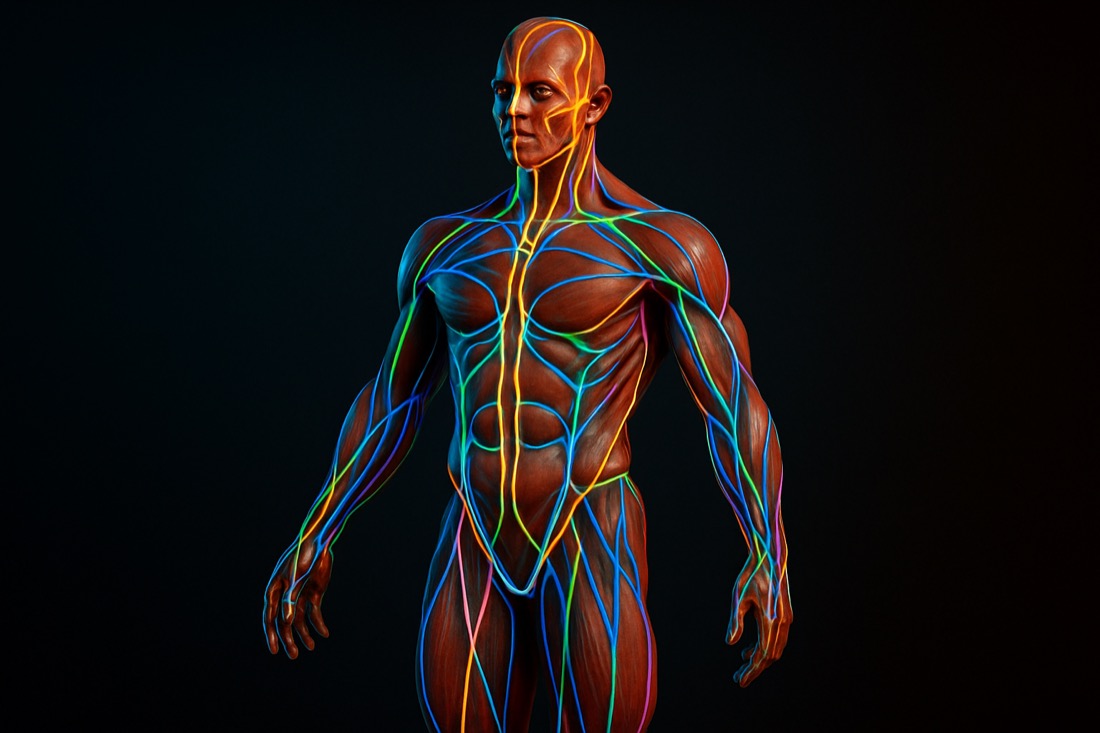
The brain-gut axis technique is an advanced method that leverages the connection between the brain and the digestive system to alleviate musculoskeletal pain. This approach emphasizes the role of the vagus nerve, which is pivotal in modulating stress and muscle tension throughout the body. By focusing on this axis, clinicians can potentially release tension and improve overall mobility [1].
This technique is particularly beneficial for individuals with persistent pain from past trauma or accidents. The brain-gut axis technique offers a holistic perspective, aiming to address both the physical and neurological aspects contributing to pain [2].
How does fascia release help with low back pain?
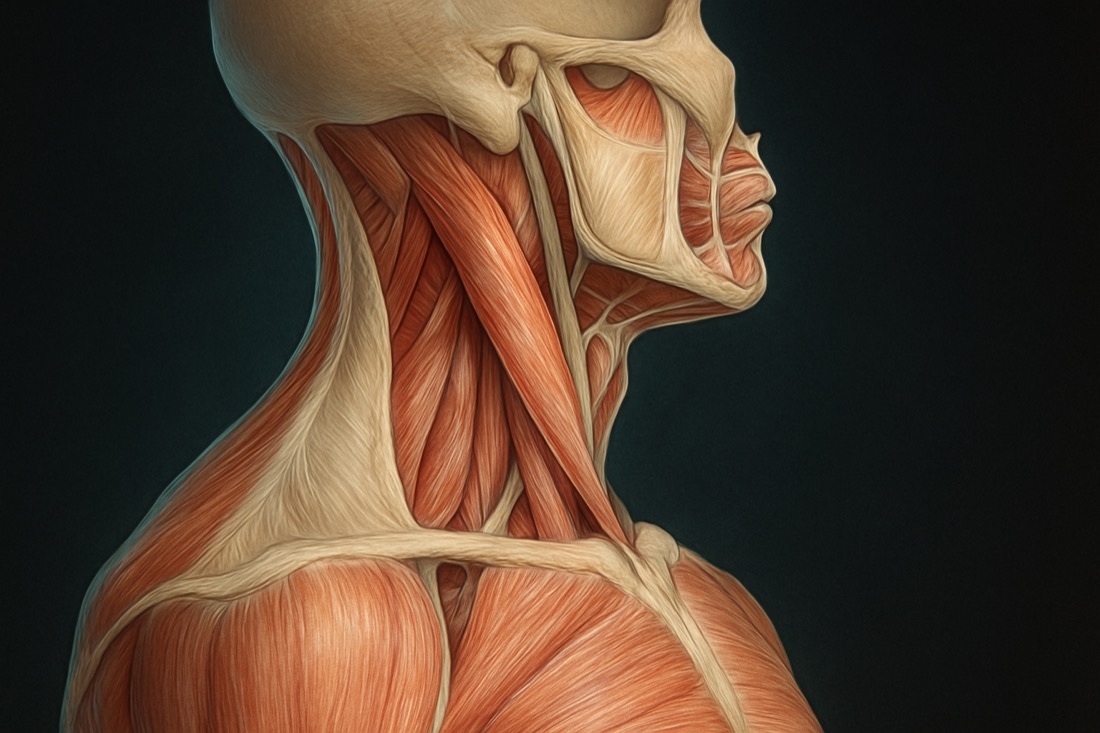
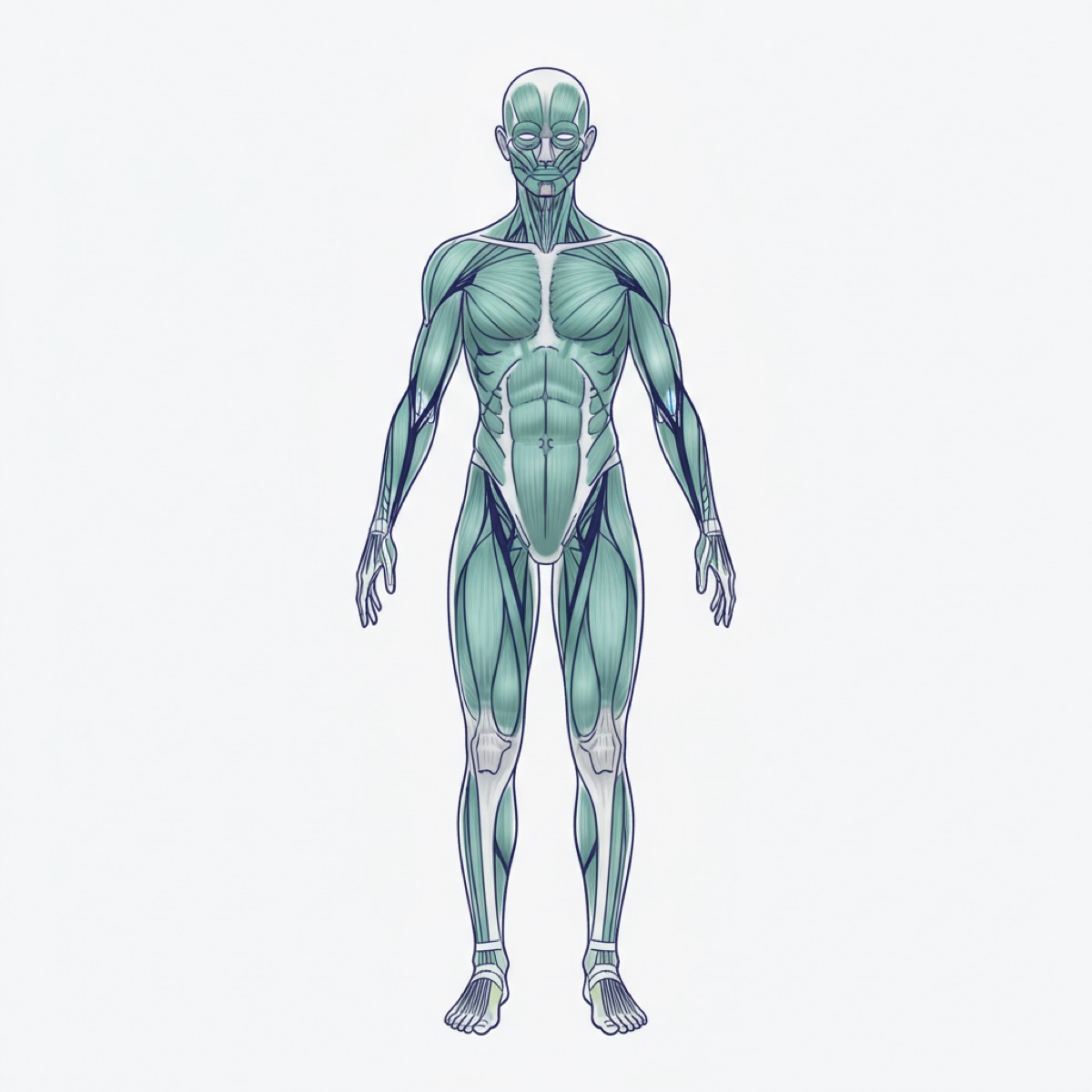
Fascia release therapy is a manual technique that targets the connective tissues surrounding muscles and organs. By applying pressure and movement, therapists can alleviate restrictions within the fascia, which often contribute to pain and stiffness in the low back area [3].
This therapy can be particularly effective when combined with the brain-gut axis technique, as it addresses both the physical tightness and the neurological factors influencing muscle tension. This dual approach may result in improved outcomes for those suffering from chronic low back pain [4].
What to expect from a session using the brain-gut axis technique
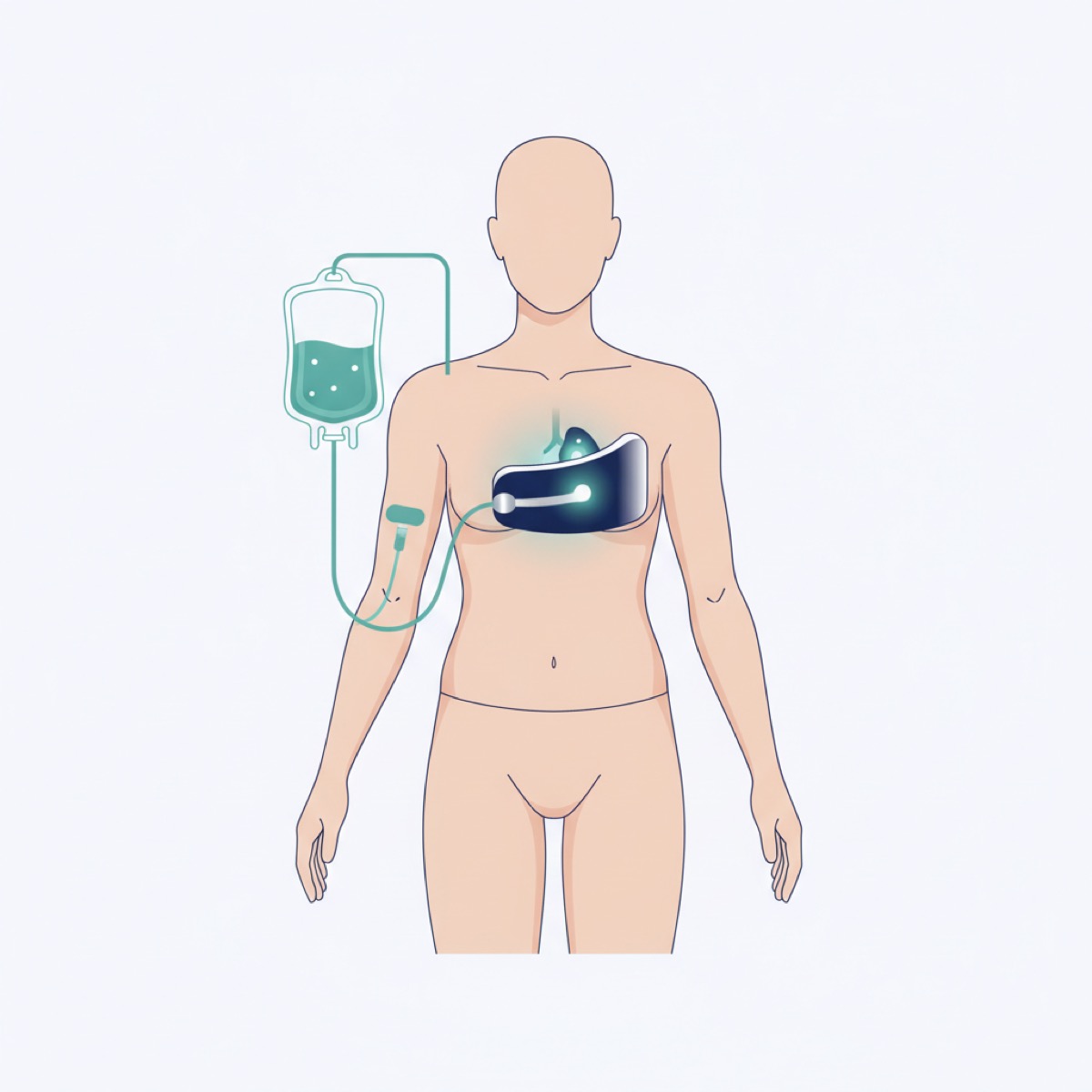
A session utilizing the brain-gut axis technique often begins with a comprehensive assessment to identify the sources of pain and tension. The clinician will then employ specific manual techniques to target the fascia and stimulate the vagus nerve, aiming to reduce stress and enhance relaxation [5].
Patients may experience immediate relief or gradual improvements over subsequent sessions. The technique's focus on both fascia release and neurological components ensures a thorough approach to pain management, although individual results can vary [6].
Benefits of the brain-gut axis technique for sciatica
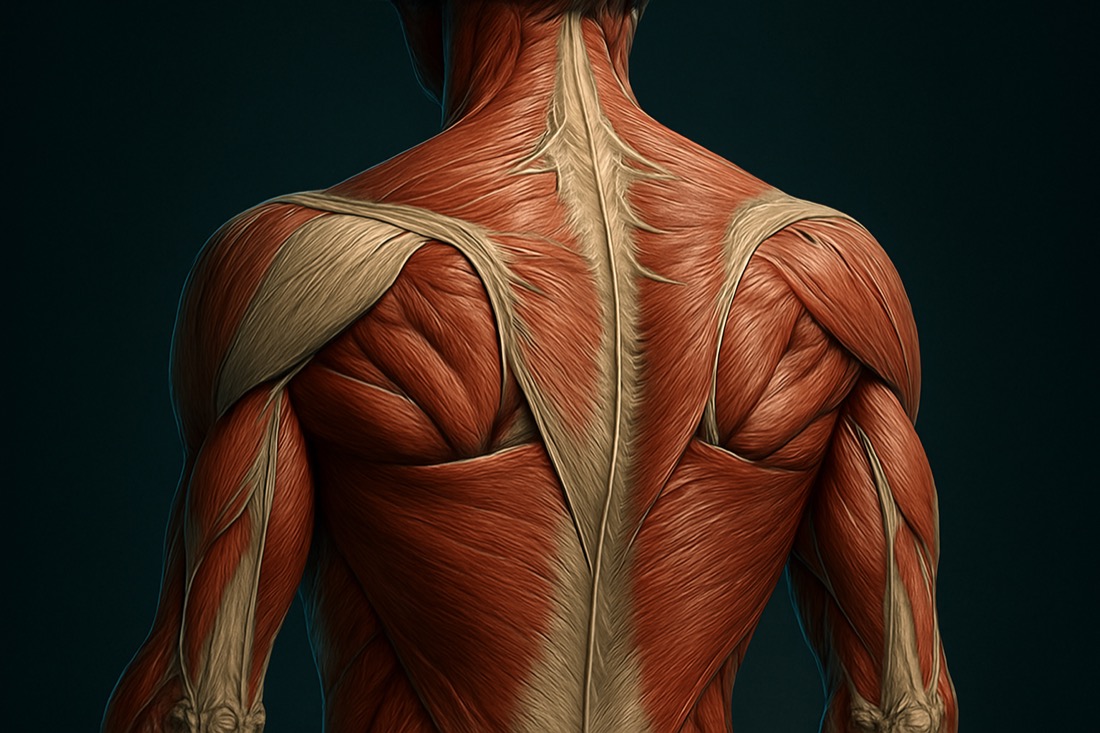
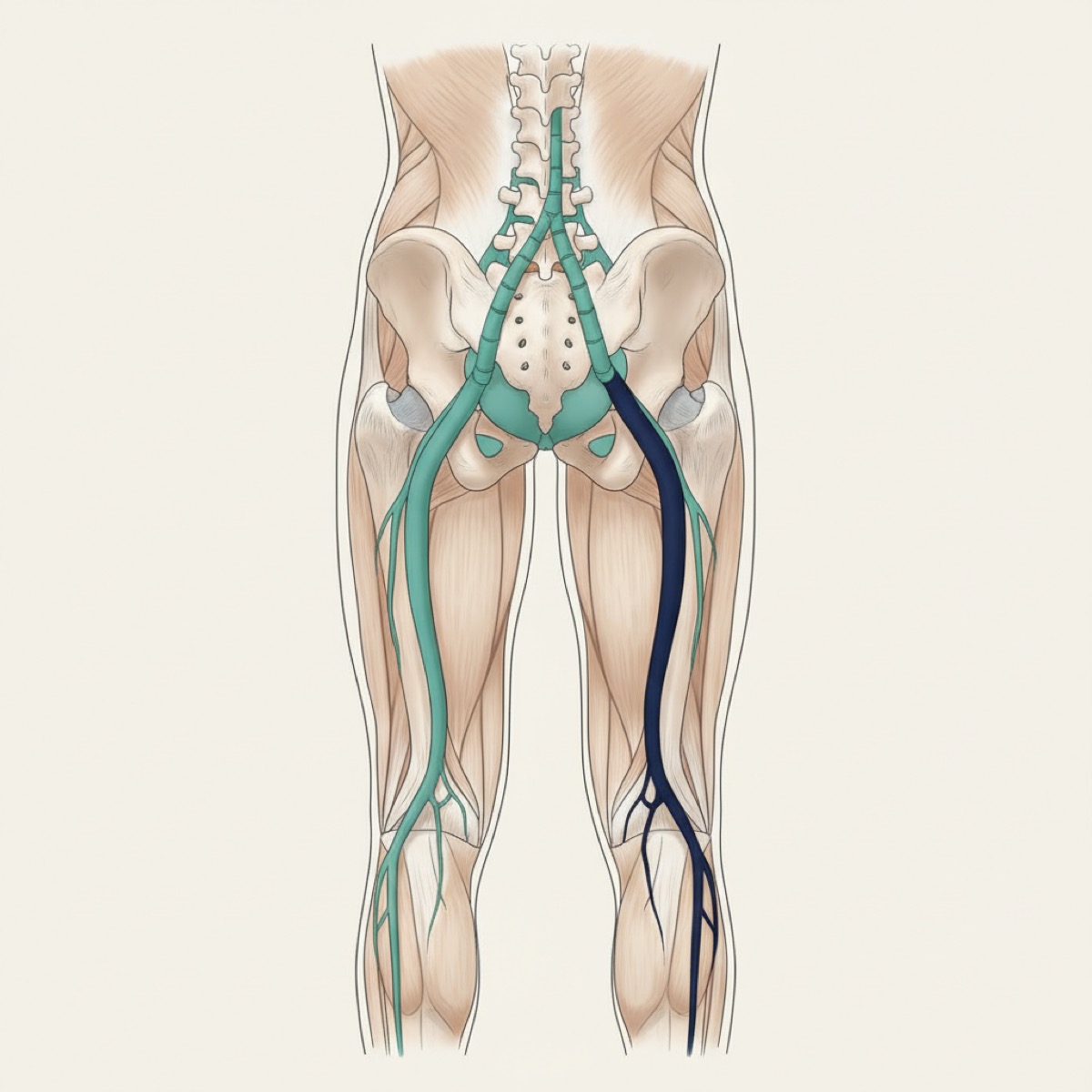
Sciatica, characterized by pain radiating along the sciatic nerve, can be particularly challenging to treat. The brain-gut axis technique offers a novel approach by addressing the underlying fascial and neurological factors contributing to this condition.
By facilitating relaxation and reducing tension through the vagus nerve, this technique may help alleviate the symptoms of sciatica more effectively than traditional methods alone. Patients often report reduced pain and improved function following treatment, although outcomes can vary based on individual circumstances.
Frequently asked questions
Is fascia release safe? — Fascia release is generally considered safe when performed by a trained professional. It is important to consult with a qualified therapist to ensure the technique is appropriate for your specific condition.
Can the brain-gut axis technique be used for other types of pain? — While primarily used for musculoskeletal pain, this technique may benefit other conditions influenced by stress and tension. However, further research is needed to fully understand its broader applications.
How long does it take to see results? — Results can vary; some patients may notice immediate improvements, while others might require multiple sessions to experience significant relief. Consistency and professional guidance are key to achieving the best outcomes.
References
- [1]Wilke J, Vogt L, Niederer D, Banzer W. Is remote stretching based on myofascial chains as effective as local exercise? A randomised-controlled trial. J Sports Sci. 2017;35(20):2021–2027.
- [2]Palomeque-del-Cerro L, Arráez-Aybar LA, Rodríguez-Blanco C, et al. A systematic review of the soft-tissue connections between neck muscles and dura mater: the myodural bridge. Spine. 2017;42(1):49–54.
- [3]Woolf CJ. Central sensitization: implications for the diagnosis and treatment of pain. Pain. 2011;152(3 Suppl):S2–S15.
- [4]Tracey KJ. The inflammatory reflex. Nature. 2002;420(6917):853–859.
- [5]Mayer EA. Gut feelings: the emerging biology of gut–brain communication. Nat Rev Neurosci. 2011;12(8):453–466.
- [6]Cryan JF, Dinan TG. Mind-altering microorganisms: the impact of the gut microbiota on brain and behaviour. Nat Rev Neurosci. 2012;13(10):701–712.