
The 'Pelvic Fascia Release' Pros Don't Talk About — The Move That Transforms Your Treatments
Original title (JP): プロが口外したがらない“骨盤筋膜リリース”──あなたの施術が劇的に変わる一手

Supervised by
Shogo Fujii
Physiotherapist (PT) · Founder of the SHOGO FUJII® FASCIA METHOD
View profile →Clinical Article · 7 min read
Persistent low back pain can often be traced to underlying fascial restrictions within the pelvis, a critical hub for body movement and stability. Understanding and addressing these deep fascial connections is key to effective relief. This article explores the principles and techniques of **pelvic fascia release for low back pain**, offering insights for both clinicians and informed patients seeking lasting solutions through targeted manual therapy.
Why Does Pelvic Fascia Contribute to Low Back Pain?
The human body is encased in a continuous web of connective tissue called fascia, linking seemingly disparate areas. When fascial restrictions develop in the pelvis, they can create tension and dysfunction that radiates far beyond the immediate area, contributing to various complaints including low back pain, shoulder stiffness, and even leg numbness [1]. The pelvis acts as a foundational structure, and imbalances here can cascade throughout the kinetic chain.
For instance, restrictions impacting the pelvis might be linked to tension in muscles like the latissimus dorsi, the long head of the triceps, or even the teres minor, influencing cervical or thoracic spine alignment. Conversely, specific areas in the lower body, such as the vastus lateralis, fibularis muscles, or the Kidney 1 acupressure point on the sole of the foot, can significantly impact pelvic stability and contribute to low back discomfort [2].
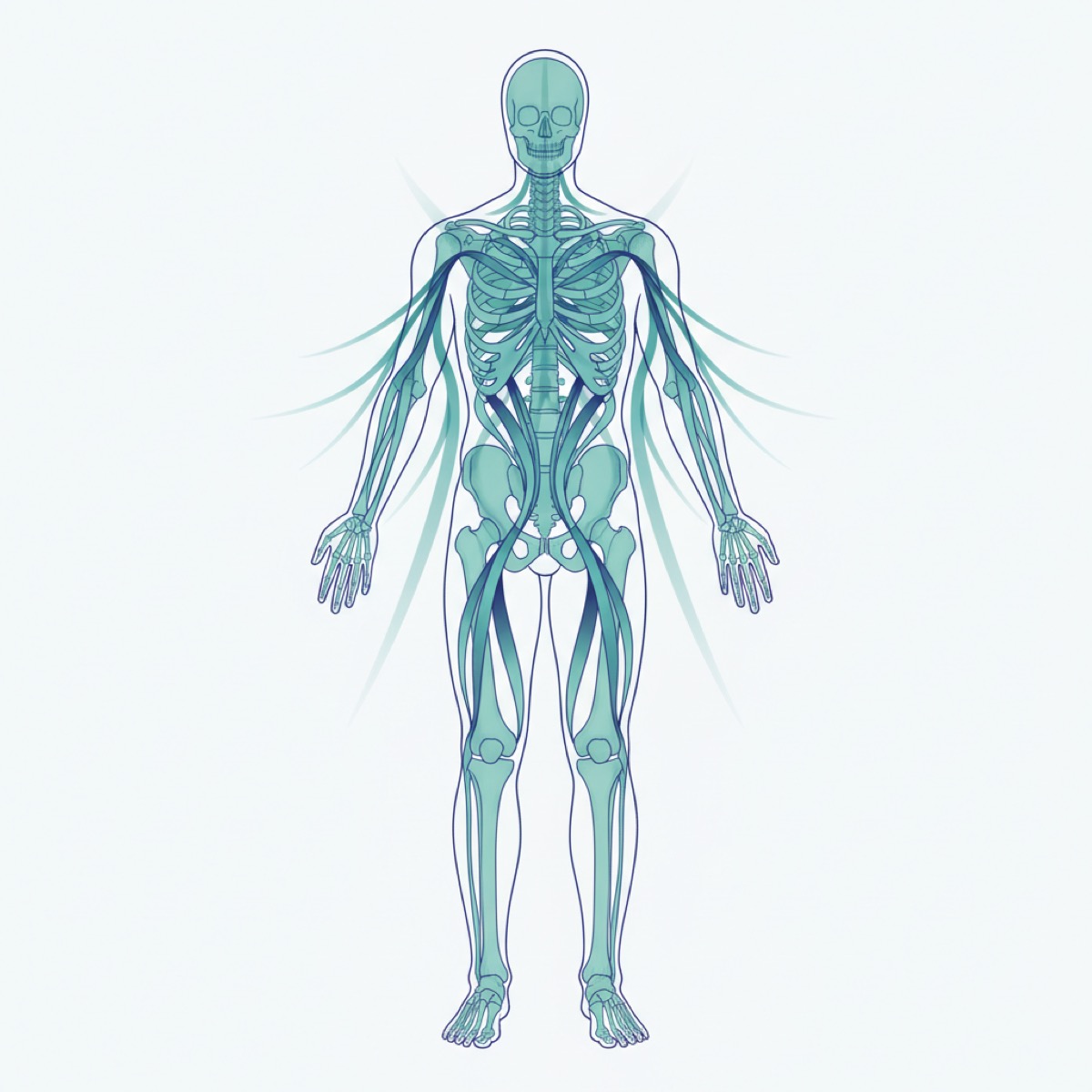
The Foundation: Accurately Locating the Pelvis for Fascia Release
Effective pelvic fascia release begins with precise anatomical identification. A crucial landmark is the Posterior Superior Iliac Spine (PSIS), a bony prominence on the lower back of the pelvis. To accurately engage the pelvis, practitioners must master the skill of locating the inferior aspect of the PSIS.
Using the thenar eminence (the fleshy part of the palm at the base of the thumb), the PSIS is palpated. Once identified, a specific, diagonal vector of pressure, directed towards the contralateral side, is applied. This initial engagement is fundamental; without correctly identifying and stabilizing the PSIS, comprehensive pelvic adjustment becomes challenging [3]. Developing this tactile sensitivity is the first step in effective manual therapy.
How to Identify Key Fascial Restrictions for Pelvic Stability
Not all patients will present with the same fascial restrictions, emphasizing the need for an individualized assessment. The body's response during palpation guides the treatment. Three specific areas are often key to unlocking pelvic stability and relieving associated low back pain:
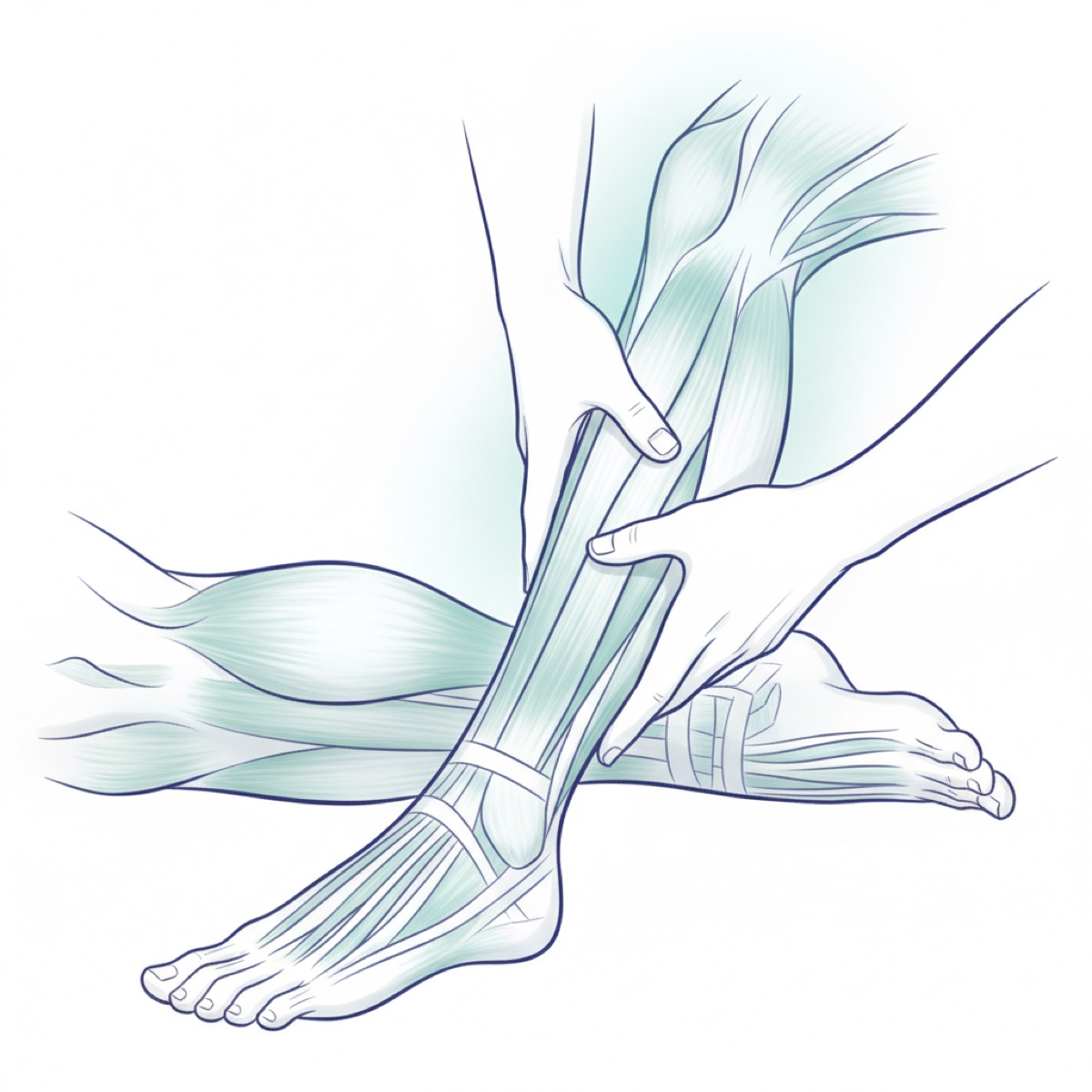
1. **Vastus Lateralis:** Palpate the insertion point of the vastus lateralis muscle near the knee joint. Apply gentle pressure and observe if the pelvis responds with a subtle movement or softening. This muscle, part of the quadriceps, has fascial connections that can tether pelvic motion.
2. **Fibularis Muscles (Peroneals):** Locate the area just inferior to the head of the fibula. Palpate for tightness and assess for a pelvic response. The fibularis muscles, critical for ankle stability, also have fascial links that can influence pelvic alignment.
3. **Kidney 1 (Yūsen) Acupressure Point:** Found on the sole of the foot, typically in the depression just behind the ball of the foot. Apply firm, yet gentle, rubbing pressure with the thumb while slightly dorsiflexing the forefoot. Observe if this elicits a noticeable change or movement in the pelvis. This point, recognized in traditional medicine, can have profound fascial effects on the entire lower kinetic chain [4].
The goal is to find which of these (or other) points elicits a distinct response in the pelvis, indicating it's a primary area of restriction. If a point doesn't react, it suggests that particular area isn't the primary driver of the patient's pelvic dysfunction at that moment.

Mastering the Art of Fascial Release: From Initiation to Resolution
True mastery in fascia release transcends rigid techniques; it lies in developing a finely tuned tactile sense to perceive the body's subtle responses. Once a reactive point is identified (e.g., the vastus lateralis or fibularis muscles), the practitioner applies consistent, light pressure. The initial response might be a 'shift' or 'float' in the pelvis, indicating the fascial system is beginning to yield [5].
The key is to maintain this gentle, consistent pressure, following the body's lead. As the fascial restriction releases, the pelvis will gradually 'sink' or 'settle,' and the tissue under the palpating hand will soften. The treatment is not dictated by a set time or number of repetitions, but by the body's own resolution. When the pelvis ceases to move and feels 'settled' or 'stable' under consistent pressure, the release is complete. This feedback loop, where the patient's body communicates the treatment's end, is crucial for achieving optimal and lasting results, often leading to significant improvements in range of motion and pain reduction [6].
Frequently asked questions
Is fascia release safe? — Pelvic fascia release, when performed by a trained and experienced clinician, is generally considered safe. It involves gentle, sustained pressure rather than forceful manipulation. As with any manual therapy, it's essential to communicate any discomfort during the session, and a thorough assessment should precede treatment to ensure its appropriateness for your specific condition.
How quickly can I expect results from pelvic fascia release? — Many individuals report feeling immediate changes in pain levels, range of motion, or a sense of lightness and improved circulation after a session. However, the duration and number of treatments needed vary widely depending on the chronicity and complexity of the fascial restrictions. Consistent application of these techniques can lead to progressive and sustained relief from low back pain and other related symptoms.
Why is tactile sensitivity so important in fascia therapy? — Tactile sensitivity is paramount because fascia release relies on the therapist's ability to 'listen' to the body through their hands. It's not about applying a generic technique but about identifying individual fascial restrictions, feeling the subtle tissue responses, and knowing when a release has occurred and completed. This refined sensory skill allows for a truly personalized and effective treatment that respects the unique needs of each patient's fascial system.
References
- [1]Tracey KJ. The inflammatory reflex. Nature. 2002;420(6917):853–859.
- [2]Mayer EA. Gut feelings: the emerging biology of gut–brain communication. Nat Rev Neurosci. 2011;12(8):453–466.
- [3]Cryan JF, Dinan TG. Mind-altering microorganisms: the impact of the gut microbiota on brain and behaviour. Nat Rev Neurosci. 2012;13(10):701–712.
- [4]Guo R, Chen LH, Xing C, Liu T. Pain regulation by gut microbiota: molecular mechanisms and therapeutic potential. Br J Anaesth. 2019;123(5):637–654.
- [5]Ricciotti E, FitzGerald GA. Prostaglandins and inflammation. Arterioscler Thromb Vasc Biol. 2011;31(5):986–1000.
- [6]Salehi B, Venditti A, Sharifi-Rad M, et al. The therapeutic potential of apigenin. Int J Mol Sci. 2019;20(6):1305.
Related videos

Palpation X-Ray #84 | Is the Sacrum Really a Flat Plate? It's a Wedge, Wide at the Top and Narrowing Downward — Trace Down from the Lumbar Spine and Confirm at Gluteus Maximus
0:56
Dramatic Improvement in One Session: Manual Approach to the Pelvic Girdle, with Palpation of Anatomical Landmarks and Movement Assessment Before and After (Hands-On Demo)
5:48