
Tendonitis & Trigger Finger: Instantly Fixing Finger Pain
Original title (JP): 【腱鞘炎・ばね指】指の痛みを一発で治す動画

Supervised by
Shogo Fujii
Physiotherapist (PT) · Founder of the SHOGO FUJII® FASCIA METHOD
View profile →Clinical Article · 5 min read
Fascia release for low back pain may hold the key to alleviating finger pain and conditions like tendonitis and trigger finger. By understanding the connections within the body, particularly the role of the spine, this approach offers a unique way to address discomfort in the fingers by focusing on central structures rather than just peripheral symptoms.
Why does finger pain relate to the spine?
Many clinicians overlook the link between finger pain and the spine, specifically the thoracic region. According to Shogo Fujii, understanding this connection is crucial as the spine acts as a central hub where various bodily tensions converge[1]. By addressing spinal issues, one may alleviate finger pain, including conditions like tendonitis and trigger finger.
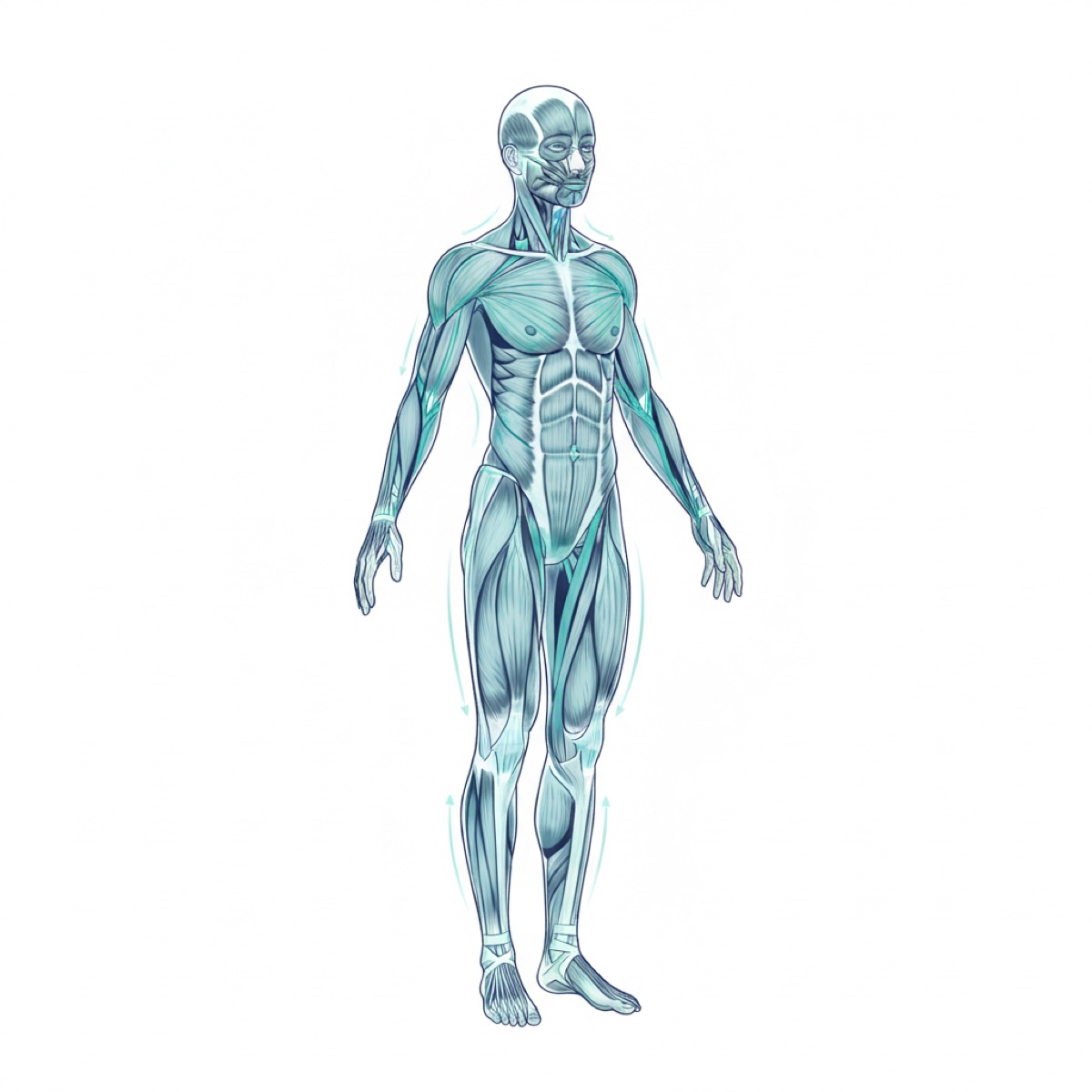
Fujii emphasizes the importance of anatomical trains, which are lines of fascia that connect different muscle groups. This knowledge allows practitioners to see beyond the site of pain and address the root cause, which often stems from the spine[2].
How does fascia release work for finger pain?
Fascia release involves manipulating the connective tissue surrounding muscles and organs to relieve tension and improve movement. For finger pain, this method can be surprisingly effective as it targets the interconnected fascial lines running from the spine to the fingers.
Shogo Fujii's approach involves assessing spinal alignment and fascia tension to determine the source of finger pain. By focusing on these central structures, clinicians can often reduce symptoms more effectively than by treating the fingers alone[3].
What to expect from a fascia release session?
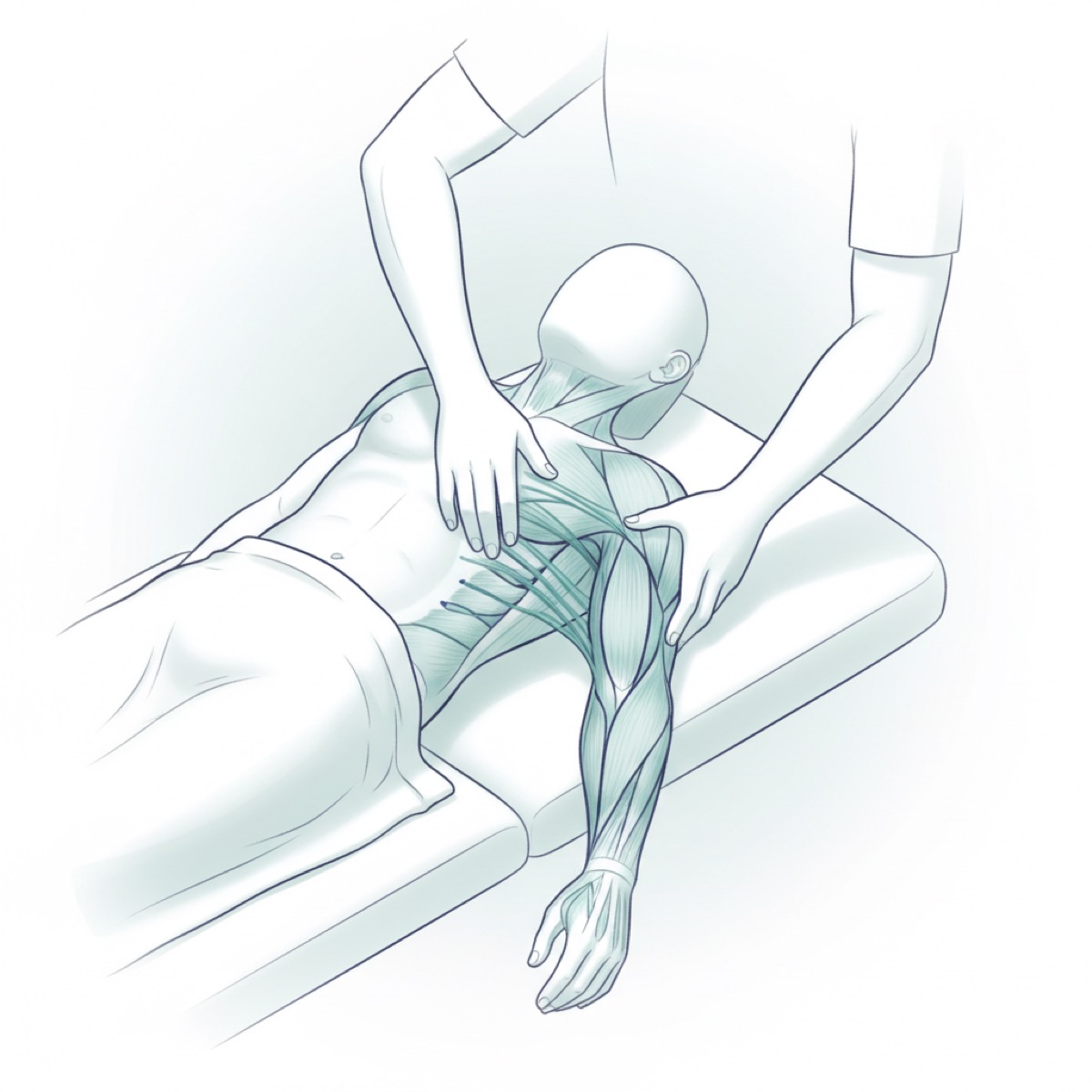
During a fascia release session, practitioners will evaluate the spine and related fascial lines to identify tension points. Techniques may include gentle manipulation and pressure to realign the fascia and relieve stress.
Patients might experience immediate relief or a gradual reduction in symptoms as the body adjusts to the changes. Regular sessions may be recommended to maintain improvements and prevent recurrence of finger pain[4].
Can fascia release help with trigger finger?
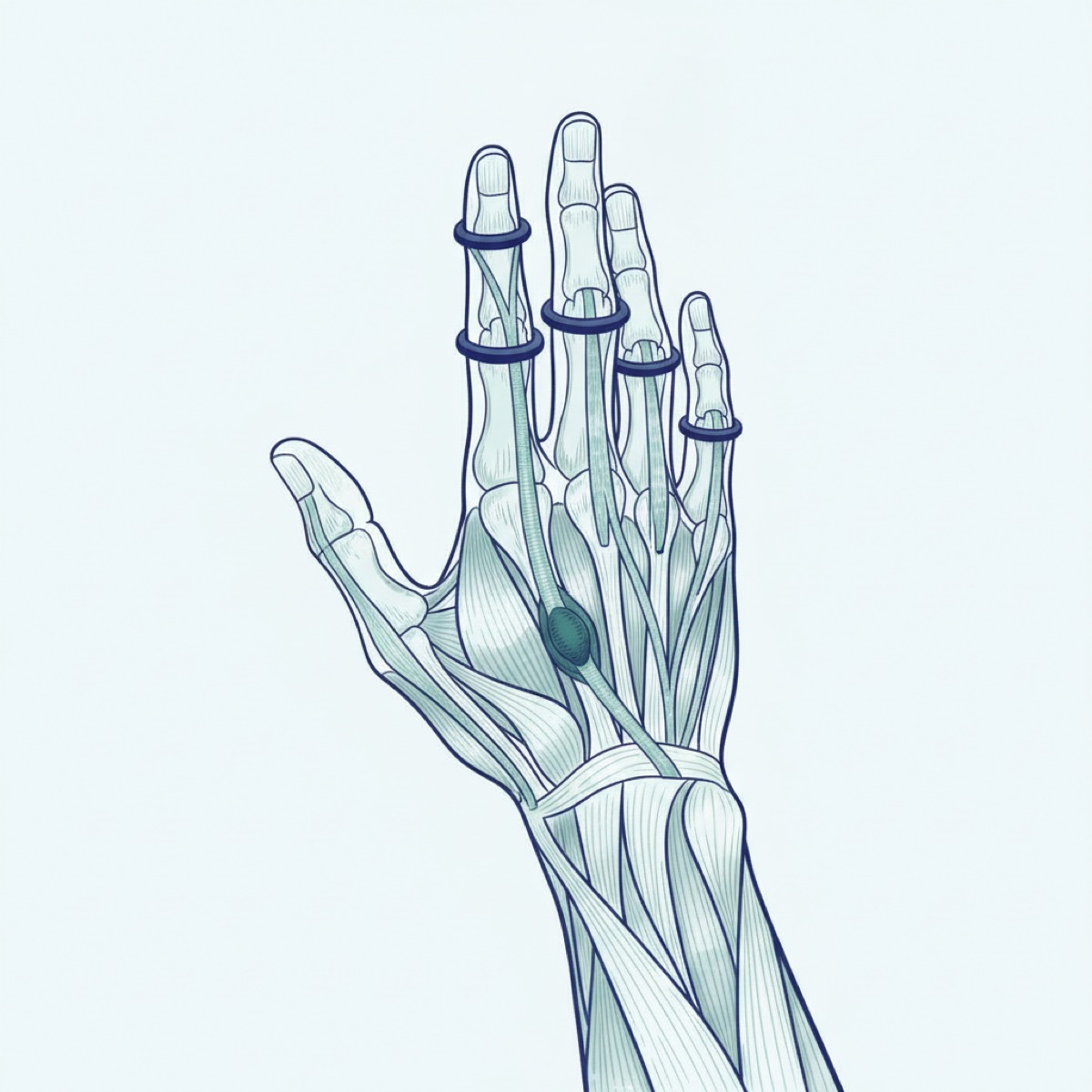
Trigger finger, characterized by a painful catching or locking of the fingers, may benefit from fascia release therapy. By addressing the fascial connections from the spine to the hands, tension that contributes to this condition can be relieved.
Shogo Fujii's method involves analyzing the central and peripheral connections, ensuring that any treatment aligns with the body's natural mechanics. This holistic approach can offer relief and improve hand function over time[5].
Frequently asked questions
Is fascia release safe? — Fascia release is generally considered safe when performed by trained professionals. It is non-invasive and focuses on gentle techniques to relieve tension[6].
How soon will I see results? — Results can vary, with some individuals experiencing immediate relief, while others may notice gradual improvements over several sessions.
Can fascia release be combined with other treatments? — Yes, fascia release can complement other treatments such as physical therapy and exercises. It is advisable to consult with a healthcare provider to tailor a comprehensive treatment plan.
References
- [1]Tozzi P, Bongiorno D, Vitturini C. Fascial release effects on patients with non-specific cervical or lumbar pain. J Bodyw Mov Ther. 2011;15(4):405–416.
- [2]Zügel M, Maganaris CN, Wilke J, et al. Fascial tissue research in sports medicine: from molecules to tissue adaptation, injury and diagnostics: consensus statement. Br J Sports Med. 2018;52(23):1497.
- [3]Klingler W, Velders M, Hoppe K, Pedro M, Schleip R. Clinical relevance of fascial tissue and dysfunctions. Curr Pain Headache Rep. 2014;18(8):439.
- [4]Wilke J, Vogt L, Niederer D, Banzer W. Is remote stretching based on myofascial chains as effective as local exercise? A randomised-controlled trial. J Sports Sci. 2017;35(20):2021–2027.
- [5]Palomeque-del-Cerro L, Arráez-Aybar LA, Rodríguez-Blanco C, et al. A systematic review of the soft-tissue connections between neck muscles and dura mater: the myodural bridge. Spine. 2017;42(1):49–54.
- [6]Woolf CJ. Central sensitization: implications for the diagnosis and treatment of pain. Pain. 2011;152(3 Suppl):S2–S15.
Related videos

Palpation X-Ray #84 | Is the Sacrum Really a Flat Plate? It's a Wedge, Wide at the Top and Narrowing Downward — Trace Down from the Lumbar Spine and Confirm at Gluteus Maximus
0:56
Dramatic Improvement in One Session: Manual Approach to the Pelvic Girdle, with Palpation of Anatomical Landmarks and Movement Assessment Before and After (Hands-On Demo)
5:48