Pelvic Medicine: Moving the Pelvis Just 1mm Dramatically Changes Your Face
Original title (JP): 骨盤医学:【衝撃】骨盤を1mm動かすだけで、顔が劇的に変わる!!

Supervised by
Shogo Fujii
Physiotherapist (PT) · Founder of the SHOGO FUJII® FASCIA METHOD
View profile →Clinical Article · 7 min read
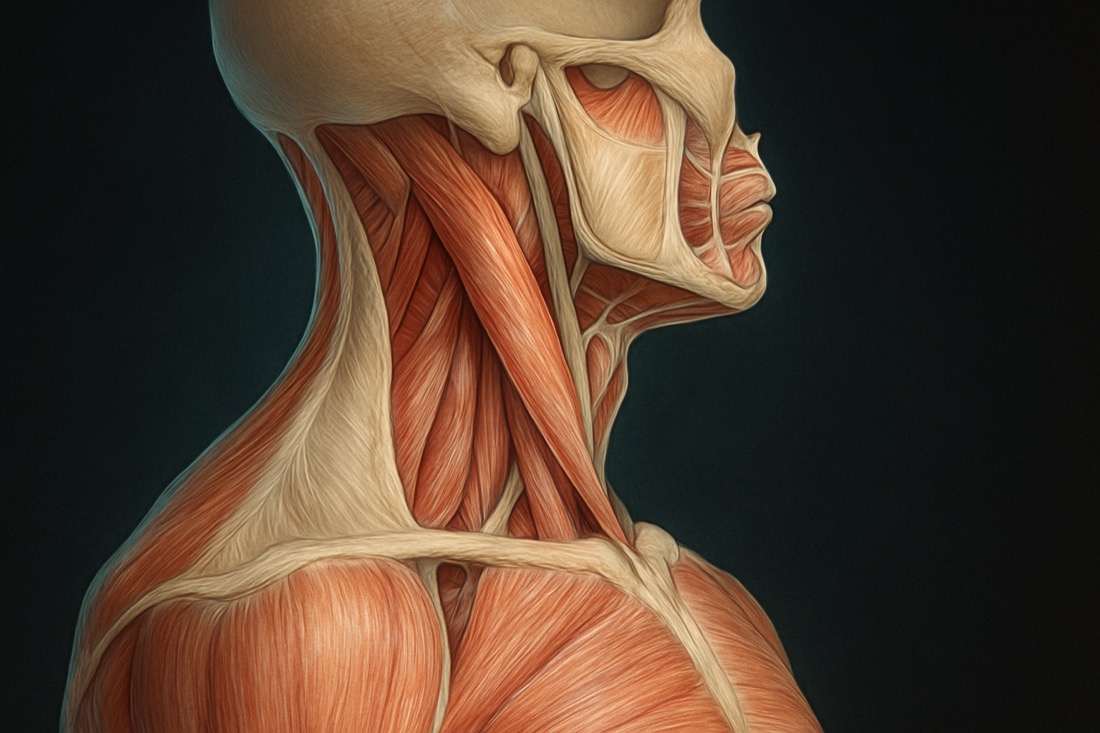
The human body is an intricate network where minor imbalances can ripple throughout the entire system. At its core, the pelvis is a central hub whose stability profoundly influences everything from spinal health to limb function, and even facial aesthetics. Emerging therapeutic approaches, such as **pelvic fascia release**, are gaining recognition for their potential to address a broad spectrum of physical complaints by targeting deep fascial connections originating from this crucial anatomical region [1]. This article explores how precise adjustments in the pelvis can unlock widespread relief and unexpected benefits, offering a new perspective on holistic wellness.
Why the Pelvis is Key to Whole-Body Wellness: Understanding Pelvic Fascia Release
The pelvis acts as the body's central anchor, distributing forces and supporting the trunk while facilitating lower limb movement. When this central structure is even slightly misaligned—sometimes by as little as 1mm—it can create a cascade of tension and dysfunction throughout the fascial network [2]. Traditional pain approaches often focus on the site of discomfort, but a deeper understanding of anatomy and fascial connections reveals the true source might be far removed from where symptoms manifest.
Experts in fascial therapy emphasize that the pelvis is not just bones but a complex interplay of muscles, ligaments, and fascia communicating with every other body part. By skillfully addressing fascial restrictions around the pelvis, practitioners aim to restore balance, alleviate pain, and improve overall functional movement, demonstrating the profound systemic impact of targeted **pelvic fascia release** [3]. This approach challenges conventional thinking, suggesting effective intervention at the body's core can yield comprehensive benefits.
The Intricate Web: How Pelvic Dysfunction Affects Distant Body Parts
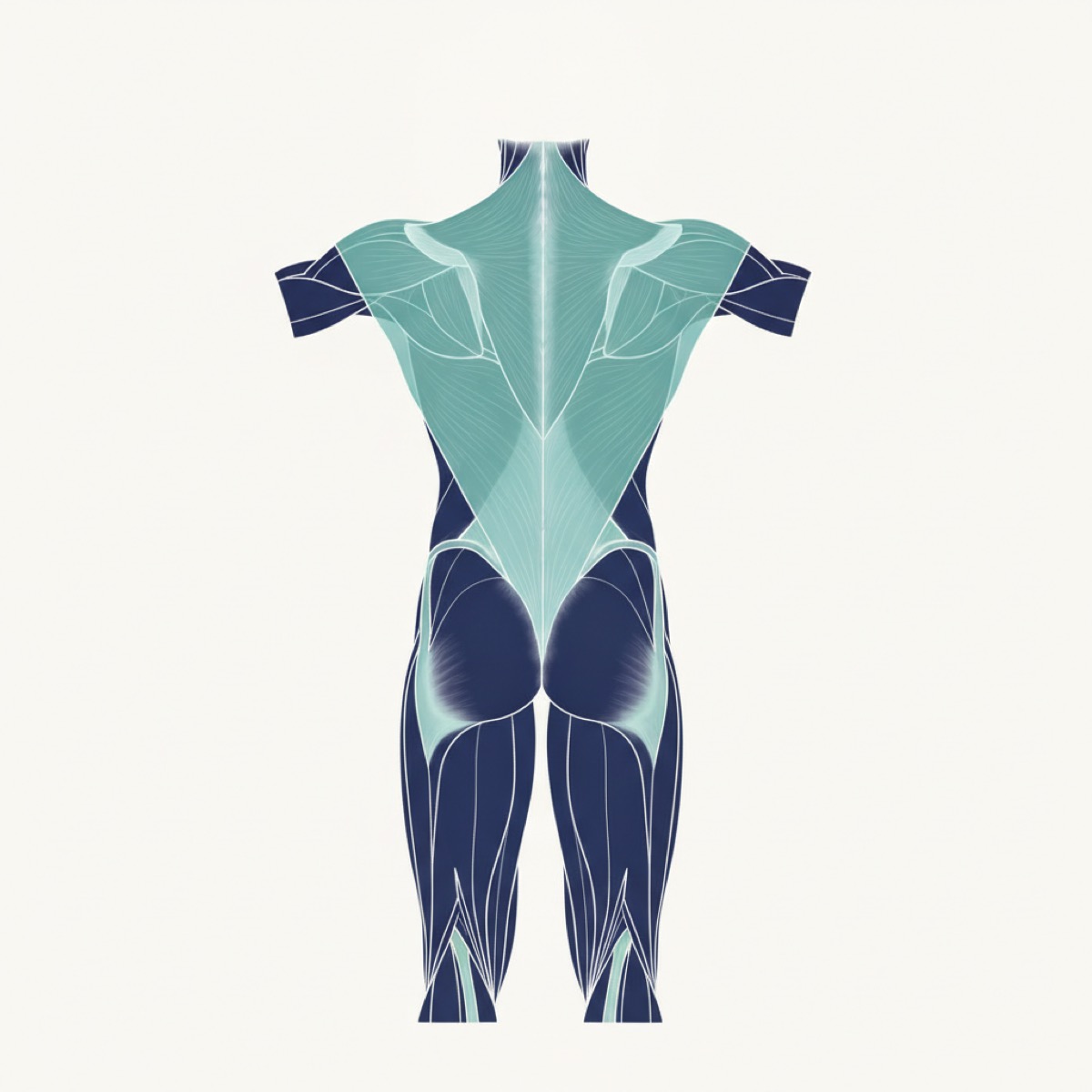
Fascia, a continuous web of connective tissue, envelops every muscle, bone, organ, and nerve, linking them into a unified system. A restriction in the pelvic fascia can transmit tension along these lines, leading to symptoms in seemingly unrelated areas. For instance, a tight iliotibial band, often associated with pelvic imbalance, can contribute to knee pain, while deeper fascial lines can influence neck and shoulder posture [4]. The body compensates for pelvic asymmetry, creating patterns that manifest as chronic pain or reduced mobility elsewhere.
Specific anatomical points are often implicated in pelvic distortion. The Posterior Superior Iliac Spine (PSIS) is a key indicator of pelvic alignment. Furthermore, muscles like the vastus lateralis in the outer thigh, and even the fibula bone in the lower leg, have significant fascial connections that can pull on the pelvis, contributing to its misalignment. Even a specific point on the sole of the foot can exert influence, demonstrating the truly interconnected nature of our physical structure and highlighting the need for a holistic approach to **myofascial pain relief** [5].
How Pelvic Fascia Release Works: A Targeted Clinical Approach
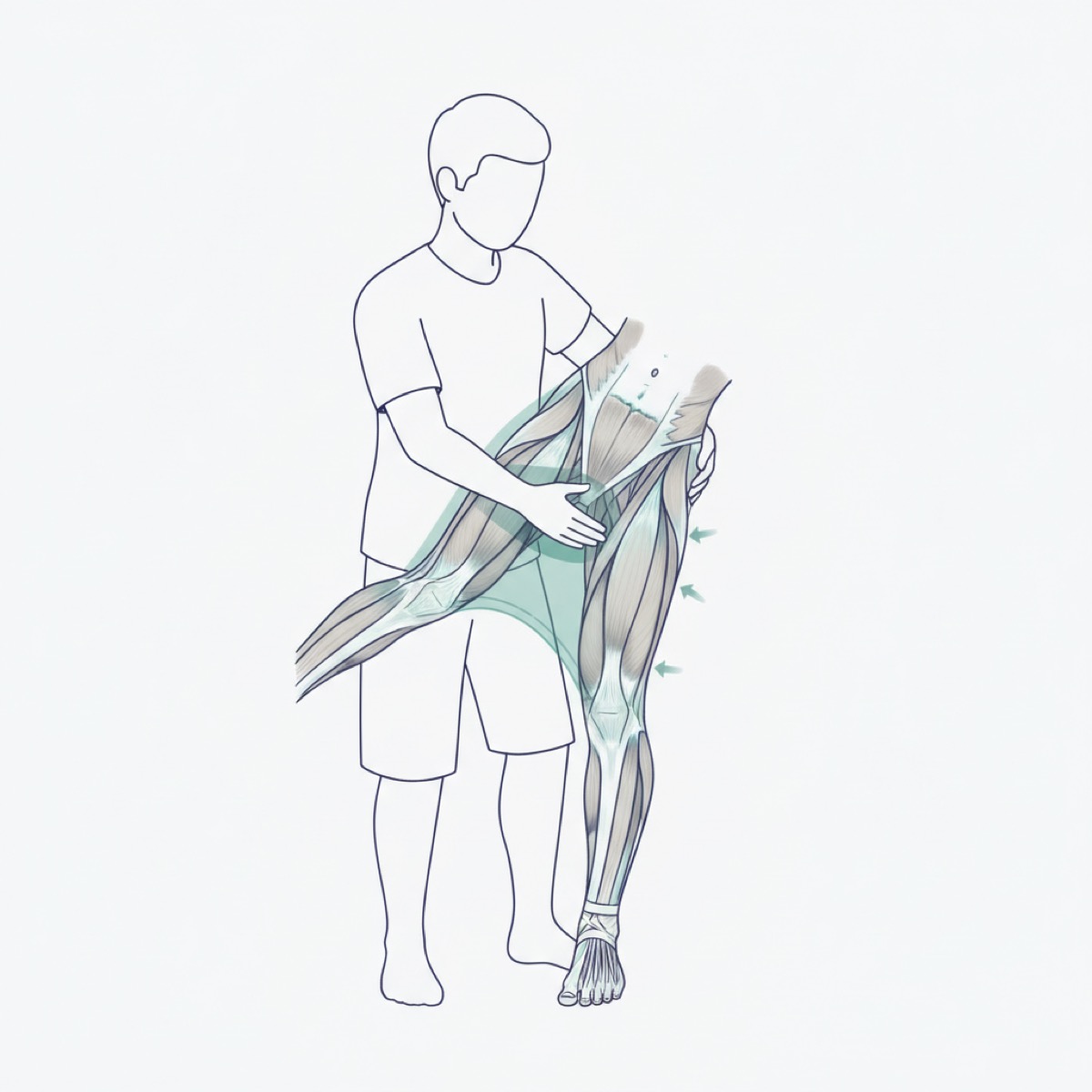
Effective **pelvic fascia release** involves a precise, hands-on technique that addresses specific points of restriction. Practitioners typically begin by palpating the PSIS to assess pelvic alignment and identify areas of tension. The vastus lateralis, a large muscle on the outer aspect of the thigh, is often a primary target. A skilled therapist will locate areas of hardness or "lumps" within this muscle, indicating fascial adhesions.
The technique involves applying gentle, sustained pressure and subtle oscillation to these restricted areas, particularly in the vastus lateralis, while observing for a corresponding release in the PSIS or other connected pelvic structures. This gentle manipulation encourages the fascial tissue to lengthen and soften, releasing the tension that pulls the pelvis out of alignment. The process is not about forceful manipulation but about facilitating the body's natural ability to release and rebalance, often described as a "spreading" sensation as tension dissipates [6]. This careful and informed approach forms the basis of effective **postural alignment therapy**.
Beyond Pain Relief: The Unexpected Benefits of Pelvic Alignment
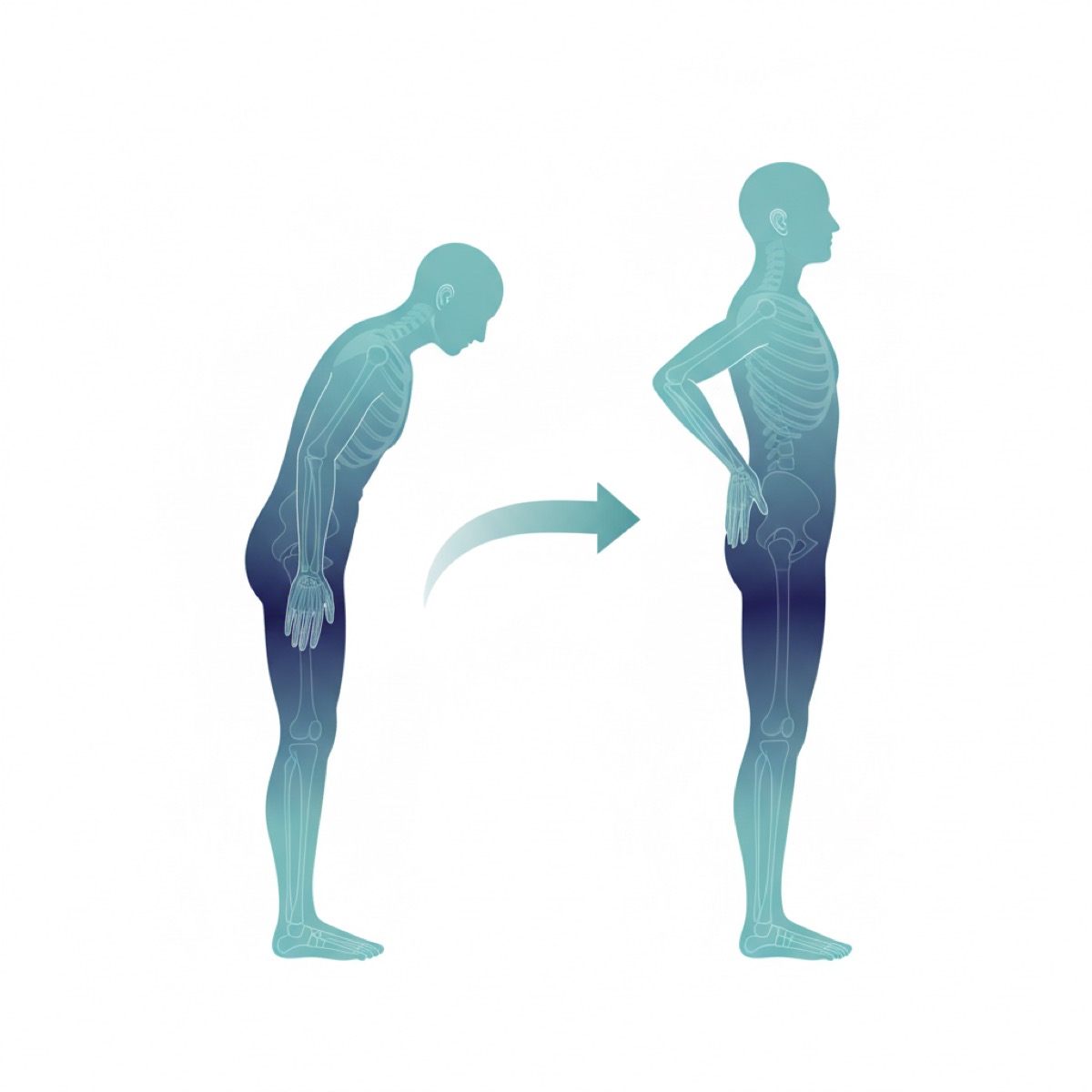
While pain relief and improved mobility are primary goals of **pelvic fascia release**, the systemic nature of fascial connections can lead to surprising and wide-ranging benefits. Many individuals report significant improvements in flexibility, such as increased range of motion during a forward bend or a feeling of "lighter" legs, immediately following a targeted pelvic adjustment. This improved biomechanics can enhance athletic performance and daily functional movements.
Perhaps one of the most unexpected outcomes, as observed in clinical practice, is the potential for positive changes in facial aesthetics. Pelvic alignment has been linked to reductions in under-eye dark circles, improved facial symmetry, and even a perception of a "smaller" or more balanced facial structure. This phenomenon is attributed to fascial connections that extend from the pelvis, particularly from the PSIS, all the way up to the cheekbones and surrounding facial tissues. By releasing tension at the pelvic foundation, the entire fascial chain can unwind, potentially alleviating facial distortions caused by distant pulling forces.
Frequently asked questions
Is fascia release safe? — Yes, when performed by a trained and qualified practitioner, fascia release is generally considered safe. It involves gentle, sustained pressure rather than forceful manipulation, making it a low-risk therapy. However, as with any therapeutic intervention, it's crucial to consult with a healthcare professional to ensure it's appropriate for your specific condition and to discuss any underlying health concerns.
How many sessions are needed for pelvic fascia release? — The number of sessions required varies greatly depending on the individual's condition, the chronicity of their symptoms, and their body's response to therapy. Some individuals may experience significant relief or changes after just one session, while others with long-standing issues may benefit from a series of treatments over several weeks or months. Your practitioner will typically assess your progress and recommend a personalized treatment plan.
Can pelvic fascia release help with chronic pain? — Yes, pelvic fascia release can be a highly effective approach for managing and alleviating various forms of chronic pain, especially those linked to postural imbalances and fascial restrictions. By addressing the root cause of tension and dysfunction in the body's central framework, it can help break cycles of pain and compensation. It's often used as part of a comprehensive treatment plan for conditions like low back pain, sciatica, hip pain, and even some forms of headaches.
References
- [1]Krause F, Wilke J, Vogt L, Banzer W. Intermuscular force transmission along myofascial chains: a systematic review. J Anat. 2016;228(6):910–918.
- [2]Stecco C, Stern R, Porzionato A, et al. Hyaluronan within fascia in the etiology of myofascial pain. Surg Radiol Anat. 2011;33(10):891–896.
- [3]Ajimsha MS, Al-Mudahka NR, Al-Madzhar JA. Effectiveness of myofascial release: a systematic review of randomized controlled trials. J Bodyw Mov Ther. 2015;19(1):102–112.
- [4]Tozzi P, Bongiorno D, Vitturini C. Fascial release effects on patients with non-specific cervical or lumbar pain. J Bodyw Mov Ther. 2011;15(4):405–416.
- [5]Zügel M, Maganaris CN, Wilke J, et al. Fascial tissue research in sports medicine: from molecules to tissue adaptation, injury and diagnostics: consensus statement. Br J Sports Med. 2018;52(23):1497.
- [6]Klingler W, Velders M, Hoppe K, Pedro M, Schleip R. Clinical relevance of fascial tissue and dysfunctions. Curr Pain Headache Rep. 2014;18(8):439.
Related videos
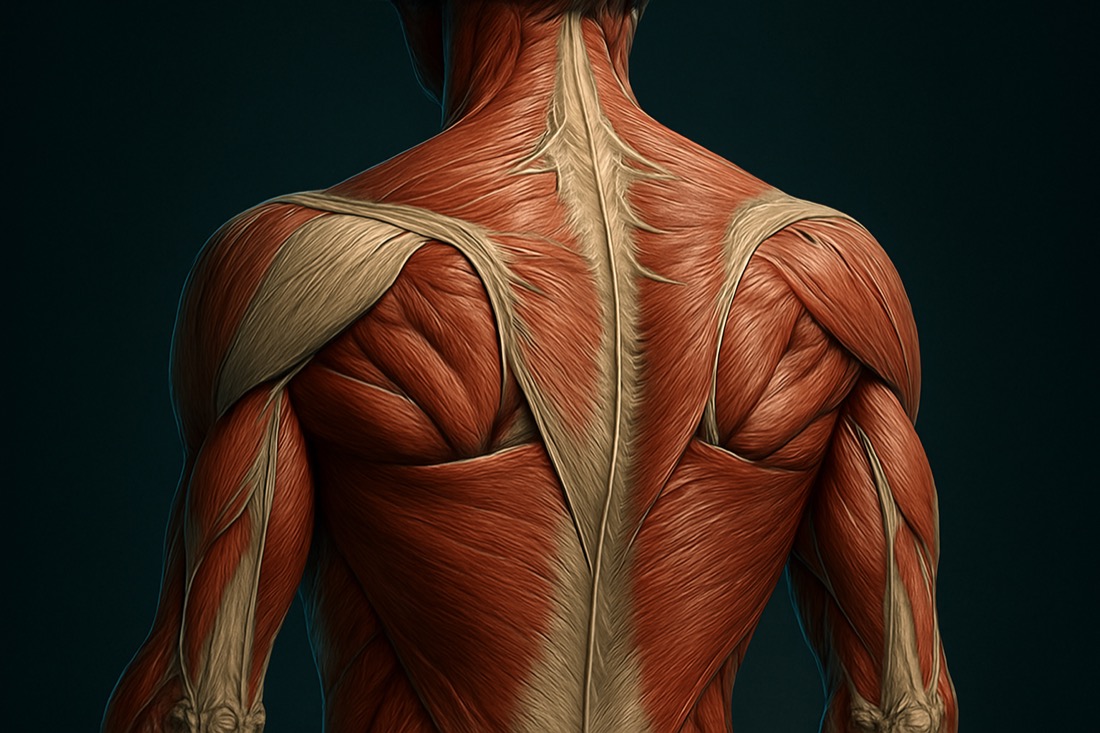
Palpation X-Ray #84 | Is the Sacrum Really a Flat Plate? It's a Wedge, Wide at the Top and Narrowing Downward — Trace Down from the Lumbar Spine and Confirm at Gluteus Maximus
0:56
Dramatic Improvement in One Session: Manual Approach to the Pelvic Girdle, with Palpation of Anatomical Landmarks and Movement Assessment Before and After (Hands-On Demo)
5:48