Neck and Shoulder Tension Can Be This Easy to Release — Scalene Release x Anatomy Trains
Original title (JP): 【“首こり・肩こり”は、ここまで簡単に取れる】〜斜角筋リリース×アナトミーラインの極意

Supervised by
Shogo Fujii
Physiotherapist (PT) · Founder of the SHOGO FUJII® FASCIA METHOD
View profile →Clinical Article · 7 min read
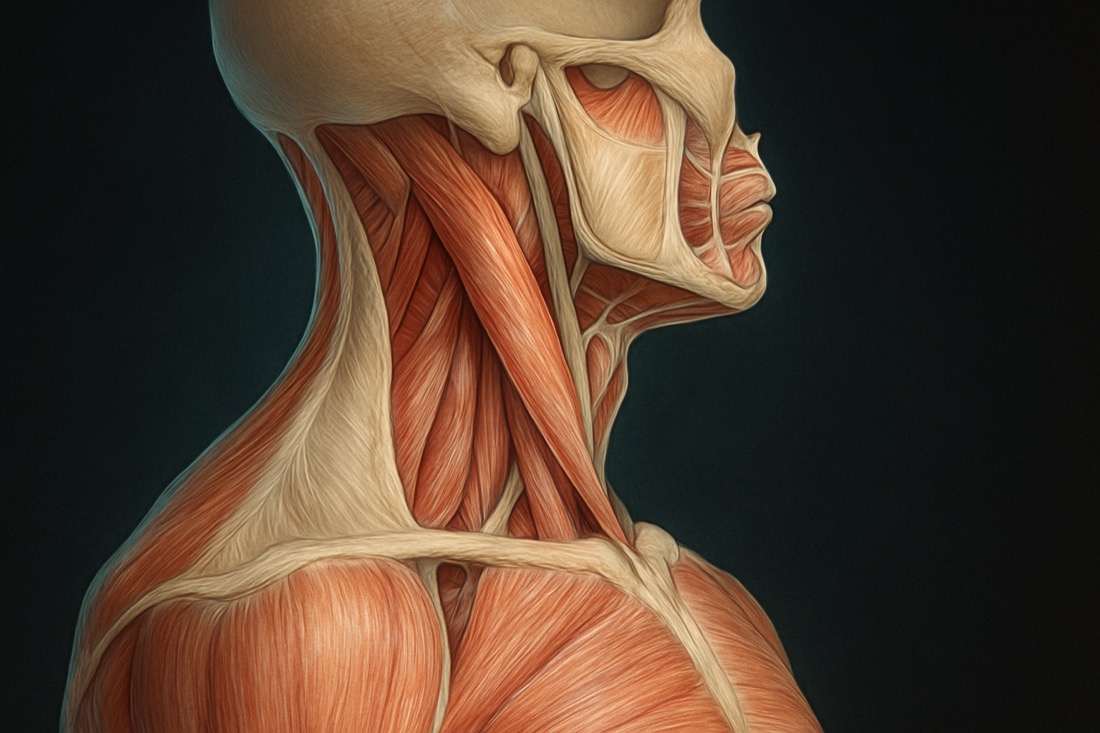
Persistent neck pain and shoulder stiffness can significantly impact daily life, often stemming from deep-seated muscular tension. Among the culprits, the scalene muscles—a group of three muscles in the side of the neck—are frequently overlooked yet pivotal contributors to discomfort. Understanding how to apply targeted **scalene muscle release for neck pain** and associated shoulder issues can unlock profound relief and restore freedom of movement.
Why Your Neck and Shoulders Feel Tight: Understanding Scalene Muscle Tension
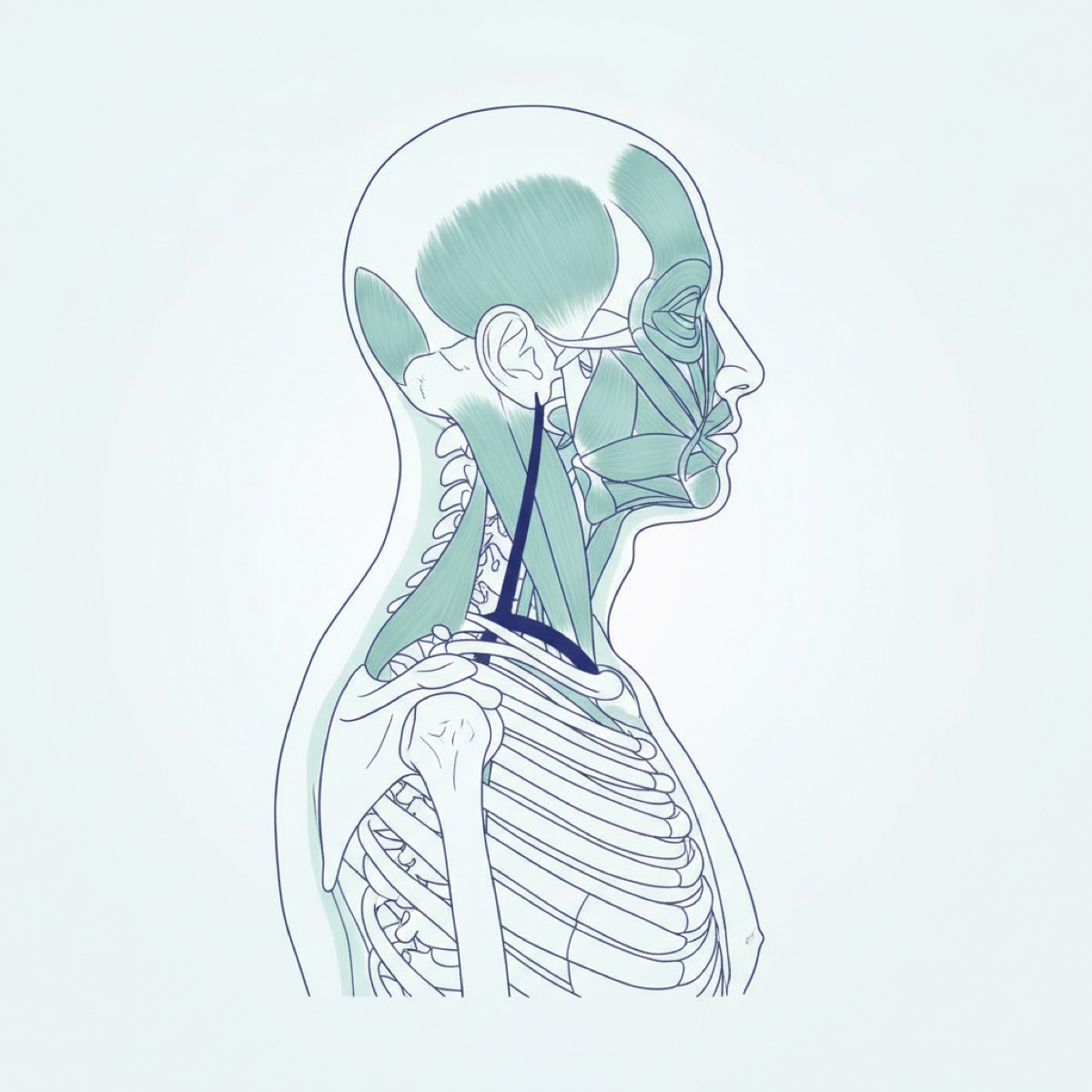
The scalene muscles, comprising the anterior, middle, and posterior scalenes, originate from the cervical vertebrae and insert onto the first and second ribs. Their primary functions include assisting with neck flexion, lateral flexion, rotation, and acting as accessory muscles of respiration [1]. Due to their complex roles and anatomical position, these muscles are highly susceptible to tension from poor posture, repetitive head movements, stress, and even improper breathing patterns.
When the scalene muscles become tight or dysfunctional, they can contribute to a range of symptoms beyond localized neck pain, including referred pain into the shoulder, upper back, and even down the arm [2]. This deep-seated tension often restricts the neck's range of motion, leading to a persistent feeling of stiffness and discomfort that traditional stretching may fail to alleviate. Targeted **scalene muscle release for neck pain** aims to address this root cause by restoring the elasticity and function of the fascia surrounding these muscles.
Identifying Scalene Muscle Imbalances: A Hands-On Approach
Before applying any release techniques, a thorough assessment is crucial to identify which specific scalene muscles are restricted. This often begins with observing the client's neck movement, noting any limitations in flexion, extension, or rotation, and pinpointing areas of discomfort. For instance, a client might report greater difficulty moving their head backward or to one side.
A key diagnostic method involves palpation combined with movement. The middle and posterior scalenes are typically located just below the mastoid process, while the anterior scalene lies closer to the first rib and clavicle. By gently holding or applying pressure to these specific areas while the client performs neck movements, a practitioner can observe immediate changes in range of motion or a reduction in pain. If holding a particular scalene area significantly improves mobility (e.g., better backward movement when holding the middle/posterior scalene, or easier forward movement when holding the anterior scalene), it indicates that muscle group is a primary contributor to the restriction. This 'provocation test' helps to confirm the target for release.
Targeted Scalene Muscle Release Techniques
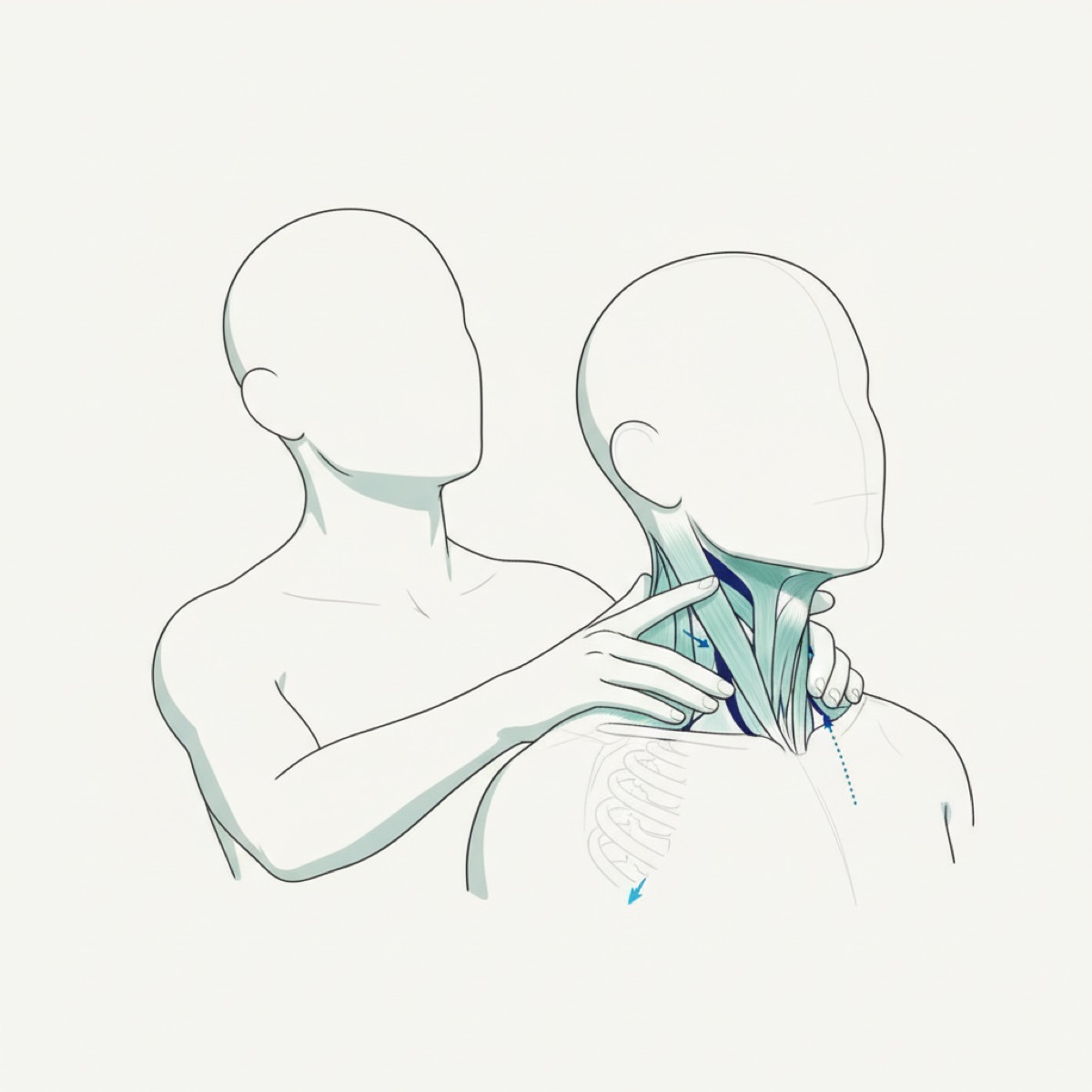
Effective scalene muscle release often involves specific, focused techniques. For the **anterior scalene**, the practitioner typically holds the muscle near its insertion point (close to the first rib/clavicle). Simultaneously, firm pressure is applied to the insertion of the pectoralis minor muscle (often near the coracoid process). This combined pressure, along with a gentle downward and backward pull on the shoulder, can initiate a rapid release of tension [3]. The transcript highlights that the loosening effect can be felt almost immediately upon applying this specific pressure.
For the **middle and posterior scalenes**, the technique involves holding the muscle group below the mastoid process. Concurrently, the practitioner applies a 'crushing and pulling down' action on the triceps brachii muscle in the upper arm, while also gently pulling the shoulder backward. This unique combination of forces helps to unwind the deep fascial restrictions within these muscles. Throughout both techniques, encouraging the client to breathe deeply can enhance the release, as respiration directly involves the scalenes [4]. These methods are designed to provide a distinct, stimulating effect that encourages the muscle and surrounding fascia to relax and lengthen.
Experiencing Relief: What to Expect After Scalene Release
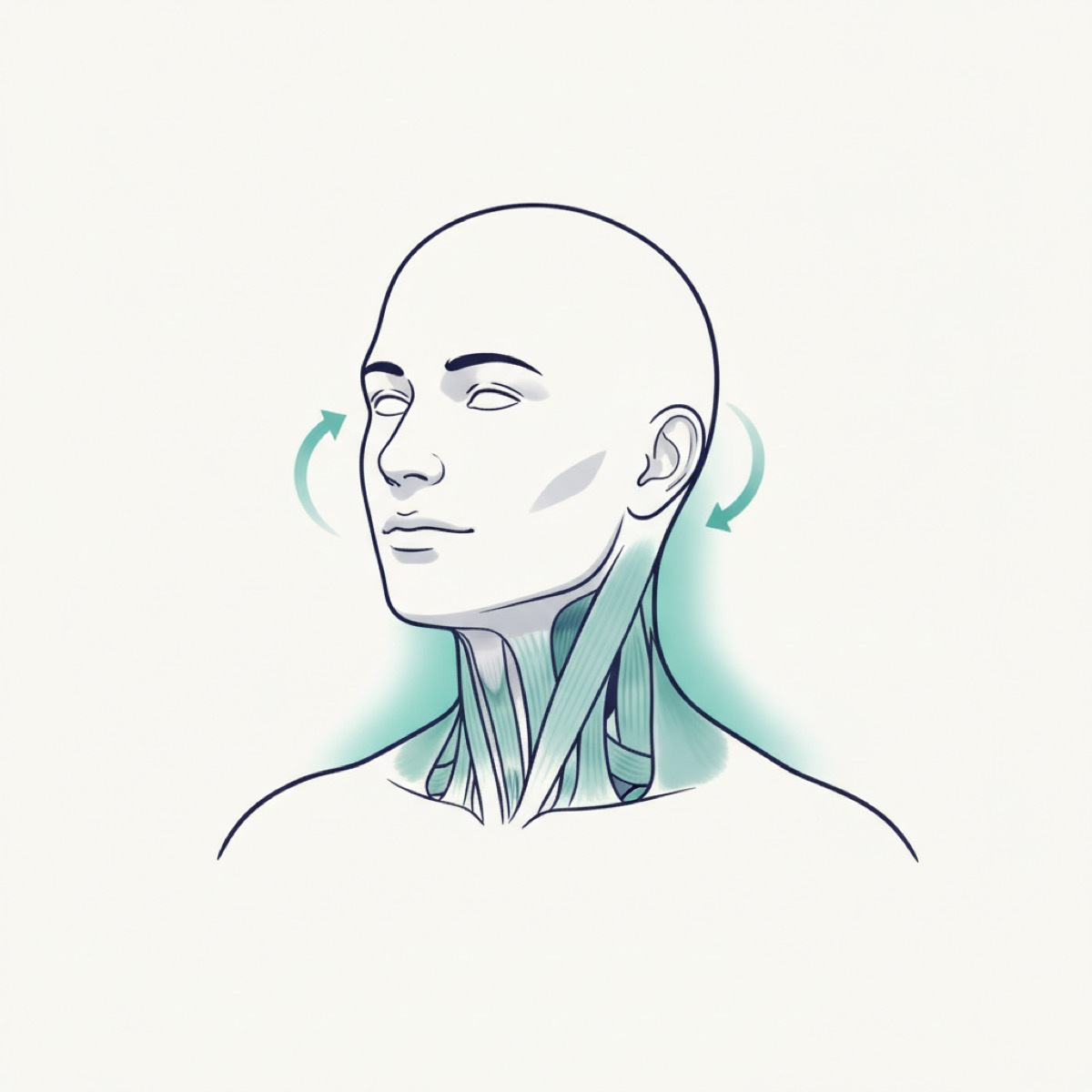
The immediate effects of a successful scalene muscle release can be quite noticeable. Clients often report a significant improvement in neck range of motion, a reduction in pain, and a general sensation of lightness in their neck and shoulders. Visually, a practitioner might observe a subtle but noticeable drop in the shoulder line, indicating reduced tension pulling the shoulder upwards [5]. Palpation post-release typically reveals a marked decrease in muscle tone and hardness in the treated area, confirming the release of fascial restrictions.
While these techniques can provide rapid relief for chronic neck stiffness and **shoulder stiffness relief**, it's important to understand that ongoing benefits may require a series of sessions and adherence to postural adjustments or specific exercises. The goal is not merely to alleviate symptoms but to restore optimal function and prevent recurrence of tension. Clients are often encouraged to gently re-test their neck movements and shoulder mobility after a session to fully appreciate the newfound freedom and reduced discomfort [6].
Frequently asked questions
Is fascia release safe? — Fascia release, when performed by a trained and qualified practitioner, is generally considered safe. It involves manual pressure and stretching techniques designed to address soft tissue restrictions. However, as with any therapeutic intervention, it's crucial to consult with a healthcare professional to ensure it's appropriate for your specific condition, especially if you have underlying medical issues.
How often should I get scalene muscle release? — The frequency of scalene muscle release sessions depends on the severity and chronicity of your symptoms, as well as your individual response to treatment. Some individuals may experience significant relief after just one session, while others with long-standing tension may benefit from a series of treatments. Your practitioner will typically recommend a personalized treatment plan based on your assessment and progress.
Can I perform scalene muscle release on myself? — While some self-myofascial release techniques exist for general muscle tension, the specific and targeted scalene muscle release techniques described, particularly those involving pectoralis minor or triceps engagement, require a nuanced understanding of anatomy and palpation skills. Attempting these advanced techniques without proper training could be ineffective or potentially cause discomfort. It's highly recommended to seek guidance from a qualified physiotherapist or fascia therapist for safe and effective treatment.
References
- [1]Zügel M, Maganaris CN, Wilke J, et al. Fascial tissue research in sports medicine: from molecules to tissue adaptation, injury and diagnostics: consensus statement. Br J Sports Med. 2018;52(23):1497.
- [2]Klingler W, Velders M, Hoppe K, Pedro M, Schleip R. Clinical relevance of fascial tissue and dysfunctions. Curr Pain Headache Rep. 2014;18(8):439.
- [3]Wilke J, Vogt L, Niederer D, Banzer W. Is remote stretching based on myofascial chains as effective as local exercise? A randomised-controlled trial. J Sports Sci. 2017;35(20):2021–2027.
- [4]Palomeque-del-Cerro L, Arráez-Aybar LA, Rodríguez-Blanco C, et al. A systematic review of the soft-tissue connections between neck muscles and dura mater: the myodural bridge. Spine. 2017;42(1):49–54.
- [5]Woolf CJ. Central sensitization: implications for the diagnosis and treatment of pain. Pain. 2011;152(3 Suppl):S2–S15.
- [6]Tracey KJ. The inflammatory reflex. Nature. 2002;420(6917):853–859.
Related videos
Palpation X-Ray #84 | Is the Sacrum Really a Flat Plate? It's a Wedge, Wide at the Top and Narrowing Downward — Trace Down from the Lumbar Spine and Confirm at Gluteus Maximus
0:56
Dramatic Improvement in One Session: Manual Approach to the Pelvic Girdle, with Palpation of Anatomical Landmarks and Movement Assessment Before and After (Hands-On Demo)
5:48