
A Godly Technique for Seriously Brutal Shoulder Pain
Original title (JP): マジでエグい肩痛の神テクニック!筋膜リリース教えます!

Supervised by
Shogo Fujii
Physiotherapist (PT) · Founder of the SHOGO FUJII® FASCIA METHOD
View profile →Clinical Article · 6 min read
Persistent shoulder pain and stiffness can severely impact daily life, often stemming from more than just muscle issues. Many clinicians and informed patients are now exploring the benefits of fascia release for shoulder pain as a specialized approach to address deep-seated restrictions. This article, inspired by the insights of physiotherapist Shogo Fujii, delves into how targeted fascial techniques can help unlock movement, reduce discomfort, and improve overall shoulder function, even in cases of chronic inflammation and severe limitation.
Why Does Shoulder Pain Persist? Understanding Fascial Restrictions
When severe shoulder pain and restricted movement persist, it often indicates underlying fascial adhesions and muscle spasms that conventional treatments might not fully address [1]. Fascia, the connective tissue network encasing muscles, organs, and bones, can become tight, inflamed, and adhered, leading to a cascade of pain and dysfunction. In cases with significant inflammation, a gentle approach is paramount, focusing initially on lightly releasing surrounding tissues to prepare the area for deeper work.
Inflammation, muscle spasms, and fascial adhesions frequently co-exist, creating a vicious cycle of pain and stiffness. The transcript highlights instances where active movement is acutely painful, while passive movement is less so, pointing towards muscular tension and fascial binding as primary drivers of discomfort. Addressing these specific restrictions, rather than just the symptomatic pain, is key to restoring natural movement patterns and providing lasting relief [2].
Targeted Fascial Release for Shoulder Mobility
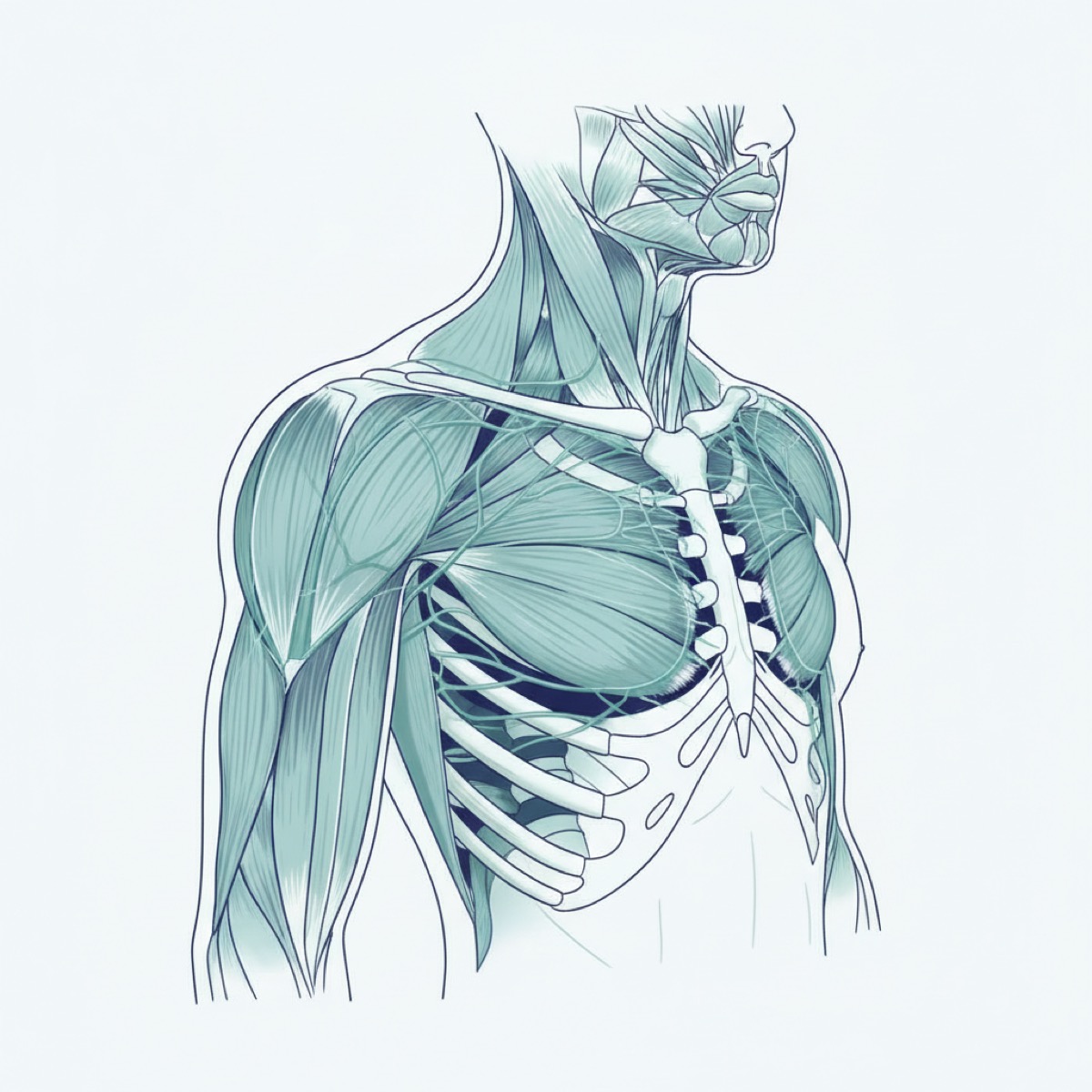
Effective fascia release for shoulder pain involves a precise understanding of interconnected structures. Initial interventions may gently target areas like the serratus anterior and upper trapezius, especially when inflammation is present. These muscles play crucial roles in scapular stability and movement, and their release can create a foundational improvement in the shoulder girdle's mechanics.
A critical area for addressing shoulder and arm symptoms is the quadrilateral space, an anatomical region bounded by the teres minor, triceps long head, and humerus. Restrictions here can impede neurovascular structures and lymphatic flow, leading to swelling and peripheral symptoms. Selective release of the teres minor and surrounding fascia in this space can significantly reduce peripheral edema and improve nerve function. Additionally, releasing the pectoralis minor, often shortened in individuals with poor posture or shoulder dysfunction, can enhance scapular protraction and overall shoulder mobility [3]. Incorporating deep, controlled breathing during these releases helps facilitate tissue relaxation and optimize therapeutic outcomes.
Beyond the Shoulder: Addressing Arm and Elbow Connections
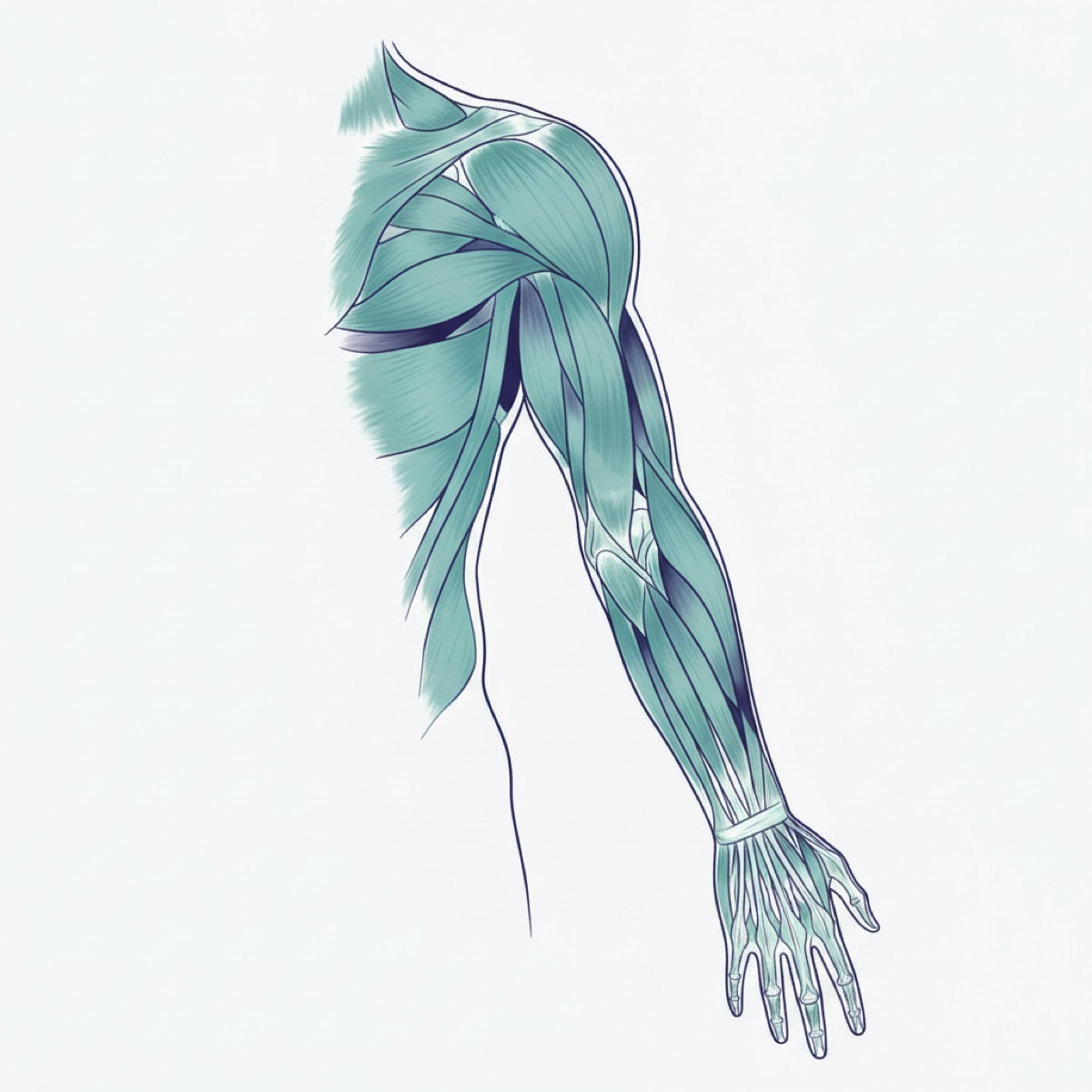
Shoulder pain is rarely isolated; fascial restrictions often extend into the arm and elbow, influencing overall upper limb function. The transcript emphasizes the importance of assessing and treating the forearm and elbow, specifically targeting areas such as the radial head and radial styloid process. Mobilizing these structures and releasing surrounding muscles like the brachioradialis can have a profound impact on pain and range of motion in the entire arm.
Overactive muscles and fascial adhesions in the forearm, particularly involving the brachioradialis and the intermuscular septa between the biceps and triceps, can contribute to chronic shoulder issues [4]. Addressing these areas, along with potential nerve entrapments (e.g., radial nerve pathways) and even specific points around the thumb (like the thenar eminence and 'seiketsu' points), can unlock significant improvements. The interconnectedness of the fascial system means that treating seemingly distant areas can often resolve persistent shoulder discomfort.
The Holistic Approach: Inflammation, Stress, and Long-Term Relief
While manual fascia release techniques provide immediate relief, sustained improvement often requires a holistic approach that acknowledges the body's systemic inflammatory state and stress levels. Chronic inflammation, often linked to lifestyle factors like diet and stress, can exacerbate fascial tightness and muscle spasms, making pain more resistant to treatment [5].
The practitioner's insights underscore the importance of managing inflammation, potentially through dietary adjustments supporting gut health, which plays a critical role in immune function. Reducing stress, a known contributor to muscle tension and systemic inflammation, is also vital for long-term recovery. Combining targeted fascial release with a focus on these underlying factors creates a comprehensive strategy for not only alleviating current symptoms but also preventing future recurrences and promoting overall well-being [6].

Frequently asked questions
Is fascia release painful? — Fascia release can sometimes cause discomfort or a deep stretching sensation, especially in areas with significant adhesions or tension. However, skilled practitioners, particularly in the presence of inflammation, will employ gentle techniques to minimize pain and ensure patient comfort.
How quickly can I expect results from fascia release for shoulder pain? — Many individuals experience immediate improvements in pain levels and range of motion after a targeted fascia release session, as observed in the transcript. However, the longevity of these results and the overall recovery process can vary depending on the chronicity of the condition, severity of inflammation, and adherence to a holistic recovery plan.
Can fascia release help with chronic shoulder conditions? — Yes, fascia release can be a highly effective component of a treatment plan for chronic shoulder conditions. By addressing the underlying fascial restrictions, muscle spasms, and adhesions that contribute to persistent pain and stiffness, it can help restore proper biomechanics and reduce discomfort, complementing other therapeutic modalities.
References
- [1]Wilke J, Krause F, Vogt L, Banzer W. What Is Evidence-Based About Myofascial Chains? A Systematic Review. Arch Phys Med Rehabil. 2016;97(3):454–461.
- [2]Krause F, Wilke J, Vogt L, Banzer W. Intermuscular force transmission along myofascial chains: a systematic review. J Anat. 2016;228(6):910–918.
- [3]Stecco C, Stern R, Porzionato A, et al. Hyaluronan within fascia in the etiology of myofascial pain. Surg Radiol Anat. 2011;33(10):891–896.
- [4]Ajimsha MS, Al-Mudahka NR, Al-Madzhar JA. Effectiveness of myofascial release: a systematic review of randomized controlled trials. J Bodyw Mov Ther. 2015;19(1):102–112.
- [5]Tozzi P, Bongiorno D, Vitturini C. Fascial release effects on patients with non-specific cervical or lumbar pain. J Bodyw Mov Ther. 2011;15(4):405–416.
- [6]Zügel M, Maganaris CN, Wilke J, et al. Fascial tissue research in sports medicine: from molecules to tissue adaptation, injury and diagnostics: consensus statement. Br J Sports Med. 2018;52(23):1497.
Related videos

Palpation X-Ray #84 | Is the Sacrum Really a Flat Plate? It's a Wedge, Wide at the Top and Narrowing Downward — Trace Down from the Lumbar Spine and Confirm at Gluteus Maximus
0:56
Dramatic Improvement in One Session: Manual Approach to the Pelvic Girdle, with Palpation of Anatomical Landmarks and Movement Assessment Before and After (Hands-On Demo)
5:48