One-Time Treatment Technique for Frozen Shoulder
Original title (JP): 五十肩を1回で治す治療テクニック 高単価:自費筋膜リリース

Supervised by
Shogo Fujii
Physiotherapist (PT) · Founder of the SHOGO FUJII® FASCIA METHOD
View profile →Clinical Article · 5 min read
Fascia release for low back pain is gaining attention as an effective approach to alleviating discomfort associated with frozen shoulder. This insightful technique explores the interconnectedness of muscles and fascia, offering a holistic perspective on pain management. By understanding the anatomical complexities, clinicians and informed patients can explore new avenues for relief.
Why does low back pain relate to frozen shoulder?
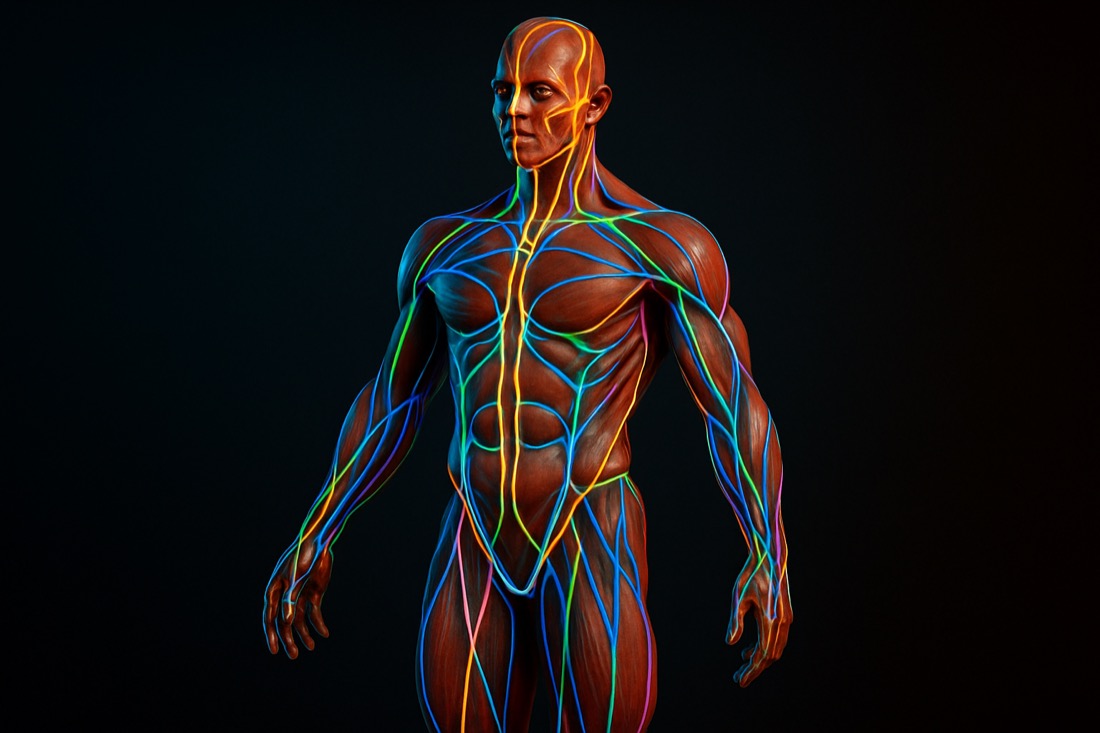
Low back pain and frozen shoulder may seem unrelated, but they share a common connection through the fascia network. Fascia, the connective tissue surrounding muscles, can impact distant areas of the body when tension or dysfunction occurs[1]. Understanding this relationship can lead to more comprehensive treatment plans.
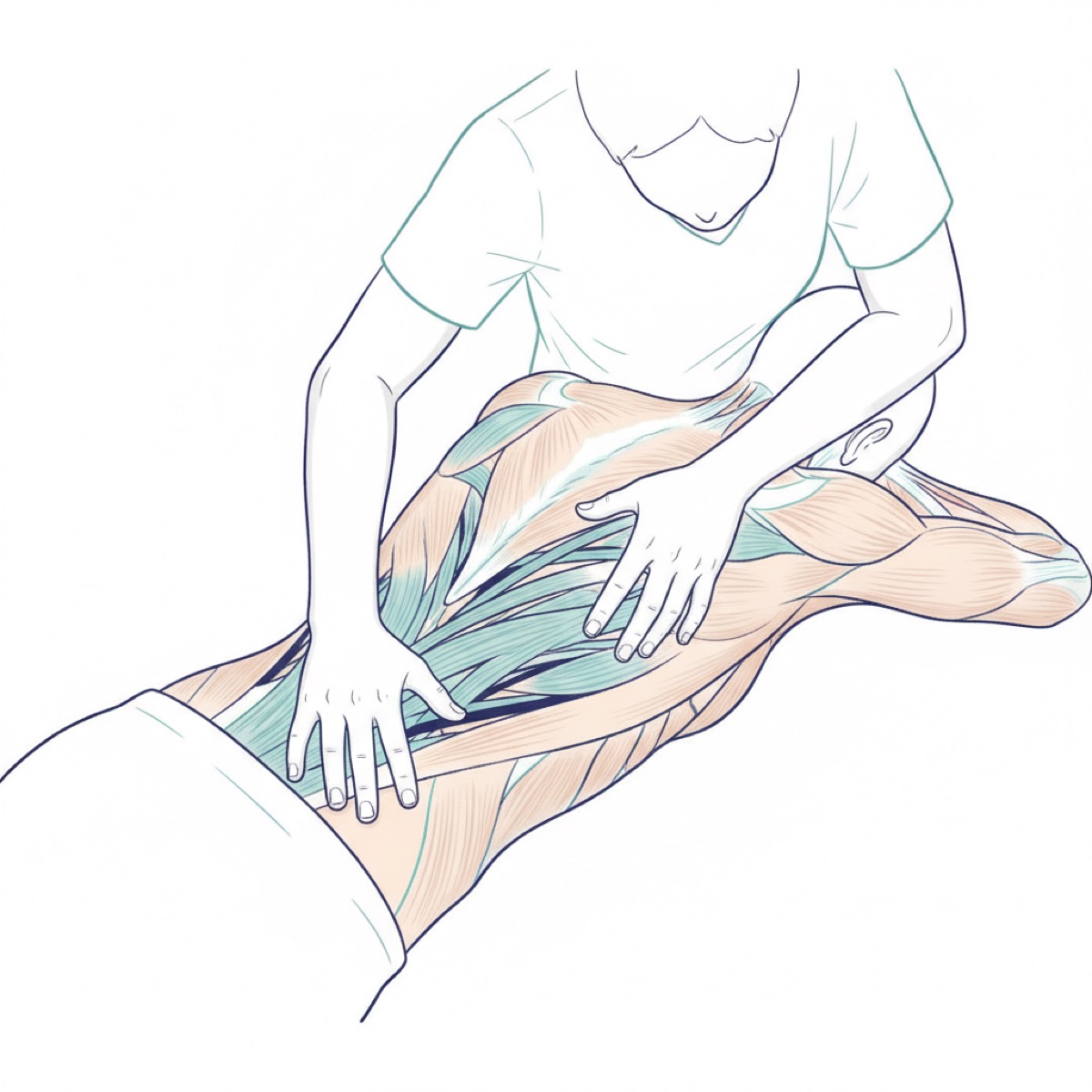
Fascia release techniques aim to address these interconnected issues by reducing tension and improving mobility. When the fascia in the lower back is manipulated, it can have a positive impact on the shoulder's range of motion, potentially alleviating pain and stiffness[2].
How does fascia release work?
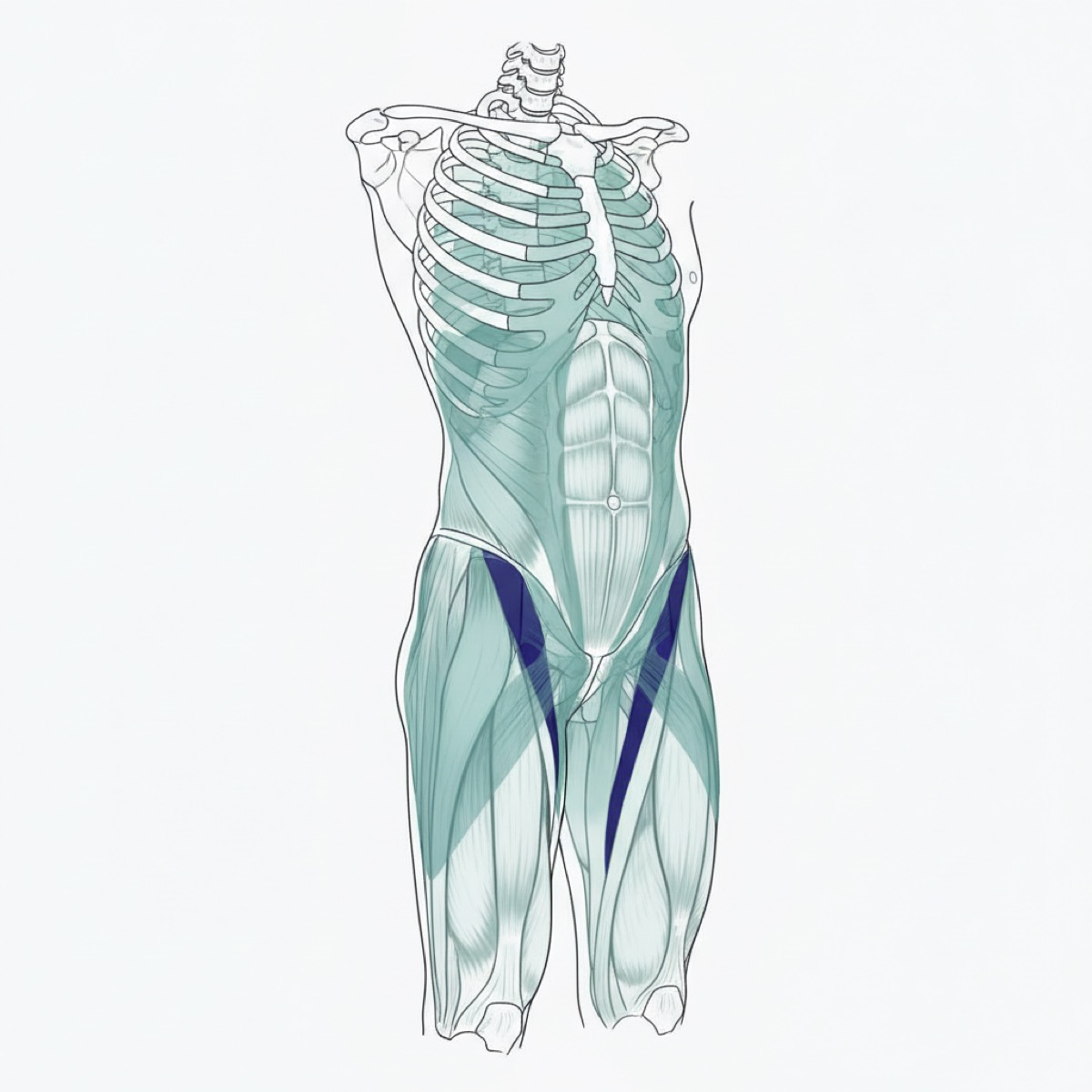
Fascia release involves gentle manipulation to relieve tension within the connective tissues. This technique focuses on areas such as the forearm and wrist, which are often overlooked in traditional shoulder pain treatments. By targeting these regions, practitioners can effectively reduce shoulder discomfort[3].
The process includes identifying and addressing tension points in the fascia, which can improve blood flow and reduce inflammation. This holistic approach not only targets the shoulder but also addresses underlying issues that may contribute to persistent pain[4].
What to expect during a fascia release session?
During a fascia release session, patients can expect a thorough evaluation of their posture and movement patterns. The practitioner will focus on specific areas, such as the forearm and wrist, to identify tension points that may be contributing to shoulder pain.
Patients often report an immediate sense of relief and increased range of motion following a session. However, it's important to note that results can vary, and multiple sessions may be necessary for optimal outcomes[5].
Can fascia release improve overall mobility?
Fascia release has the potential to enhance overall mobility by addressing the root causes of fascial tension. By improving the flexibility of the connective tissue, patients may experience better movement and reduced pain in various parts of the body[6].
This technique is particularly beneficial for individuals with chronic pain conditions, as it provides a non-invasive option for pain management. Regular sessions can lead to long-term improvements in mobility and quality of life.
Frequently asked questions
Is fascia release safe? — Fascia release is generally considered safe when performed by a trained practitioner. However, it's essential to inform your therapist of any existing conditions.
How many sessions are needed? — The number of sessions varies depending on the individual's condition and response to treatment. Some may experience relief after a few sessions, while others might require ongoing therapy.
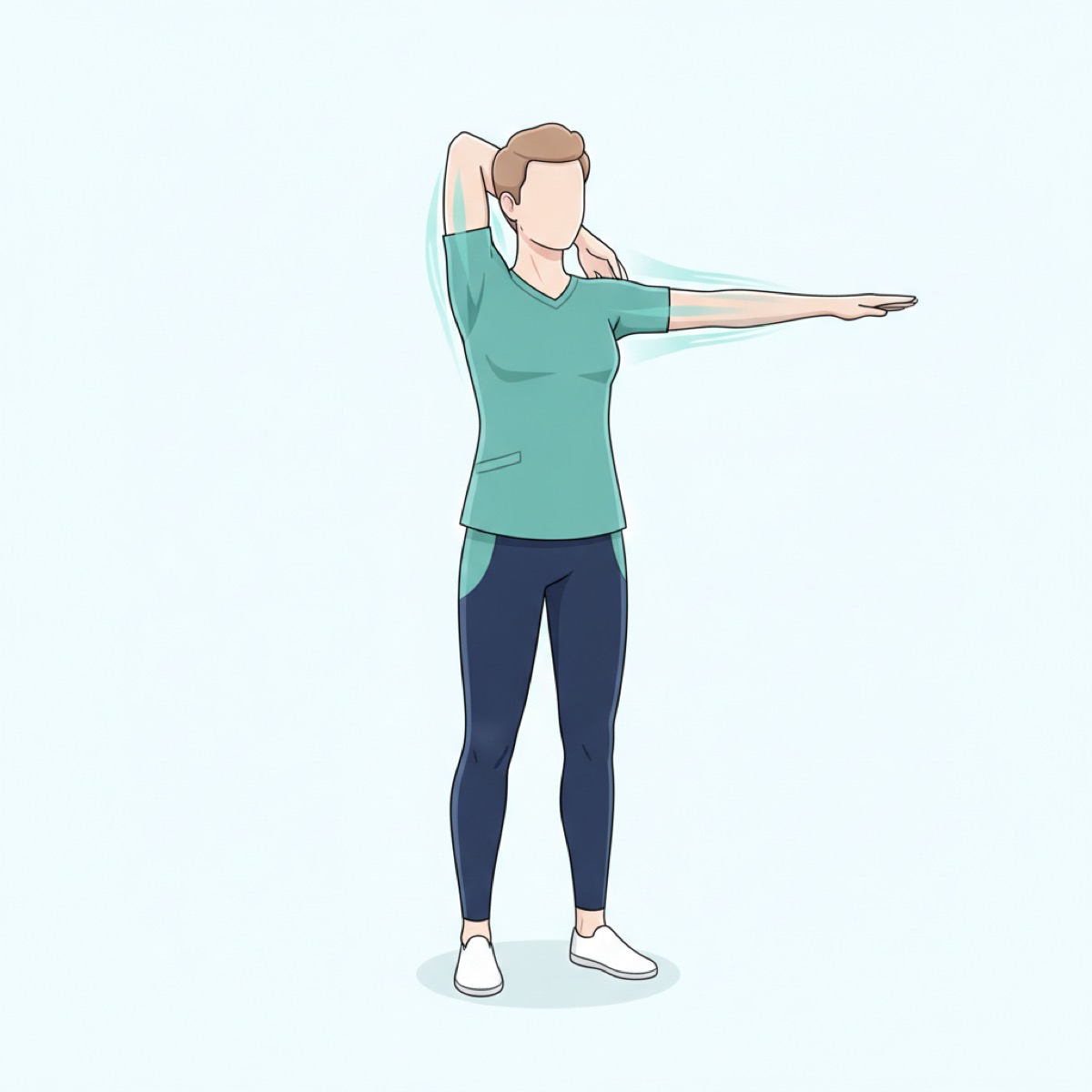
Can I perform fascia release at home? — While some techniques can be done at home, it's advisable to seek guidance from a professional to ensure proper technique and avoid injury.
References
- [1]Stecco C, Stern R, Porzionato A, et al. Hyaluronan within fascia in the etiology of myofascial pain. Surg Radiol Anat. 2011;33(10):891–896.
- [2]Ajimsha MS, Al-Mudahka NR, Al-Madzhar JA. Effectiveness of myofascial release: a systematic review of randomized controlled trials. J Bodyw Mov Ther. 2015;19(1):102–112.
- [3]Tozzi P, Bongiorno D, Vitturini C. Fascial release effects on patients with non-specific cervical or lumbar pain. J Bodyw Mov Ther. 2011;15(4):405–416.
- [4]Zügel M, Maganaris CN, Wilke J, et al. Fascial tissue research in sports medicine: from molecules to tissue adaptation, injury and diagnostics: consensus statement. Br J Sports Med. 2018;52(23):1497.
- [5]Klingler W, Velders M, Hoppe K, Pedro M, Schleip R. Clinical relevance of fascial tissue and dysfunctions. Curr Pain Headache Rep. 2014;18(8):439.
- [6]Wilke J, Vogt L, Niederer D, Banzer W. Is remote stretching based on myofascial chains as effective as local exercise? A randomised-controlled trial. J Sports Sci. 2017;35(20):2021–2027.