The Ultimate Technique to Cure Any Pain in One Session!
Original title (JP): どんな痛みも1回で治せる!学会で披露した最強のテクニック!

Supervised by
Shogo Fujii
Physiotherapist (PT) · Founder of the SHOGO FUJII® FASCIA METHOD
View profile →Clinical Article · 5 min read
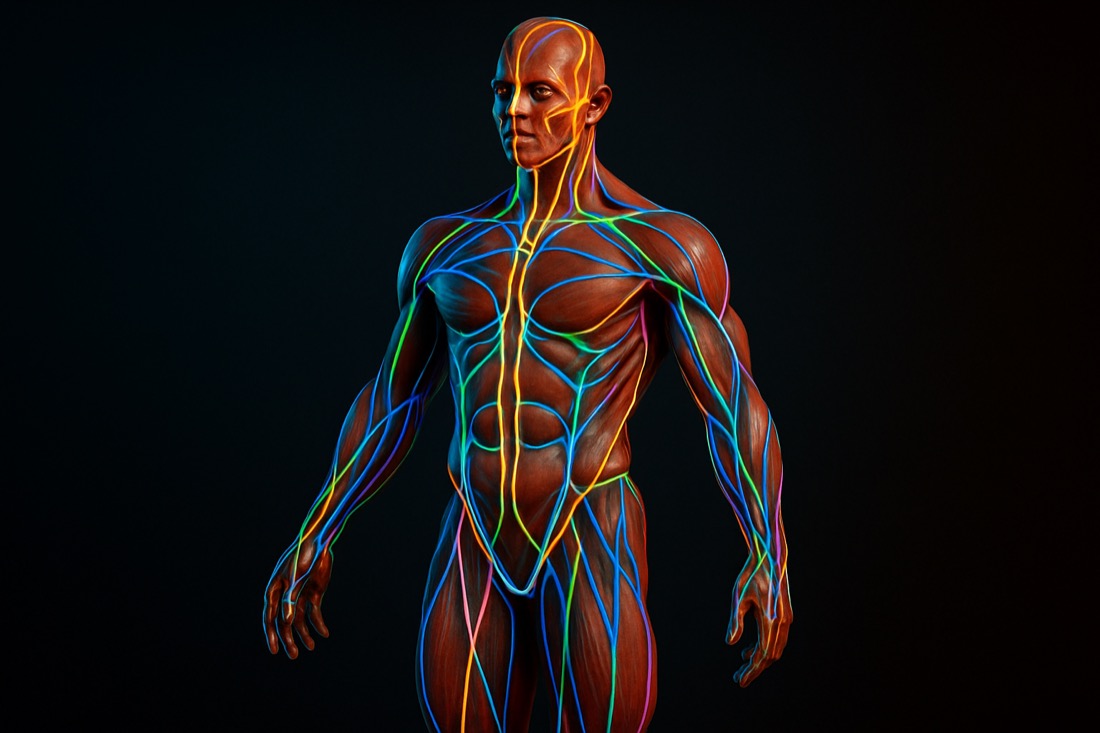
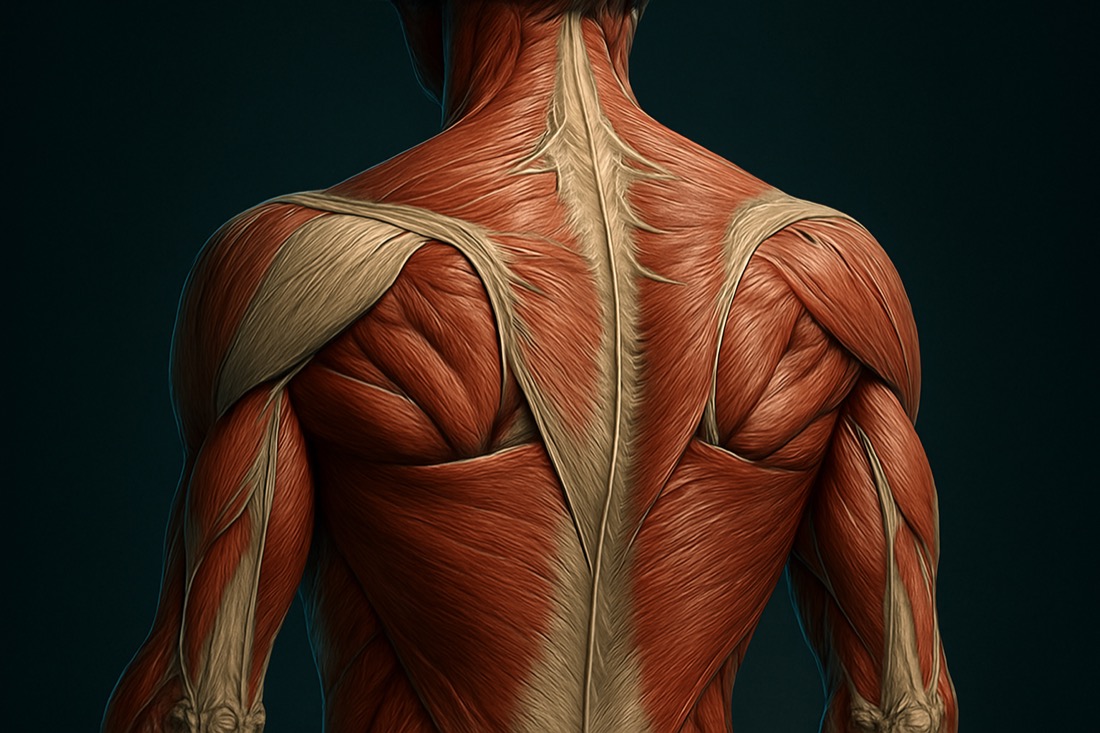
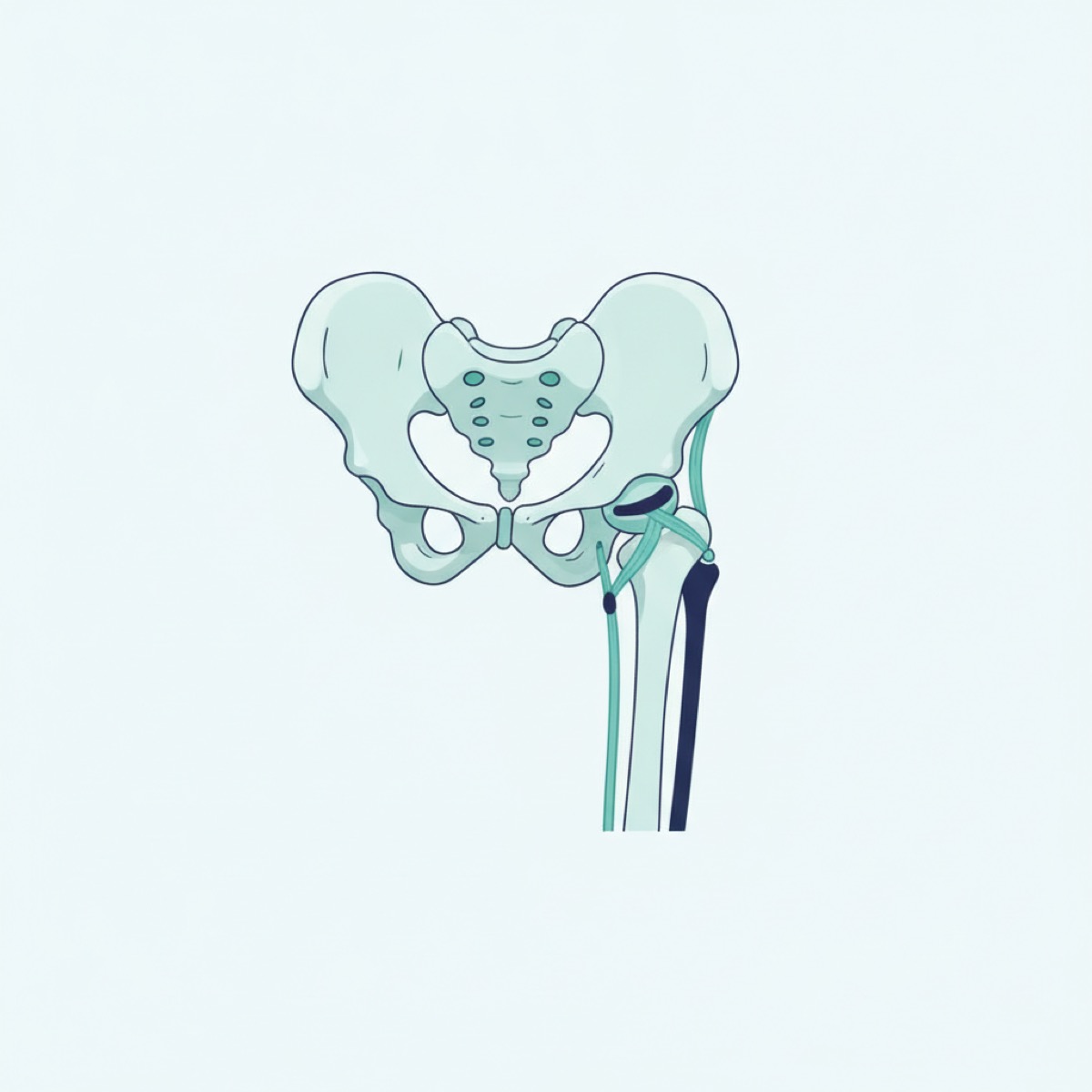
Fascia release for low back pain has emerged as a promising technique for alleviating discomfort by targeting the pelvic region. The pelvis, formed by the ilium, ischium, and pubis, serves as a central hub influencing the entire body's fascial network. By understanding this connection, clinicians and informed patients can better address low back issues and improve overall body alignment.
Why does the pelvis affect low back pain?
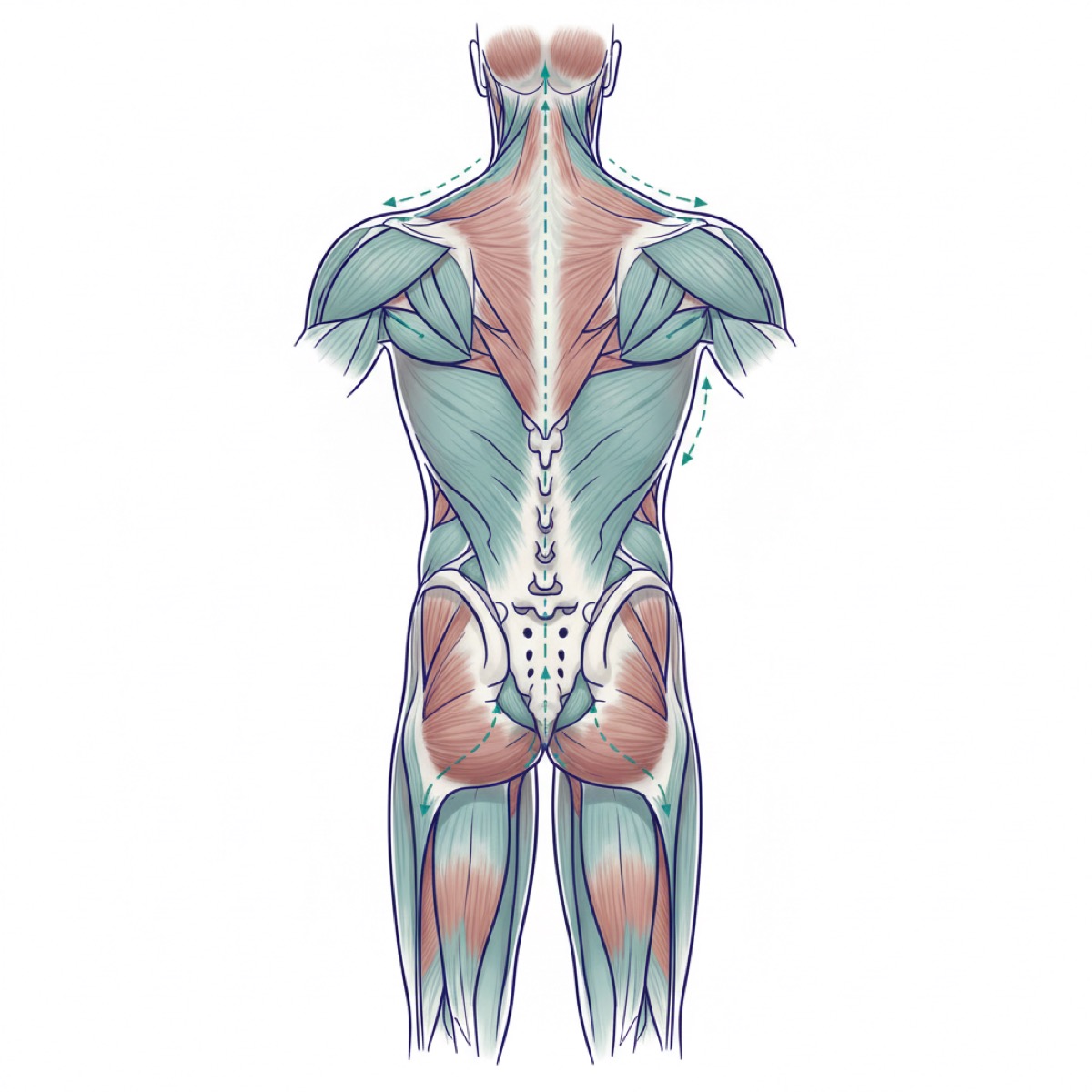
The pelvis acts as a pivotal structure in the body's anatomy, influencing the fascial lines from head to toe. Its central role means any imbalance can ripple through the body, potentially leading to low back pain. Understanding this connection is crucial for effective treatment.
In fascia therapy, the pelvis is considered the axis of balance, impacting how weight and movement are distributed throughout the body. This centrality is why addressing pelvic alignment is often the first step in treating low back discomfort.
How does fascia release work for low back pain?
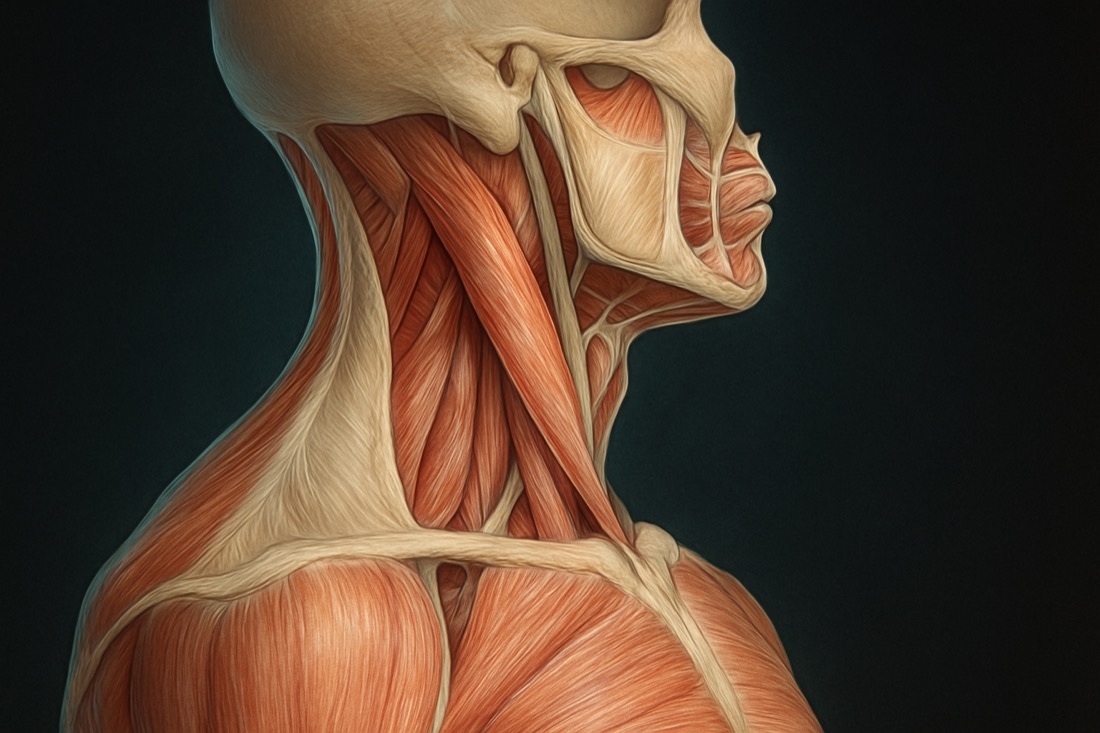
Fascia release involves gentle manipulation of the fascia, the connective tissue surrounding muscles and organs. Techniques focus on releasing tension and adhesions within the fascia to improve mobility and reduce pain.
The process often targets specific areas like the fibula and surrounding muscles. By applying pressure to these key points, therapists can facilitate the body's natural realignment and reduce strain on the low back.
What is the role of the fibula in pelvic alignment?
The fibula, though a smaller bone in the leg, plays a significant role in pelvic alignment. Its position and connection to surrounding muscles can influence the pelvis's stability and, consequently, the lower back.
By focusing on the head of the fibula and the nearby muscles, therapists can initiate a chain reaction that helps adjust the pelvis. This adjustment can alleviate tension and promote better posture, reducing low back pain.
How to practice fascia release techniques?
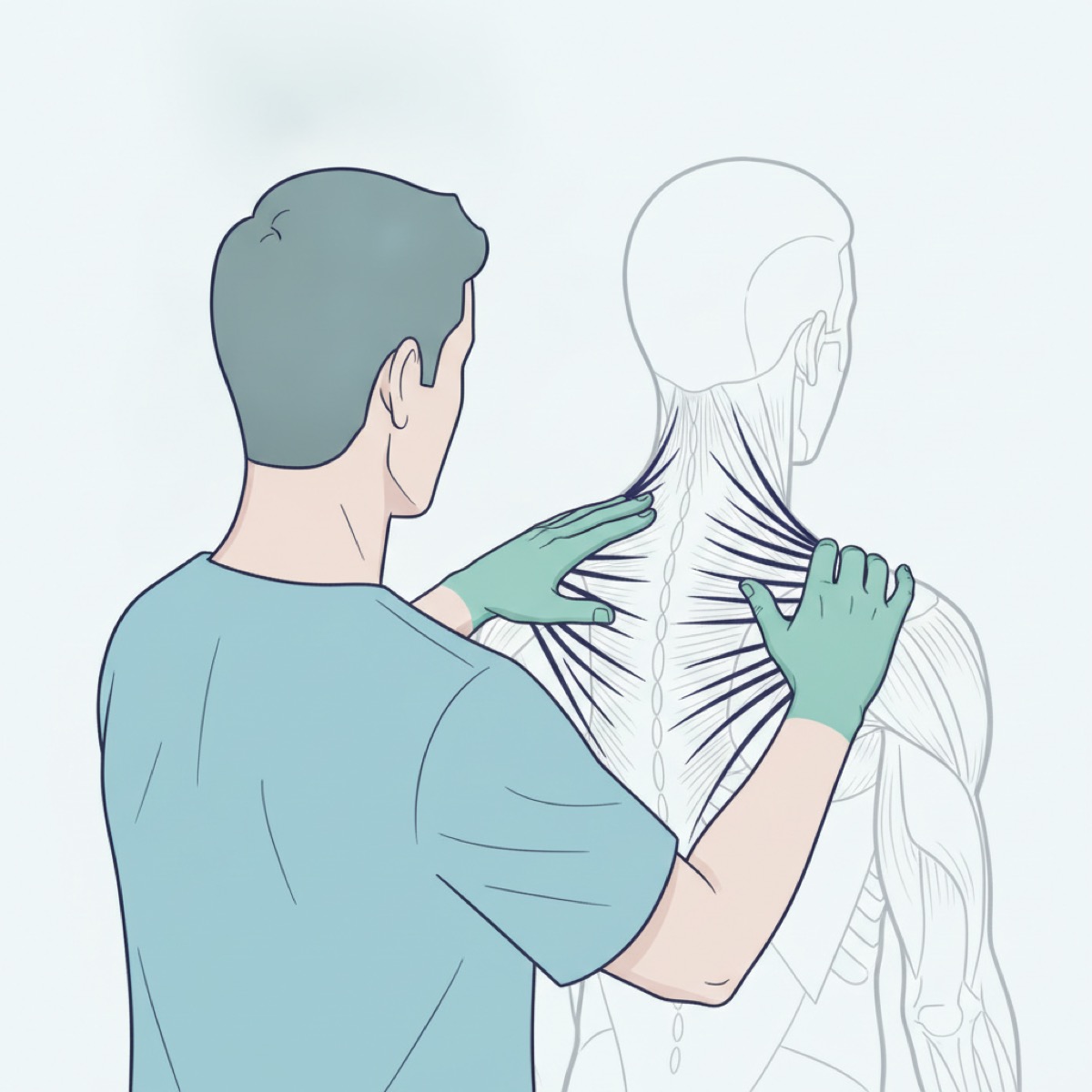
Practicing fascia release involves a hands-on approach where the therapist uses their hands to gently manipulate the fascia. Key techniques include using a knuckle-like pressure to engage deep tissue layers without causing discomfort.
The goal is to feel for adhesions and apply targeted pressure that encourages the fascia to unwind. This process requires practice and sensitivity to the body's feedback, ensuring the release is effective and safe.
Frequently asked questions
Is fascia release safe? — Yes, fascia release is generally safe when performed by trained professionals. It involves gentle manipulation and should not cause pain.
Can fascia release cure low back pain? — While fascia release can significantly alleviate symptoms, it is not a guaranteed cure. It should be part of a comprehensive treatment plan.
How often should fascia release be done? — Frequency depends on individual needs and response to treatment. Many find regular sessions beneficial, but it's best to consult with a therapist.
References
- [1]Stecco C, Stern R, Porzionato A, et al. Hyaluronan within fascia in the etiology of myofascial pain. Surg Radiol Anat. 2011;33(10):891–896.
- [2]Ajimsha MS, Al-Mudahka NR, Al-Madzhar JA. Effectiveness of myofascial release: a systematic review of randomized controlled trials. J Bodyw Mov Ther. 2015;19(1):102–112.
- [3]Tozzi P, Bongiorno D, Vitturini C. Fascial release effects on patients with non-specific cervical or lumbar pain. J Bodyw Mov Ther. 2011;15(4):405–416.
- [4]Zügel M, Maganaris CN, Wilke J, et al. Fascial tissue research in sports medicine: from molecules to tissue adaptation, injury and diagnostics: consensus statement. Br J Sports Med. 2018;52(23):1497.
- [5]Klingler W, Velders M, Hoppe K, Pedro M, Schleip R. Clinical relevance of fascial tissue and dysfunctions. Curr Pain Headache Rep. 2014;18(8):439.
- [6]Wilke J, Vogt L, Niederer D, Banzer W. Is remote stretching based on myofascial chains as effective as local exercise? A randomised-controlled trial. J Sports Sci. 2017;35(20):2021–2027.