Instant Relief for Lower Back Pain Using the Subscapularis Muscle
Original title (JP): 肩甲下筋を使って腰痛を一発で治す #筋膜 #治し方 #筋膜整体

Supervised by
Shogo Fujii
Physiotherapist (PT) · Founder of the SHOGO FUJII® FASCIA METHOD
View profile →Clinical Article · 5 min read
Fascia release for low back pain is an innovative approach that targets the subscapularis muscle to provide relief. This technique, highlighted by Shogo Fujii, focuses on adjusting the position of the shoulder blade to alleviate discomfort. By understanding how fascia interacts with muscles and joints, clinicians and informed patients can explore new methods for managing persistent back pain.
How does the subscapularis muscle affect low back pain?
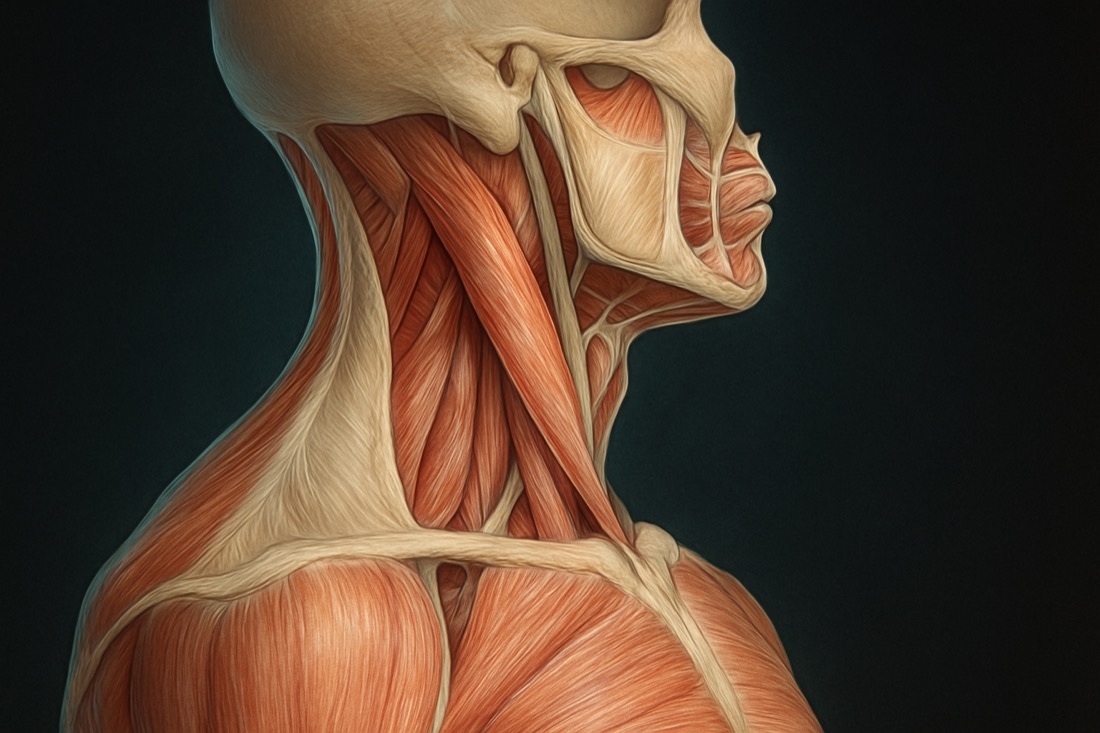
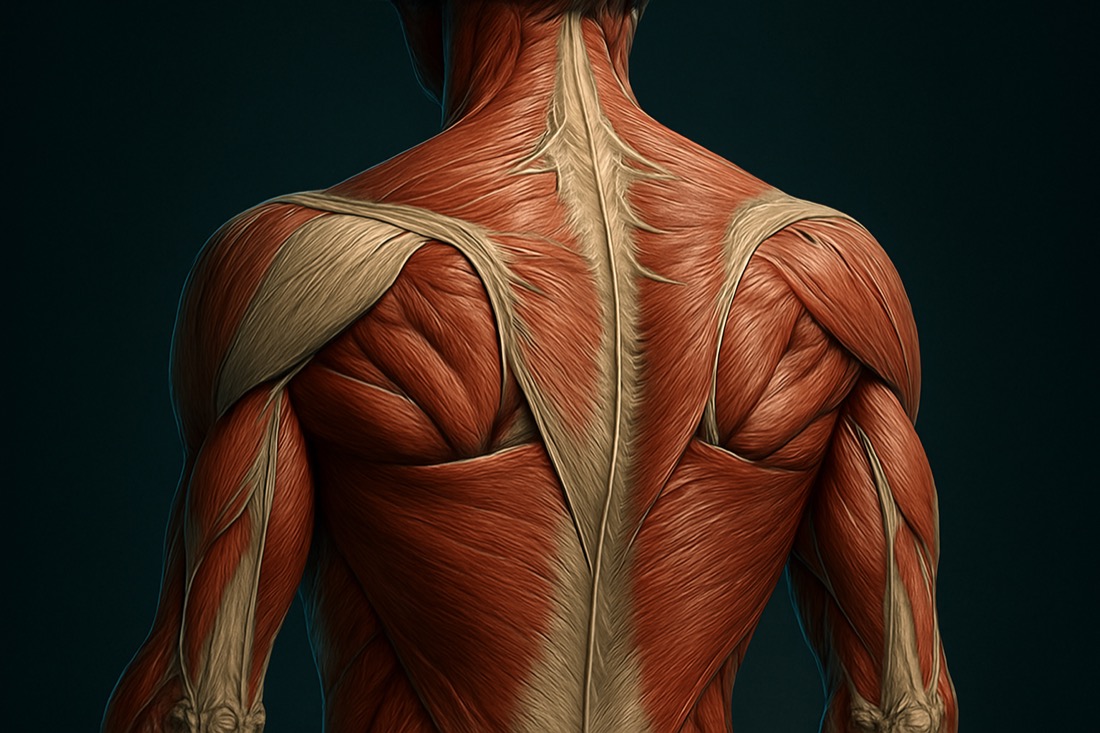
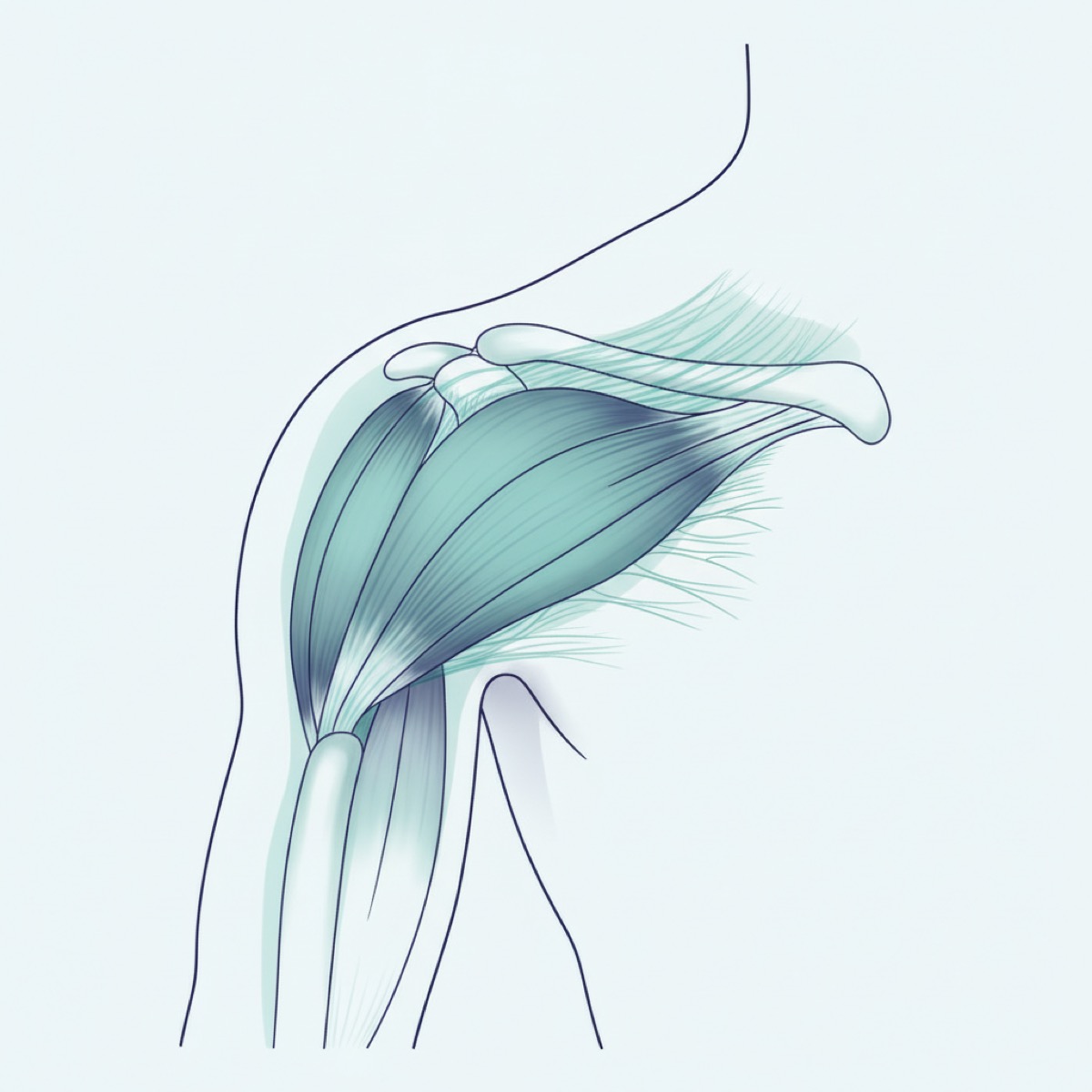
The subscapularis muscle, part of the rotator cuff, plays a crucial role in shoulder stability. Its tension can indirectly influence the lower back by affecting the alignment of the scapula and surrounding fascia. When the scapula's position is altered, it can lead to compensatory strain in the lower back region, contributing to pain and discomfort.
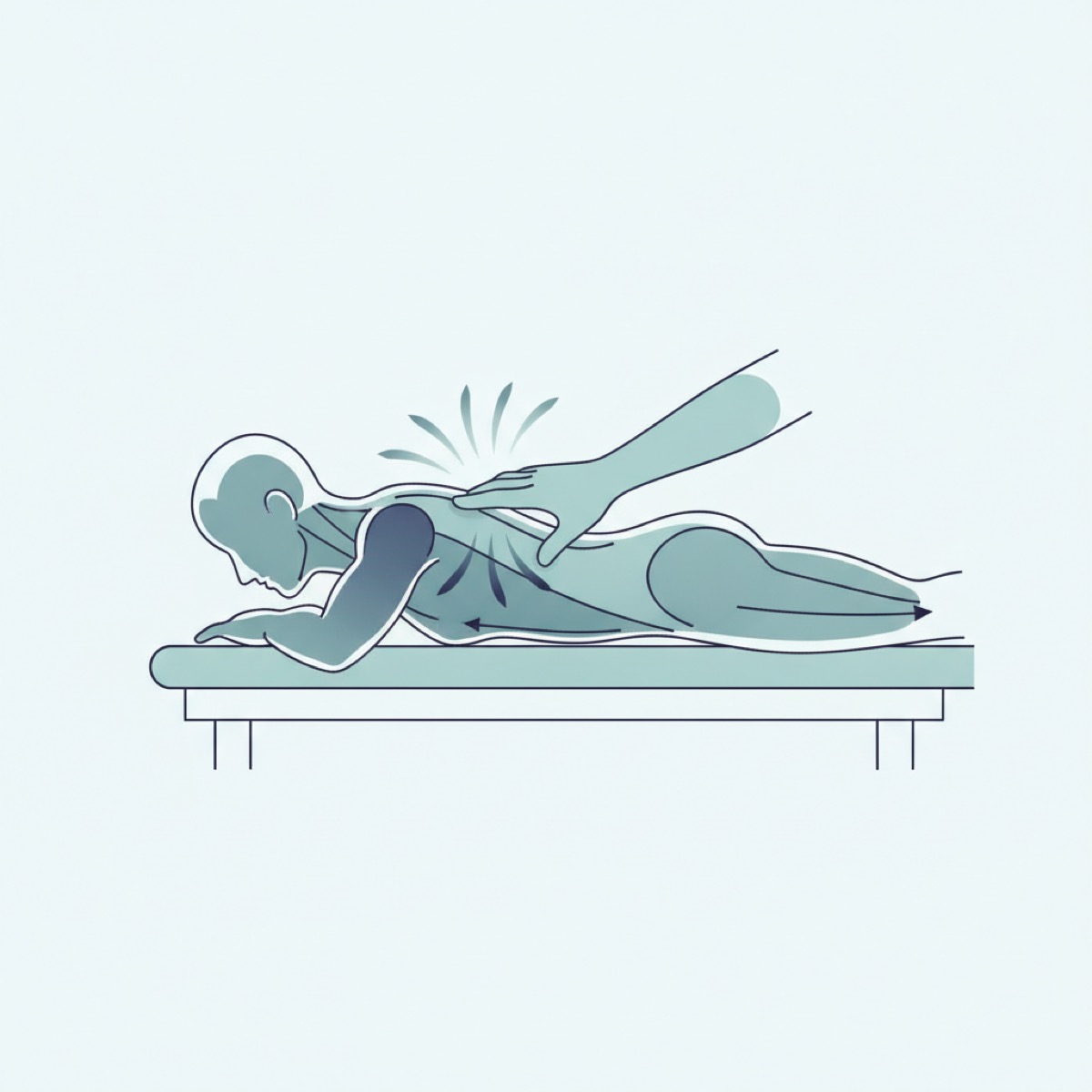
By addressing tension in the subscapularis, practitioners can help release fascia restrictions, potentially reducing lower back pain. This technique involves applying pressure to specific points around the scapula and gently repositioning it, which may help in releasing the tension throughout the back and shoulder area.
Why does fascia release help with back pain?
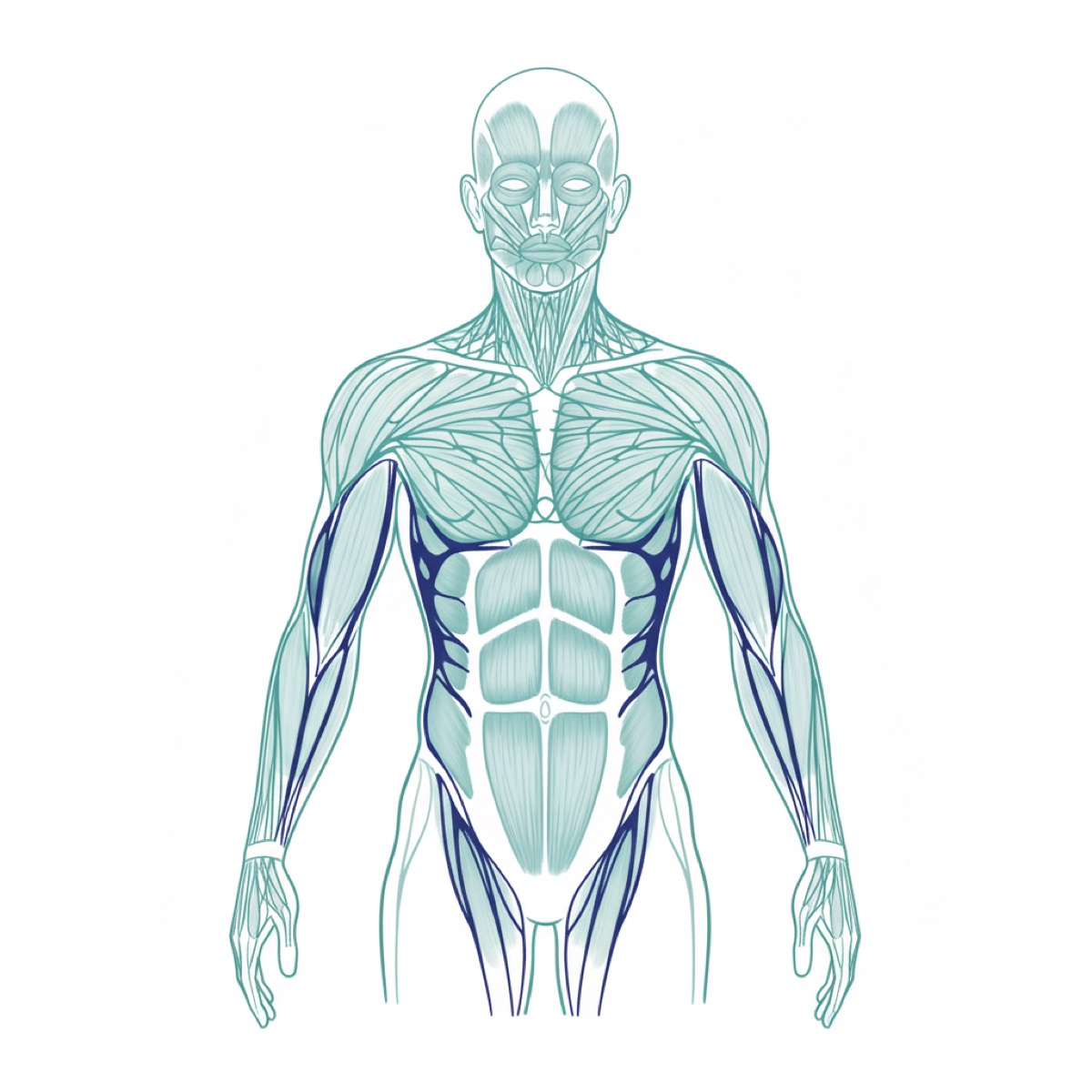
Fascia, the connective tissue surrounding muscles and organs, can become tight and restricted, leading to pain and limited mobility. Releasing these restrictions can improve muscle function and reduce pain. The subscapularis muscle, when properly manipulated, can help release tension in the fascia, which may alleviate lower back pain.
Fascia release works by loosening the tight areas, allowing for better movement and reduced strain on the muscles and joints. This method can be particularly beneficial for those experiencing chronic pain, as it addresses the underlying causes rather than just the symptoms.
What can you expect from a fascia release session?
During a fascia release session focused on the subscapularis muscle, you can expect the practitioner to use their hands to apply pressure to specific areas around the shoulder blade. This technique involves a gentle, controlled motion that aims to reposition the scapula and relieve tension.
Patients often report a sensation of relief and increased mobility following a session. The goal is to create a 'floating' feeling around the shoulder area, which can translate to reduced discomfort in the lower back. It's important to note that results can vary, and multiple sessions may be necessary for optimal outcomes.
Benefits of targeting the subscapularis for back pain relief
Targeting the subscapularis muscle for fascia release offers several benefits for those suffering from lower back pain. By focusing on this muscle, practitioners can indirectly address imbalances and restrictions throughout the back and shoulder area, promoting overall musculoskeletal health.
This approach not only helps in reducing pain but also enhances mobility and posture. Improved scapular positioning can lead to better alignment and reduced strain on the lower back. Incorporating fascia release into a broader treatment plan can offer a holistic approach to managing chronic pain.
Frequently asked questions
Is fascia release safe? — Yes, fascia release is generally considered safe when performed by a trained professional. It is a non-invasive technique that focuses on gently manipulating the connective tissue to relieve tension.
How long does it take to see results? — Results can vary depending on the individual. Some may experience relief after a single session, while others may require multiple sessions to achieve significant improvements.
Can fascia release be combined with other treatments? — Absolutely. Fascia release can complement other therapeutic approaches, such as physical therapy and exercise, to enhance overall treatment effectiveness.
References
- [1]Taljanovic MS, Gimber LH, Becker GW, et al. Shear-wave elastography: basic physics and musculoskeletal applications. RadioGraphics. 2017;37(3):855–870.
- [2]Langevin HM. Connective tissue: a body-wide signaling network? Med Hypotheses. 2006;66(6):1074–1077.
- [3]Schleip R. Fascial plasticity — a new neurobiological explanation. J Bodyw Mov Ther. 2003;7(1):11–19.
- [4]Wilke J, Krause F, Vogt L, Banzer W. What Is Evidence-Based About Myofascial Chains? A Systematic Review. Arch Phys Med Rehabil. 2016;97(3):454–461.
- [5]Krause F, Wilke J, Vogt L, Banzer W. Intermuscular force transmission along myofascial chains: a systematic review. J Anat. 2016;228(6):910–918.
- [6]Stecco C, Stern R, Porzionato A, et al. Hyaluronan within fascia in the etiology of myofascial pain. Surg Radiol Anat. 2011;33(10):891–896.