Healing Lower Back Pain with Neck Techniques
Original title (JP): 腰痛を首で治すカミワザ整体 #藤井翔悟 #筋膜整体 #筋膜

Supervised by
Shogo Fujii
Physiotherapist (PT) · Founder of the SHOGO FUJII® FASCIA METHOD
View profile →Clinical Article · 5 min read
Exploring the connection between neck techniques and low back pain relief can open new avenues for managing discomfort. Shogo Fujii's insights emphasize how adjustments in the cervical spine can impact sacral pain, revealing a unique approach to fascia therapy. This article delves into the techniques that can potentially alleviate low back pain through targeted neck adjustments.
How can neck adjustments alleviate low back pain?
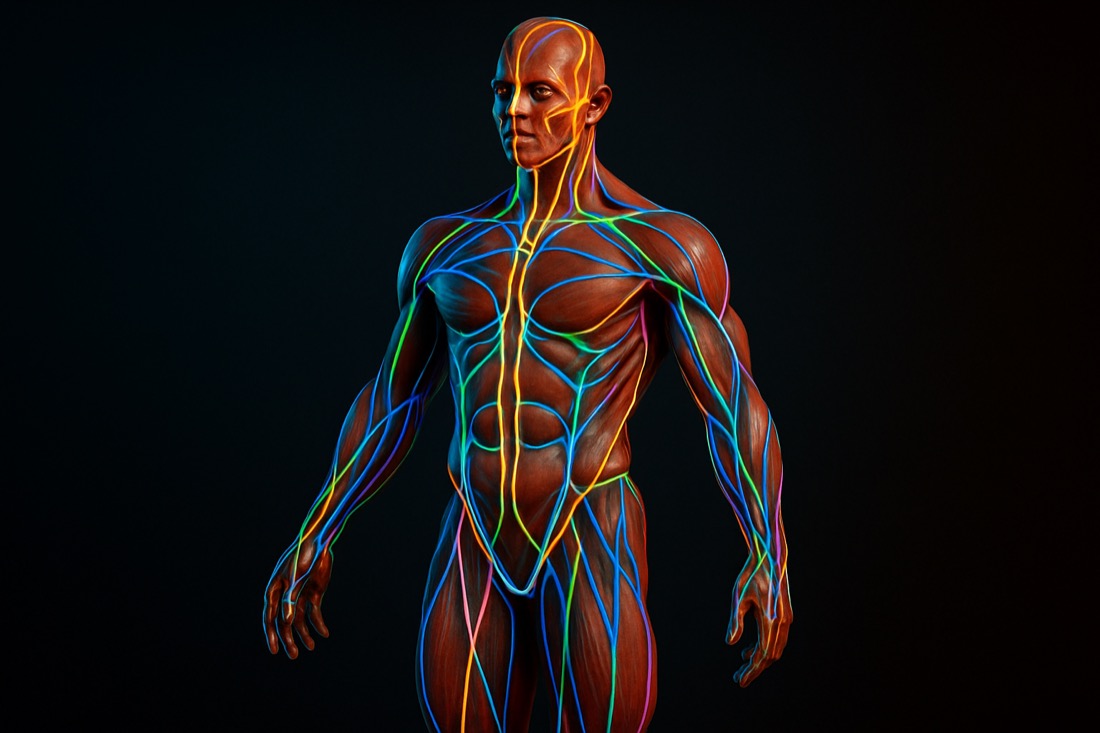
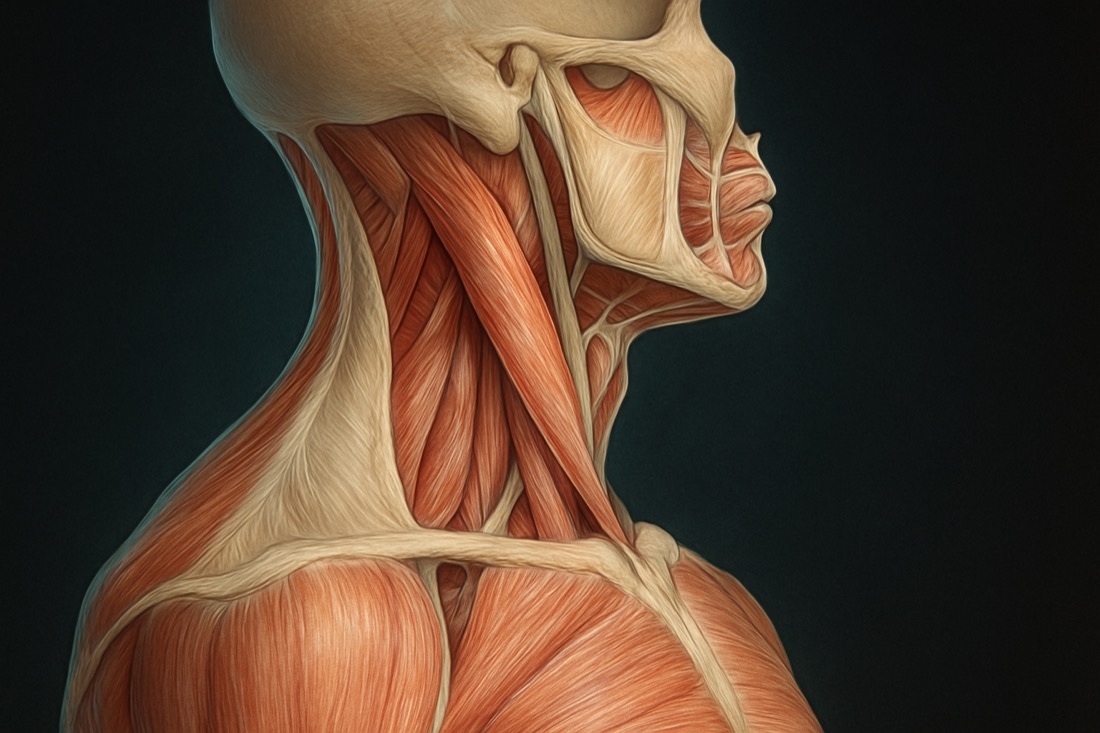
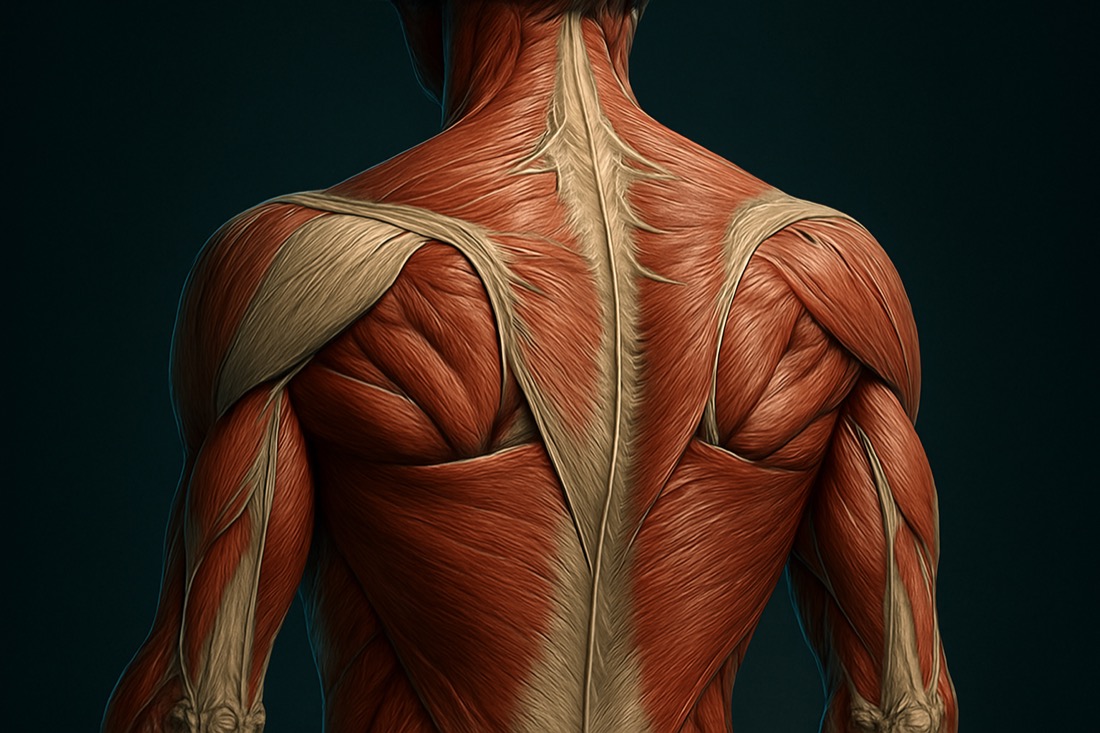
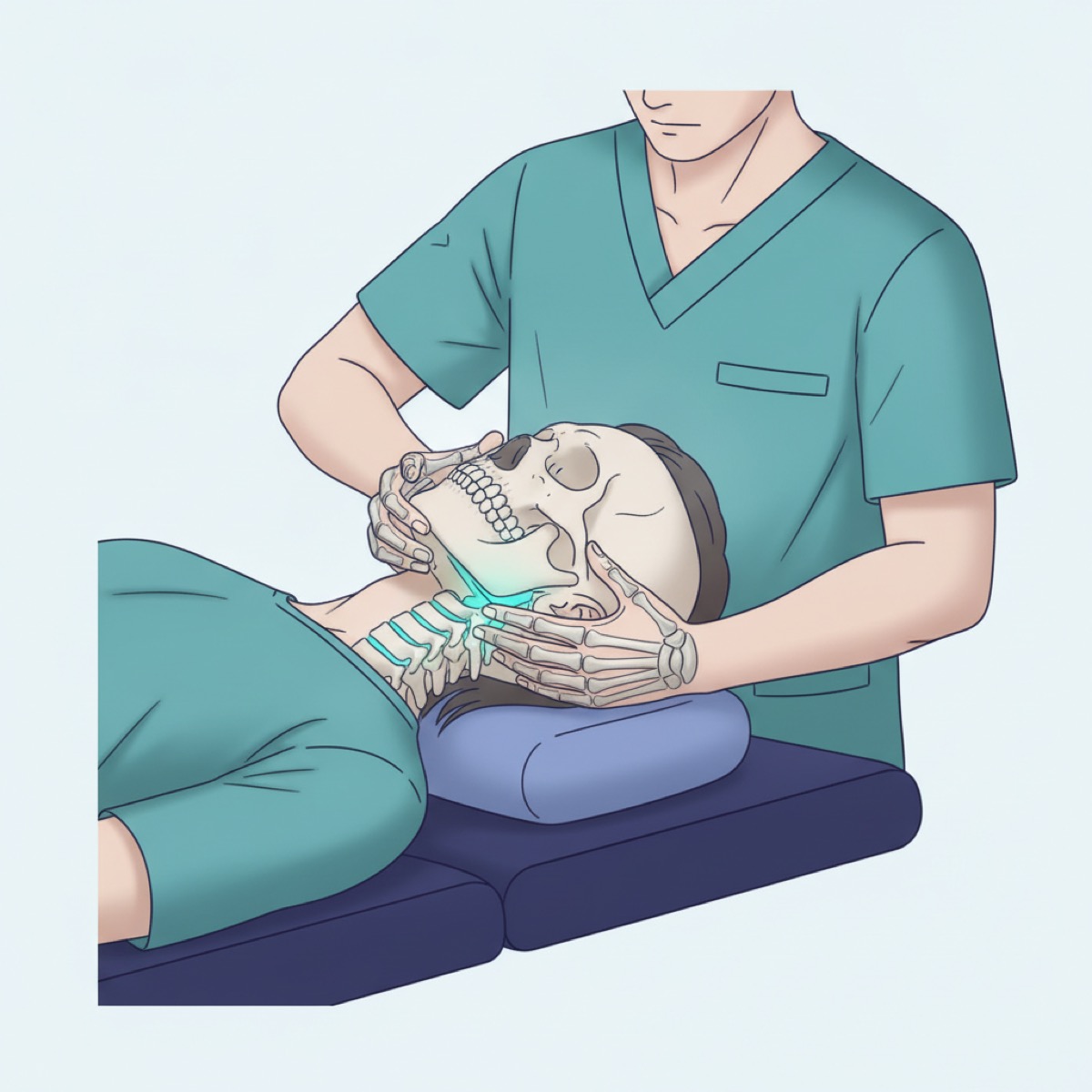
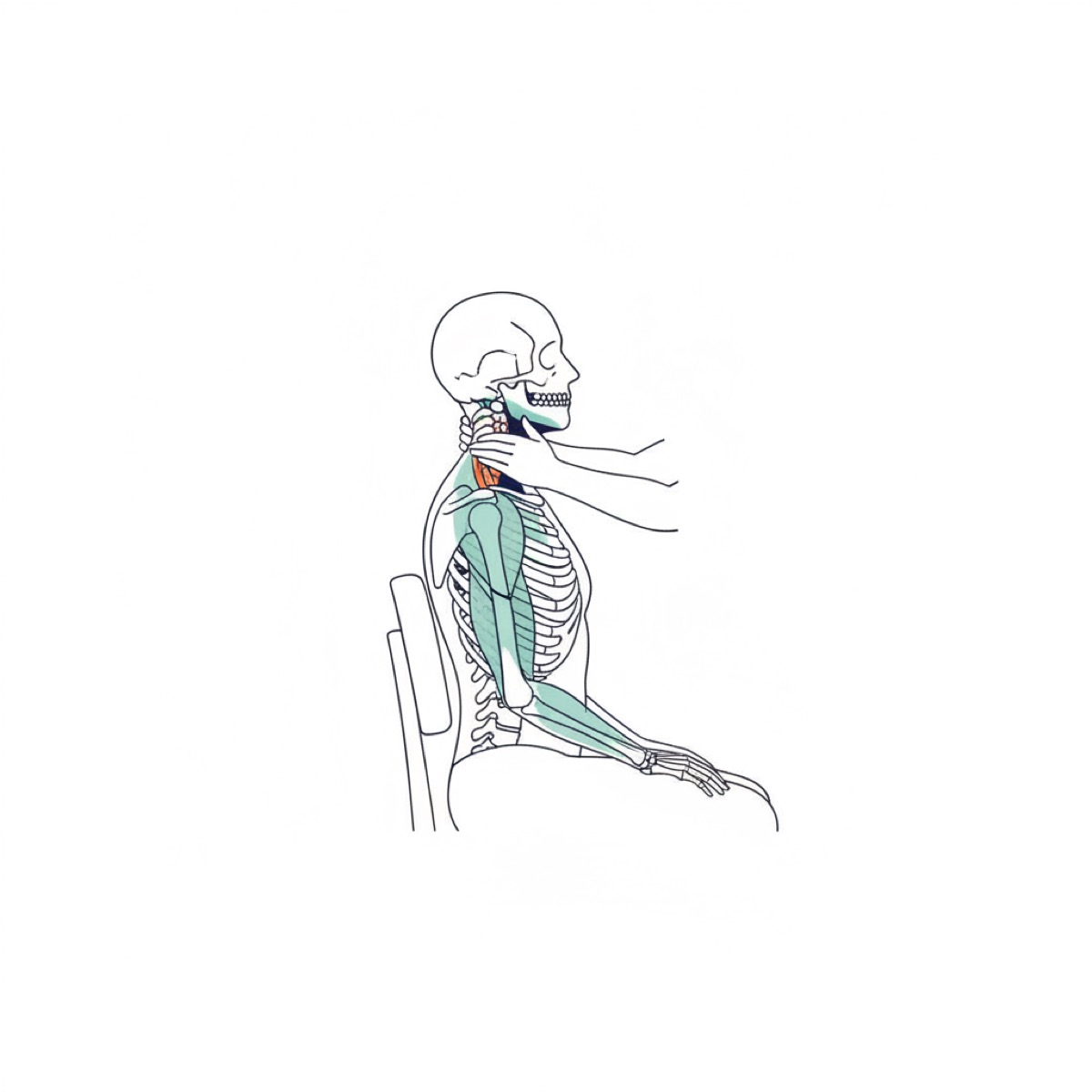
The spine operates much like a suspension bridge, where a change in one area impacts another. Shogo Fujii explains that when the first cervical vertebra (C1) is misaligned, it can create tension that travels down to the lower back, particularly affecting the sacrum. By carefully adjusting C1, it's possible to relieve pressure and reduce pain in the lower back [1].
This approach challenges the conventional focus solely on the site of pain, advocating for a more holistic view of the body’s interconnected systems. Understanding these dynamics can empower both clinicians and patients to explore neck adjustments as a viable method for addressing low back pain [2].
Why does sacral pain occur with neck tension?
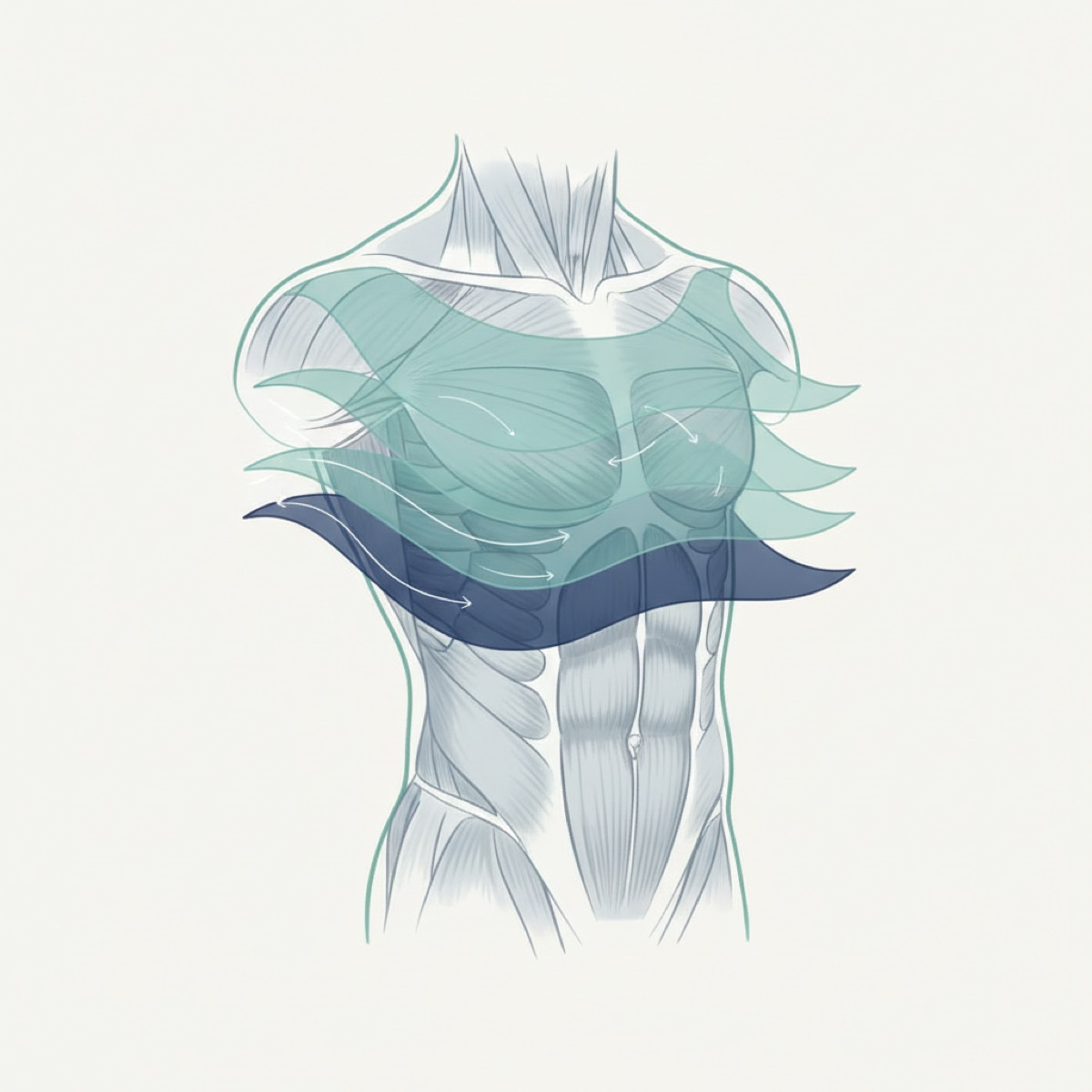
Sacral pain often arises when the upper cervical spine is unable to move freely, leading to compensatory tension in the lower parts of the spine. The misalignment of C1 can cause a ripple effect, exacerbating discomfort in the sacral region. This is due to the spine's interconnected nature, where tension in one segment can lead to stress and pain in another [3].
Addressing the root cause of this tension by focusing on the neck can lead to significant relief. By realigning the cervical vertebrae, you may alleviate the stress placed on the sacrum, offering a more comprehensive solution to managing low back pain [4].
What techniques are used for neck adjustments?
In the video, Fujii demonstrates a gentle technique where the practitioner uses their hands to guide the first cervical vertebra back into alignment. This process involves holding the top of the head and applying a subtle, controlled motion to encourage the vertebra to return to its optimal position [5].
Patients often report a noticeable reduction in pain following this adjustment, suggesting a direct correlation between cervical alignment and lower back discomfort. Such techniques should be performed by a trained professional to ensure safety and effectiveness [6].
What should you expect during a neck adjustment session?
During a neck adjustment session, the practitioner will assess your cervical spine's alignment and gently manipulate the vertebrae to relieve tension. This process is typically painless and can lead to immediate improvements in mobility and a reduction in associated pain [1].
Patients are encouraged to communicate with their therapist about any discomfort they experience to ensure the process is as smooth as possible. Regular follow-ups may be recommended to maintain alignment and prevent recurrence of pain [2].
Frequently asked questions
Is fascia release safe? — Fascia release, including neck adjustments, is generally safe when performed by a qualified professional. It's important to discuss your health history with your therapist to ensure the best approach.
Can neck adjustments cure low back pain? — While neck adjustments can significantly reduce pain, they may not cure the underlying condition. They are most effective as part of a comprehensive treatment plan.
How often should I have neck adjustments? — The frequency of adjustments depends on individual needs and the severity of the misalignment. Your therapist can provide a tailored plan based on your specific condition.
References
- [1]Cryan JF, Dinan TG. Mind-altering microorganisms: the impact of the gut microbiota on brain and behaviour. Nat Rev Neurosci. 2012;13(10):701–712.
- [2]Guo R, Chen LH, Xing C, Liu T. Pain regulation by gut microbiota: molecular mechanisms and therapeutic potential. Br J Anaesth. 2019;123(5):637–654.
- [3]Ricciotti E, FitzGerald GA. Prostaglandins and inflammation. Arterioscler Thromb Vasc Biol. 2011;31(5):986–1000.
- [4]Salehi B, Venditti A, Sharifi-Rad M, et al. The therapeutic potential of apigenin. Int J Mol Sci. 2019;20(6):1305.
- [5]Field R, Pourkazemi F, Turton J, Rooney K. Dietary interventions are beneficial for patients with chronic pain: a systematic review with meta-analysis. Pain Med. 2021;22(3):694–714.
- [6]Taljanovic MS, Gimber LH, Becker GW, et al. Shear-wave elastography: basic physics and musculoskeletal applications. RadioGraphics. 2017;37(3):855–870.