The Miraculous Technique to Restore Foot Arch and Walking Distance
Original title (JP): なぜ、この足部アーチ回復テクニックは歩行距離を一撃でもどす、奇跡の手技なのか。

Supervised by
Shogo Fujii
Physiotherapist (PT) · Founder of the SHOGO FUJII® FASCIA METHOD
View profile →Clinical Article · 5 min read
If you're seeking effective ways to restore your foot arch and alleviate low back pain, fascia therapy might be the answer. This innovative approach can transform your walking experience by addressing the root causes of discomfort. Explore how fascia release techniques can enhance mobility and reduce pain naturally.
How does fascia therapy help with low back pain?
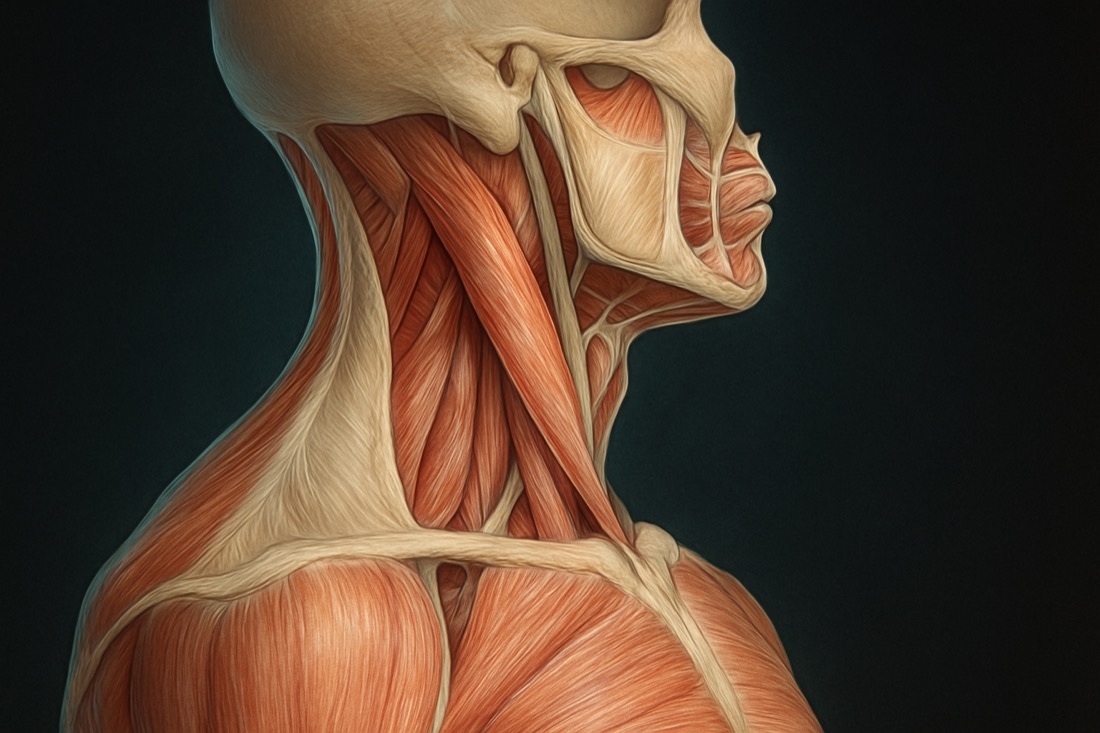
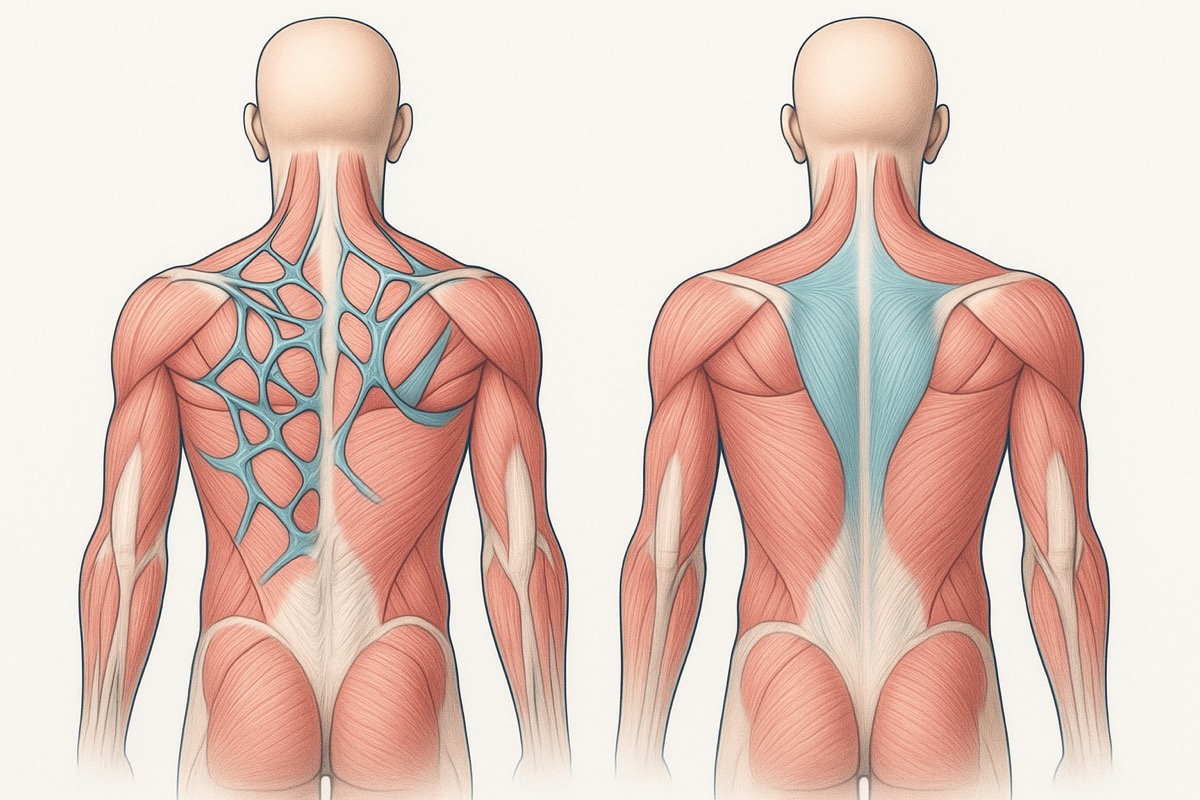
Fascia therapy focuses on restoring the three key arches of the foot—medial, lateral, and transverse—by utilizing the interconnected nature of the body's fascia. When these arches collapse, it can lead to a chain reaction affecting posture and causing low back pain. By releasing tension in the fascia, particularly around the foot and lower leg, the arches can be reformed, improving overall body alignment and reducing strain on the lower back.[1][2]
Clinicians often find that older patients or those who experience fatigue and pain during long walks benefit significantly from fascia therapy. The technique involves simple yet powerful manipulations that enhance the elasticity of the plantar fascia, Achilles tendon, and related muscle groups, which can lead to noticeable improvements in walking distance and pain relief.[3][4]
What is the technique for restoring foot arches?
The primary technique involves applying pressure to the calf muscles and plantar fascia while manipulating the foot in various positions. By dorsiflexing and abducting the foot, the practitioner stimulates the spine's movement, which helps in reestablishing the foot's natural arches. This is particularly effective when combined with exercises that enhance toe flexibility and strength.[5]
Patients often report an immediate sense of relief and improved posture following the treatment. This is because the fascia's release allows for better weight distribution and a dynamic balance, which can significantly reduce the burden on the lumbar region. The method is especially beneficial for those with conditions like bunions, knee pain, or anterior posture issues.
Why is dynamic stability important in fascia therapy?
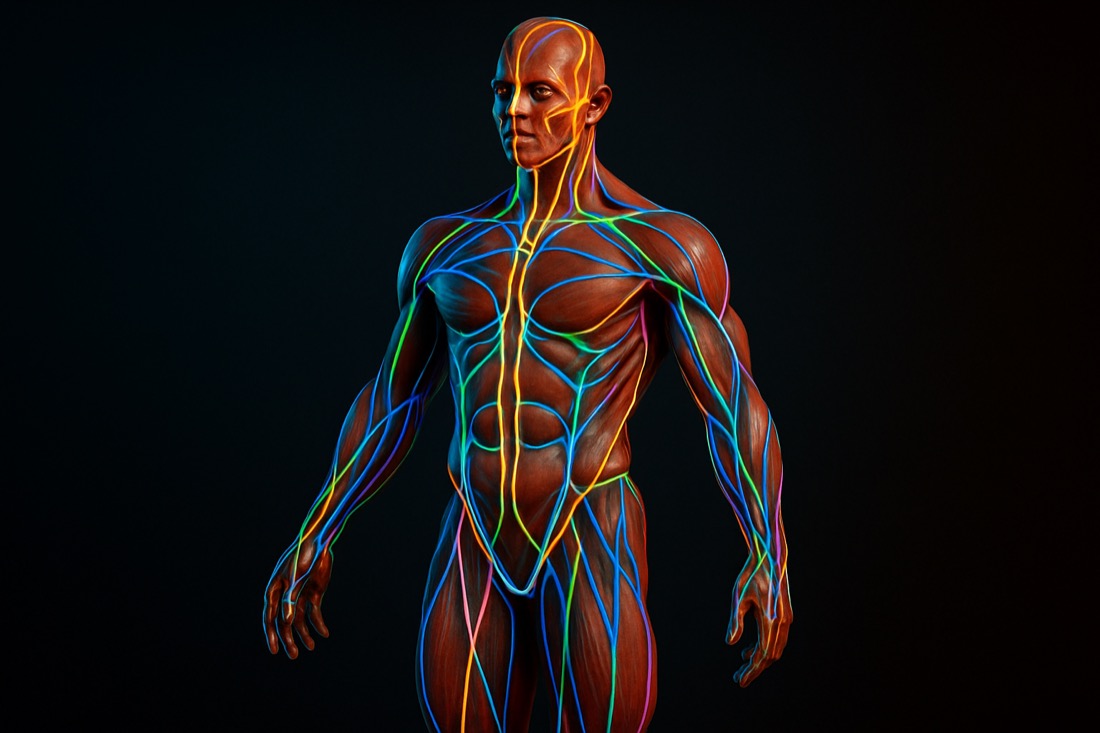
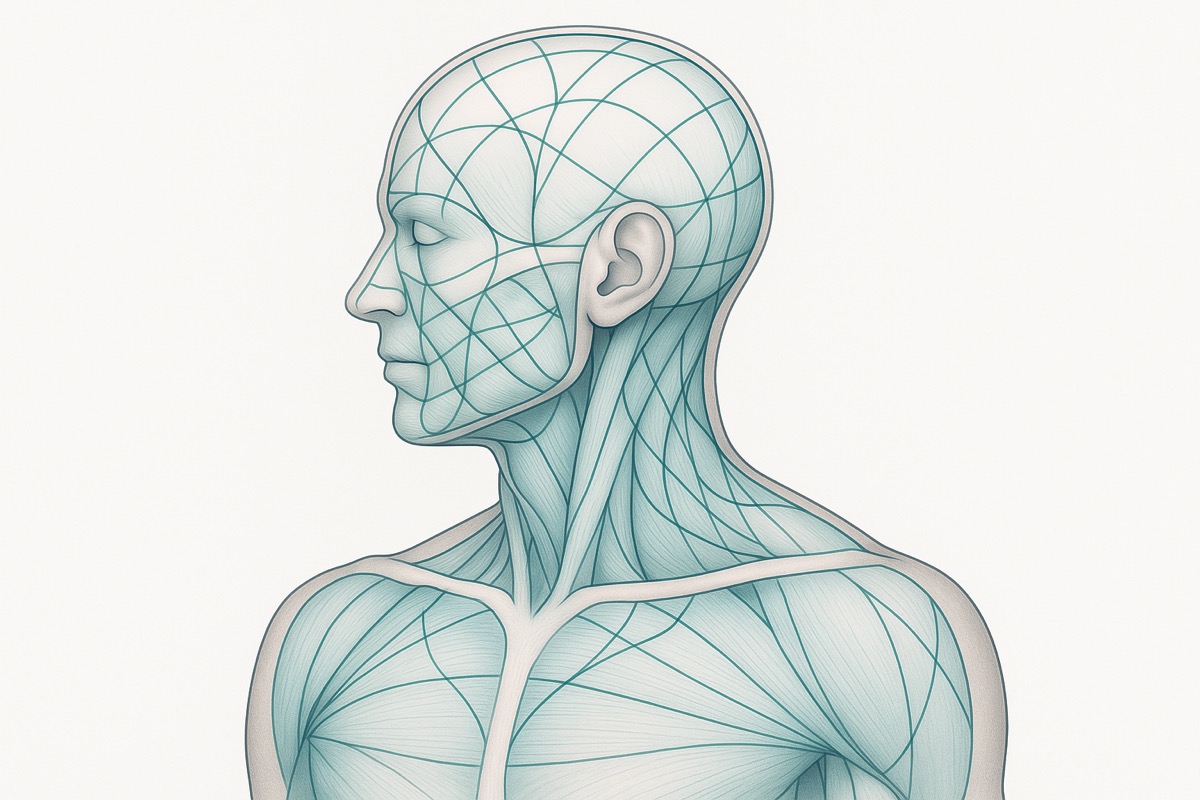
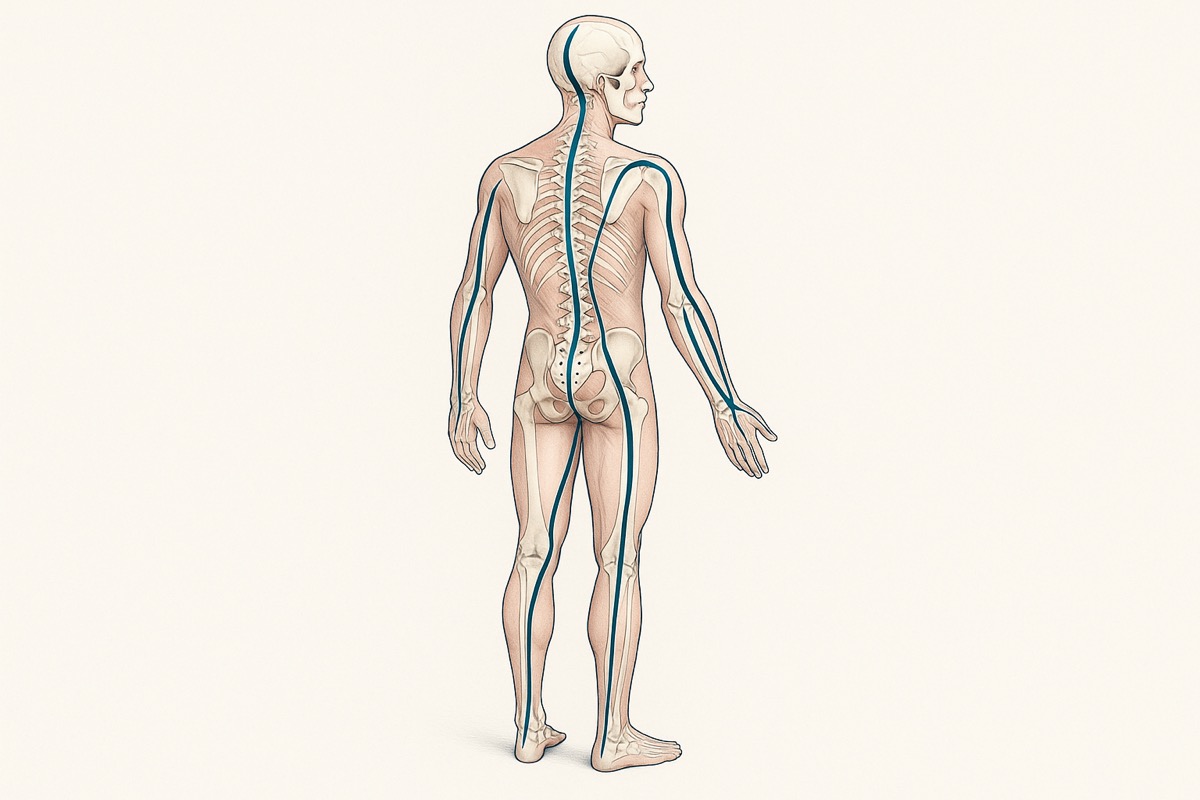
Dynamic stability refers to the body's ability to maintain balance and proper alignment during movement. Fascia therapy enhances this stability by addressing the fascial lines that run through the body. The back line, front line, and lateral line all play crucial roles in maintaining posture and functional movement.
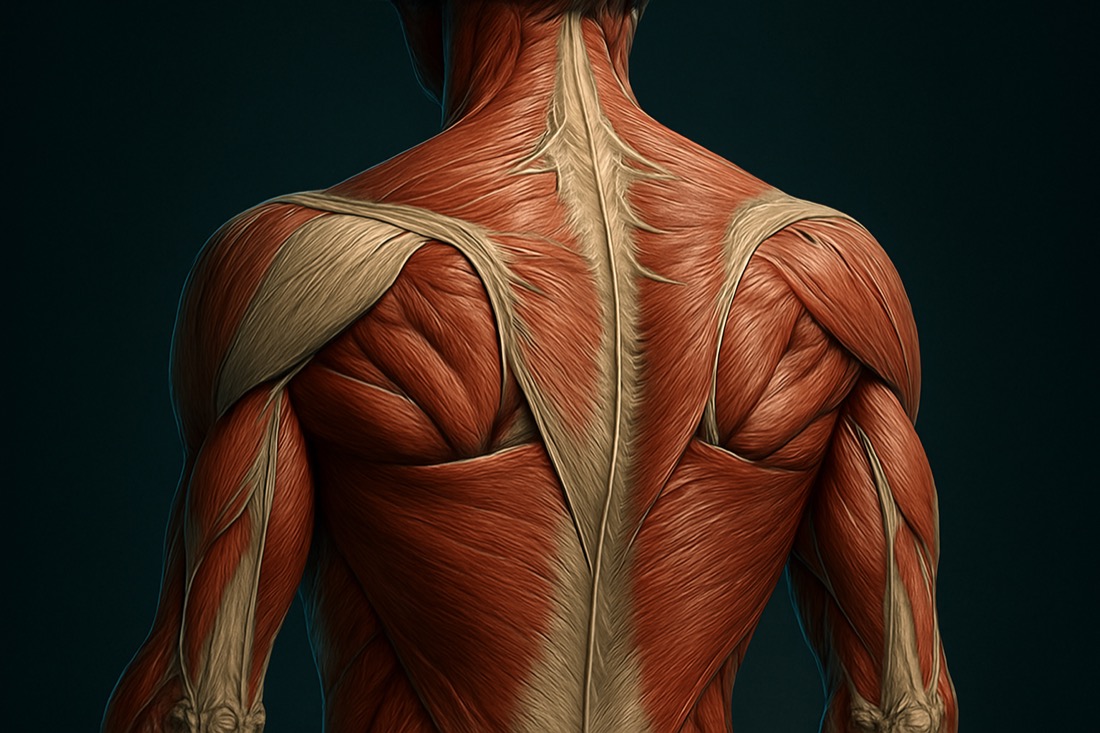
The back line, for instance, connects the plantar fascia to the occipital muscles, influencing the body's extension capabilities. Similarly, the front line aids in flexion control, while the lateral line supports side-to-side stability. By optimizing these fascial connections, fascia therapy contributes to improved posture and reduced lower back discomfort.[6]
What results can you expect from fascia therapy?
Patients undergoing fascia therapy for foot arches often experience an increase in walking distance and a reduction in low back pain. This is because the therapy not only restores the foot's arches but also improves overall body mechanics. Enhanced fascial elasticity results in a more efficient energy transfer throughout the body, leading to better performance in daily activities.
While individual results may vary, many find that fascia therapy offers a holistic improvement in their physical capabilities. The technique's focus on the root causes of musculoskeletal issues makes it a valuable addition to any therapeutic regimen aimed at enhancing mobility and reducing pain.
Frequently asked questions
Is fascia therapy safe? — Yes, when performed by a trained professional, fascia therapy is considered safe and non-invasive. It focuses on gentle manipulations to improve bodily function and relieve pain.
How long does it take to see results? — Many patients experience improvements after just one session, though a series of treatments may be necessary for lasting effects. The timing can vary based on individual conditions and therapy goals.
Can fascia therapy help with other conditions? — While primarily used for musculoskeletal issues, fascia therapy may also assist with conditions like plantar fasciitis, bunions, and general postural imbalances. Always consult with a healthcare provider to see if it's right for you.
References
- [1]Schleip R. Fascial plasticity — a new neurobiological explanation. J Bodyw Mov Ther. 2003;7(1):11–19.
- [2]Wilke J, Krause F, Vogt L, Banzer W. What Is Evidence-Based About Myofascial Chains? A Systematic Review. Arch Phys Med Rehabil. 2016;97(3):454–461.
- [3]Krause F, Wilke J, Vogt L, Banzer W. Intermuscular force transmission along myofascial chains: a systematic review. J Anat. 2016;228(6):910–918.
- [4]Stecco C, Stern R, Porzionato A, et al. Hyaluronan within fascia in the etiology of myofascial pain. Surg Radiol Anat. 2011;33(10):891–896.
- [5]Ajimsha MS, Al-Mudahka NR, Al-Madzhar JA. Effectiveness of myofascial release: a systematic review of randomized controlled trials. J Bodyw Mov Ther. 2015;19(1):102–112.
- [6]Tozzi P, Bongiorno D, Vitturini C. Fascial release effects on patients with non-specific cervical or lumbar pain. J Bodyw Mov Ther. 2011;15(4):405–416.