Instant Solutions for Spinal Misalignment
Original title (JP): 背骨の歪みを一発で治す方法

Supervised by
Shogo Fujii
Physiotherapist (PT) · Founder of the SHOGO FUJII® FASCIA METHOD
View profile →Clinical Article · 5 min read
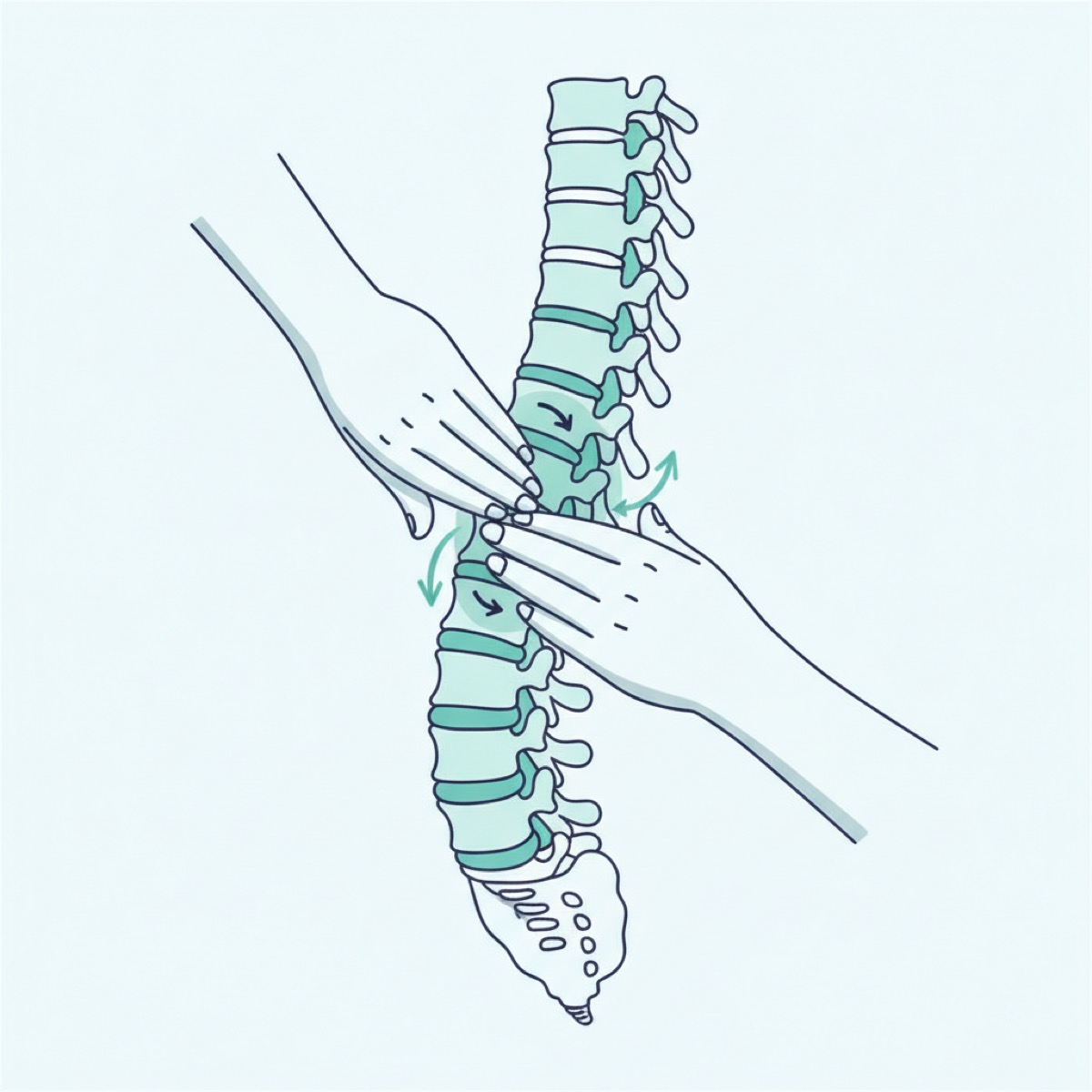
Fascia release for low back pain is an innovative technique that targets spinal misalignment through gentle manipulation of the spine's intricate joints. This method focuses on the intervertebral joints, ensuring they move freely to alleviate conditions like herniated discs and spinal stenosis. By understanding the anatomy of the spine, you can unlock new ways to manage pain and improve overall body movement.
What causes spinal misalignment?
Spinal misalignment often occurs due to restrictions within the intervertebral joints, which are crucial for maintaining the spine's flexibility and overall health. These small joints, located between each vertebra, can become stiff or immobile, leading to various conditions such as herniated discs and spinal stenosis[1].
The key to addressing these issues lies in ensuring these joints are functioning optimally. When the joints move as they should, the spine can maintain its natural curvature and distribute stress evenly, preventing pain and discomfort[2].
How does fascia release help with low back pain?
Fascia release works by gently manipulating the spine's intervertebral joints to restore their natural movement. This process helps to relieve pressure on the nerves and reduce inflammation, which are common causes of low back pain[3].
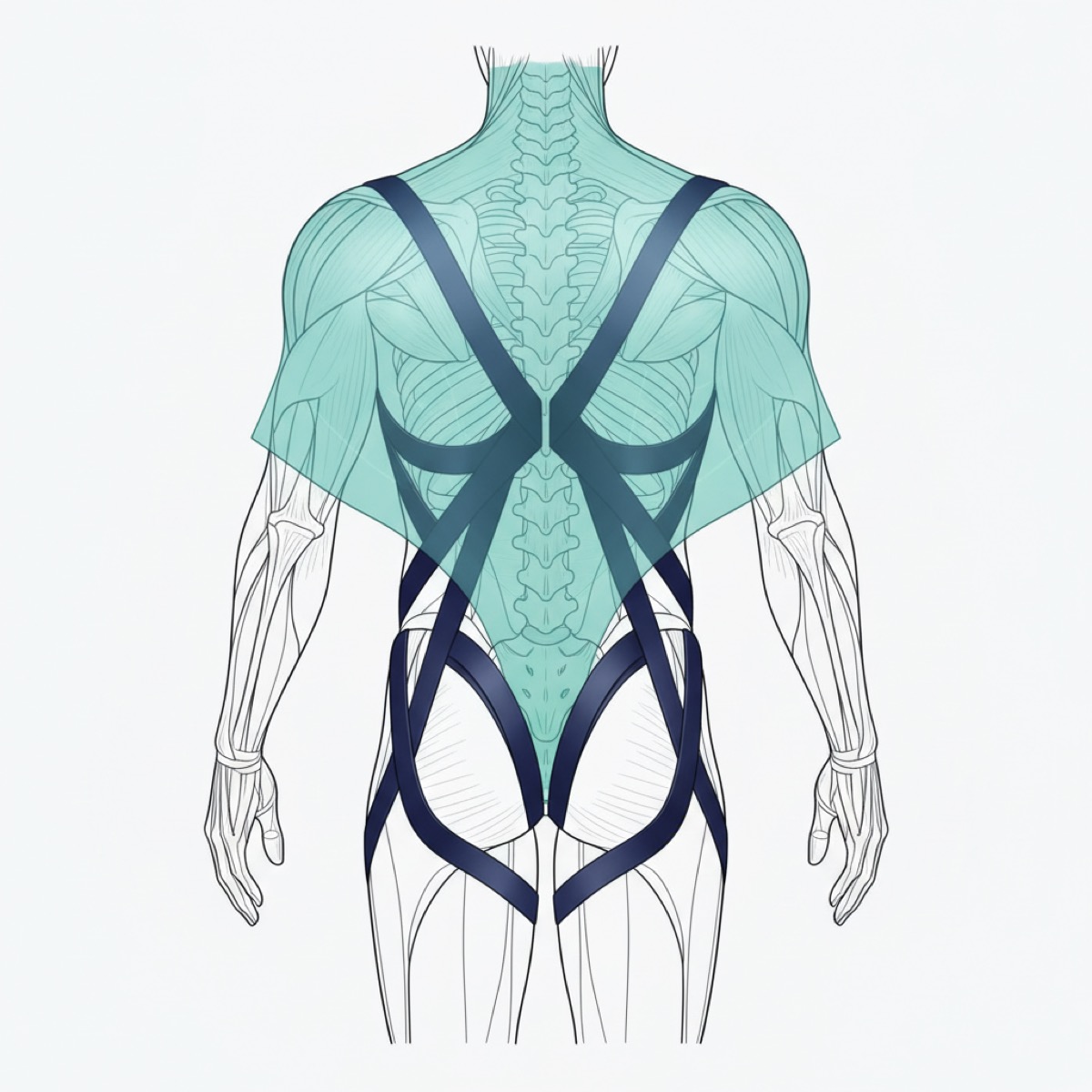
By targeting the fascia, the connective tissue that surrounds and supports the spine, this technique can enhance flexibility and promote healing. The practitioner uses their fingers to sense and adjust the joint movements, enabling the body to correct its alignment naturally[4].
What to expect during a fascia release session
During a fascia release session, the practitioner will first assess your spinal alignment and identify areas of restriction. The session involves gentle pressure applied to specific points along the spine to encourage movement in the intervertebral joints[5].
Patients often report a sensation of relief and increased mobility following the session. It's important for both the practitioner and the patient to communicate throughout the process to ensure comfort and effectiveness[6].
Why is understanding spinal anatomy important?
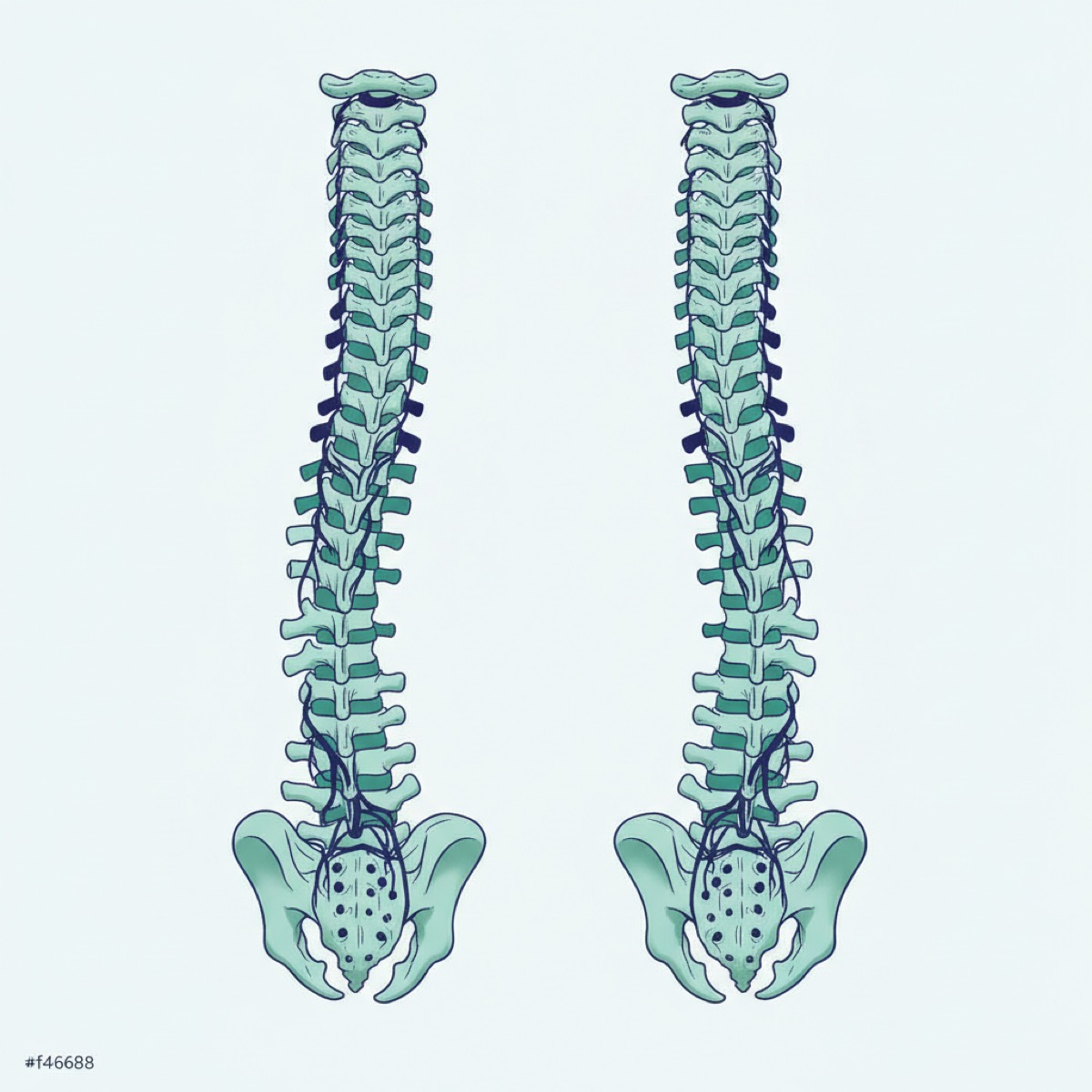
A thorough understanding of spinal anatomy is essential for both practitioners and patients. Knowing the structure of the vertebrae, intervertebral joints, and surrounding fascia helps in identifying the root cause of misalignments and tailoring treatments accordingly.
Familiarity with spinal anatomy allows practitioners to apply techniques more precisely, enhancing the effectiveness of the fascia release and contributing to better outcomes for patients. For patients, this knowledge empowers them to participate actively in their healing process.
Frequently asked questions
Is fascia release safe? — Yes, fascia release is generally considered safe when performed by a trained practitioner. It involves gentle techniques that minimize the risk of injury.
How long does it take to see results? — Many patients experience some relief after the first session, but a series of treatments may be necessary for long-term benefits.
Can fascia release be combined with other treatments? — Absolutely, fascia release can complement other therapies such as physical therapy and chiropractic care to enhance overall results.
References
- [1]Wilke J, Krause F, Vogt L, Banzer W. What Is Evidence-Based About Myofascial Chains? A Systematic Review. Arch Phys Med Rehabil. 2016;97(3):454–461.
- [2]Krause F, Wilke J, Vogt L, Banzer W. Intermuscular force transmission along myofascial chains: a systematic review. J Anat. 2016;228(6):910–918.
- [3]Stecco C, Stern R, Porzionato A, et al. Hyaluronan within fascia in the etiology of myofascial pain. Surg Radiol Anat. 2011;33(10):891–896.
- [4]Ajimsha MS, Al-Mudahka NR, Al-Madzhar JA. Effectiveness of myofascial release: a systematic review of randomized controlled trials. J Bodyw Mov Ther. 2015;19(1):102–112.
- [5]Tozzi P, Bongiorno D, Vitturini C. Fascial release effects on patients with non-specific cervical or lumbar pain. J Bodyw Mov Ther. 2011;15(4):405–416.
- [6]Zügel M, Maganaris CN, Wilke J, et al. Fascial tissue research in sports medicine: from molecules to tissue adaptation, injury and diagnostics: consensus statement. Br J Sports Med. 2018;52(23):1497.