Mastering the Flexor Digitorum: A Key to Shoulder Pain Relief
Original title (JP): 浅指屈筋を制するものは肩痛を制する

Supervised by
Shogo Fujii
Physiotherapist (PT) · Founder of the SHOGO FUJII® FASCIA METHOD
View profile →Clinical Article · 5 min read
Fascia release for low back pain is gaining attention as an effective method to alleviate discomfort. In this guide, we explore how the flexor digitorum plays a pivotal role in releasing tension not just in the forearm but also in the shoulder and back. Understanding the anatomy and the interconnectedness of fascia can offer new pathways to pain relief.
How does fascia release alleviate low back pain?
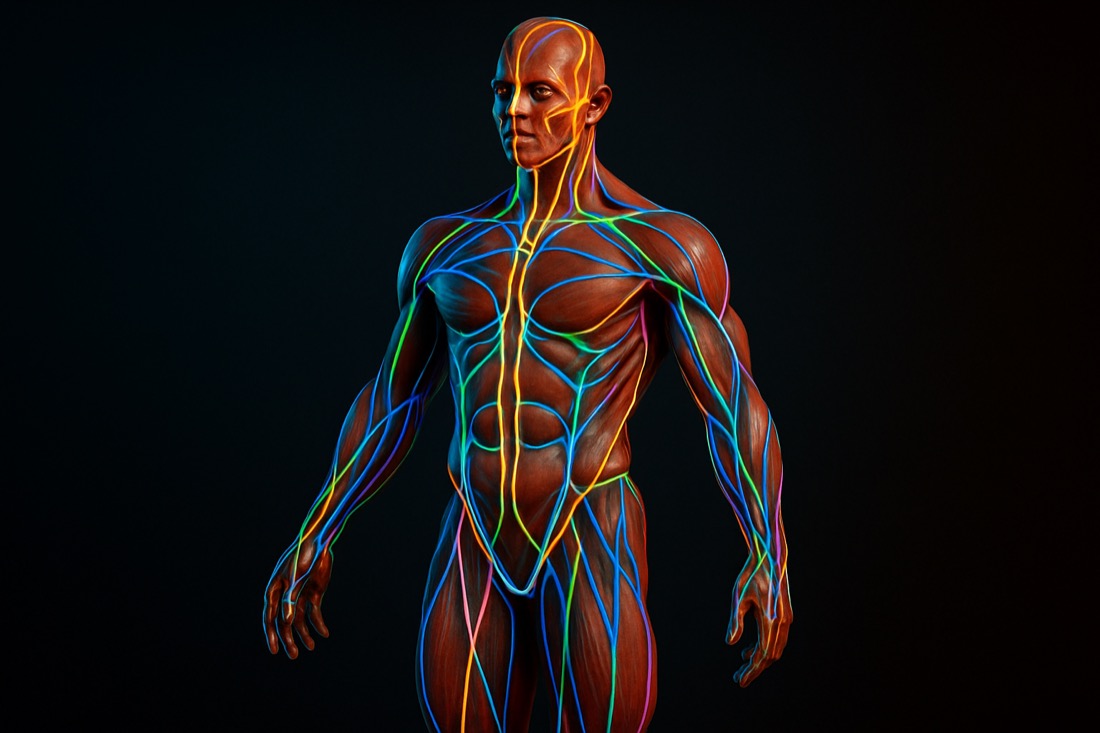
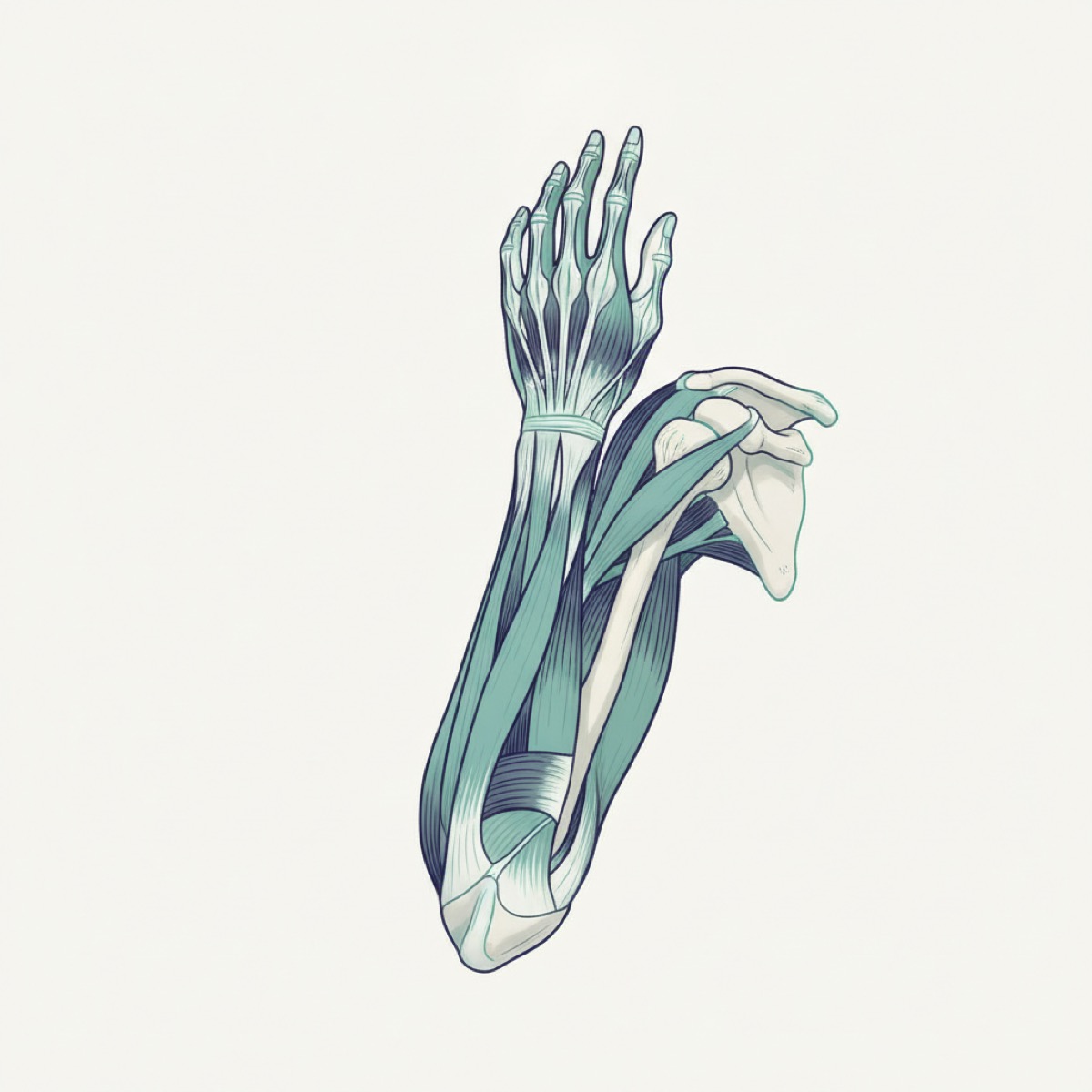
Fascia, the connective tissue surrounding muscles, can become tense and adhesed, leading to pain. The flexor digitorum, located in the forearm, is crucial for finger flexion but also impacts the shoulder and back when its fascia is restricted. Releasing this tension can contribute to significant pain relief in the lower back by improving overall mobility and reducing compensatory strain on other muscles[1].
When the fascia around the flexor digitorum is released, it can improve the range of motion and reduce discomfort in areas seemingly unrelated, such as the shoulder and lower back. This interconnectedness highlights the importance of a holistic approach to pain management[2].
Why does my lower back still hurt?
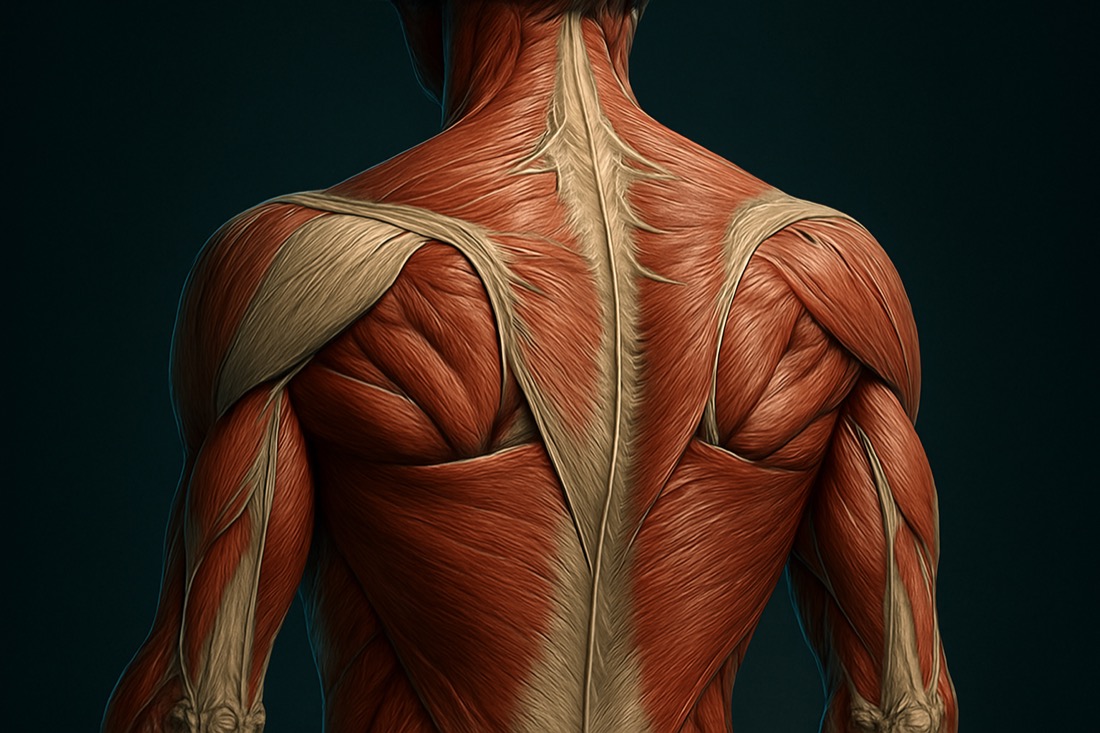
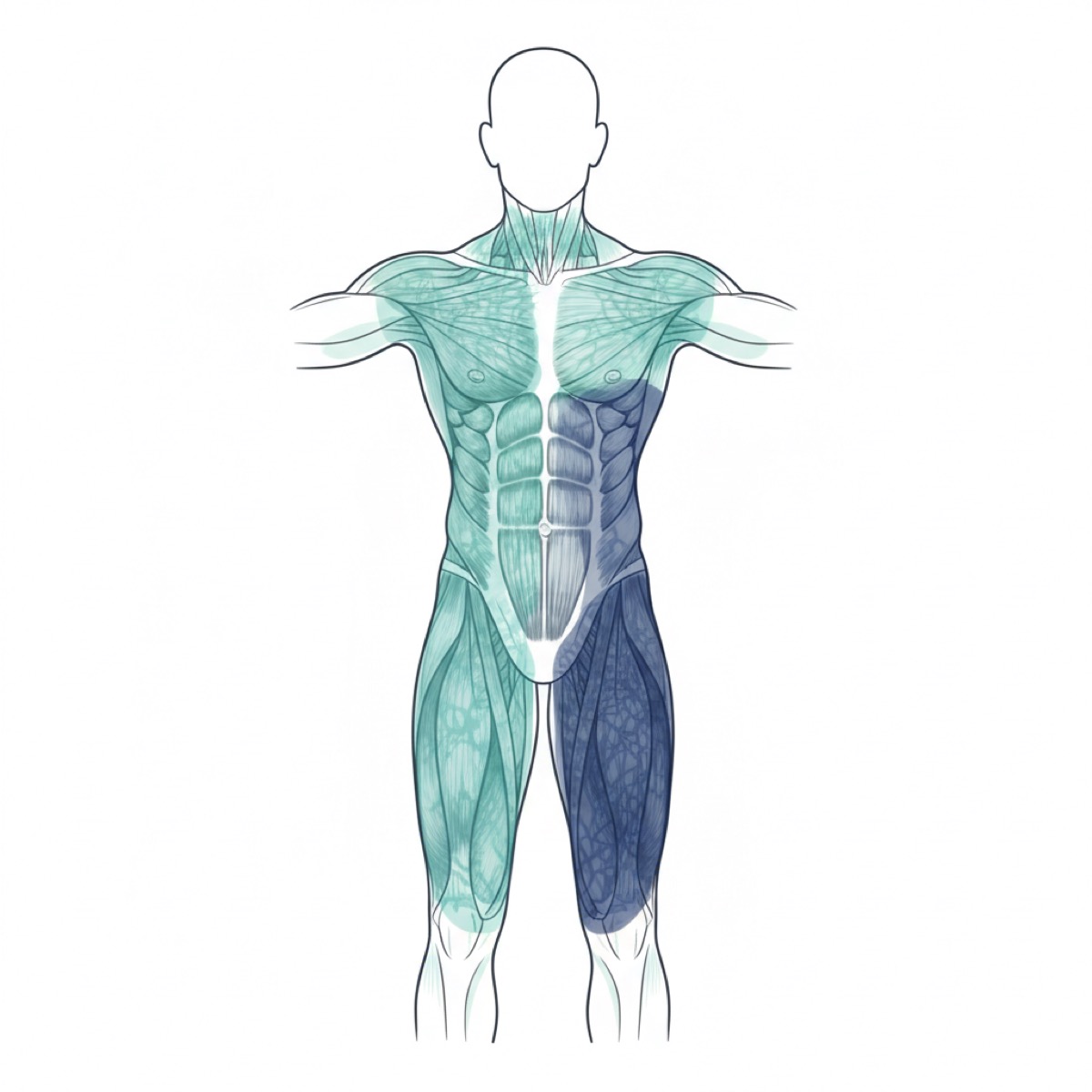
Persistent low back pain can often be attributed to unresolved fascial adhesions. These adhesions can restrict movement and create a cycle of pain and compensation throughout the body. The flexor digitorum's role in upper body movement means that tension here can translate to lower back discomfort as the body attempts to compensate for restricted motion[3].
Addressing these adhesions through targeted fascia release techniques can alleviate pain. However, it's essential to understand that fascia release is part of a broader strategy that includes strengthening exercises and posture correction to maintain long-term relief[4].
What is the connection between the forearm and shoulder pain?
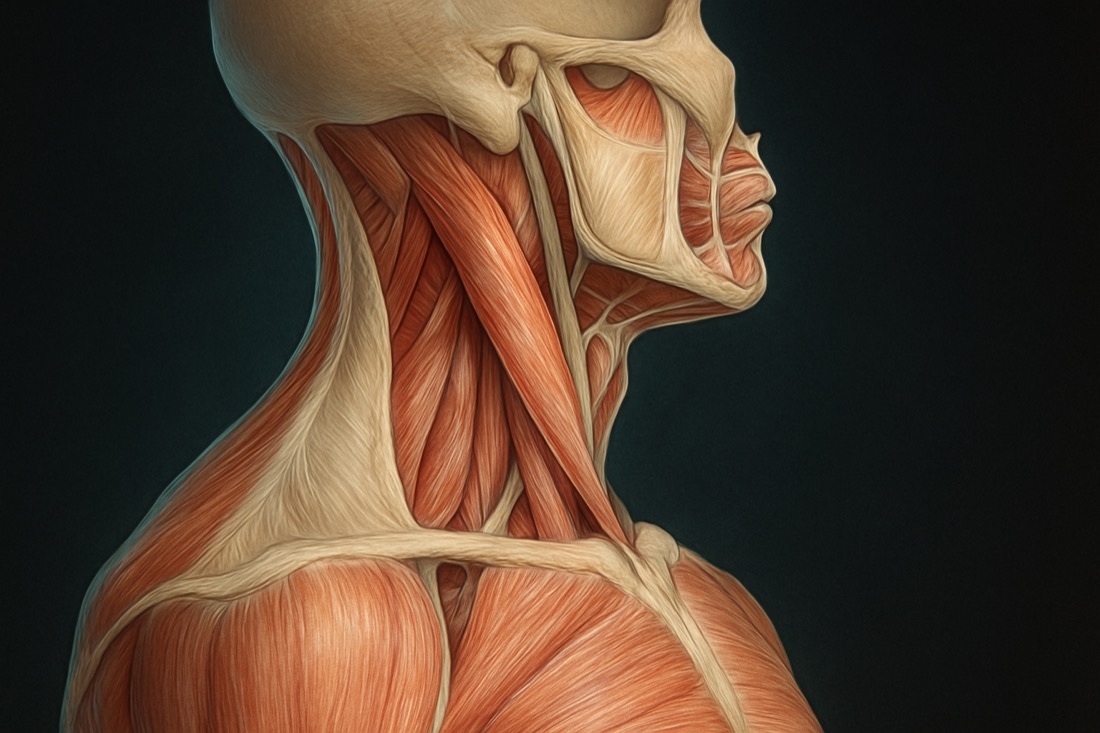
The flexor digitorum is involved in finger flexion and wrist movement, but its fascia can extend tension to the shoulder region. When this tension is released, it can alleviate shoulder pain by reducing the strain on the muscles that connect the shoulder and forearm[5].
This connection underscores the importance of considering the whole kinetic chain in addressing pain. By releasing the fascia in the forearm, clinicians can see improvements in shoulder mobility and a reduction in pain, showcasing the body's interconnected nature[6].
How to perform fascia release at home?
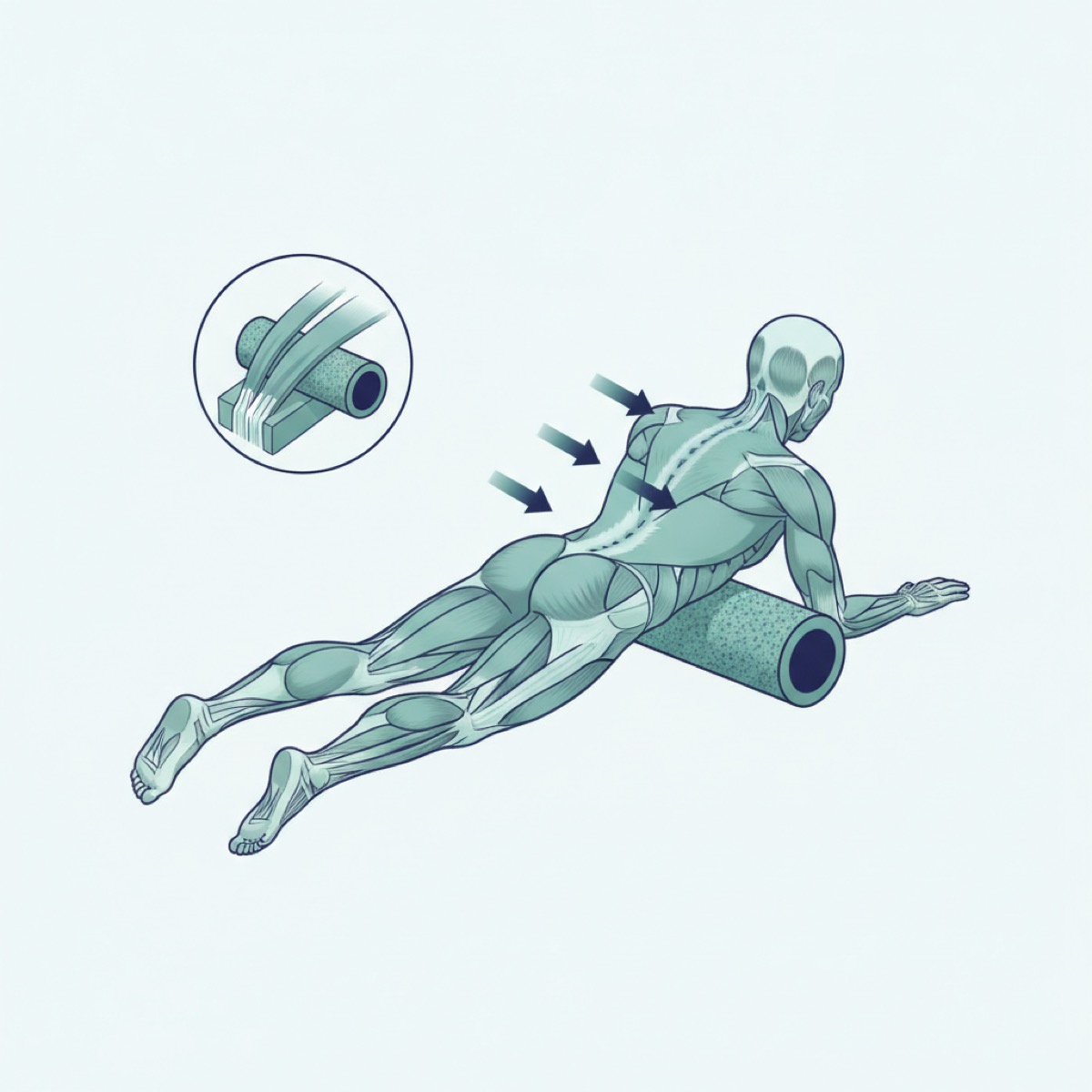
Fascia release can be performed at home using techniques such as gentle massage and stretching. Focus on the areas where you feel tightness, such as the forearm, using your thumb to apply pressure and release tension. Ensure to perform movements slowly and with control to prevent injury.
Incorporate tools like foam rollers or massage balls to help target deeper layers of fascia. Regular practice can lead to improvements in flexibility and pain reduction, but it is recommended to consult with a physiotherapist to ensure the techniques are performed correctly and safely.
Frequently asked questions
Is fascia release safe? — Fascia release is generally safe when performed correctly and gently. It is essential to start slowly and consult a physiotherapist if unsure.
Can fascia release cure low back pain? — While fascia release can significantly reduce pain, it is part of a comprehensive approach including exercise and posture correction for long-term relief.
How often should I perform fascia release? — It varies per individual, but a few times a week is often sufficient to see improvements. Adjust based on your comfort and response.
References
- [1]Stecco C, Stern R, Porzionato A, et al. Hyaluronan within fascia in the etiology of myofascial pain. Surg Radiol Anat. 2011;33(10):891–896.
- [2]Ajimsha MS, Al-Mudahka NR, Al-Madzhar JA. Effectiveness of myofascial release: a systematic review of randomized controlled trials. J Bodyw Mov Ther. 2015;19(1):102–112.
- [3]Tozzi P, Bongiorno D, Vitturini C. Fascial release effects on patients with non-specific cervical or lumbar pain. J Bodyw Mov Ther. 2011;15(4):405–416.
- [4]Zügel M, Maganaris CN, Wilke J, et al. Fascial tissue research in sports medicine: from molecules to tissue adaptation, injury and diagnostics: consensus statement. Br J Sports Med. 2018;52(23):1497.
- [5]Klingler W, Velders M, Hoppe K, Pedro M, Schleip R. Clinical relevance of fascial tissue and dysfunctions. Curr Pain Headache Rep. 2014;18(8):439.
- [6]Wilke J, Vogt L, Niederer D, Banzer W. Is remote stretching based on myofascial chains as effective as local exercise? A randomised-controlled trial. J Sports Sci. 2017;35(20):2021–2027.