Incredible Hamstring Release Technique Revealed!
Original title (JP): 【神回】このハムストリリース手技がすごい!

Supervised by
Shogo Fujii
Physiotherapist (PT) · Founder of the SHOGO FUJII® FASCIA METHOD
View profile →Clinical Article · 5 min read
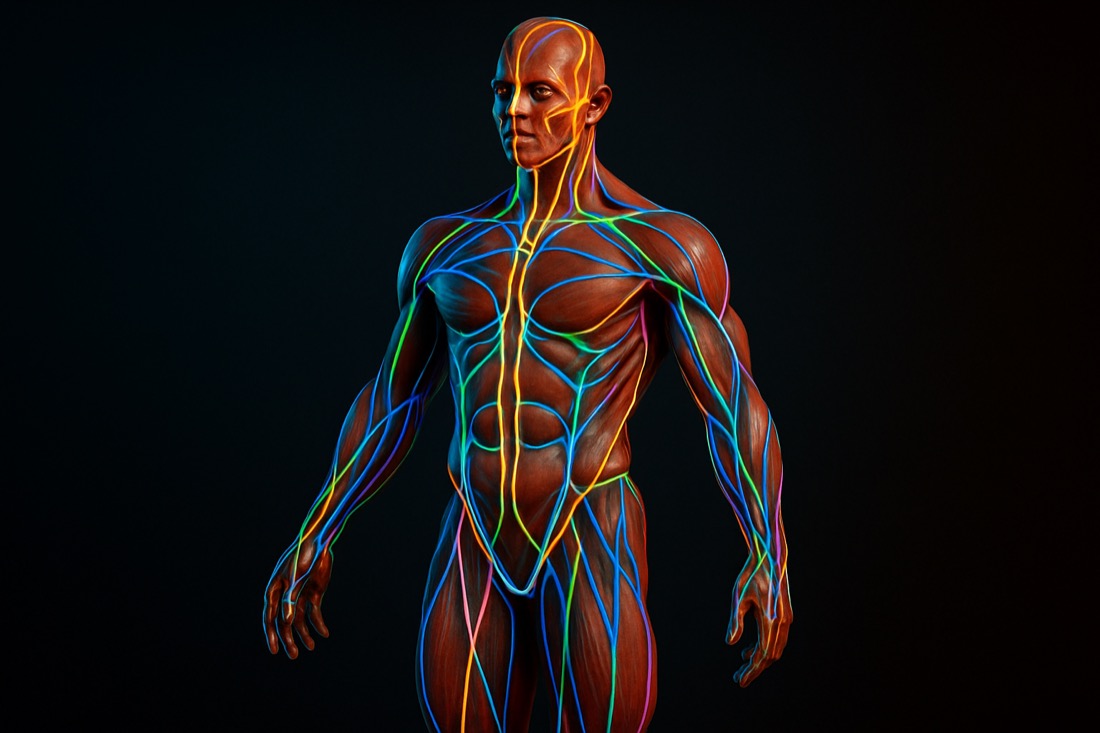
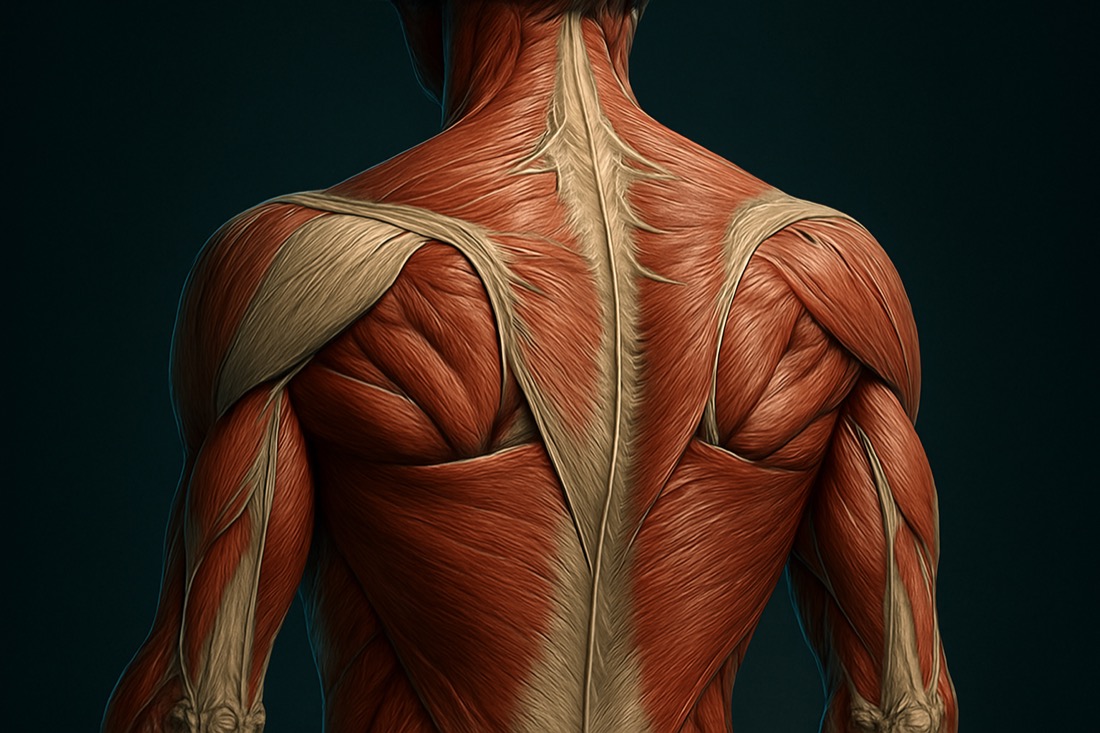
Fascia release for low back pain is a revolutionary approach gaining traction among clinicians and informed patients. Shogo Fujii's incredible hamstring release technique offers a unique perspective on addressing knee and back pain through myofascial connections. By understanding the anatomy and function of the hamstring muscles, practitioners can effectively target and alleviate pain in the low back and other related areas.
Why does low back pain persist?
Low back pain often persists due to overlooked factors such as fascia tightness and myofascial connections rather than just structural issues in the spine or joints. Shogo Fujii emphasizes the importance of addressing the fascia, which can influence pain patterns throughout the body, including the knees and lower back.
The interconnectedness of muscles and fascia means that tension in one area, like the hamstrings, can contribute to pain in another, such as the low back. This perspective shifts the focus from isolated treatment to a more holistic approach, targeting the fascia for comprehensive pain management.
How does fascia release work?
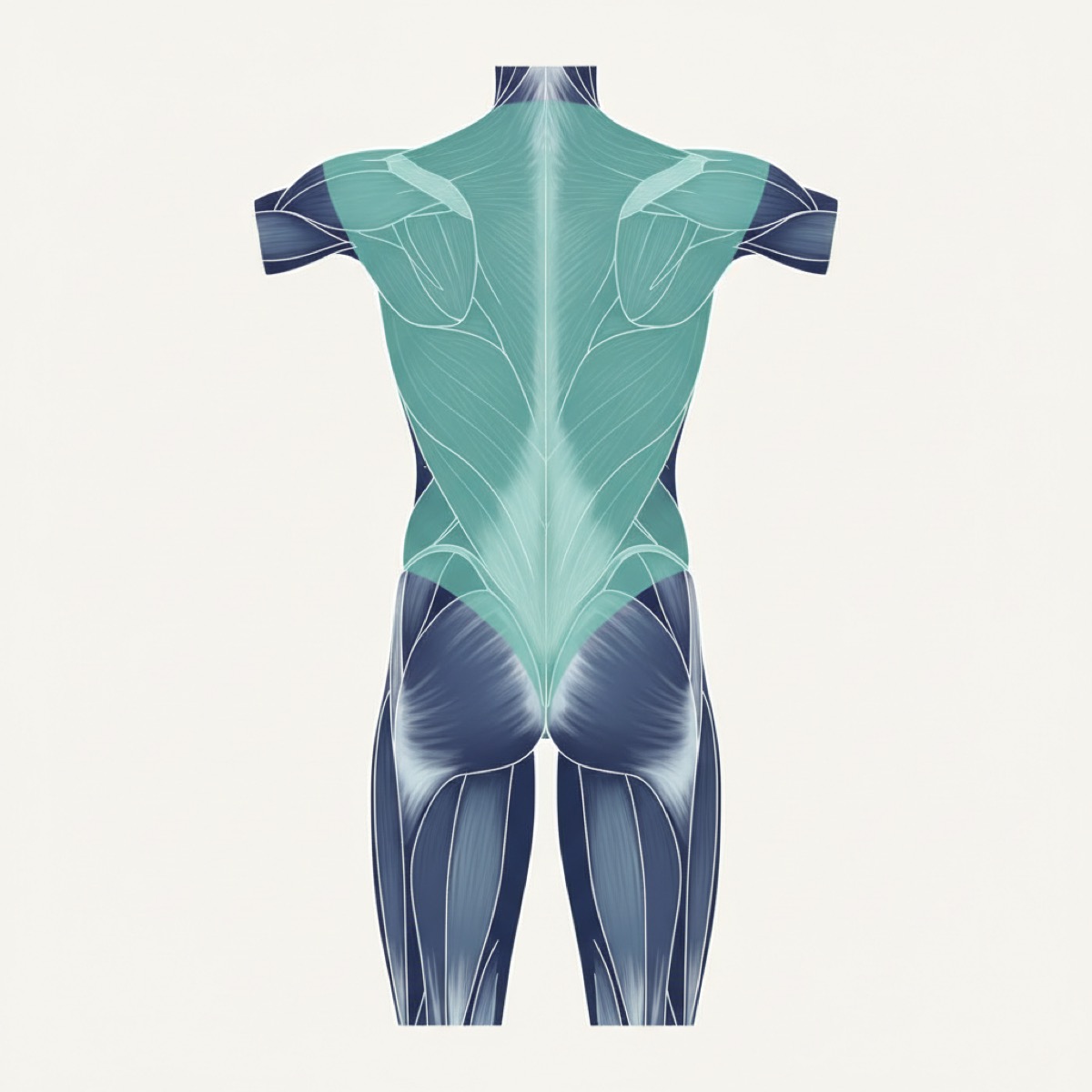
Fascia release works by targeting the connective tissue that envelops muscles, allowing for better movement and reduced pain. Fujii's technique involves manipulating the fascia around the hamstrings to alleviate tension and improve flexibility, which can have a cascading effect on reducing low back pain.
This approach involves palpation and manual techniques to identify areas of tightness and apply pressure to release the fascia. Practitioners might find that addressing these myofascial connections can lead to improvements in mobility and a reduction in pain symptoms [1][2].
What to expect from a fascia release session
A typical fascia release session focusing on low back pain might involve the patient lying in a prone position while the therapist assesses tension in the hamstrings and surrounding fascia. Techniques such as rolling, pressing, and stretching are used to release tight areas.
Patients often report a sensation of relaxation and increased range of motion following the session. It's essential for patients to communicate any discomfort during the session to ensure the technique is adjusted to their needs [3][4].
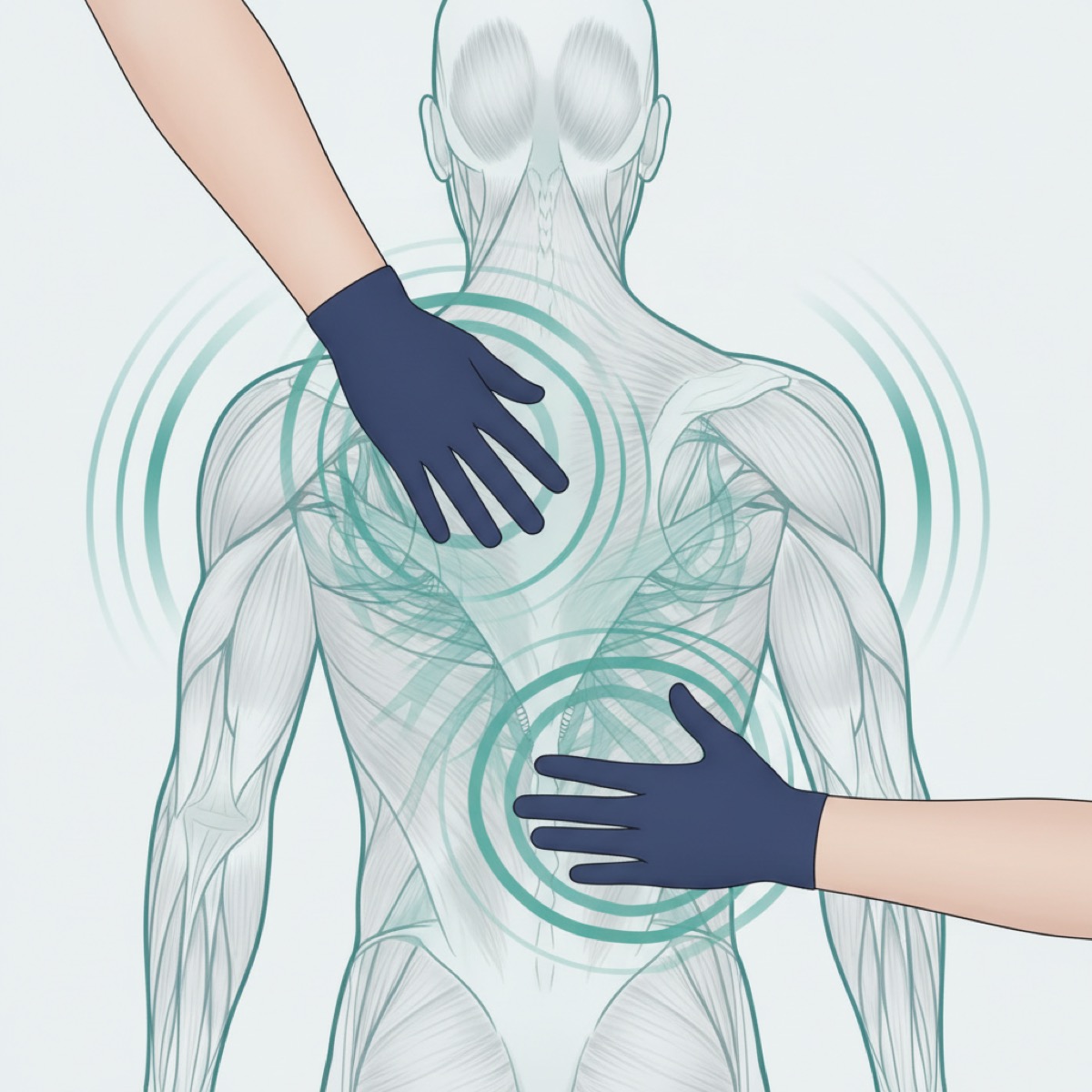
Benefits of hamstring-focused fascia release
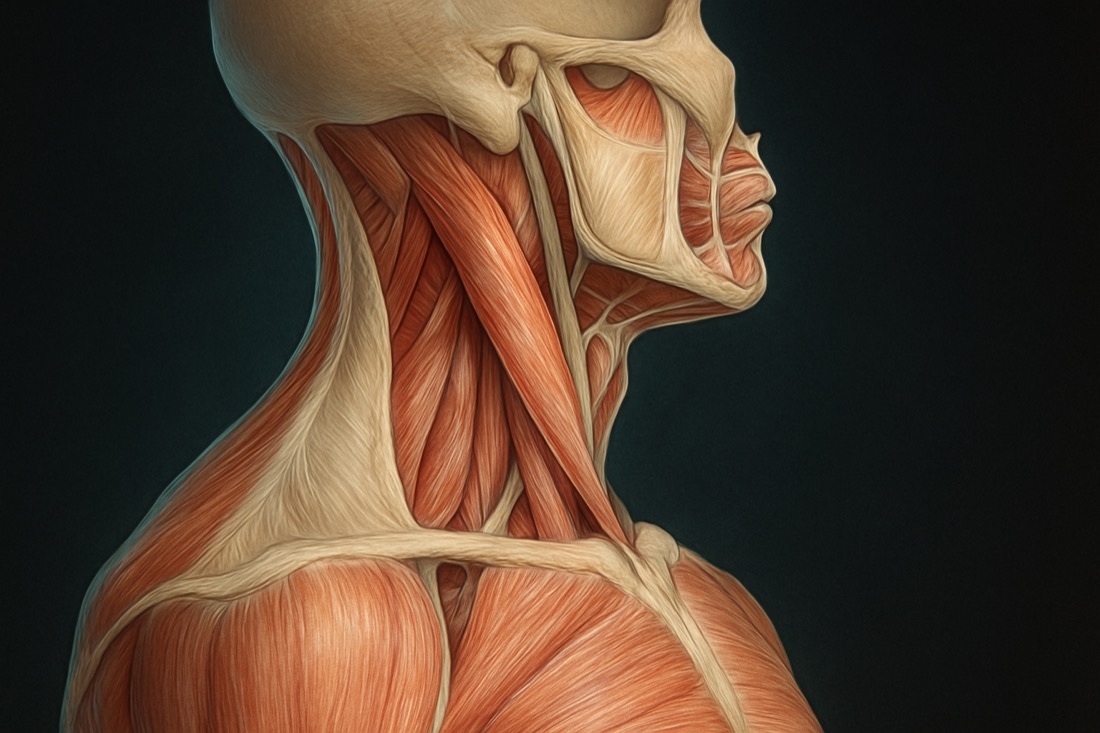
Focusing on the hamstrings for fascia release can lead to significant benefits for those suffering from low back pain. This technique not only targets the immediate area of tension but also addresses related structures, such as the spine and neck.
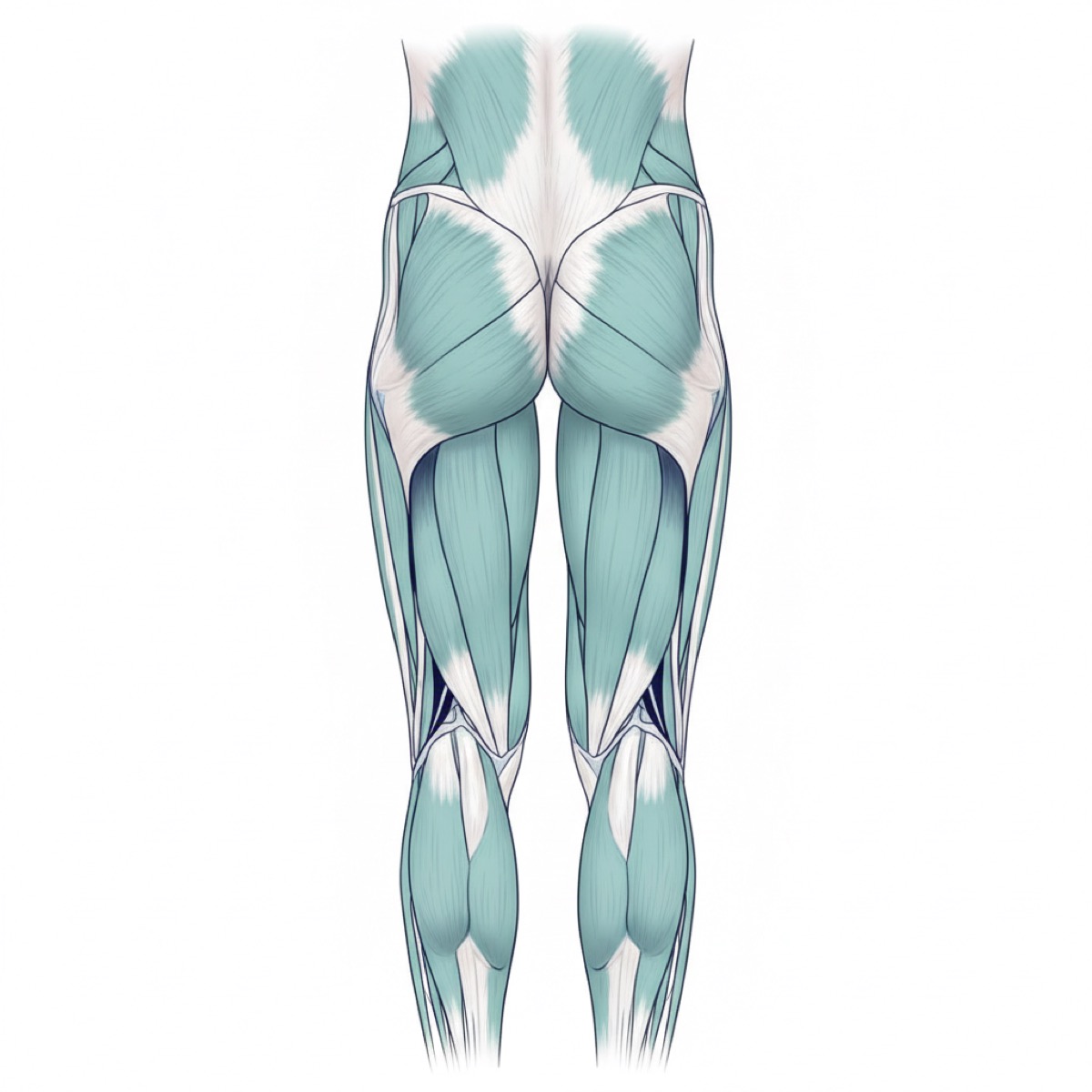
By improving the flexibility of the hamstrings, patients might experience reduced strain on the lower back, leading to less pain and improved posture. This method can be particularly beneficial for individuals with postural issues, such as anterior pelvic tilt, which exacerbates low back pain [5][6].
Frequently asked questions
Is fascia release safe? — Fascia release is generally considered safe when performed by a trained professional. It is important to communicate with your therapist about any pain or discomfort during the session.
How often should I undergo fascia release? — The frequency of fascia release sessions depends on the individual's condition and response to treatment. Some may benefit from weekly sessions, while others might need less frequent visits.
Can I perform fascia release at home? — While some self-myofascial release techniques can be done at home, it is recommended to consult with a professional to ensure proper technique and avoid injury.
References
- [1]Tozzi P, Bongiorno D, Vitturini C. Fascial release effects on patients with non-specific cervical or lumbar pain. J Bodyw Mov Ther. 2011;15(4):405–416.
- [2]Zügel M, Maganaris CN, Wilke J, et al. Fascial tissue research in sports medicine: from molecules to tissue adaptation, injury and diagnostics: consensus statement. Br J Sports Med. 2018;52(23):1497.
- [3]Klingler W, Velders M, Hoppe K, Pedro M, Schleip R. Clinical relevance of fascial tissue and dysfunctions. Curr Pain Headache Rep. 2014;18(8):439.
- [4]Wilke J, Vogt L, Niederer D, Banzer W. Is remote stretching based on myofascial chains as effective as local exercise? A randomised-controlled trial. J Sports Sci. 2017;35(20):2021–2027.
- [5]Palomeque-del-Cerro L, Arráez-Aybar LA, Rodríguez-Blanco C, et al. A systematic review of the soft-tissue connections between neck muscles and dura mater: the myodural bridge. Spine. 2017;42(1):49–54.
- [6]Woolf CJ. Central sensitization: implications for the diagnosis and treatment of pain. Pain. 2011;152(3 Suppl):S2–S15.