
Godly Technique: Watch This Pelvic Technique
Original title (JP): 【神技】骨盤テクニックを、見せます!

Supervised by
Shogo Fujii
Physiotherapist (PT) · Founder of the SHOGO FUJII® FASCIA METHOD
View profile →Clinical Article · 5 min read
Persistent low back pain can significantly impact daily life, often stemming from complex musculoskeletal imbalances. While many approaches exist, focusing on the body's intricate fascial network offers a powerful pathway to lasting relief. This article explores how precise fascia release for low back pain, particularly through pelvic techniques, can unlock profound changes, not just in the lumbar region but throughout the entire body.
Unlocking Relief: How Fascia Release for Low Back Pain Works
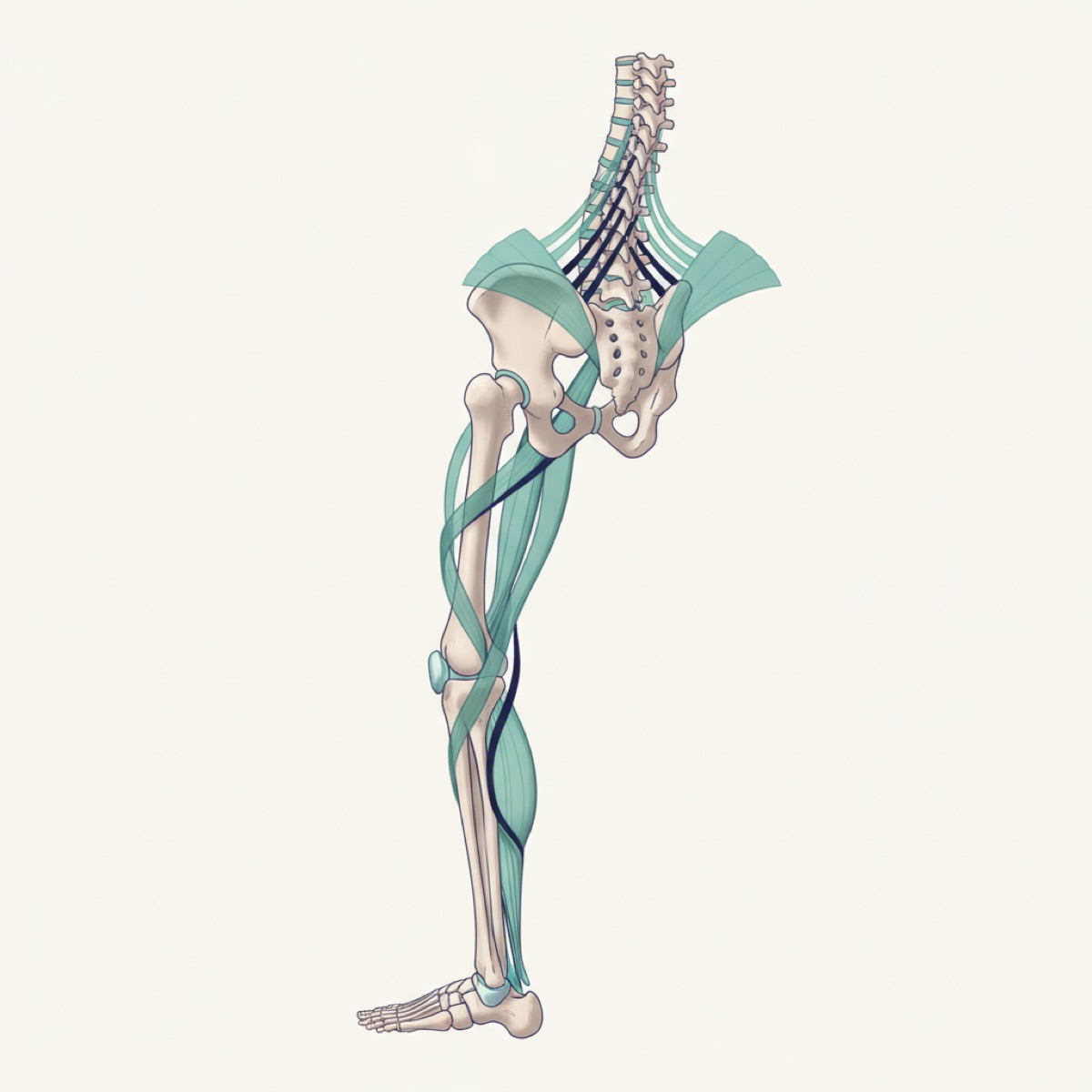
The body's fascia, a web of connective tissue, envelops muscles, bones, and organs, linking every part of us. When this fascia becomes tight or restricted, it can pull on structures like the pelvis and spine, leading to pain and limited mobility, especially in the lower back. What might seem like a localized low back issue can often be influenced by tension far from the site of pain, such as in the lower leg.
Targeted fascia release aims to restore the fluidity and elasticity of these tissues. Clinicians often describe the sensation of a successful release as stiff, 'stuck' muscles beginning to 'melt' or a feeling of something 'deflating' as tension dissipates. This subtle yet powerful manipulation allows the body to realign, reducing strain and promoting natural movement.
Beyond the Symptoms: The Surprising Role of Pelvic Alignment
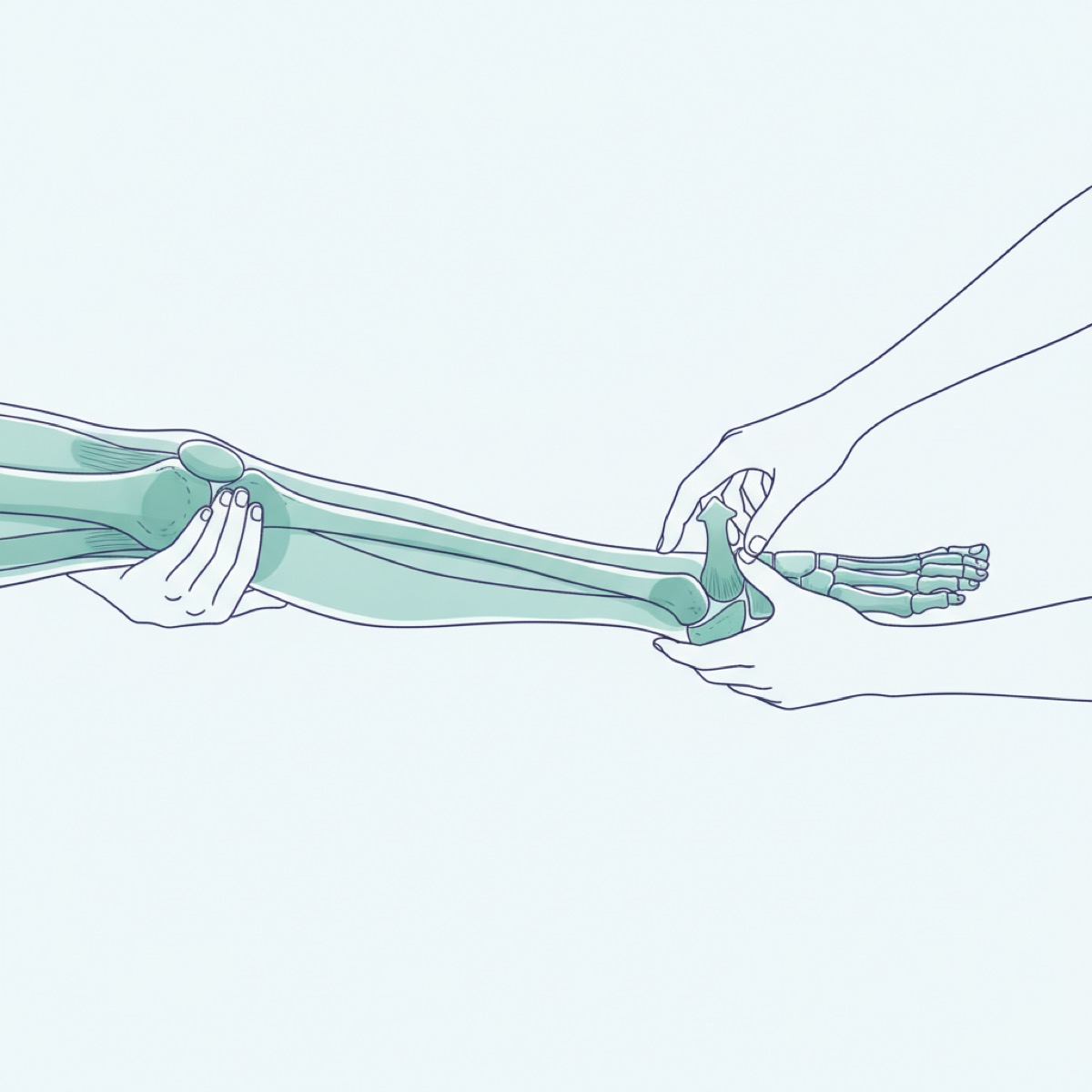
The pelvis acts as a crucial keystone for the entire body's structural integrity. Misalignment here can ripple upwards to the spine and downwards into the legs, contributing significantly to low back discomfort. Surprisingly, even a seemingly minor adjustment, such as manipulating the fibular head (the top part of the shin bone), can induce substantial movement and realignment in the pelvis.
This profound connection demonstrates how peripheral structures can hold the key to central stability. By addressing restrictions that prevent optimal pelvic motion, practitioners can alleviate chronic strain on the lumbar spine, improving overall body mechanics and reducing the fear associated with certain movements, like bending or extending the back.
Targeted Techniques: Why Personalized Fascia Therapy Matters
Effective fascia therapy is rarely a one-size-fits-all approach. While general exercises or techniques found online might offer temporary relief, true, lasting change often requires a personalized assessment. A skilled clinician will evaluate how an individual's body responds to specific stimuli, determining whether direct pressure, elevation, or other nuanced manipulations are most effective for a particular area, such as the fibular head.
For instance, in cases involving symptoms akin to plantar fasciitis or difficulty bearing weight, elevating the fibular head might be the precise stimulus needed to initiate pelvic correction. This tailored approach ensures that the treatment addresses the root cause of dysfunction, rather than just masking symptoms, by providing the exact stimulus the body needs to rebalance itself [1].
Whole-Body Transformation: Unexpected Benefits of Pelvic Release
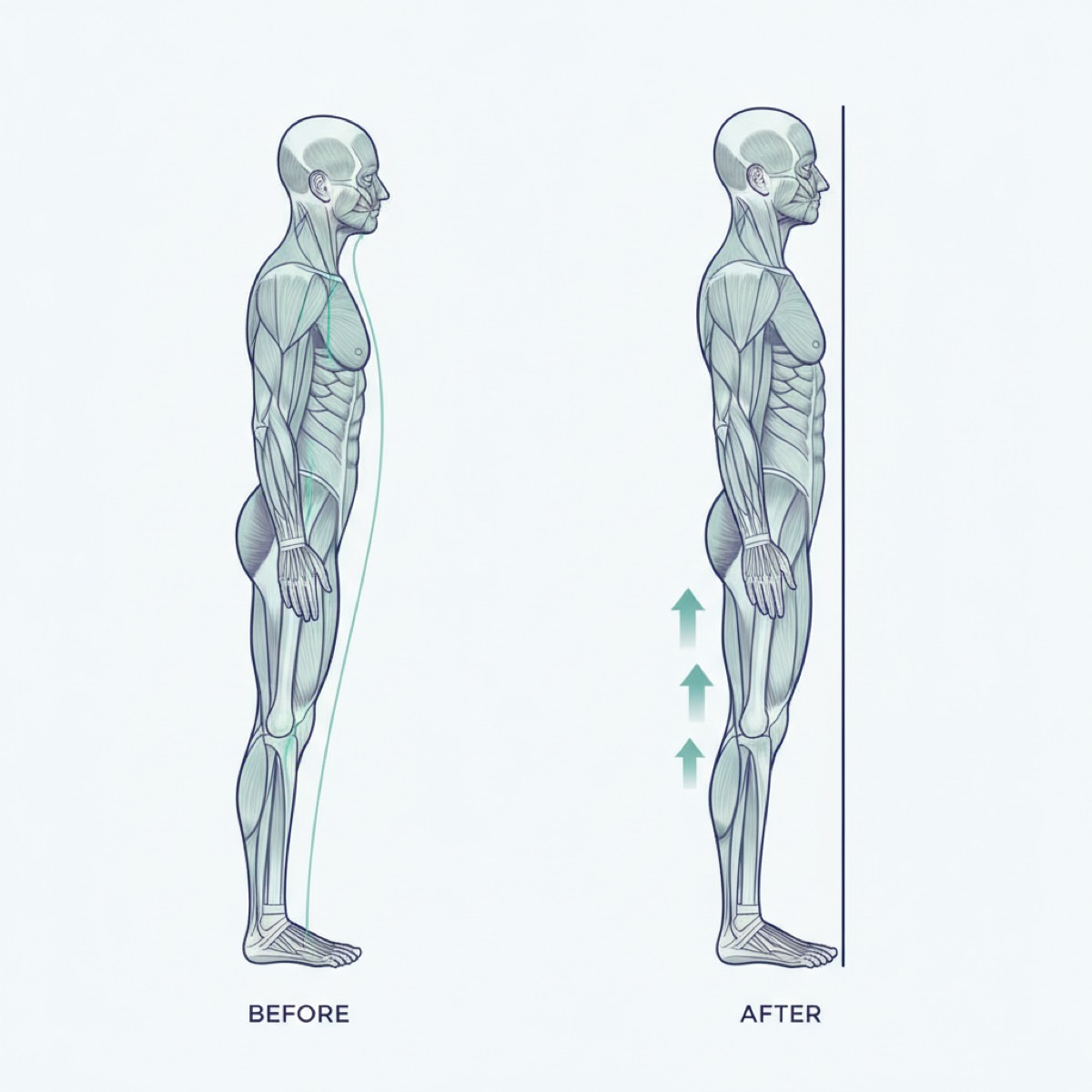
The impact of a well-executed pelvic fascia release extends far beyond the low back. Patients frequently report a cascade of positive changes, including significantly reduced low back pain, a dramatic increase in lumbar extension range of motion, and a surprising decrease in shoulder and neck tension. Some even notice subtle improvements in facial symmetry or a brighter visual perception, highlighting the systemic reach of the fascial network [2].
This holistic transformation occurs because the fascial system connects everything. Releasing a key restriction in the pelvis allows the entire system to decompress and reorganize, leading to improved posture, reduced compensatory strain, and a general sense of lightness and freedom throughout the body [3,4]. The treatment continues until the body signals a complete 'reset' or a return to its optimal, balanced state [5].
Frequently asked questions
Is fascia release safe for low back pain? — Fascia release, when performed by a trained clinician, is generally considered safe and aims to work with the body's natural healing mechanisms. Techniques are applied with careful attention to individual body responses to ensure comfort and effectiveness, avoiding aggressive or forceful maneuvers [6].
How quickly can I expect results from pelvic fascia therapy? — While individual responses vary, many patients experience immediate changes in pain levels and mobility, sometimes within minutes of a targeted session. The goal is often to initiate a lasting shift in body mechanics rather than just providing temporary symptom relief.
Can pelvic adjustments affect other parts of my body? — Yes, due to the interconnected nature of the fascial system, releasing tension and restoring optimal pelvic alignment can have far-reaching effects. These often include reduced tension in the shoulders and neck, improved balance, enhanced athletic performance, and better overall posture throughout the body.
References
- [1]Schleip R. Fascial plasticity — a new neurobiological explanation. J Bodyw Mov Ther. 2003;7(1):11–19.
- [2]Wilke J, Krause F, Vogt L, Banzer W. What Is Evidence-Based About Myofascial Chains? A Systematic Review. Arch Phys Med Rehabil. 2016;97(3):454–461.
- [3]Krause F, Wilke J, Vogt L, Banzer W. Intermuscular force transmission along myofascial chains: a systematic review. J Anat. 2016;228(6):910–918.
- [4]Stecco C, Stern R, Porzionato A, et al. Hyaluronan within fascia in the etiology of myofascial pain. Surg Radiol Anat. 2011;33(10):891–896.
- [5]Ajimsha MS, Al-Mudahka NR, Al-Madzhar JA. Effectiveness of myofascial release: a systematic review of randomized controlled trials. J Bodyw Mov Ther. 2015;19(1):102–112.
- [6]Tozzi P, Bongiorno D, Vitturini C. Fascial release effects on patients with non-specific cervical or lumbar pain. J Bodyw Mov Ther. 2011;15(4):405–416.
Related videos

Palpation X-Ray #84 | Is the Sacrum Really a Flat Plate? It's a Wedge, Wide at the Top and Narrowing Downward — Trace Down from the Lumbar Spine and Confirm at Gluteus Maximus
0:56
Dramatic Improvement in One Session: Manual Approach to the Pelvic Girdle, with Palpation of Anatomical Landmarks and Movement Assessment Before and After (Hands-On Demo)
5:48