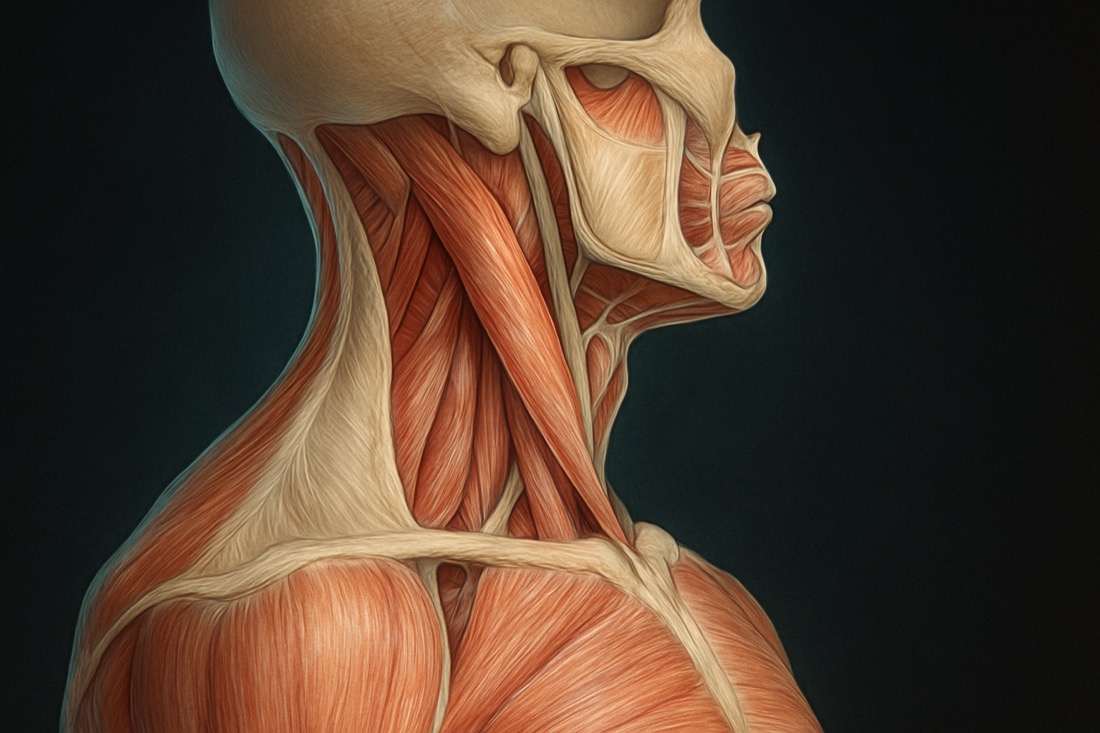
Adjusting the Spine Instantly
Original title (JP): 脊骨を一撃で調整する動画

Supervised by
Shogo Fujii
Physiotherapist (PT) · Founder of the SHOGO FUJII® FASCIA METHOD
View profile →Clinical Article · 6 min read
Many individuals seek effective strategies for optimizing spinal mobility for low back pain, often finding temporary relief from isolated treatments. However, a holistic approach, rooted in the principles of fascia therapy, suggests that true and lasting improvement begins with addressing the body's core structure. This article explores a unique method for spinal adjustment that prioritizes foundational stability and global fascial connections, offering a refreshing perspective for clinicians and informed patients alike.
Why is Optimizing Spinal Mobility Crucial for Low Back Pain Relief?
The spine is often referred to as the body's central pillar, a critical structure supporting movement, posture, and neurological function [1]. Just as a building relies on a strong foundation and a straight main column, the human body's extremities and overall performance depend heavily on a stable and mobile spine. When this central pillar is compromised, whether by stiffness or misalignment, it can manifest as persistent low back pain and a cascade of related issues.
Traditional approaches sometimes focus solely on the site of pain, but this can be akin to patching cracks in a wall without addressing a shifting foundation. A more effective strategy, particularly within fascia therapy, involves first 'resetting the ground'—establishing a stable base—before meticulously adjusting the central structure. This ensures that any subsequent interventions are built upon a solid, integrated framework, leading to more profound and sustained relief [2].
The Foundation First: Why Pelvic Alignment Precedes Spinal Adjustment
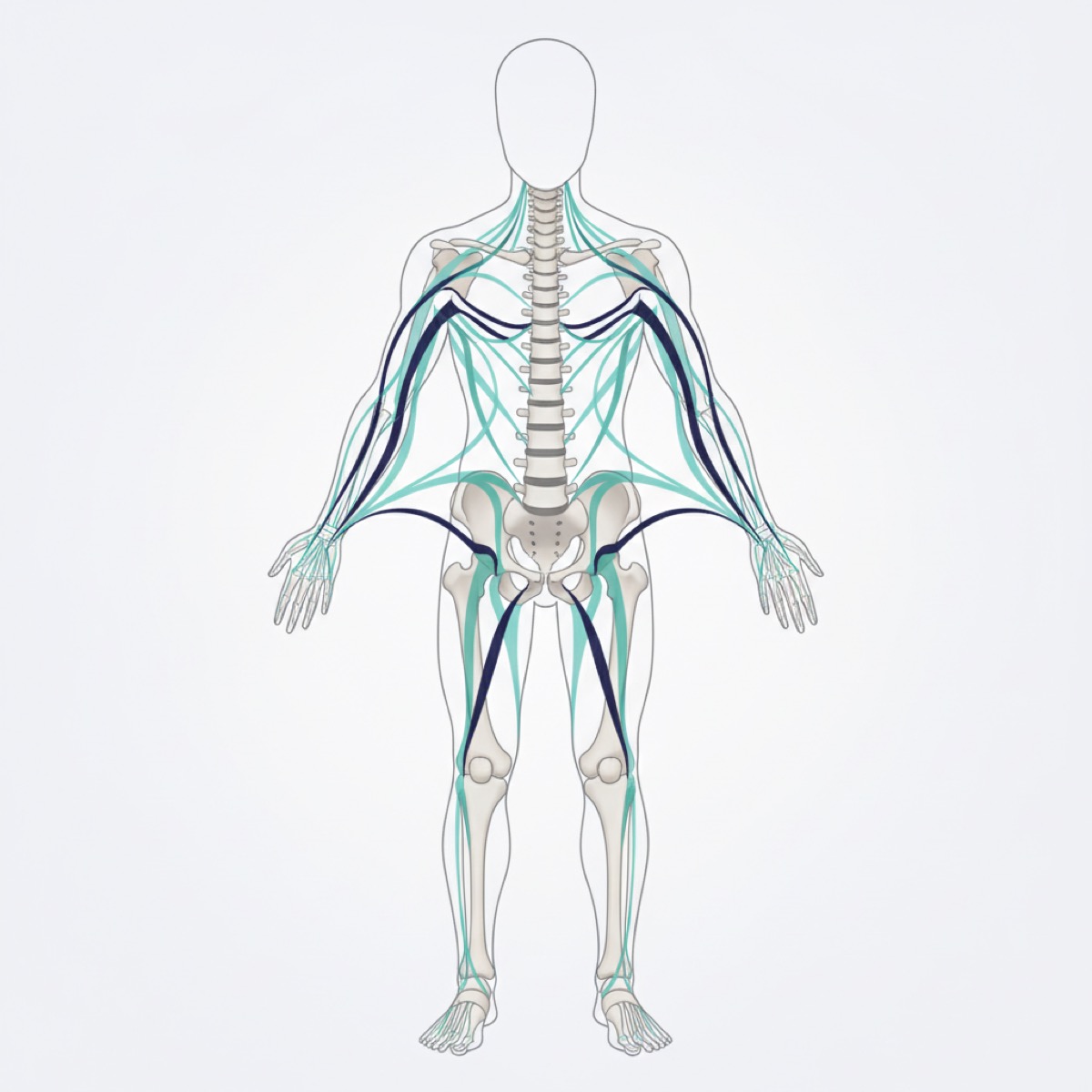
Before directly engaging the spine, a foundational step in this fascia-informed method involves adjusting the pelvis. The pelvis acts as the true 'ground' or base for the spine, and its proper alignment is paramount for overall body mechanics. Clinicians often observe that once the pelvis is correctly aligned, patients frequently report a sensation of lightness throughout their entire body, indicating a significant reduction in global tension and improved core stability [3].
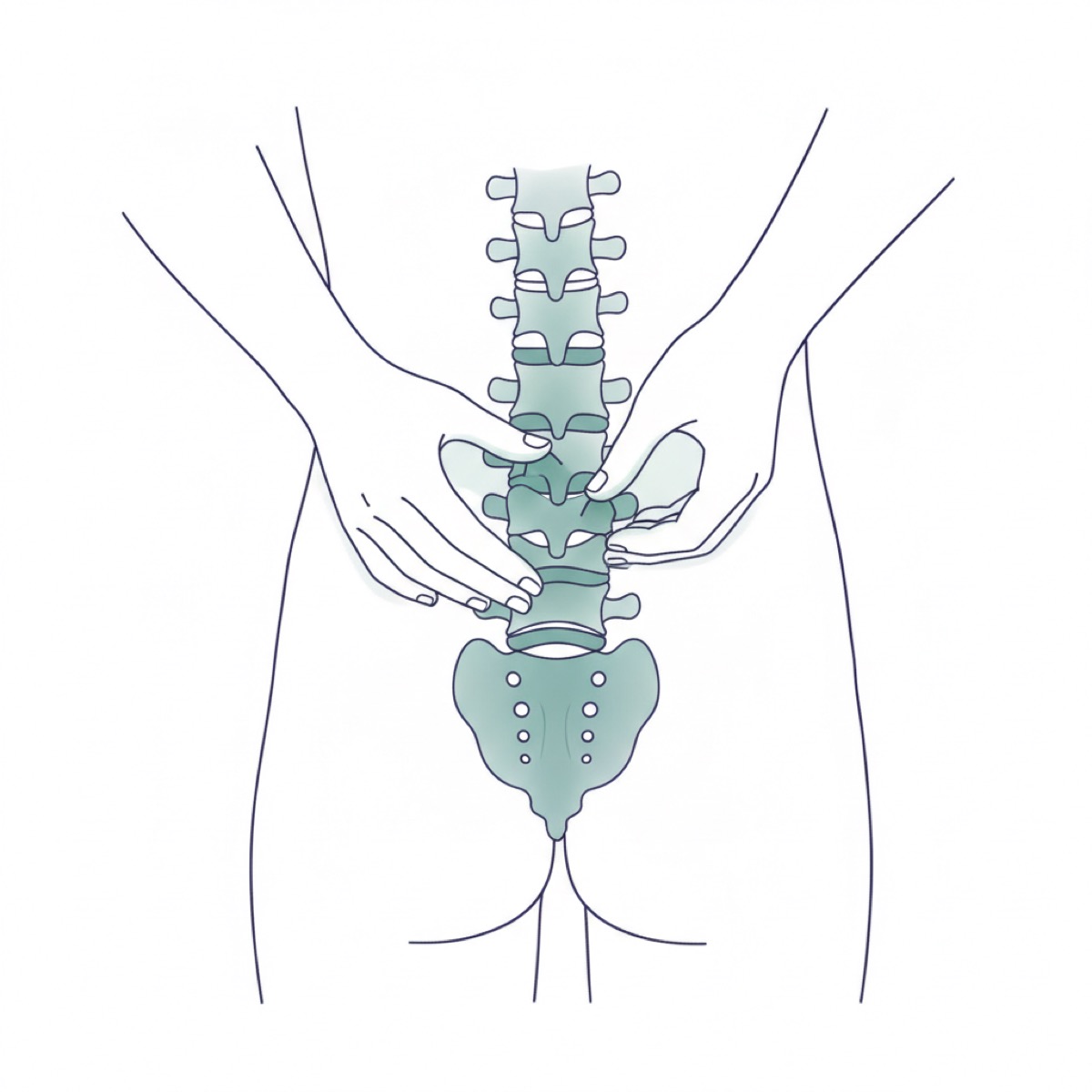
This initial pelvic adjustment is crucial because it creates a neutral, 'blank slate' upon which the spine can then be effectively realigned. Attempting to adjust the spine without first stabilizing its base can lead to compensatory patterns or a quick return of symptoms. By addressing the pelvis first, practitioners can achieve remarkable results with fewer interventions and in less time, as the body's inherent self-correcting mechanisms are better supported.
Targeting Core Restrictions: The Fujii Method for Spinal Adjustment
Once the pelvic foundation is established, the focus shifts to the spine itself, specifically targeting the spinous processes—the bony projections you can feel along your back. The technique involves gently mobilizing these processes to release restrictions throughout the entire spinal column. This isn't just about moving bones; it's about influencing the intricate fascial network that envelops and connects the spine to surrounding musculature [4].
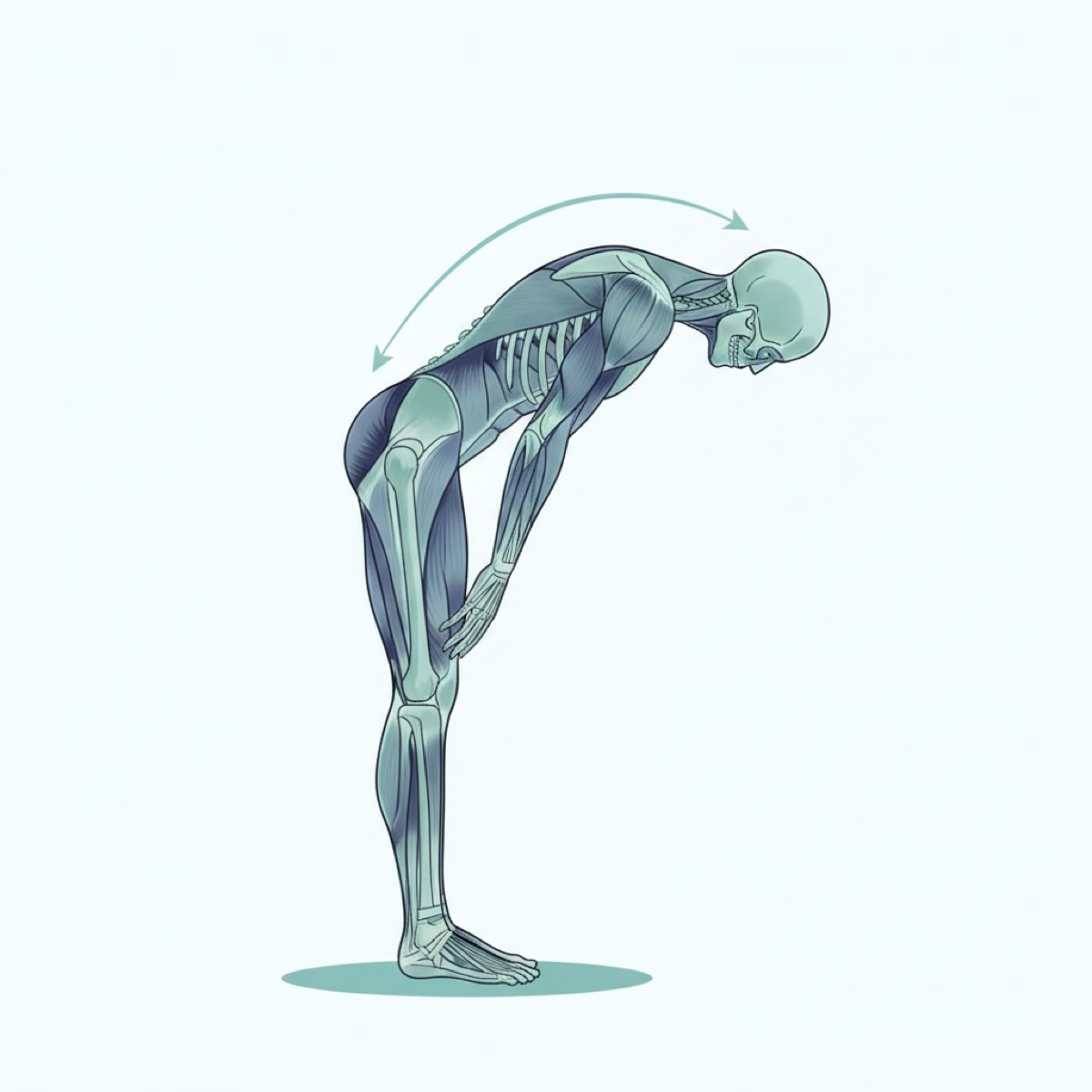
Key muscles often implicated in creating spinal distortion and stiffness include the iliopsoas, latissimus dorsi, and even the triceps brachii, which can contribute to global fascial tension and indirectly affect spinal alignment [3]. By addressing these muscular and fascial restrictions in conjunction with direct spinal mobilization, the method aims to restore the spine's natural elasticity and range of motion. This comprehensive approach ensures that the entire 'back line' of the body can relax and function optimally.
Real-World Results: Quantifying Improvements in Spinal Function
The efficacy of this integrated pelvic and spinal adjustment approach has been observed in clinical settings. A study involving over 350 patients indicated an average reduction of 3 to 4 points on the Numerical Rating Scale (NRS) for pain immediately following these combined interventions [5]. This significant improvement suggests that addressing the core structures fundamentally alters the patient's pain experience and functional capacity.
Case examples frequently highlight dramatic improvements. One patient experiencing chronic neck pain, which seemed distant from the low back, reported substantial relief and increased range of motion in their neck after receiving pelvic and spinal adjustments. This illustrates the interconnectedness of the fascial system and how central adjustments can have far-reaching positive effects throughout the body, restoring natural movement patterns where they were previously restricted [6].
Frequently asked questions
Is fascia release safe? — Fascia release, when performed by a trained and qualified practitioner, is generally considered safe. Techniques are typically gentle and non-invasive, focusing on releasing tension in the connective tissues. However, it's always recommended to consult with a healthcare professional to determine if it's appropriate for your specific condition.
How long do results from spinal mobility work last? — The duration of results can vary depending on individual factors such as the chronicity of the condition, lifestyle, and adherence to any recommended exercises or postural adjustments. Many patients experience immediate relief, and with consistent self-care and occasional follow-up sessions, the benefits of improved spinal mobility for low back pain can be sustained over time.
Can this approach help with chronic back pain? — Yes, this fascia-informed approach to spinal and pelvic adjustment is often highly beneficial for chronic back pain. By addressing the underlying structural and fascial restrictions rather than just the symptoms, it aims to reset the body's foundational mechanics, which can lead to significant and lasting improvements for long-standing pain conditions.
References
- [1]Woolf CJ. Central sensitization: implications for the diagnosis and treatment of pain. Pain. 2011;152(3 Suppl):S2–S15.
- [2]Tracey KJ. The inflammatory reflex. Nature. 2002;420(6917):853–859.
- [3]Mayer EA. Gut feelings: the emerging biology of gut–brain communication. Nat Rev Neurosci. 2011;12(8):453–466.
- [4]Cryan JF, Dinan TG. Mind-altering microorganisms: the impact of the gut microbiota on brain and behaviour. Nat Rev Neurosci. 2012;13(10):701–712.
- [5]Guo R, Chen LH, Xing C, Liu T. Pain regulation by gut microbiota: molecular mechanisms and therapeutic potential. Br J Anaesth. 2019;123(5):637–654.
- [6]Ricciotti E, FitzGerald GA. Prostaglandins and inflammation. Arterioscler Thromb Vasc Biol. 2011;31(5):986–1000.
Related videos
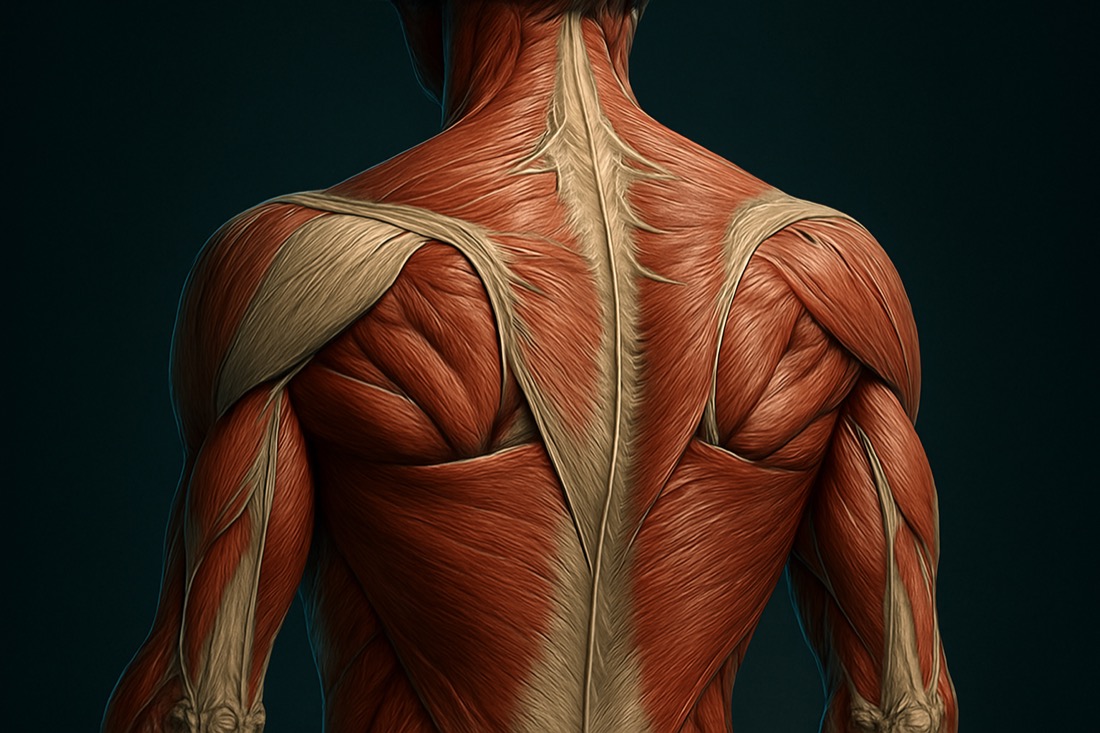
Palpation X-Ray #84 | Is the Sacrum Really a Flat Plate? It's a Wedge, Wide at the Top and Narrowing Downward — Trace Down from the Lumbar Spine and Confirm at Gluteus Maximus
0:56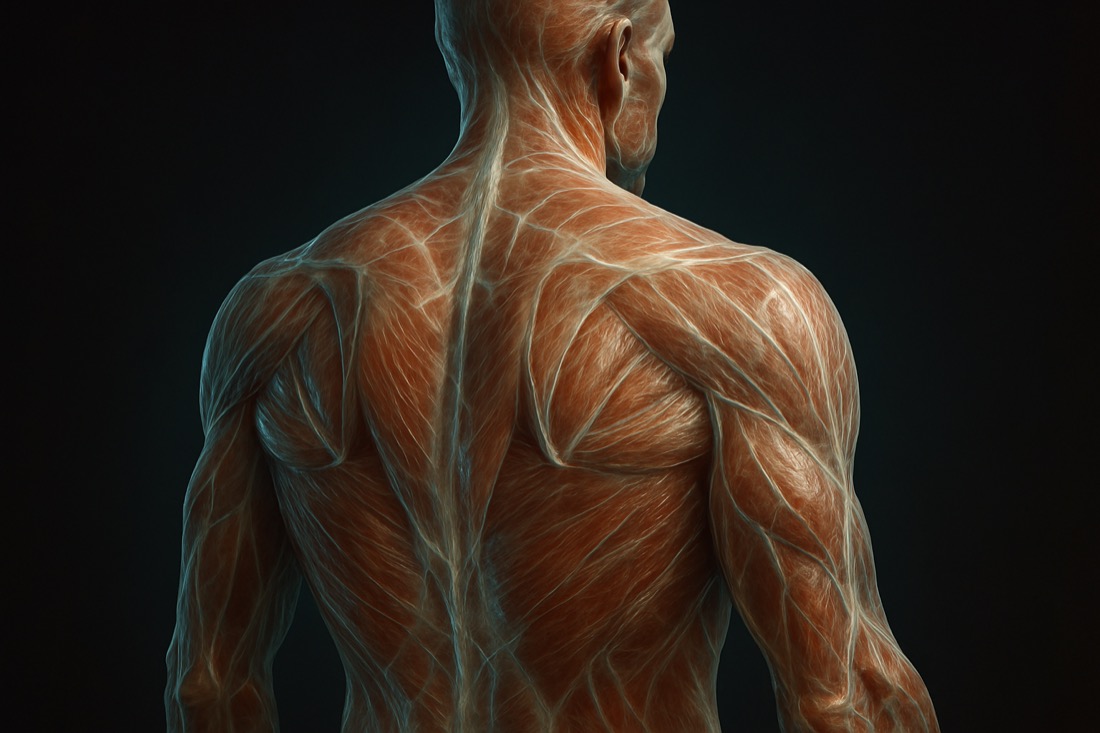
Dramatic Improvement in One Session: Manual Approach to the Pelvic Girdle, with Palpation of Anatomical Landmarks and Movement Assessment Before and After (Hands-On Demo)
5:48