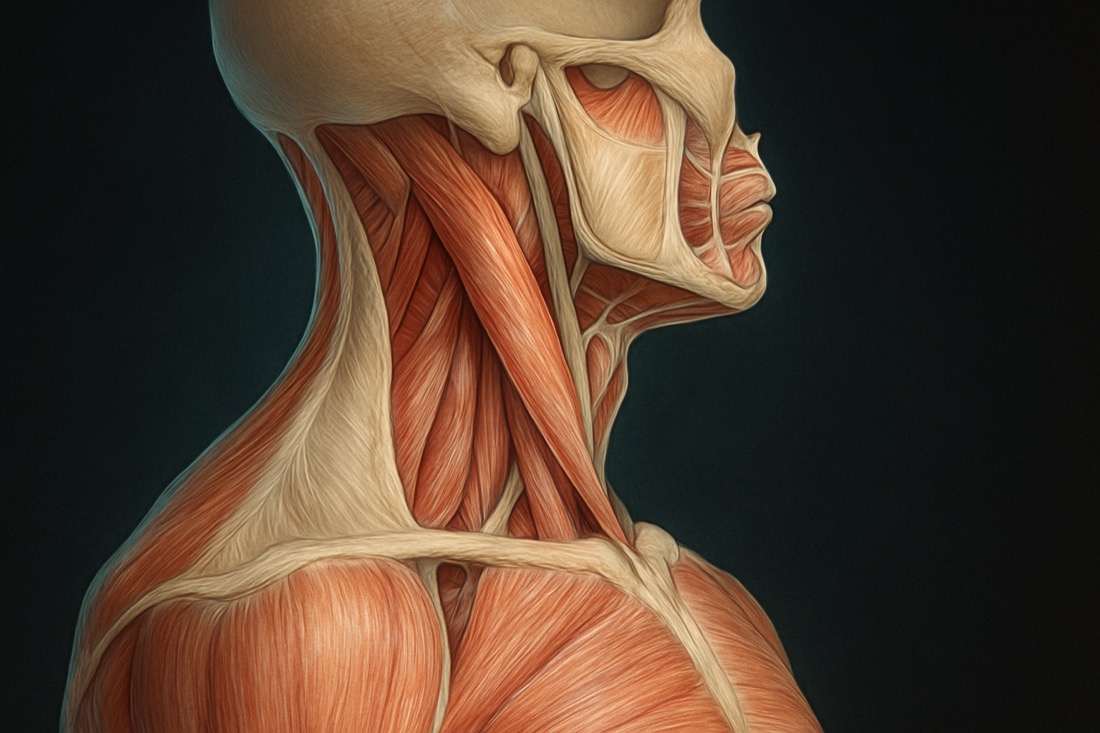
The Shocking Moment: Why the Shoulder Pain Vanished Instantly
Original title (JP): 衝撃の瞬間!肩の痛みが一瞬で消えた理由

Supervised by
Shogo Fujii
Physiotherapist (PT) · Founder of the SHOGO FUJII® FASCIA METHOD
View profile →Clinical Article · 6 min read
Experiencing persistent shoulder pain can significantly impact daily life, limiting movement and causing discomfort. While many approaches exist, **fascia release for shoulder pain** offers a targeted method to address underlying myofascial restrictions that often contribute to these issues. This article, drawing insights from expert physiotherapists, delves into how specific fascial interventions, particularly in the forearm, can dramatically improve shoulder function and provide lasting relief, helping both clinicians and informed patients understand this powerful therapeutic approach.
Why Does My Shoulder Hurt? Understanding Fascial Connections
Shoulder pain is a complex issue, often stemming from more than just localized muscle or joint problems. Initial assessments commonly reveal limitations in shoulder elevation, abduction, and rotation, alongside altered scapular positioning, such as upward rotation and abduction. Traditional tests, like those for the supraspinatus (e.g., empty can test with thumb up or down), can pinpoint specific muscle weaknesses or damage [1].
However, the body's intricate fascial network means that pain in one area, like the shoulder, can originate from restrictions in seemingly distant regions. Fascia, a continuous web of connective tissue, links muscles, bones, and organs throughout the body, making a holistic approach crucial for effective treatment. Understanding these interconnected pathways is key to unlocking relief from chronic shoulder discomfort.
The Forearm's Hidden Role in Shoulder Discomfort: The Brachioradialis Connection
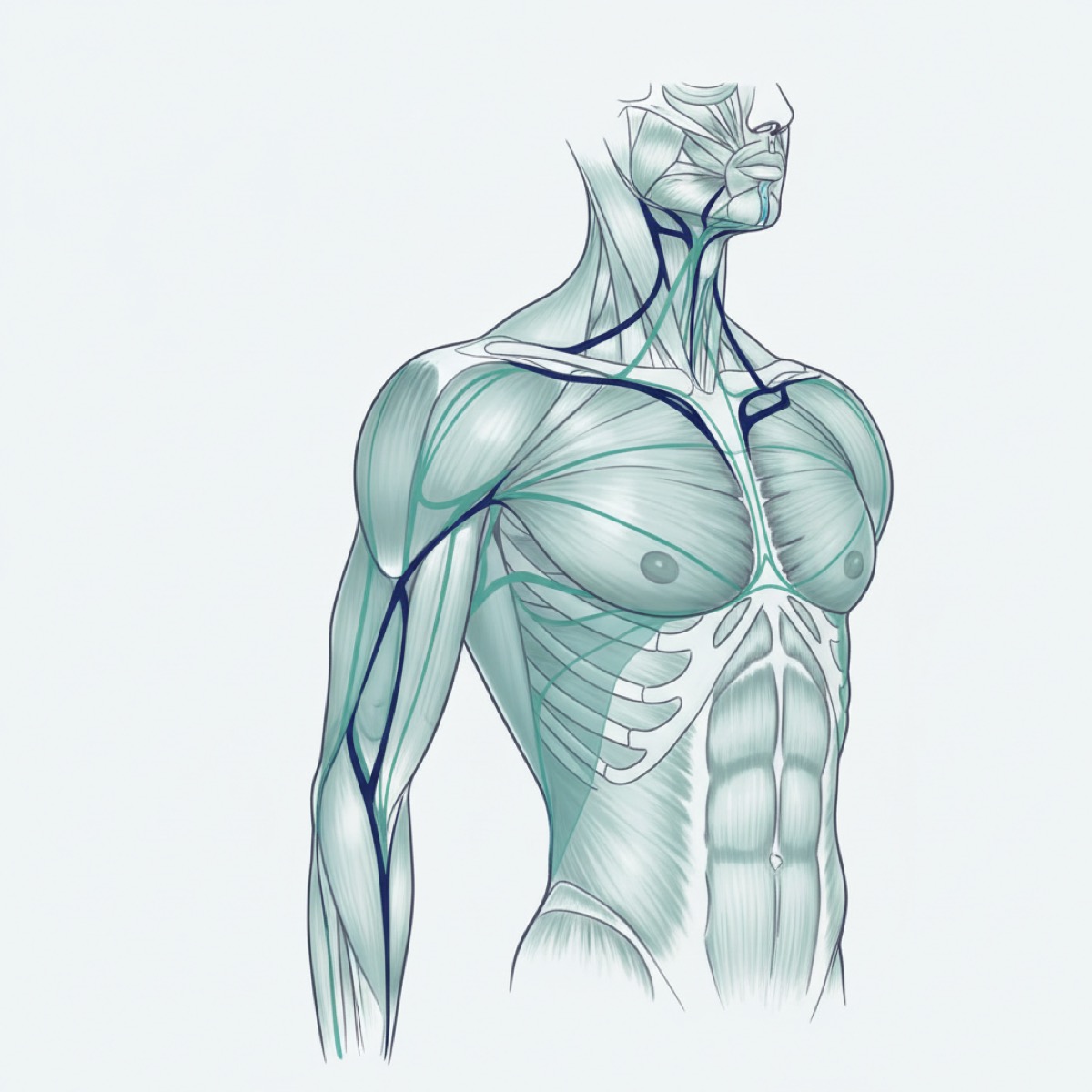
Surprisingly, the forearm, particularly the brachioradialis muscle, plays a significant and often overlooked role in shoulder pain and dysfunction. Clinical observations frequently reveal abnormal positioning of the radial head and reduced space within the elbow joint in individuals experiencing shoulder discomfort. This subtle misalignment can create tension that propagates up the arm and into the shoulder girdle [2].
The brachioradialis (腕頭骨筋) is a key muscle in this fascial chain. Its deep connections extend beyond the forearm, influencing the tension in the shoulder and even impacting the cervical spine and facial muscles. Addressing restrictions in this specific forearm muscle can therefore have a profound effect on shoulder mobility and pain, highlighting the importance of a comprehensive assessment that goes beyond the immediate site of pain.
Targeted Brachioradialis Release for Improved Shoulder Mobility
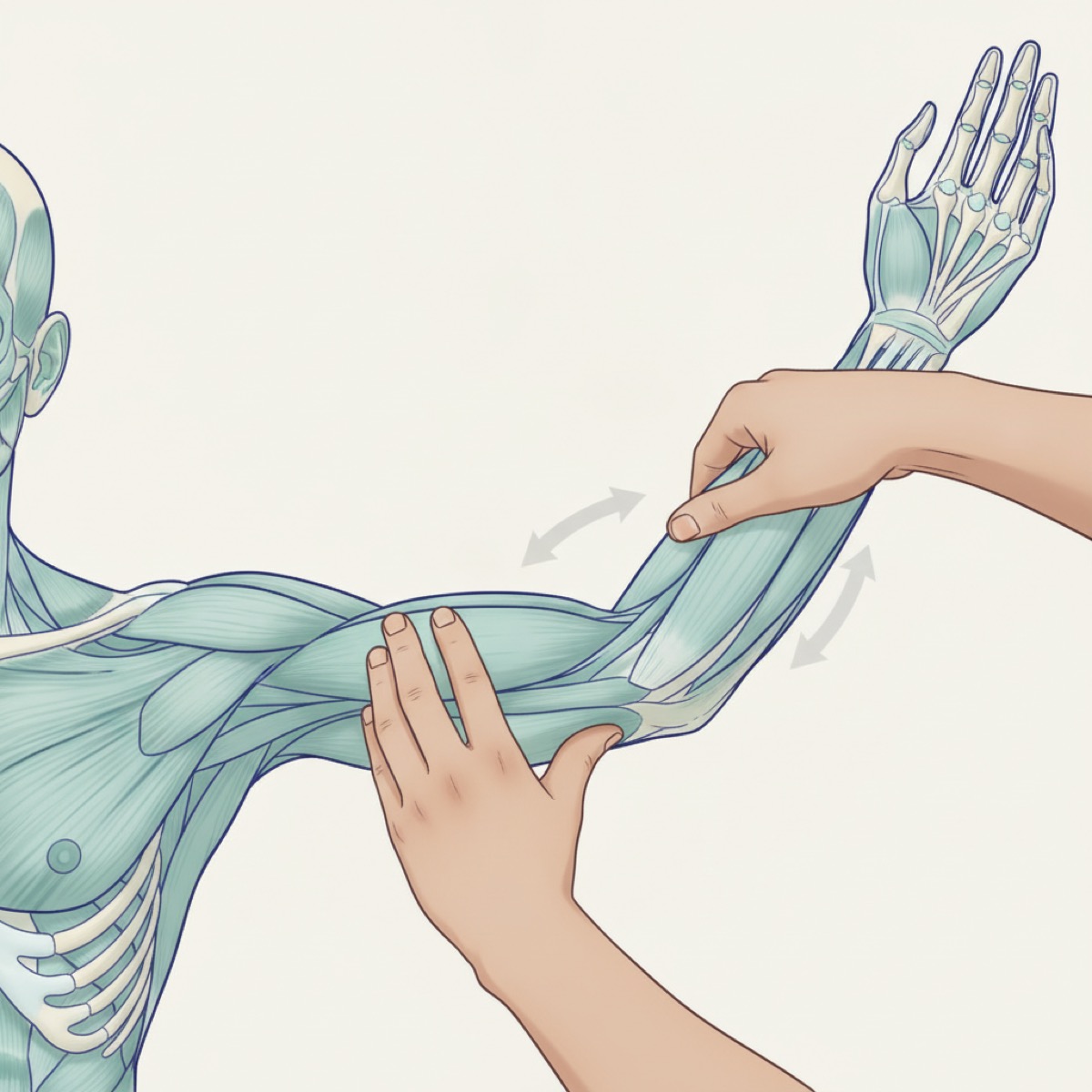
Effective **fascia release for shoulder pain** often involves precise techniques, and the brachioradialis release is a prime example. To perform this, locate the radial head at the elbow. The target area for the brachioradialis is approximately one thumb-width medial to this bony landmark. Once identified, apply firm, sustained pressure to this area. The goal is to 'crush' or compress the muscle fibers, rather than just stroking the surface, to effectively engage the fascial tissue [3].
While maintaining this pressure, gently guide the patient's arm through shoulder flexion (raising the arm overhead). Monitor for a palpable release of tension under your fingers, an increase in the shoulder's range of motion, and a reduction in the patient's reported pain. The precision of hand placement and the correct application of pressure are critical for achieving therapeutic change, as even slight deviations can diminish the effectiveness of the technique.
Advanced Myofascial Techniques and the Power of Assessment as Treatment
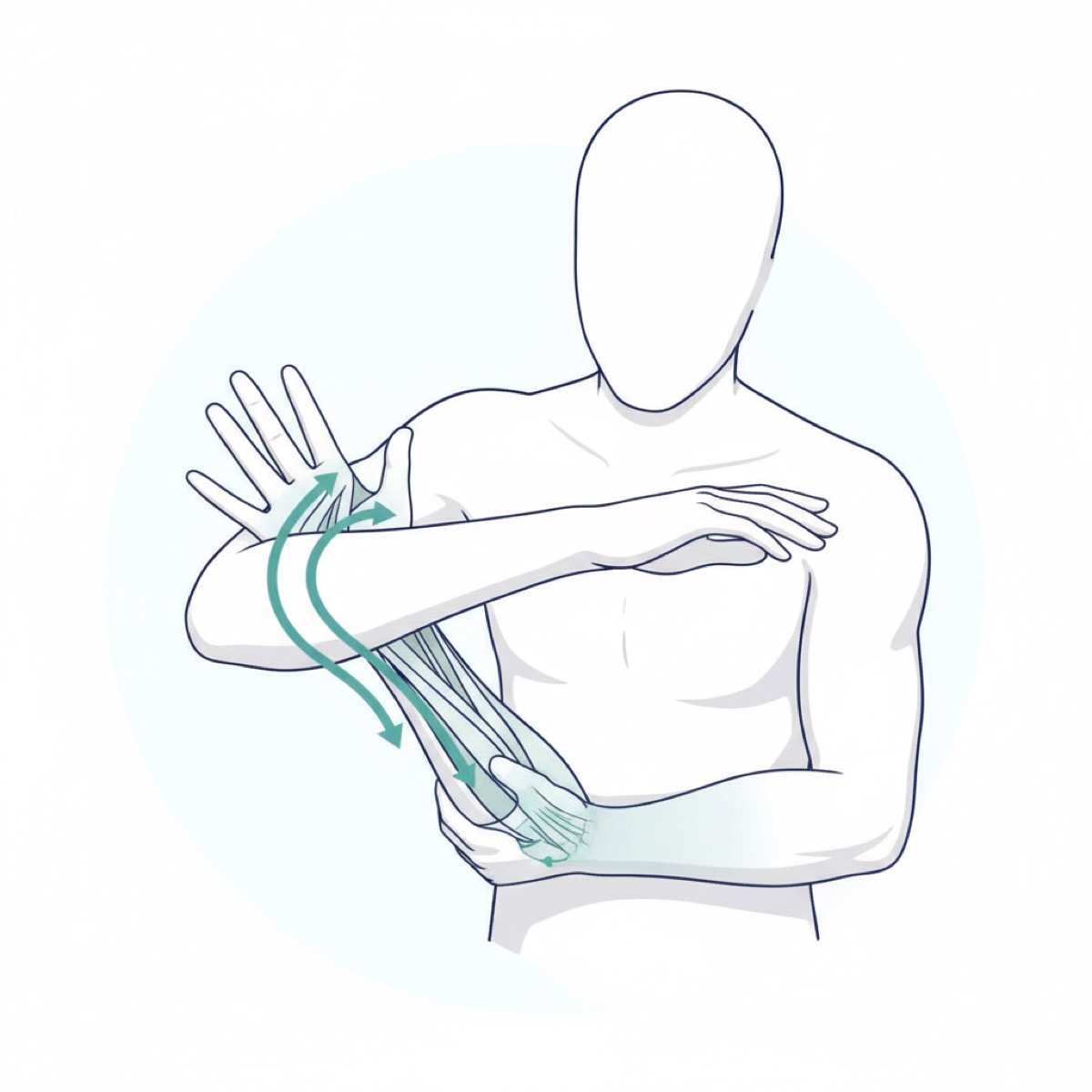
Beyond the brachioradialis, further release can be achieved by addressing the thenar eminence muscles (thumb adductor and opponens pollicis). A strong, three-finger pinch can be applied to these muscles, often eliciting significant tenderness, yet facilitating a deeper fascial release [4]. Incorporating subtle movements like forearm pronation and supination, gentle traction, and even vibration during sustained pressure can enhance the release process, targeting different layers of fascial restriction.
A core principle in this approach is that the assessment itself can be a powerful therapeutic intervention. When palpation is performed correctly and precisely, it can initiate fascial release, leading to immediate changes in tension and range of motion. This means that effective treatment begins the moment the clinician accurately identifies and engages the restricted tissues. Patients are also encouraged to support their recovery with self-care, such as regular warm baths or saunas, which can enhance tissue pliability and prolong the benefits of manual therapy [5].
Frequently asked questions
Is fascia release safe for shoulder pain? — Fascia release, when performed by a trained and qualified therapist, is generally considered safe for individuals experiencing shoulder pain. However, it's crucial to communicate any discomfort or pre-existing conditions during treatment to ensure a tailored and safe approach [6].
How quickly can I expect results from fascia release? — Many individuals experience immediate changes in pain levels and range of motion during or directly after a fascia release session. While these initial improvements can be dramatic, sustained relief often requires a series of treatments and adherence to any recommended home exercises or self-care practices.
Can I perform fascia release on myself? — While some self-myofascial release techniques can be beneficial for maintenance and general well-being, specific and targeted fascia release for complex conditions like chronic shoulder pain is best performed by a professional. A skilled therapist can accurately identify restrictions and apply precise techniques that are difficult to replicate effectively on oneself.
References
- [1]Krause F, Wilke J, Vogt L, Banzer W. Intermuscular force transmission along myofascial chains: a systematic review. J Anat. 2016;228(6):910–918.
- [2]Stecco C, Stern R, Porzionato A, et al. Hyaluronan within fascia in the etiology of myofascial pain. Surg Radiol Anat. 2011;33(10):891–896.
- [3]Ajimsha MS, Al-Mudahka NR, Al-Madzhar JA. Effectiveness of myofascial release: a systematic review of randomized controlled trials. J Bodyw Mov Ther. 2015;19(1):102–112.
- [4]Tozzi P, Bongiorno D, Vitturini C. Fascial release effects on patients with non-specific cervical or lumbar pain. J Bodyw Mov Ther. 2011;15(4):405–416.
- [5]Zügel M, Maganaris CN, Wilke J, et al. Fascial tissue research in sports medicine: from molecules to tissue adaptation, injury and diagnostics: consensus statement. Br J Sports Med. 2018;52(23):1497.
- [6]Klingler W, Velders M, Hoppe K, Pedro M, Schleip R. Clinical relevance of fascial tissue and dysfunctions. Curr Pain Headache Rep. 2014;18(8):439.
Related videos
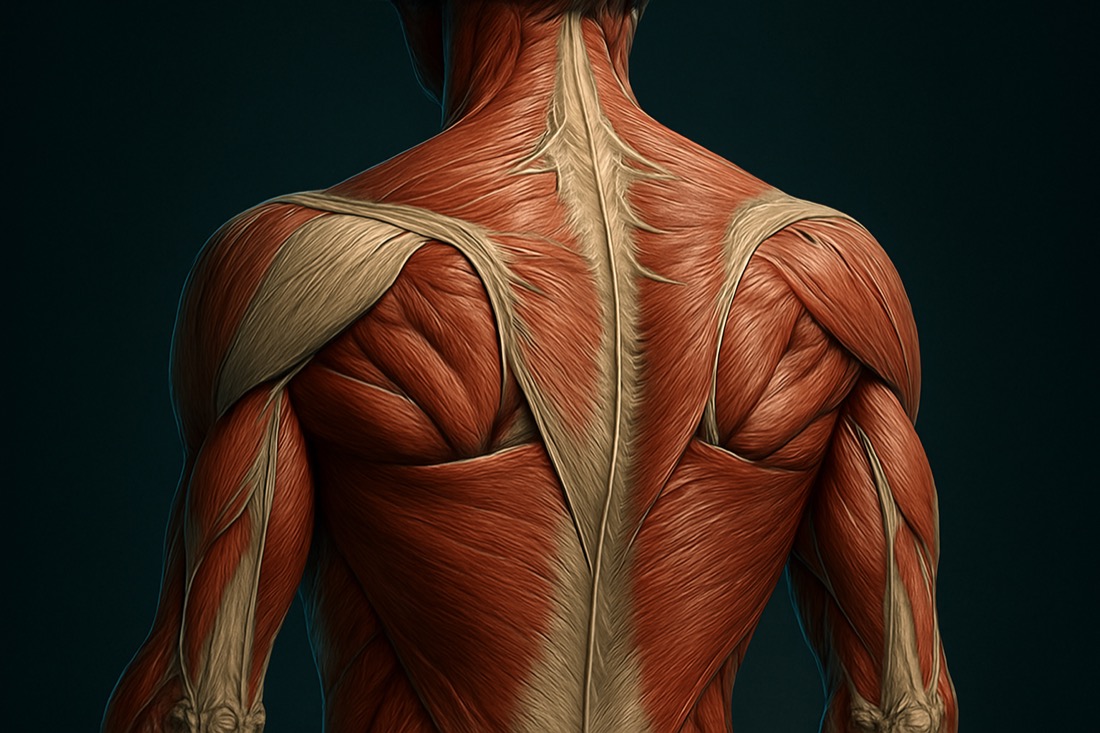
Palpation X-Ray #84 | Is the Sacrum Really a Flat Plate? It's a Wedge, Wide at the Top and Narrowing Downward — Trace Down from the Lumbar Spine and Confirm at Gluteus Maximus
0:56
Dramatic Improvement in One Session: Manual Approach to the Pelvic Girdle, with Palpation of Anatomical Landmarks and Movement Assessment Before and After (Hands-On Demo)
5:48