Instant Relief for Severe Knee Pain
Original title (JP): 重症の膝痛をその場で治す動画

Supervised by
Shogo Fujii
Physiotherapist (PT) · Founder of the SHOGO FUJII® FASCIA METHOD
View profile →Clinical Article · 5 min read
Fascia release for low back pain is gaining attention for its potential to alleviate knee pain and improve mobility. This innovative therapy focuses on the connective tissues surrounding muscles, offering relief where traditional methods may fall short. In this article, we explore the connection between low back issues and knee discomfort, shedding light on how fascia therapy can be a game-changer for those suffering from chronic pain.
Why does low back pain impact knee health?
Many people are surprised to learn that low back pain can significantly affect knee health. The pelvis, a central structure in our body, influences the alignment and function of both the spine and the legs. When the pelvis is misaligned, it can lead to compensatory movements and strain on the knees, causing pain [1].
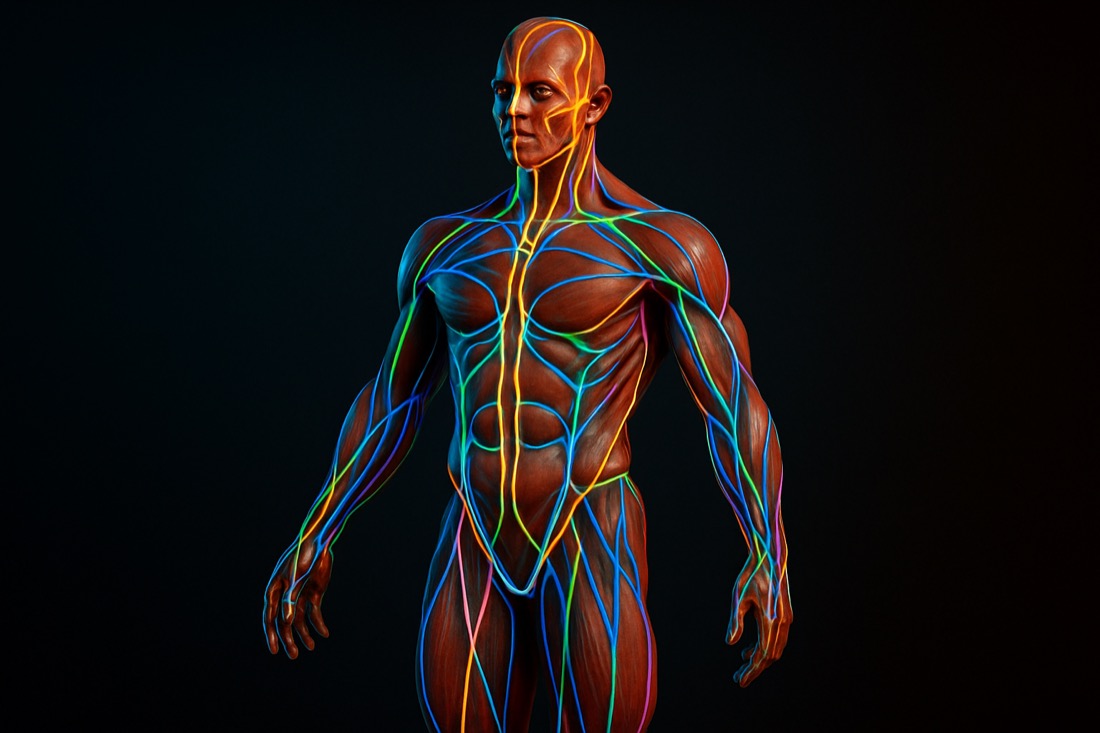
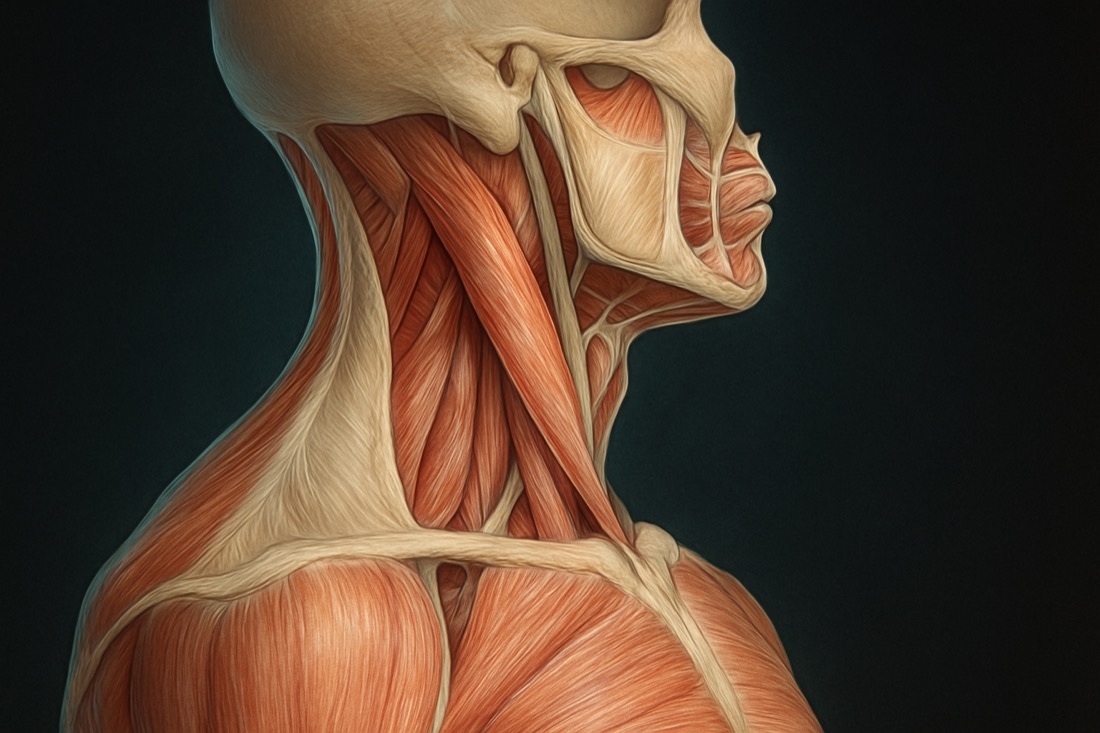
Addressing pelvic alignment through fascia release can help reduce this strain, promoting better movement patterns and alleviating knee discomfort. By focusing on the fascia, the connective tissue that encases muscles and organs, therapists can enhance the body's natural alignment and function [2].
How fascia release works
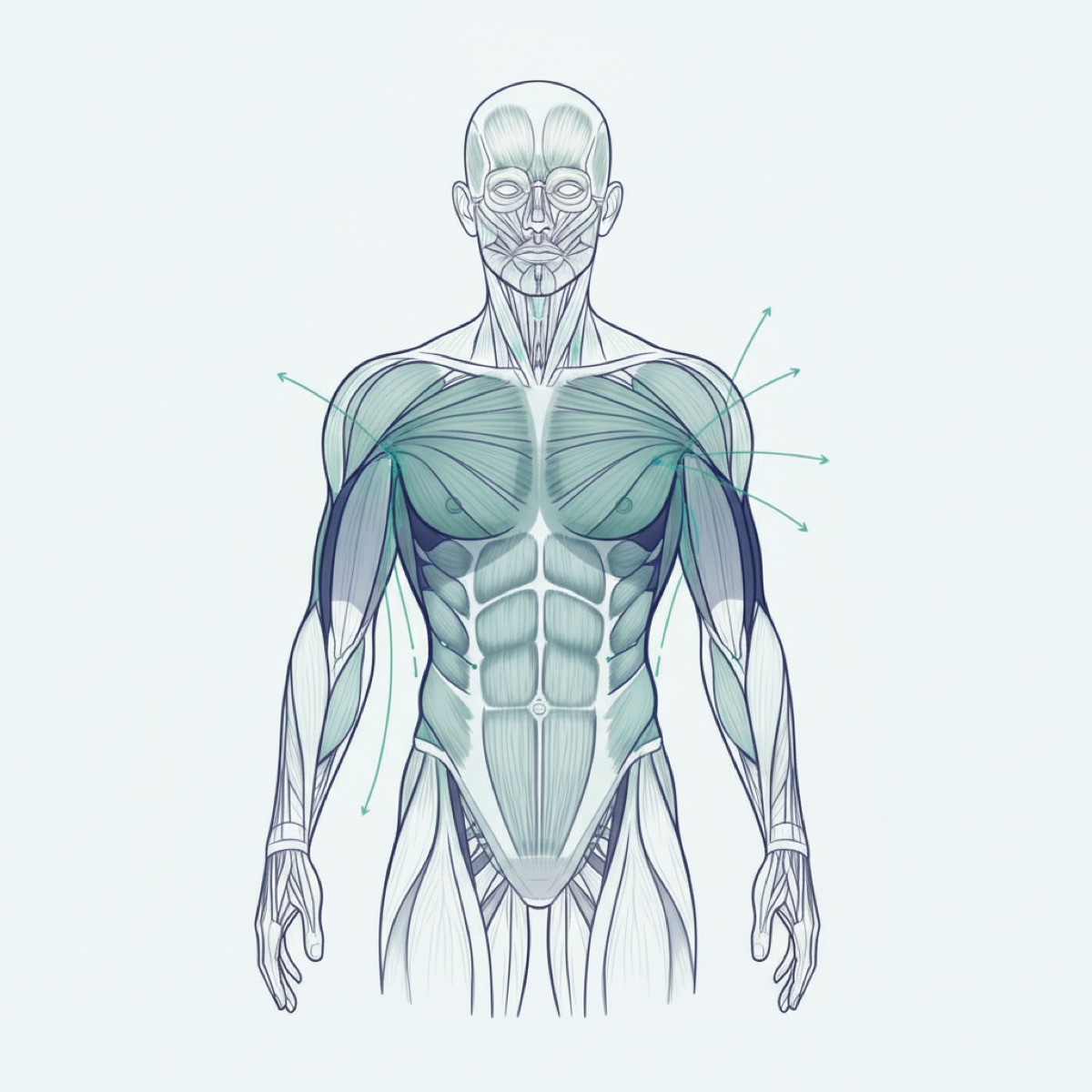
Fascia release involves gentle manipulation of the connective tissue to alleviate tension and improve mobility. This therapy is particularly effective for addressing chronic pain conditions, as it targets the root cause rather than just the symptoms [3].
The technique often involves subtle movements and pressure, allowing the fascia to relax and the body to realign naturally. Patients often report feeling immediate relief and increased flexibility following treatment, although outcomes can vary [4].
What to expect from fascia therapy
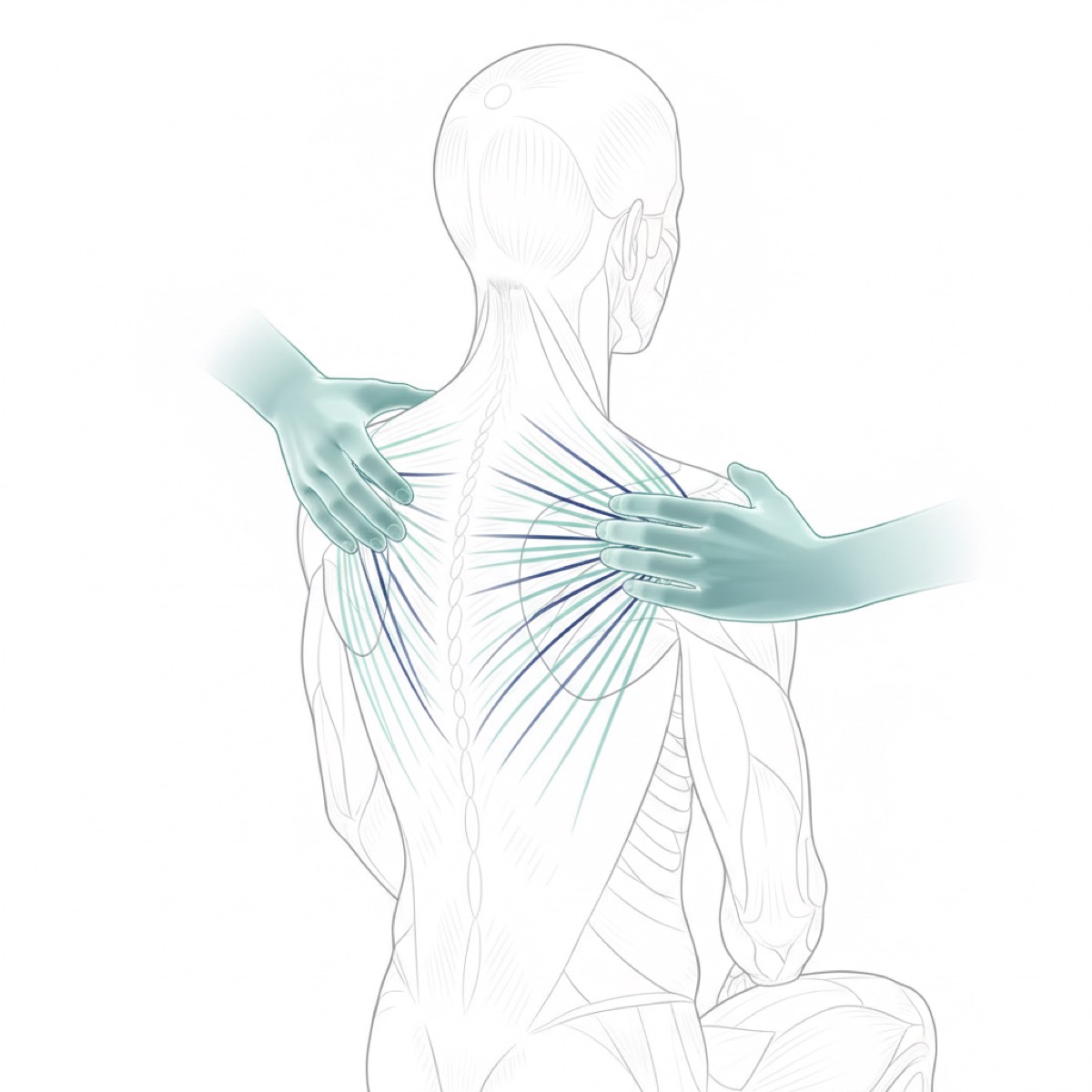
During a fascia therapy session, the practitioner will assess your body's alignment and identify areas of tension. The process is typically gentle, with minimal discomfort, as the therapist uses their hands to apply pressure and encourage fascia relaxation [5].
Patients may notice improvements in their range of motion and a reduction in pain levels. It's important to note that while many experience relief, fascia therapy is not a guaranteed cure and should be part of a comprehensive treatment plan [6].
The role of nutrition in fascia health
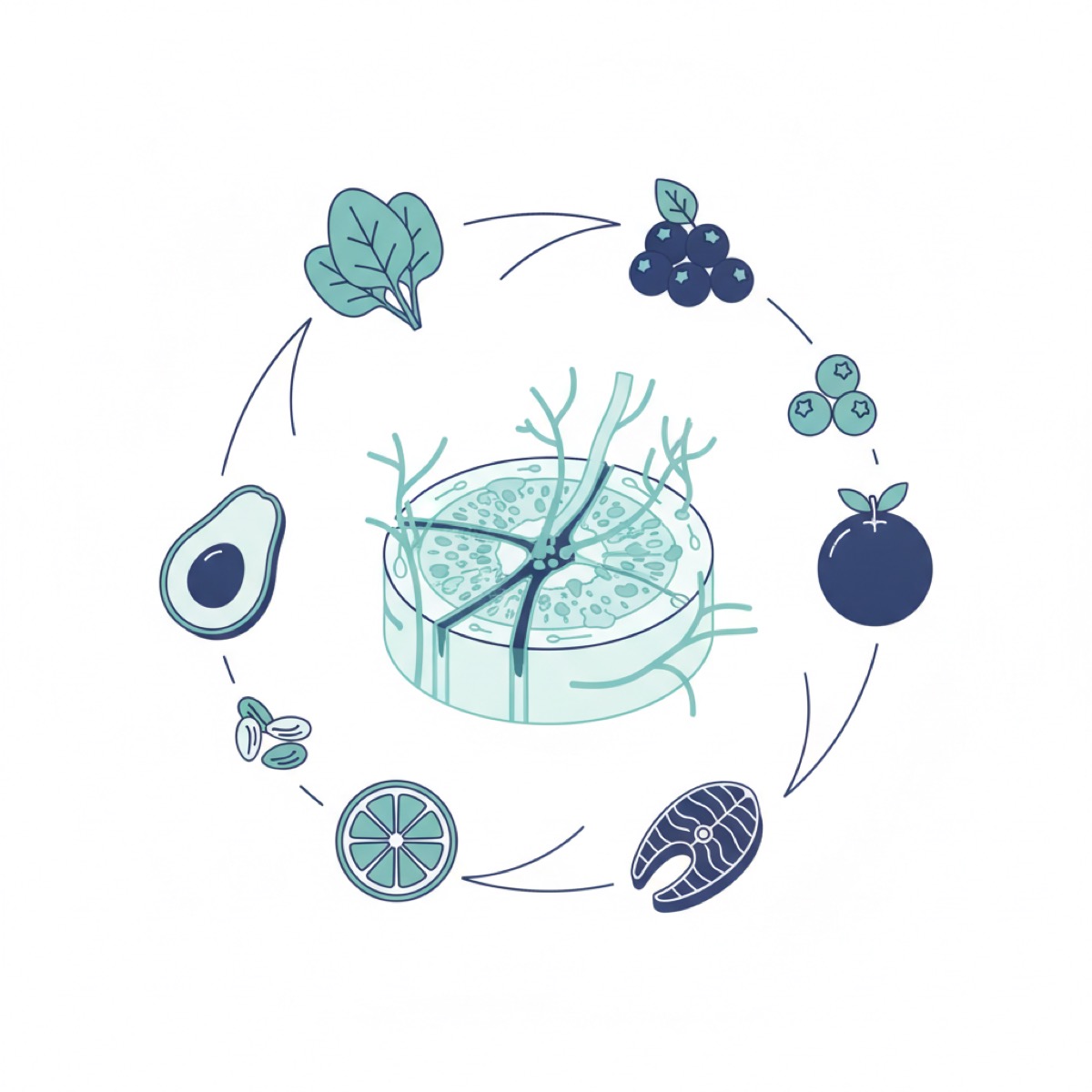
Nutrition plays a crucial role in maintaining healthy fascia. Adequate hydration and a balanced diet rich in proteins and essential nutrients support fascia elasticity and function. Dehydration can lead to fascia becoming stiff and less responsive to therapy.
Incorporating anti-inflammatory foods and reducing intake of unhealthy fats can also aid in managing chronic pain and inflammation. Patients are advised to consult with a healthcare provider for personalized dietary recommendations to complement their fascia therapy.
Frequently asked questions
Is fascia release safe? — Yes, fascia release is generally considered safe when performed by a trained professional. It's a non-invasive therapy that focuses on gentle manipulation to alleviate tension.
How often should I receive fascia therapy? — The frequency of fascia therapy sessions can vary based on individual needs and the severity of the condition. It's best to consult with your therapist to develop a personalized treatment plan.
Can fascia release help with other types of pain? — Fascia release is not limited to low back and knee pain; it can be beneficial for various musculoskeletal issues by promoting better alignment and reducing tension throughout the body.
References
- [1]Wilke J, Vogt L, Niederer D, Banzer W. Is remote stretching based on myofascial chains as effective as local exercise? A randomised-controlled trial. J Sports Sci. 2017;35(20):2021–2027.
- [2]Palomeque-del-Cerro L, Arráez-Aybar LA, Rodríguez-Blanco C, et al. A systematic review of the soft-tissue connections between neck muscles and dura mater: the myodural bridge. Spine. 2017;42(1):49–54.
- [3]Woolf CJ. Central sensitization: implications for the diagnosis and treatment of pain. Pain. 2011;152(3 Suppl):S2–S15.
- [4]Tracey KJ. The inflammatory reflex. Nature. 2002;420(6917):853–859.
- [5]Mayer EA. Gut feelings: the emerging biology of gut–brain communication. Nat Rev Neurosci. 2011;12(8):453–466.
- [6]Cryan JF, Dinan TG. Mind-altering microorganisms: the impact of the gut microbiota on brain and behaviour. Nat Rev Neurosci. 2012;13(10):701–712.