Transform Your Face with Pelvic Fascia Release!
Original title (JP): 骨盤筋膜リリースで劇的小顔になる!魔法の筋膜リリース🪄 #筋膜 #藤井翔悟

Supervised by
Shogo Fujii
Physiotherapist (PT) · Founder of the SHOGO FUJII® FASCIA METHOD
View profile →Clinical Article · 5 min read
Exploring the unexpected connection between pelvic fascia release and facial transformation can lead to improved well-being. For those suffering from low back pain, understanding the role of fascia release is crucial. This technique not only targets discomfort but also enhances facial appearance, offering a holistic approach to pain management.
How does pelvic fascia release affect the face?
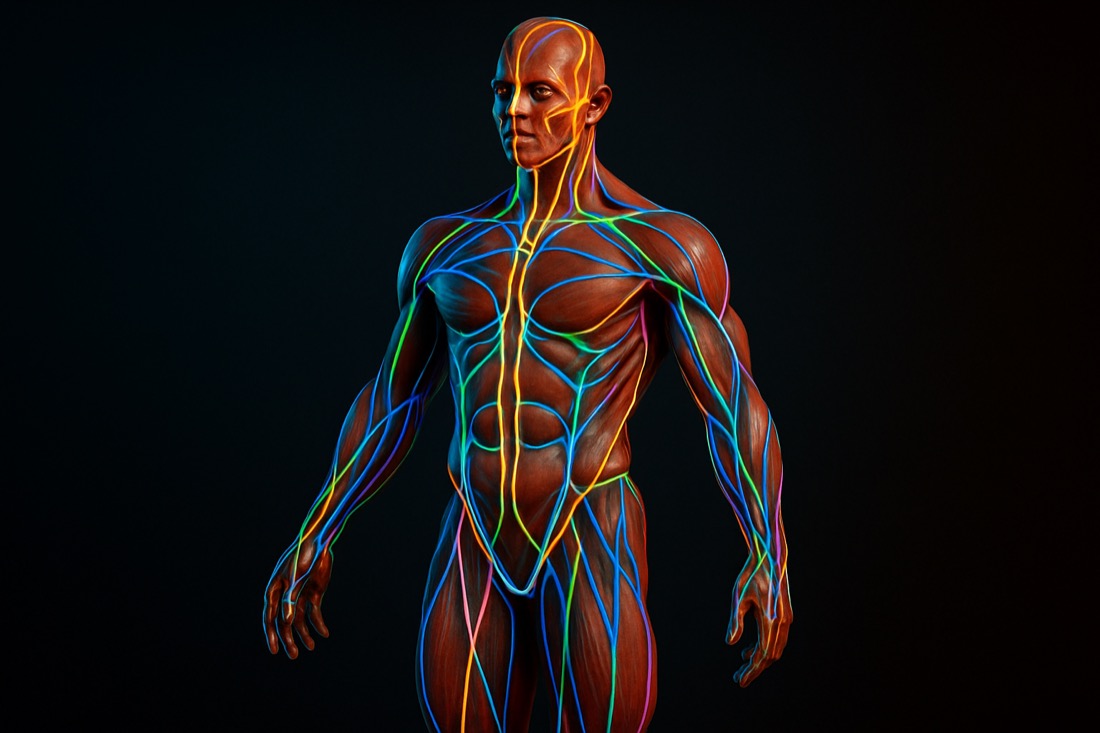
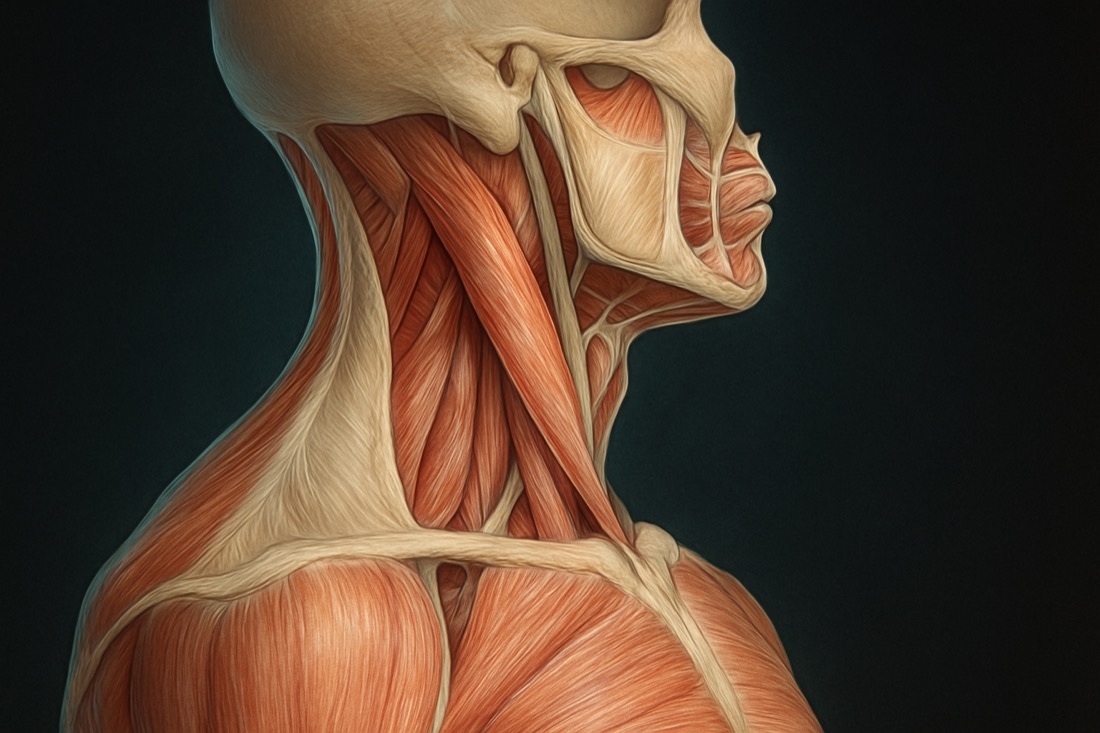
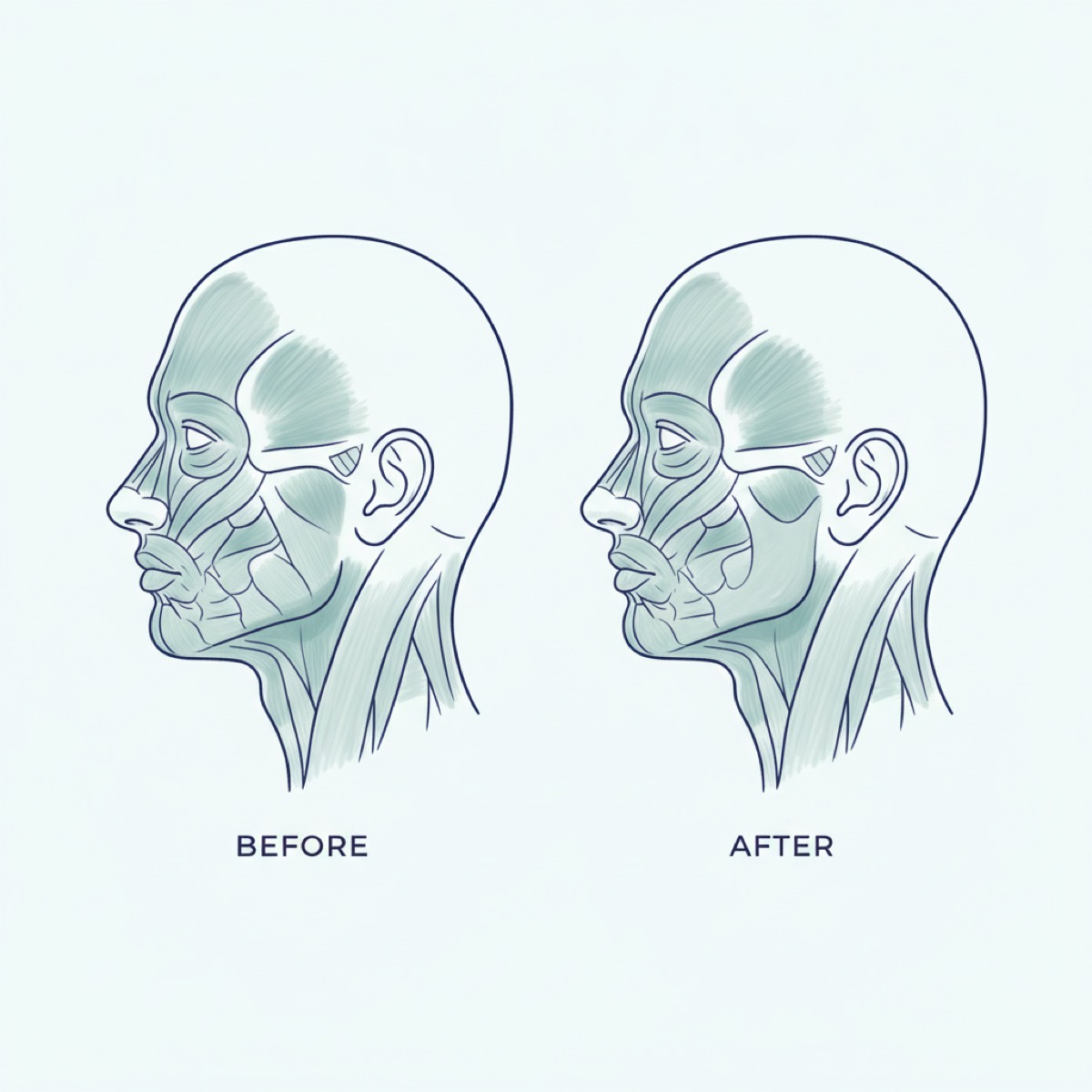
Pelvic fascia release, a technique often used to alleviate low back pain, has surprising benefits for facial appearance. As the pelvis is manipulated, changes can be felt in the facial muscles, specifically around the cheeks. This is because the body is an interconnected system, and tension release in one area can affect others.
During the release process, a gentle vibration is applied to specific pelvic regions. This stimulates movement and helps to realign the fascia, indirectly lifting and toning facial features. Patients often report a noticeable difference, with a brighter complexion and elevated cheekbones.
Why does low back pain occur?
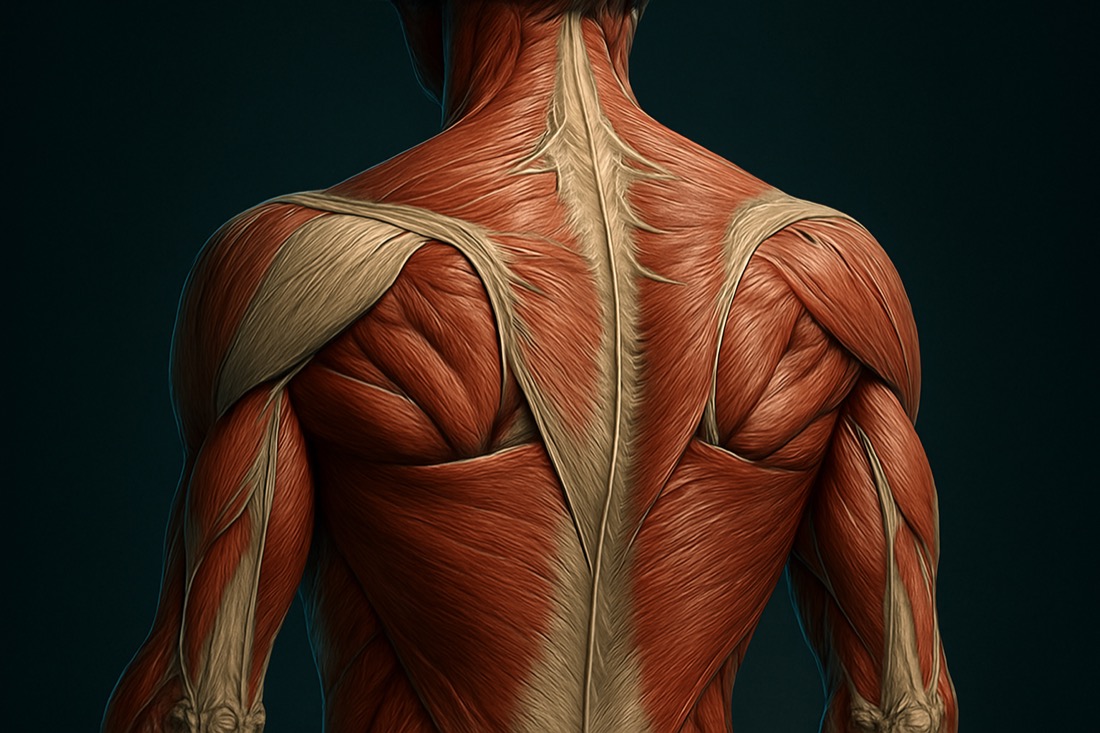
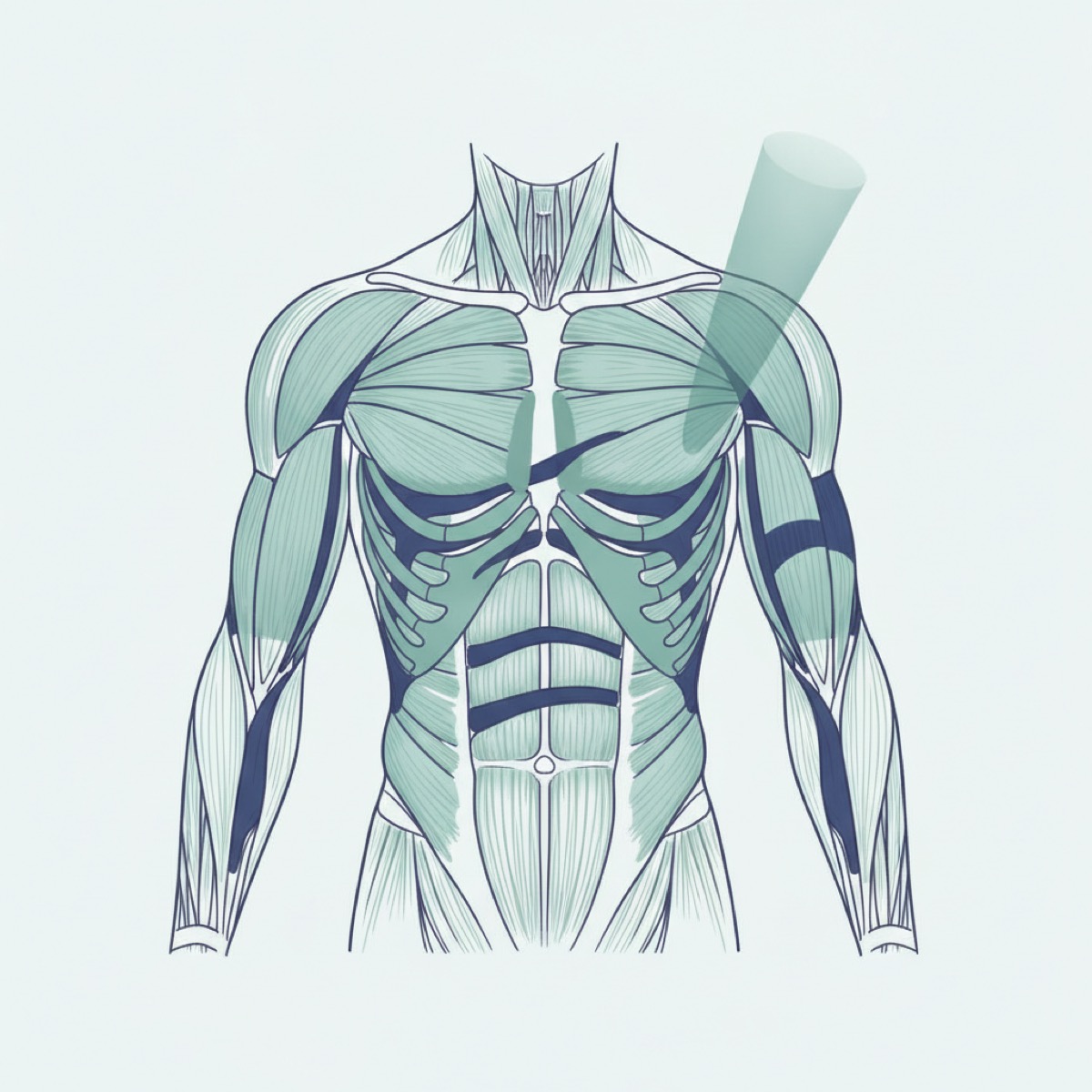
Low back pain is a common issue that many people face, often due to poor posture, injury, or prolonged periods of sitting. The fascia, a connective tissue surrounding muscles and organs, can become tight and restricted, leading to discomfort and pain.
Fascia release techniques aim to alleviate this tension, promoting better mobility and reducing pain. By addressing the root causes of fascia tightness, individuals can experience relief and improved function in their daily activities.
How does fascia release work for low back pain?
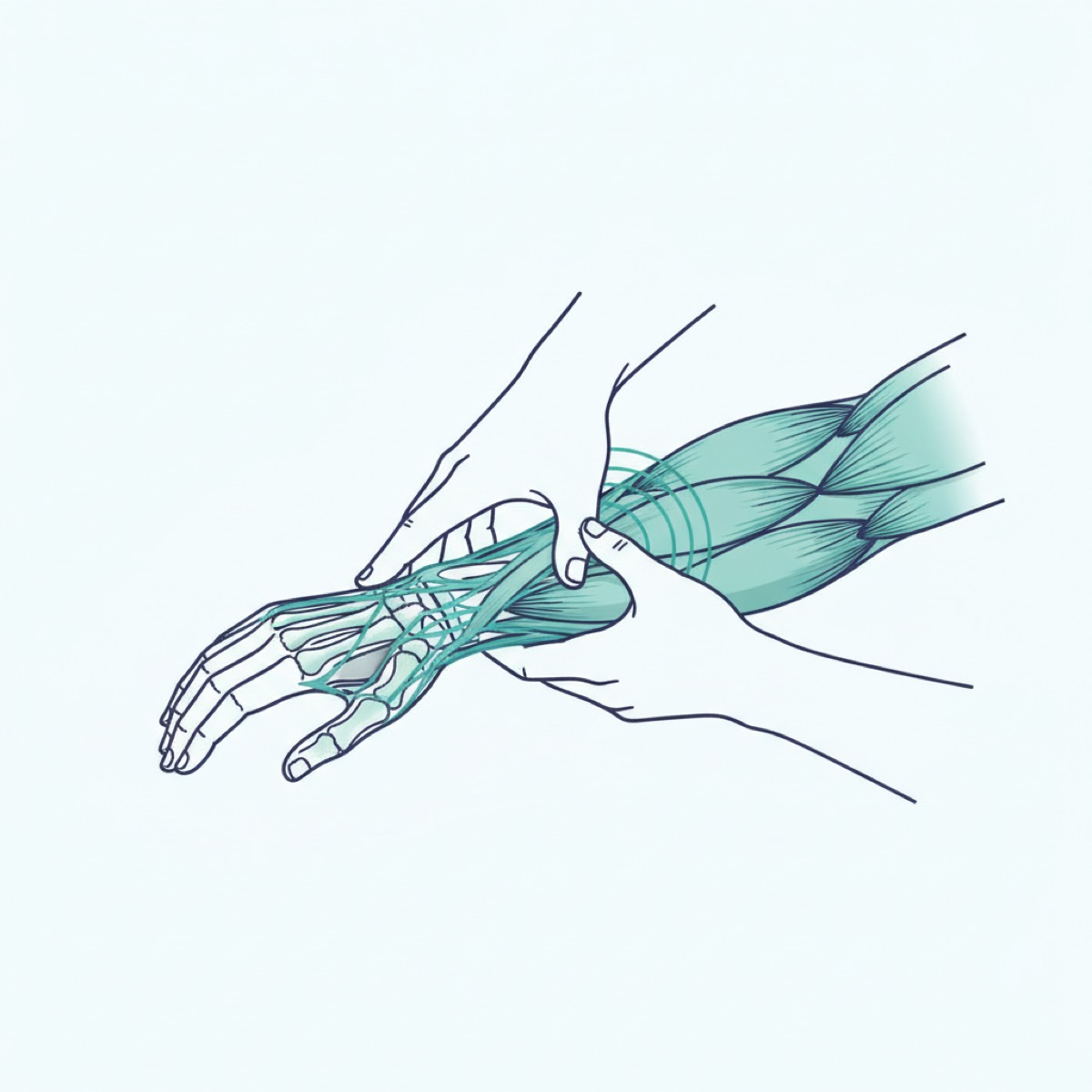
Fascia release involves applying targeted pressure and gentle movements to loosen the fascia. This process can help to restore the natural alignment and flexibility of the tissues, easing tension in the low back area.
The technique often includes using hands to apply pressure at strategic points, such as the anterior superior iliac spine (ASIS), which can influence the pelvis' position. This, in turn, helps to alleviate strain on the lower back and improve overall posture.
What benefits can you expect from fascia release?
Patients undergoing pelvic fascia release often notice improvements not only in pain levels but also in their overall appearance. The interconnected nature of the body's fascia means that releasing tension can have widespread effects.
With regular sessions, individuals may experience enhanced mobility, reduced pain, and even cosmetic benefits, such as a more lifted and vibrant facial appearance. It's important to note, however, that results can vary and should be discussed with a qualified therapist.
Frequently asked questions
Is fascia release safe? — Yes, when performed by a trained professional, fascia release is generally safe and can be an effective part of a pain management plan.
How long do the effects of fascia release last? — The effects can vary; some patients report immediate relief, while others find benefits accumulate over multiple sessions.
Can fascia release help with other conditions? — While primarily used for pain relief, fascia release may benefit conditions such as headaches and stress, due to its holistic approach.
References
- [1]Salehi B, Venditti A, Sharifi-Rad M, et al. The therapeutic potential of apigenin. Int J Mol Sci. 2019;20(6):1305.
- [2]Field R, Pourkazemi F, Turton J, Rooney K. Dietary interventions are beneficial for patients with chronic pain: a systematic review with meta-analysis. Pain Med. 2021;22(3):694–714.
- [3]Taljanovic MS, Gimber LH, Becker GW, et al. Shear-wave elastography: basic physics and musculoskeletal applications. RadioGraphics. 2017;37(3):855–870.
- [4]Langevin HM. Connective tissue: a body-wide signaling network? Med Hypotheses. 2006;66(6):1074–1077.
- [5]Schleip R. Fascial plasticity — a new neurobiological explanation. J Bodyw Mov Ther. 2003;7(1):11–19.
- [6]Wilke J, Krause F, Vogt L, Banzer W. What Is Evidence-Based About Myofascial Chains? A Systematic Review. Arch Phys Med Rehabil. 2016;97(3):454–461.