
From Zero: How Fascia Release Treats a Herniated Disc — Anatomy and Pathology Explained by Shogo Fujii
Original title (JP): 【ゼロから優しく】椎間板ヘルニアは筋膜リリースで治せる!解剖学,病理学を藤井翔悟が徹底解説!!

Supervised by
Shogo Fujii
Physiotherapist (PT) · Founder of the SHOGO FUJII® FASCIA METHOD
View profile →Clinical Article · 5 min read
Fascia release for low back pain, particularly in the context of herniated discs, offers a gentle yet effective approach to managing symptoms. By understanding the underlying pathology and anatomy, clinicians can better guide patients through non-invasive treatments. This article delves into the mechanics of fascia release and its role in alleviating back pain.
Why does my lower back hurt with a herniated disc?
Herniated discs occur when the gel-like center of a spinal disc pushes through a tear in the tougher exterior, often resulting in pressure on spinal nerves. This condition is particularly common in the lumbar region (L1-L5) due to its role in supporting body weight and flexibility. Factors such as obesity and poor posture can exacerbate the risk of herniation, leading to pain and discomfort in the lower back [1][2].
The pain associated with a herniated disc is not solely due to nerve compression. Inflammation and impaired microcirculation around the affected area can also contribute to pain and numbness. Understanding these mechanisms is crucial for effective treatment, whether through conservative methods or surgical intervention [3].
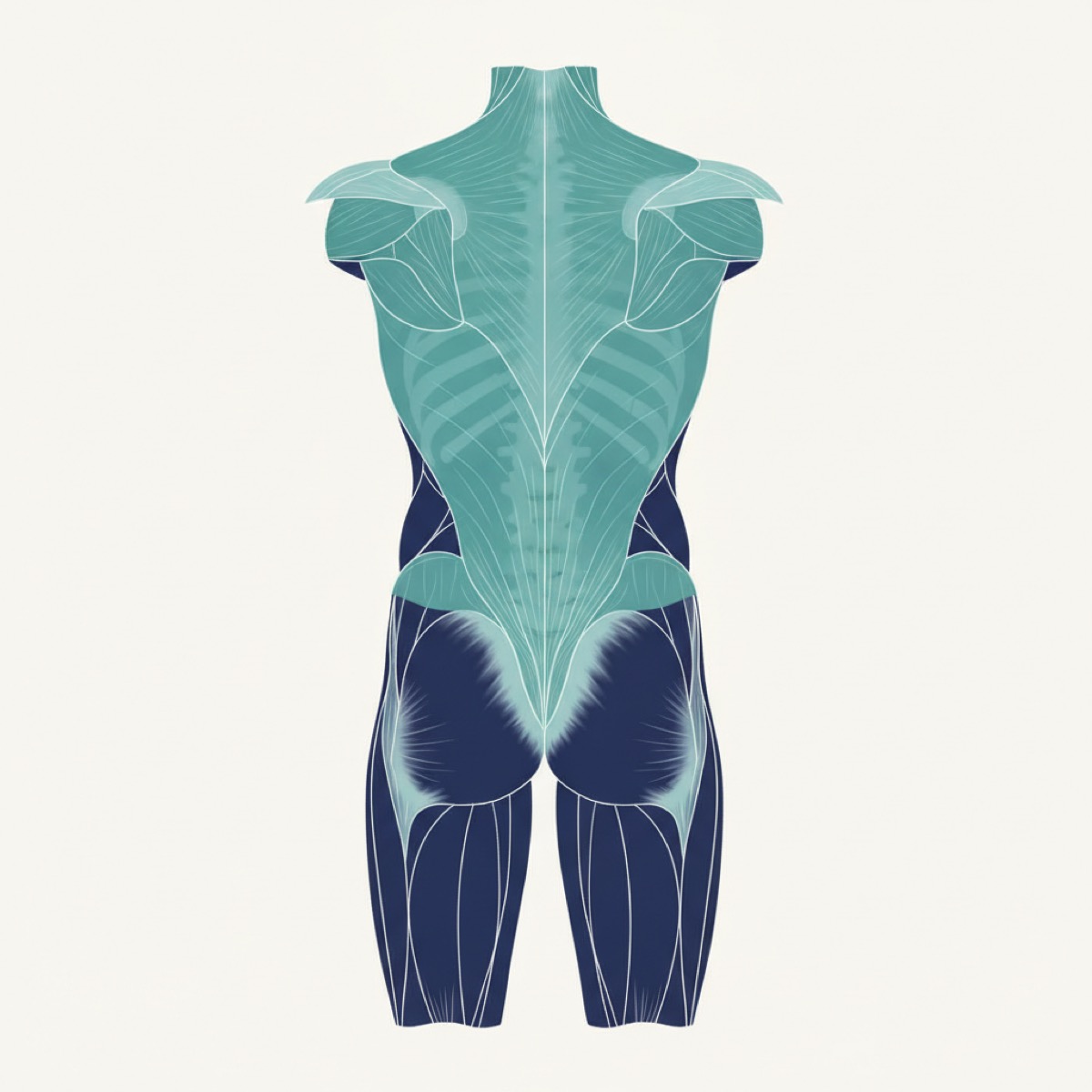
How does fascia release work for back pain?
Fascia release targets the connective tissue that surrounds muscles and organs. When fascia becomes tight or restricted, it can contribute to pain and reduced mobility. By gently manipulating these tissues, fascia release aims to alleviate tension and improve circulation, which may reduce pain and promote healing [4].
While fascia release can be beneficial, it is essential to differentiate between types of pain. For instance, nerve-related pain due to disc herniation may not respond to fascia release alone. A comprehensive assessment is necessary to identify the most appropriate treatment strategy for each patient [5].
What to expect from fascia release therapy?
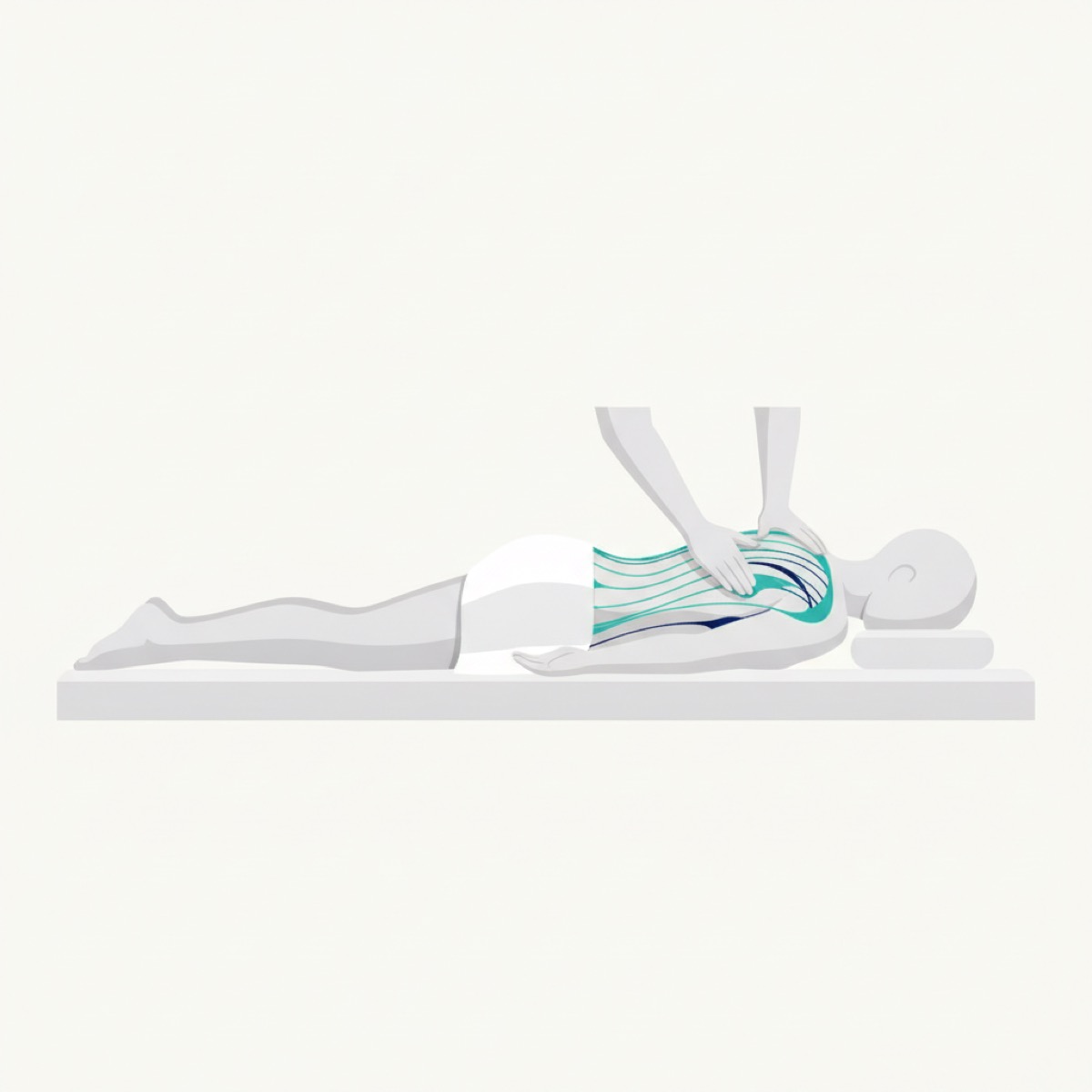
Patients undergoing fascia release therapy can expect a series of manual techniques aimed at loosening tight fascia and improving overall tissue mobility. Sessions may vary in duration and intensity, tailored to the individual's specific needs and pain levels.
Therapists may incorporate exercises to strengthen the core and support spinal health, providing a holistic approach to managing herniated disc symptoms. Consistent practice of these exercises, along with lifestyle modifications, can enhance the effectiveness of fascia release therapy [6].
Preventing herniated disc recurrence
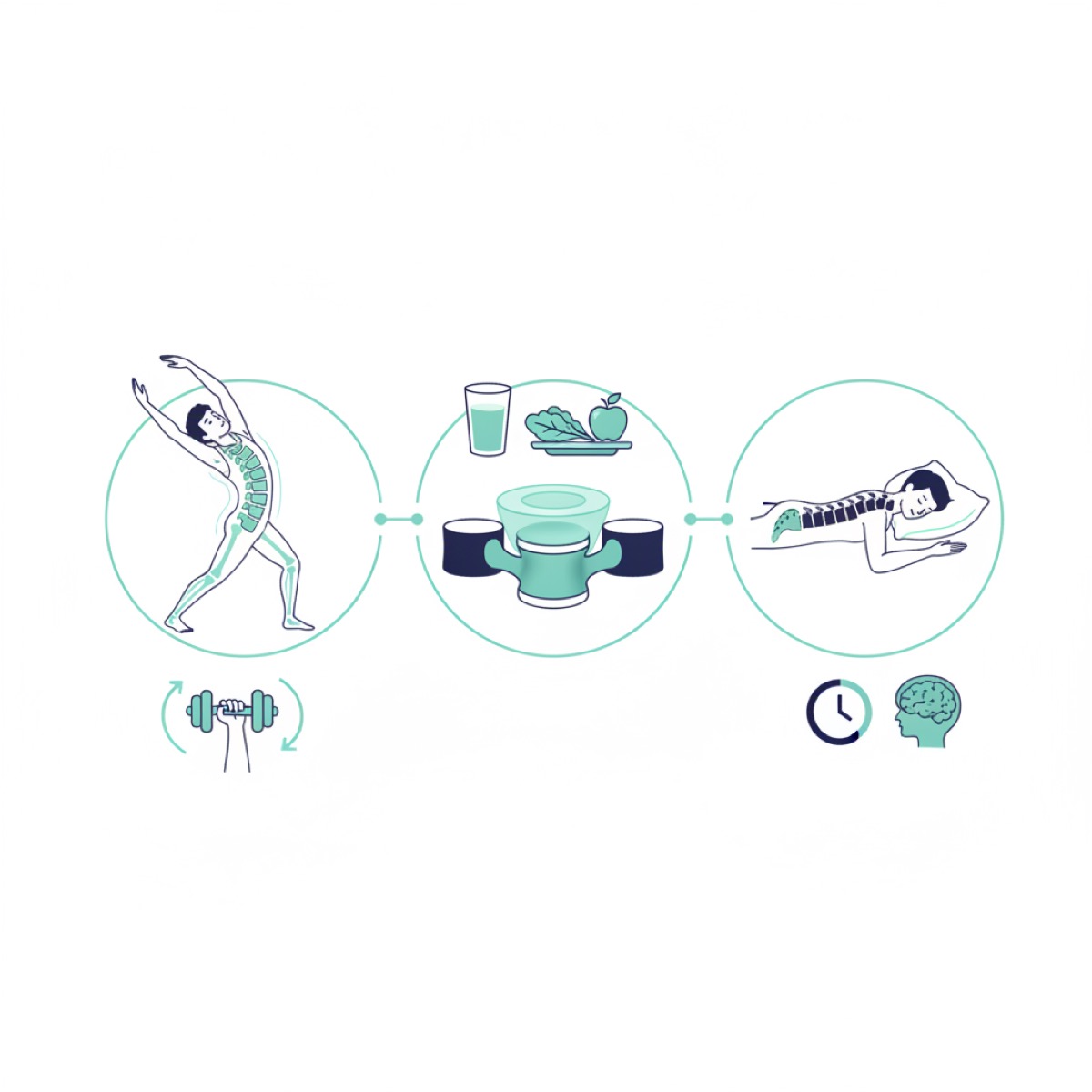
Preventing recurrence of herniated discs involves maintaining a healthy weight, practicing good posture, and engaging in regular physical activity. Exercises that strengthen the core muscles, such as planks and squats, can help support the spine and reduce the risk of future injuries.
Additionally, avoiding activities that place excessive strain on the spine, like heavy lifting or prolonged sitting, is crucial. Patients are encouraged to incorporate low-impact aerobic exercises, such as walking or swimming, to improve cardiovascular health and support spinal function.
Frequently asked questions
Is fascia release safe? — Fascia release is generally considered safe when performed by a trained therapist. However, it should be avoided in areas with acute inflammation or where nerve pain is present, as it may not address these issues effectively.
Can fascia release cure herniated discs? — Fascia release can help manage symptoms associated with herniated discs but is not a cure. It should be part of a comprehensive treatment plan that may include other modalities depending on the severity of the condition.
How often should I do fascia release? — The frequency of fascia release therapy depends on the individual's condition and response to treatment. Typically, sessions are recommended once or twice a week, with adjustments made based on progress and specific needs.
References
- [1]Tozzi P, Bongiorno D, Vitturini C. Fascial release effects on patients with non-specific cervical or lumbar pain. J Bodyw Mov Ther. 2011;15(4):405–416.
- [2]Zügel M, Maganaris CN, Wilke J, et al. Fascial tissue research in sports medicine: from molecules to tissue adaptation, injury and diagnostics: consensus statement. Br J Sports Med. 2018;52(23):1497.
- [3]Klingler W, Velders M, Hoppe K, Pedro M, Schleip R. Clinical relevance of fascial tissue and dysfunctions. Curr Pain Headache Rep. 2014;18(8):439.
- [4]Wilke J, Vogt L, Niederer D, Banzer W. Is remote stretching based on myofascial chains as effective as local exercise? A randomised-controlled trial. J Sports Sci. 2017;35(20):2021–2027.
- [5]Palomeque-del-Cerro L, Arráez-Aybar LA, Rodríguez-Blanco C, et al. A systematic review of the soft-tissue connections between neck muscles and dura mater: the myodural bridge. Spine. 2017;42(1):49–54.
- [6]Woolf CJ. Central sensitization: implications for the diagnosis and treatment of pain. Pain. 2011;152(3 Suppl):S2–S15.
Related videos

Palpation X-Ray #84 | Is the Sacrum Really a Flat Plate? It's a Wedge, Wide at the Top and Narrowing Downward — Trace Down from the Lumbar Spine and Confirm at Gluteus Maximus
0:56
Dramatic Improvement in One Session: Manual Approach to the Pelvic Girdle, with Palpation of Anatomical Landmarks and Movement Assessment Before and After (Hands-On Demo)
5:48