The Only One in the World: A 'Godly' Fascia Release That Erases Pain on the Spot
Original title (JP): 【世界で唯一】その場で痛みを消す“神技”筋膜リリース

Supervised by
Shogo Fujii
Physiotherapist (PT) · Founder of the SHOGO FUJII® FASCIA METHOD
View profile →Clinical Article · 6 min read
Navigating the complexities of persistent low back pain can be frustrating, especially when conventional diagnostics don't fully explain your discomfort. Many clinicians and informed patients are now exploring the profound impact of the body's connective tissues, or fascia, in chronic pain. This article delves into a unique, three-step approach to fascia release for low back pain, emphasizing a holistic understanding of the body's interconnectedness and the subtle art of effective treatment.
Understanding the Body's Interconnected Map of Pain
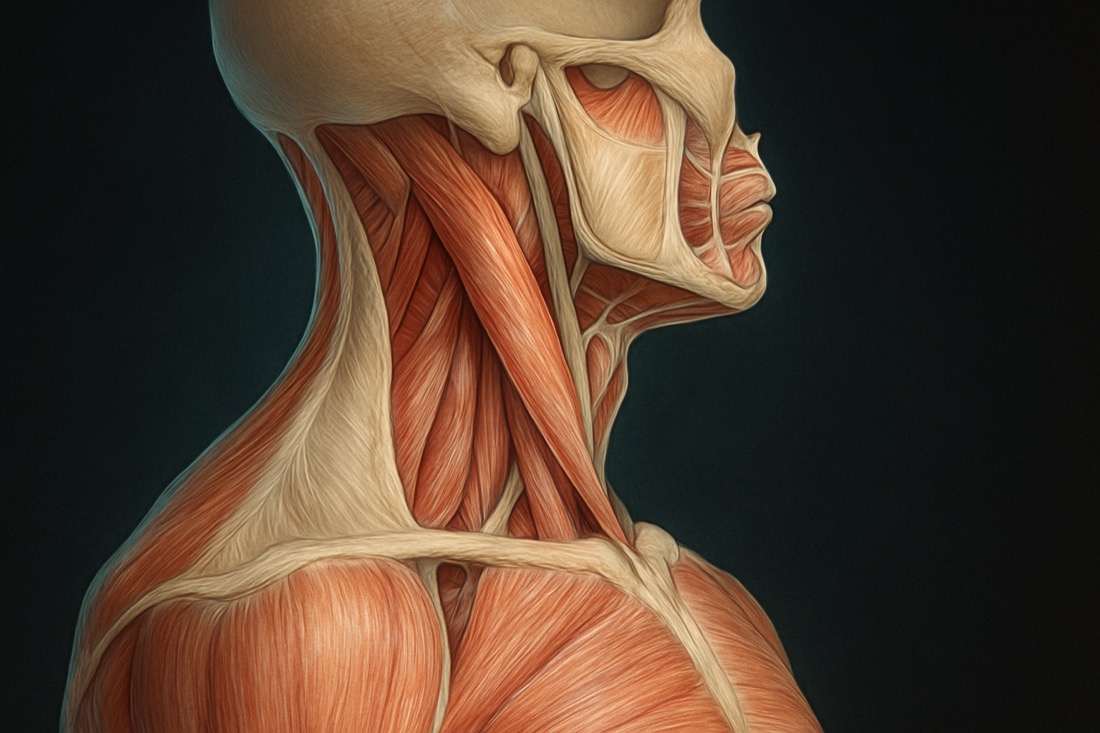
To effectively address low back pain, it's essential to move beyond isolated symptoms and appreciate the body's intricate network of connections. While foundational anatomical and medical knowledge is crucial, clinical success in pain treatment often requires a more dynamic understanding of how these structures interact. Our approach utilizes a unique 'map' of the body's myofascial connections, distinct from traditional models like Anatomy Trains or Kera, to provide a more clinically relevant perspective.
This specialized understanding bridges the gap between static anatomical facts and the dynamic reality of how pain manifests and propagates through the body. It acknowledges that the site of pain is not always the source of the problem, guiding practitioners to look for underlying restrictions within this interconnected system.
Beyond the Scan: Why Imaging Doesn't Always Tell the Whole Story of Low Back Pain
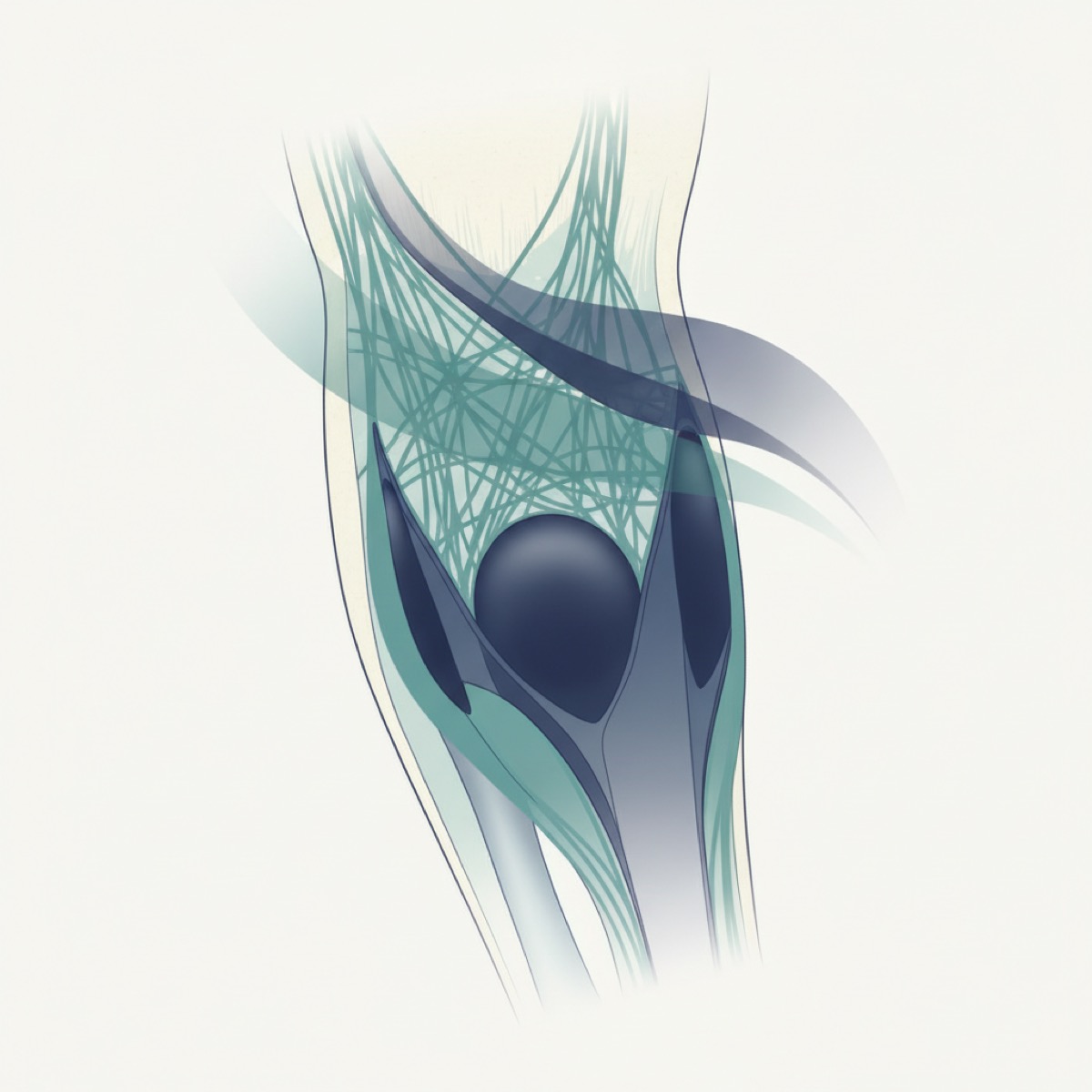
Many patients receive diagnoses of structural issues like spinal stenosis or disc herniations based on MRI or X-ray findings. However, a critical piece of information often overlooked is that these structural findings do not always correlate directly with the presence or severity of low back pain. For instance, studies have shown that a significant percentage of asymptomatic individuals – people with no back pain whatsoever – exhibit structural abnormalities such as stenosis on their MRI scans [1].
This highlights a crucial distinction: a structural finding on an image does not automatically equate to a painful condition. Focusing solely on these images can lead to misdirected treatments. Our approach emphasizes that while imaging provides valuable information, it's the clinical presentation and a thorough physical assessment that truly reveal the source of a patient's discomfort, guiding effective fascia release for low back pain.
Pinpointing the True Source: A Precise Approach to Low Back Pain Assessment
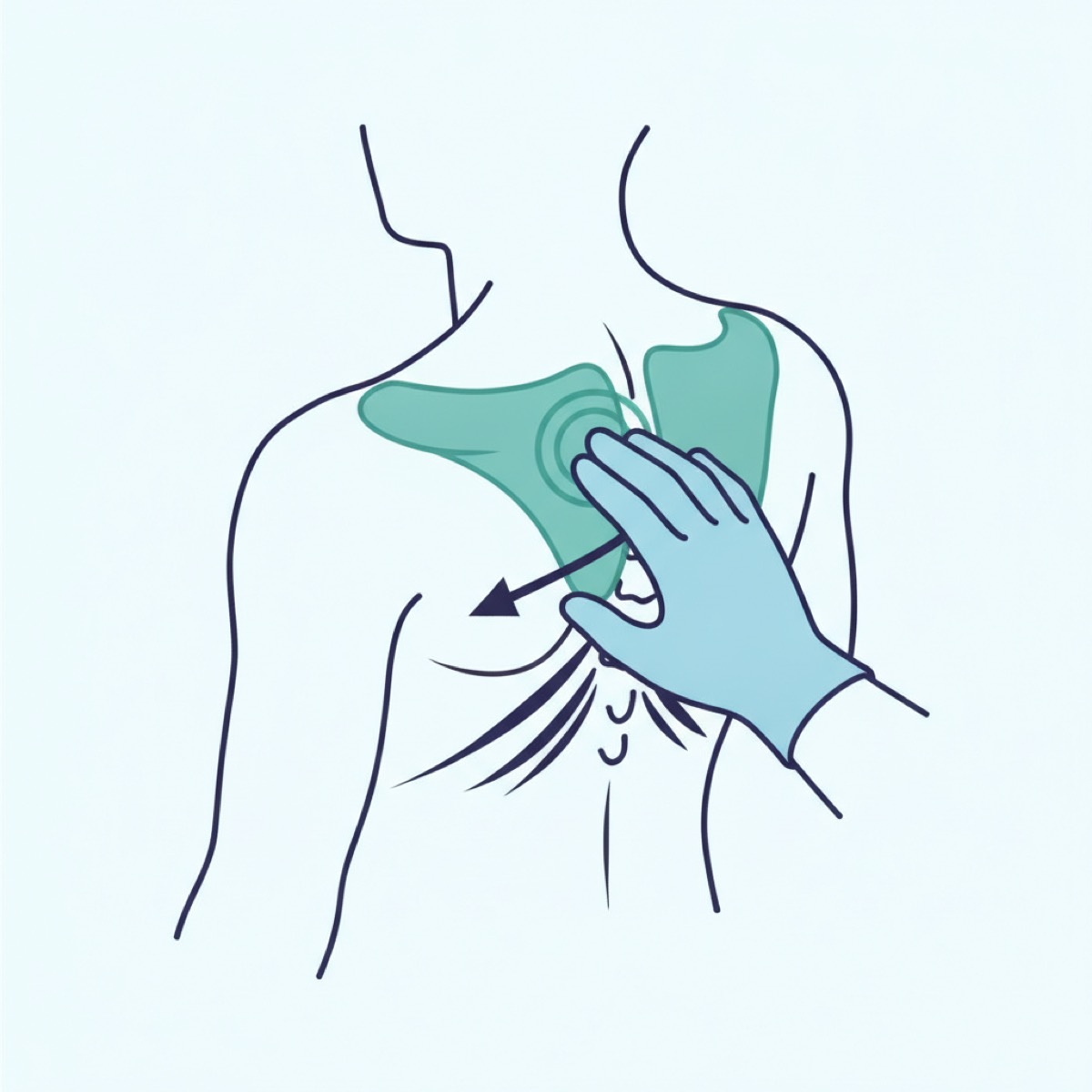
Once the comprehensive map of the body's fascial connections is understood, the next vital step is a precise evaluation to identify where the pain truly originates. This assessment goes beyond surface-level symptoms, employing tactile methods, specifically pressure stimulation, to locate areas of restriction or dysfunction within the myofascial system. The goal is to pinpoint the exact 'expression' of pain – where it emerges when specific tissues are engaged.
Understanding the true origin of pain is paramount for effective treatment. Often, the area of discomfort is merely a symptom of a problem located elsewhere along the fascial lines. By accurately identifying these primary points of tension through skilled palpation, clinicians can address the root cause, rather than just chasing symptoms, paving the way for targeted and effective fascia release for low back pain. [2]
The Art of Fascial Release: Cultivating a Responsive Touch for Lasting Relief
Effective fascia release is an art that demands practice and sensitivity, extending far beyond the superficial 'quick fix' techniques often seen on social media. Simply performing repetitive motions or applying generalized pressure, as demonstrated in many online videos, is unlikely to yield lasting therapeutic results. The human body's intricate system requires a more nuanced and responsive approach to truly achieve myofascial pain relief. [3]
Our method emphasizes not just the application of a technique, but the ability to feel and respond to the body's reactions as tension releases. This involves a subtle, intuitive touch – akin to the refined senses developed in sports or martial arts – that discerns how the tissues are responding. The key is to elicit a specific physiological response from the patient's body, facilitating a natural unwinding and softening of the fascia. This gentle, yet profound, release requires no excessive force; instead, it relies on precise pressure and patience, allowing the body to naturally relax and restore its optimal state. [4][5] Cultivating this responsive touch is crucial for achieving deep and sustainable relief from low back pain.

Frequently asked questions
Is fascia release safe? — Yes, when performed by a qualified and experienced practitioner, fascia release is generally considered a safe and non-invasive therapy. It typically involves gentle, sustained pressure and stretching techniques, making it suitable for a wide range of individuals, but it's always important to discuss any underlying health conditions with your therapist [6].
How long does it take to feel results from fascia release for low back pain? — The timeline for feeling results can vary significantly among individuals. Some patients experience immediate relief after a session, while others notice gradual improvements over several treatments. Factors such as the chronicity of the pain, individual body response, and adherence to any recommended home care can influence the speed and extent of recovery.
Can fascia release address other types of pain besides low back pain? — Absolutely. Because the fascial system is a continuous, interconnected web throughout the entire body, restrictions in one area can contribute to pain in seemingly unrelated regions. Therefore, fascia release can be an effective treatment for various conditions, including neck pain, shoulder stiffness, headaches, plantar fasciitis, and other musculoskeletal discomforts, offering comprehensive myofascial pain relief.
References
- [1]Ricciotti E, FitzGerald GA. Prostaglandins and inflammation. Arterioscler Thromb Vasc Biol. 2011;31(5):986–1000.
- [2]Salehi B, Venditti A, Sharifi-Rad M, et al. The therapeutic potential of apigenin. Int J Mol Sci. 2019;20(6):1305.
- [3]Field R, Pourkazemi F, Turton J, Rooney K. Dietary interventions are beneficial for patients with chronic pain: a systematic review with meta-analysis. Pain Med. 2021;22(3):694–714.
- [4]Taljanovic MS, Gimber LH, Becker GW, et al. Shear-wave elastography: basic physics and musculoskeletal applications. RadioGraphics. 2017;37(3):855–870.
- [5]Langevin HM. Connective tissue: a body-wide signaling network? Med Hypotheses. 2006;66(6):1074–1077.
- [6]Schleip R. Fascial plasticity — a new neurobiological explanation. J Bodyw Mov Ther. 2003;7(1):11–19.
Related videos
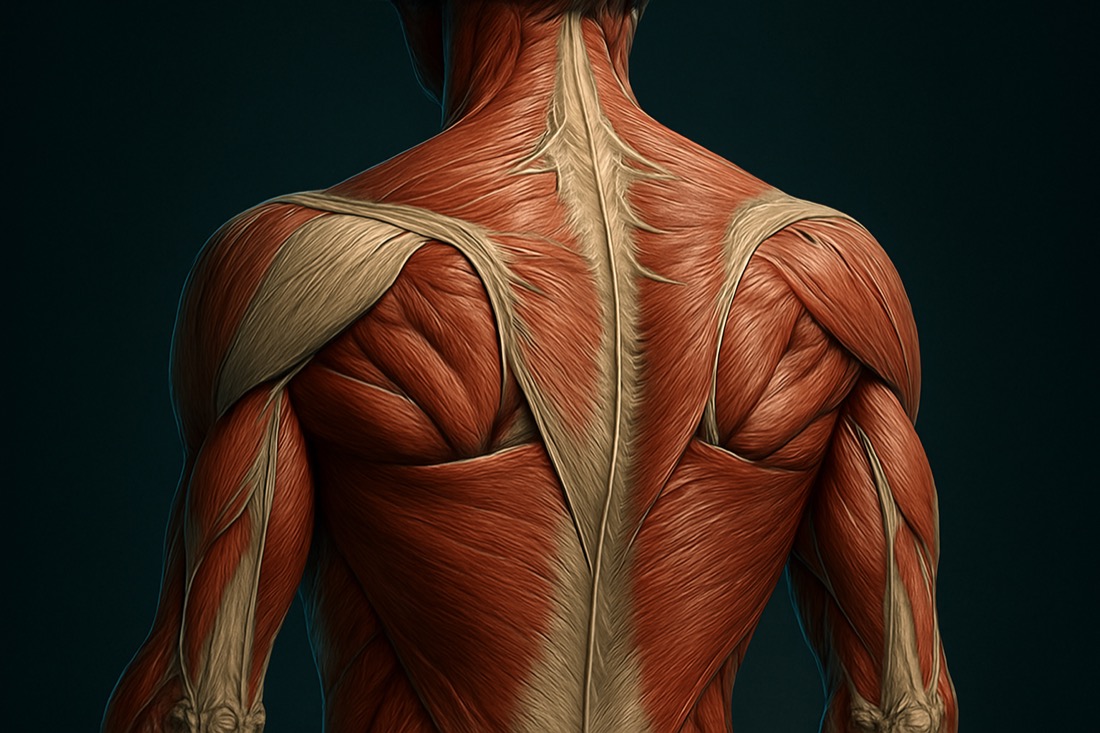
Palpation X-Ray #84 | Is the Sacrum Really a Flat Plate? It's a Wedge, Wide at the Top and Narrowing Downward — Trace Down from the Lumbar Spine and Confirm at Gluteus Maximus
0:56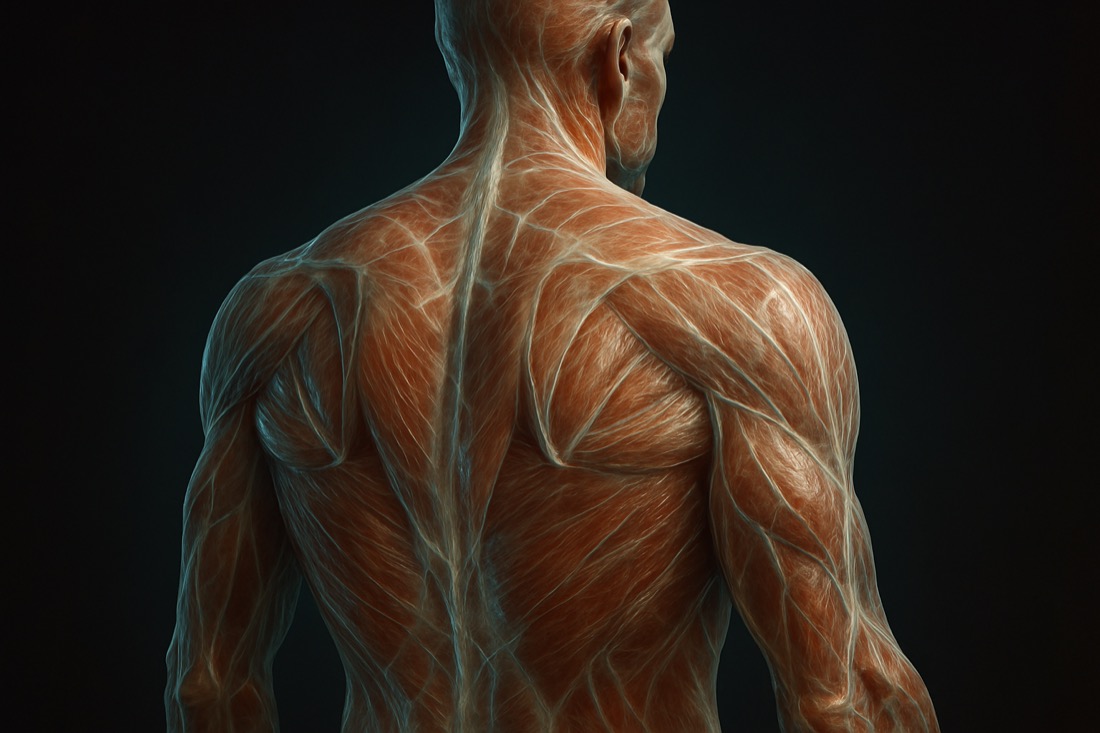
Dramatic Improvement in One Session: Manual Approach to the Pelvic Girdle, with Palpation of Anatomical Landmarks and Movement Assessment Before and After (Hands-On Demo)
5:48