Transformative Spiral Line Technique for Pain Relief
Original title (JP): マジで治せる!スパイラルラインテクニック!

Supervised by
Shogo Fujii
Physiotherapist (PT) · Founder of the SHOGO FUJII® FASCIA METHOD
View profile →Clinical Article · 5 min read
Fascia release for low back pain has gained attention as a transformative approach to alleviating discomfort and improving mobility. The Spiral Line Technique, explored by Shogo Fujii, offers a unique method to target fascial tension in the body, potentially reducing pain and enhancing flexibility. This article delves into the technique's fundamentals, benefits, and application, providing valuable insights for both clinicians and informed patients.
Why does low back pain persist?
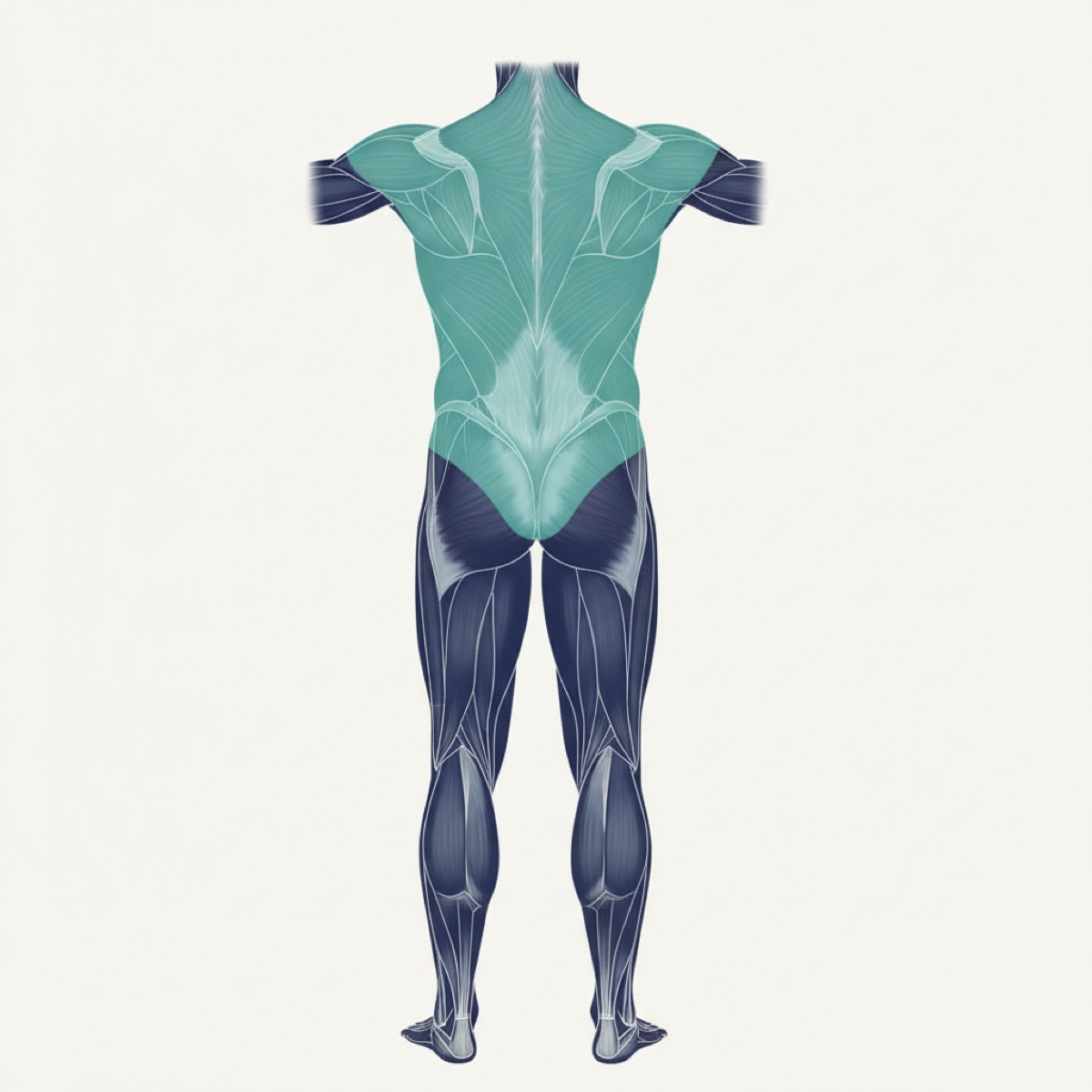
Low back pain often persists due to the interconnected nature of the body's fascia, a web-like structure that envelops muscles and organs. When this fascia becomes tense or misaligned, it can lead to discomfort and restricted movement. The Spiral Line Technique focuses on releasing these fascial tensions, particularly in areas like the chest and hip, to alleviate pain and restore function [1][2].
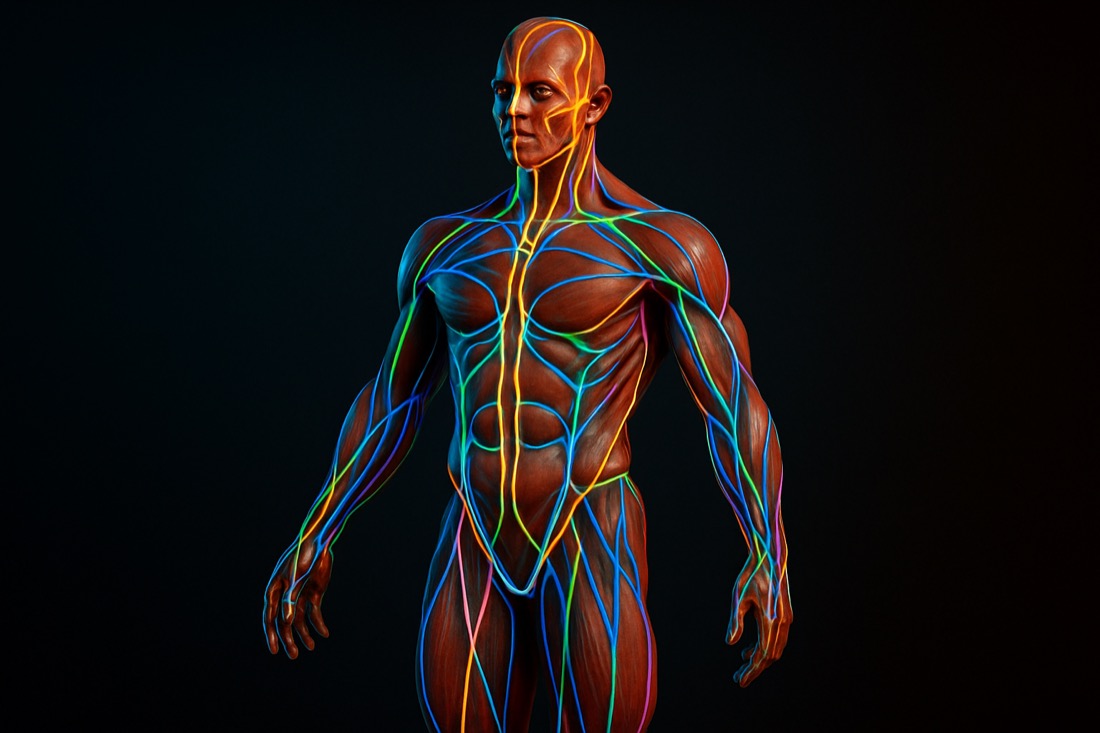
The technique leverages the body's natural diagonal lines, known as spiral lines, which connect different muscle groups. By addressing these lines, practitioners can target the root causes of pain, offering a holistic approach to treatment that considers the body's intricate fascial network [3].
How fascia release works
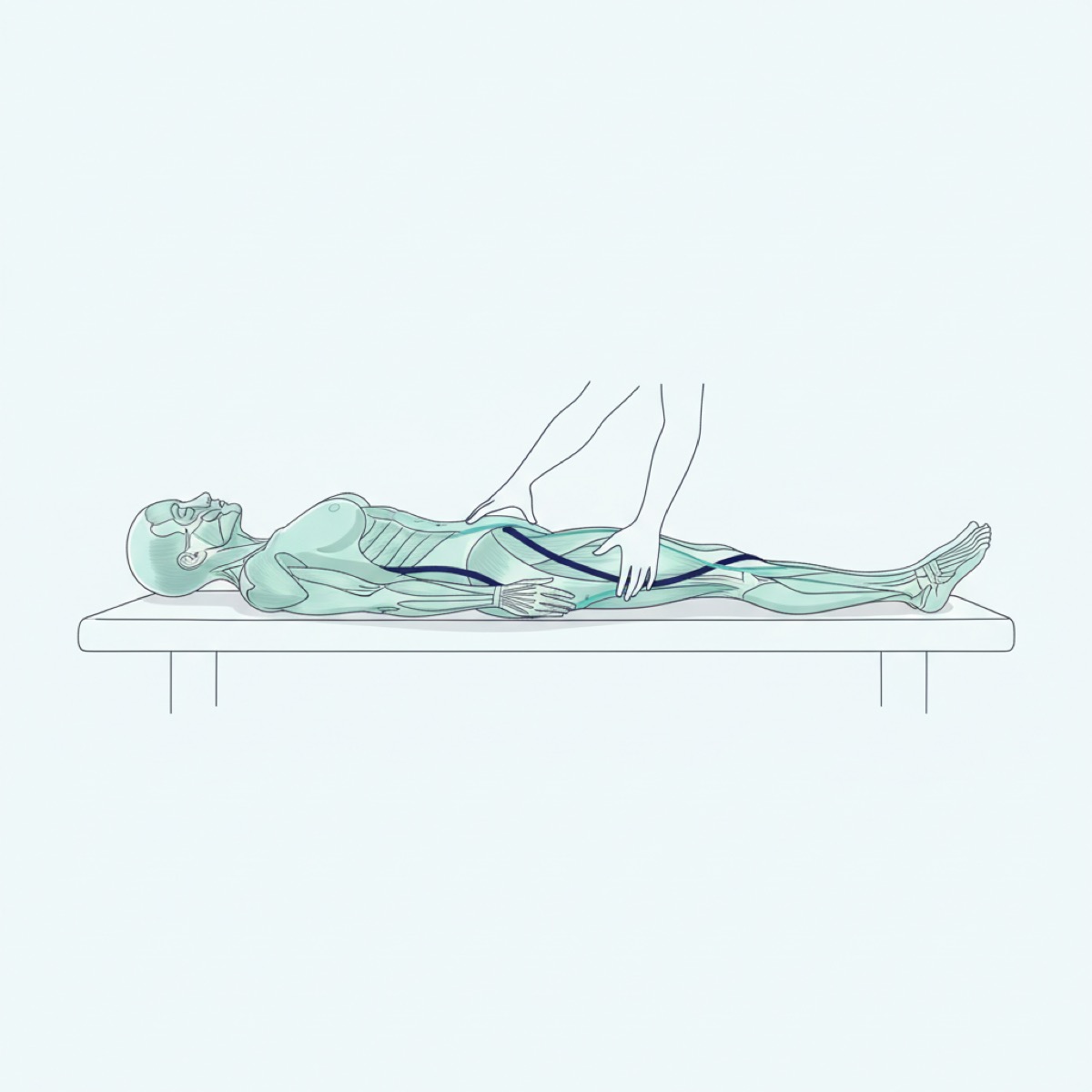
The Spiral Line Technique involves a series of targeted stretches and manual manipulations designed to release tension in the fascia. By focusing on key points such as the pectoralis minor and the tensor fasciae latae, the technique aims to relieve pressure along the spiral lines that traverse the body [4].
Patients often experience a sensation of release and warmth as the fascia relaxes, which can lead to improved mobility and reduced pain. This method encourages the body to reset its natural alignment, promoting healing and flexibility without invasive procedures [5].
What to expect during a session
During a fascia release session using the Spiral Line Technique, patients typically lie on their back while the practitioner applies gentle pressure and stretches specific muscle groups. This process helps identify and release areas of fascial tension, which may have been contributing to low back pain [6].
Patients are encouraged to participate actively by adjusting their body positions to enhance the effectiveness of the release. This collaborative approach not only aids in pain relief but also empowers patients to understand and manage their condition better.
Benefits of the Spiral Line Technique
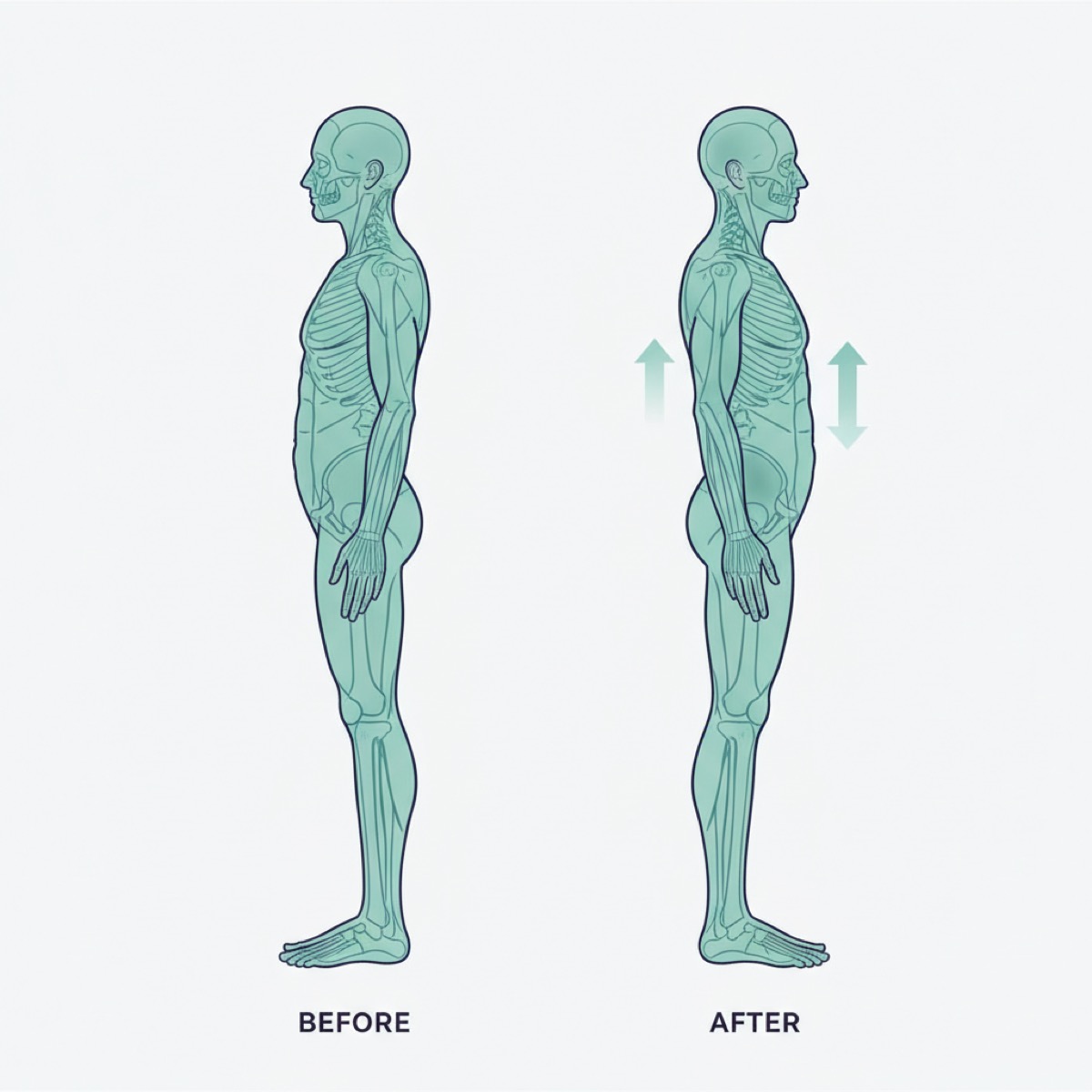
The Spiral Line Technique offers several benefits, including pain reduction, increased flexibility, and improved posture. By targeting the fascial lines, this method aims to address the underlying causes of discomfort rather than just the symptoms, promoting long-term relief.
Additionally, the technique can be beneficial for individuals with various musculoskeletal issues, as it facilitates a holistic approach to body mechanics. As patients experience relief, they often report feeling lighter and more balanced, with a newfound ease in movement.
Frequently asked questions
Is fascia release safe? — Yes, fascia release is generally safe when performed by a trained professional. It focuses on gentle manipulation and stretching, minimizing the risk of injury.
How often should I undergo fascia release therapy? — The frequency of therapy sessions depends on individual needs and the severity of the condition. Consultation with a qualified therapist can help determine an appropriate schedule.
Can fascia release help with other types of pain? — While particularly effective for low back pain, fascia release can also benefit other areas experiencing chronic pain, such as the neck, shoulders, and hips.
References
- [1]Ricciotti E, FitzGerald GA. Prostaglandins and inflammation. Arterioscler Thromb Vasc Biol. 2011;31(5):986–1000.
- [2]Salehi B, Venditti A, Sharifi-Rad M, et al. The therapeutic potential of apigenin. Int J Mol Sci. 2019;20(6):1305.
- [3]Field R, Pourkazemi F, Turton J, Rooney K. Dietary interventions are beneficial for patients with chronic pain: a systematic review with meta-analysis. Pain Med. 2021;22(3):694–714.
- [4]Taljanovic MS, Gimber LH, Becker GW, et al. Shear-wave elastography: basic physics and musculoskeletal applications. RadioGraphics. 2017;37(3):855–870.
- [5]Langevin HM. Connective tissue: a body-wide signaling network? Med Hypotheses. 2006;66(6):1074–1077.
- [6]Schleip R. Fascial plasticity — a new neurobiological explanation. J Bodyw Mov Ther. 2003;7(1):11–19.