
The Best Pelvic Adjustment Techniques
Original title (JP): 俺らの骨盤調整が世界一だと断言する #筋膜 #美容 #藤井翔悟

Supervised by
Shogo Fujii
Physiotherapist (PT) · Founder of the SHOGO FUJII® FASCIA METHOD
View profile →Clinical Article · 5 min read
Pelvic adjustment techniques can be a game-changer for those suffering from low back pain. By focusing on fascia therapy, clinicians and informed patients can explore alternative methods to alleviate discomfort and improve mobility. This approach emphasizes the interconnectedness of the body's structures, offering a holistic perspective on pain management.
How can pelvic adjustments help with low back pain?
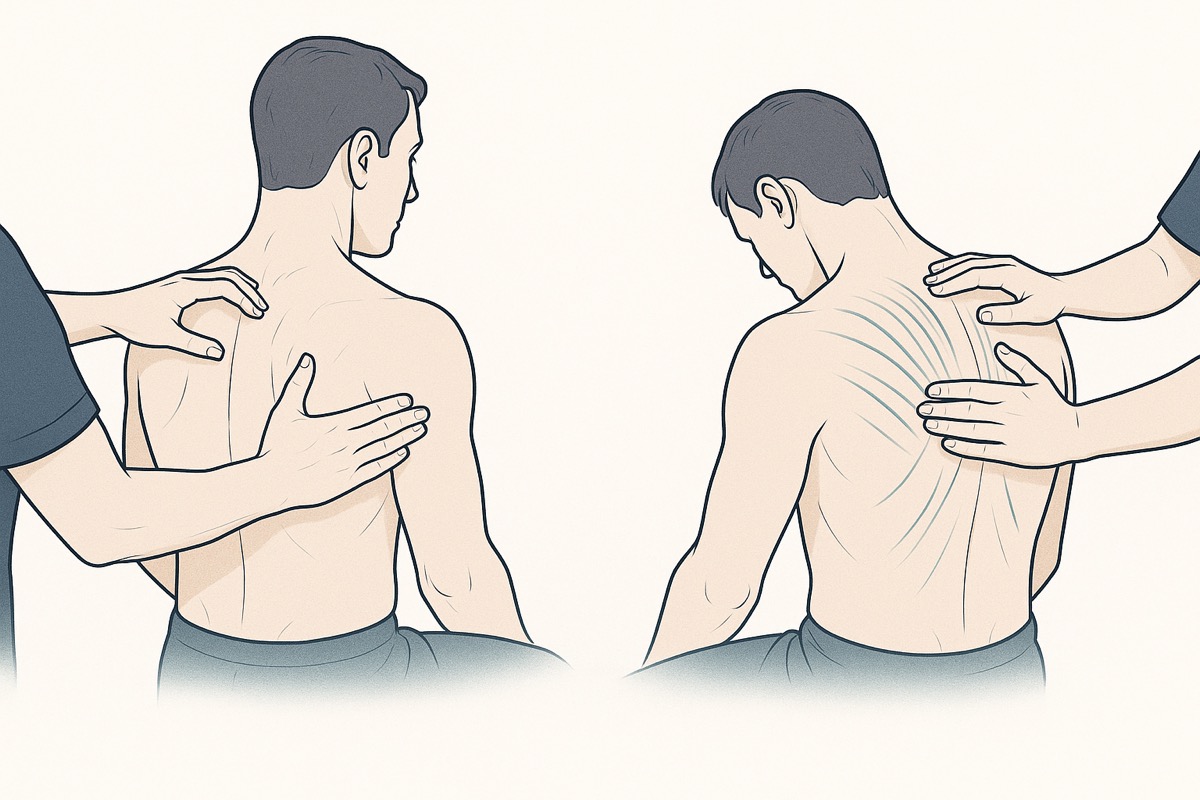
Pelvic adjustments can significantly influence the alignment of surrounding structures, including the spine and neck. By targeting specific areas such as the pelvis, practitioners can indirectly affect the neck and shoulders without direct manipulation. This technique leverages the body's natural interconnectedness to promote overall balance and relieve tension in the low back area.
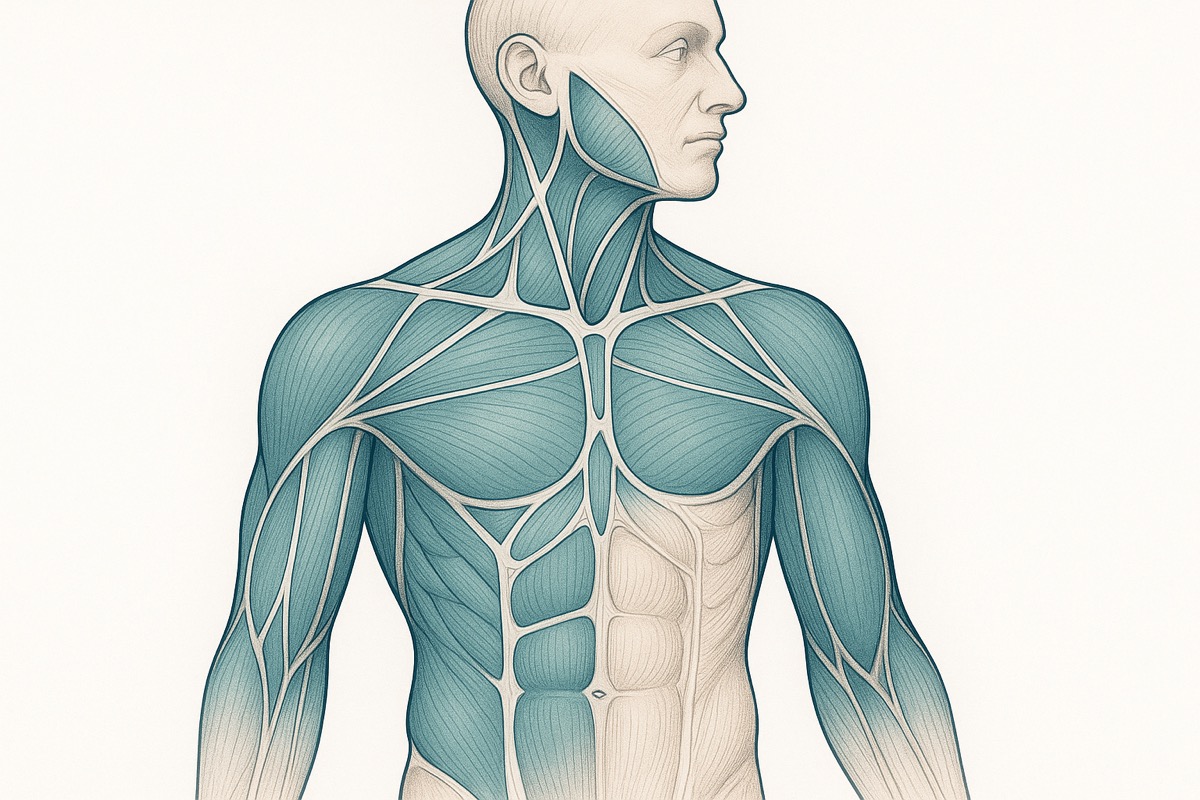
One notable method involves applying gentle pressure to the external oblique muscles, which can lead to a noticeable release in tension across the pelvis. This process may also result in the relaxation of the cervical spine, offering relief from associated neck discomfort. The holistic nature of fascia therapy ensures that adjustments in one area can have beneficial effects throughout the body.
What is the connection between fascia and pelvic adjustments?
Fascia, a connective tissue that envelops muscles and organs, plays a crucial role in maintaining structural integrity and facilitating movement. When fascia becomes restricted, it can contribute to pain and decreased mobility. Pelvic adjustments aim to release these fascial restrictions, thereby enhancing the body's natural alignment and function.
Through targeted adjustments, therapists can influence the fascia around the pelvis, leading to improvements in posture and a reduction in low back pain. This approach underscores the importance of understanding fascia's role in the body's biomechanics and its potential for influencing overall health.
Why is it important to consider the whole body in fascia therapy?
Fascia therapy recognizes the body as an interconnected system, where changes in one area can impact others. For instance, adjusting the pelvis can lead to movements in the cervical spine, demonstrating the ripple effect of fascia release. This whole-body approach is crucial for addressing not just symptoms, but the underlying causes of low back pain.
By considering the body holistically, fascia therapy can uncover hidden sources of tension and misalignment. This perspective encourages a more comprehensive treatment plan, ultimately contributing to more sustainable pain relief and improved function.

How does fascia therapy differ from traditional chiropractic adjustments?
While traditional chiropractic care often focuses on joint manipulation, fascia therapy emphasizes the role of connective tissue. This approach seeks to address the soft tissue structures that influence joint positioning and movement, offering a complementary perspective to conventional chiropractic techniques.
By focusing on fascia, therapists can achieve adjustments that respect the body's natural pathways, potentially reducing the risk of discomfort or adverse reactions. This gentle method can be particularly beneficial for patients who may be sensitive to more forceful manipulations.
Frequently asked questions
Is fascia therapy safe? — Fascia therapy is generally considered safe when performed by a trained professional. It involves gentle techniques that aim to release tension without aggressive manipulation, making it suitable for a wide range of patients.
Can pelvic adjustments help with other types of pain? — Yes, pelvic adjustments can influence the alignment and function of the entire body, potentially relieving pain in areas beyond the low back, such as the neck and shoulders.
How often should fascia therapy be done? — The frequency of fascia therapy sessions depends on individual needs and the severity of the condition. Some may benefit from weekly sessions, while others might find relief with less frequent visits. It's important to consult with a qualified therapist to determine the best plan.
References
- [1]Langevin HM. Connective tissue: a body-wide signaling network? Med Hypotheses. 2006;66(6):1074–1077.
- [2]Schleip R. Fascial plasticity — a new neurobiological explanation. J Bodyw Mov Ther. 2003;7(1):11–19.
- [3]Wilke J, Krause F, Vogt L, Banzer W. What Is Evidence-Based About Myofascial Chains? A Systematic Review. Arch Phys Med Rehabil. 2016;97(3):454–461.
- [4]Krause F, Wilke J, Vogt L, Banzer W. Intermuscular force transmission along myofascial chains: a systematic review. J Anat. 2016;228(6):910–918.
- [5]Stecco C, Stern R, Porzionato A, et al. Hyaluronan within fascia in the etiology of myofascial pain. Surg Radiol Anat. 2011;33(10):891–896.
- [6]Ajimsha MS, Al-Mudahka NR, Al-Madzhar JA. Effectiveness of myofascial release: a systematic review of randomized controlled trials. J Bodyw Mov Ther. 2015;19(1):102–112.