Instant Relief for Knee Pain Using the Pelvis and Ear
Original title (JP): 膝の痛みを骨盤と耳で1回で治す!

Supervised by
Shogo Fujii
Physiotherapist (PT) · Founder of the SHOGO FUJII® FASCIA METHOD
View profile →Clinical Article · 5 min read
Are you searching for effective fascia release for low back pain that also eases knee discomfort? This innovative technique involves manipulating the pelvis and ear to address underlying fascia issues, offering relief and improved mobility. Learn how these methods can be integrated into your therapeutic practice for better patient outcomes.
How can the pelvis and ear alleviate knee pain?
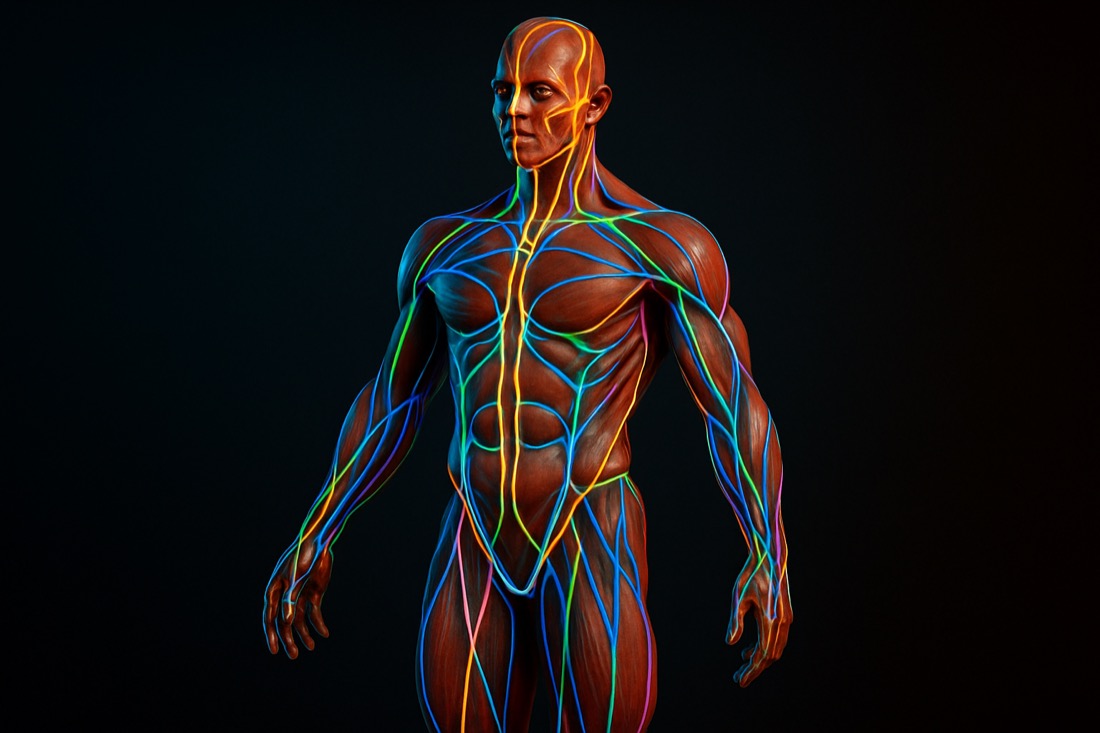
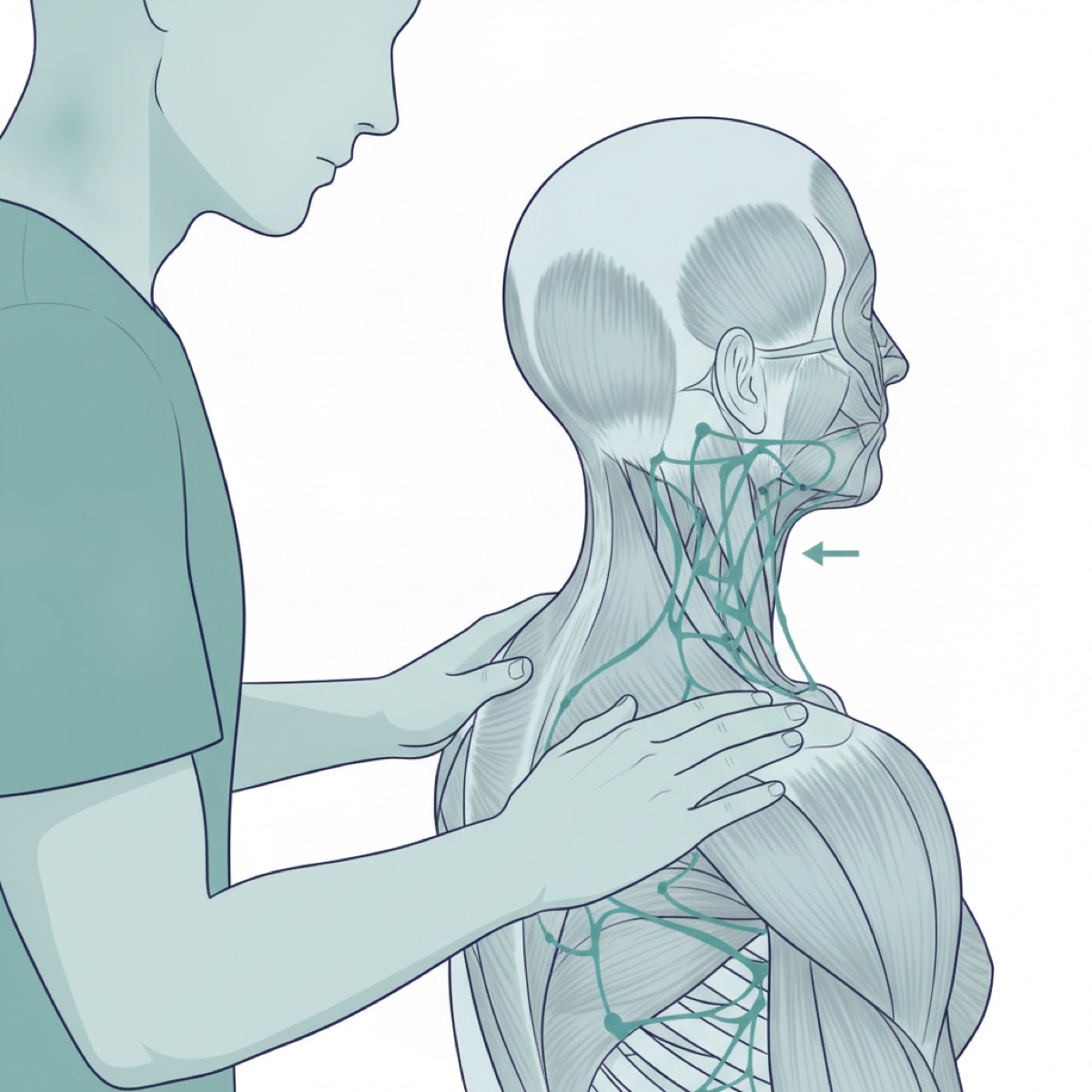
The connection between the pelvis and knee pain might not seem obvious, but understanding the role of fascia can clarify this relationship. By adjusting the pelvis and applying pressure to specific points near the ear, practitioners can influence the fascial network that affects the knee. This technique helps to redistribute tension and improve joint alignment, potentially reducing pain and enhancing movement [1][2].
Fascia, the connective tissue surrounding muscles and organs, plays a crucial role in maintaining structural integrity. When fascia is tight or misaligned, it can lead to discomfort and restricted motion. By targeting the pelvis and ear, therapists aim to release fascial tension, facilitating better posture and reducing strain on the knees [3].
Why does low back pain affect knee function?
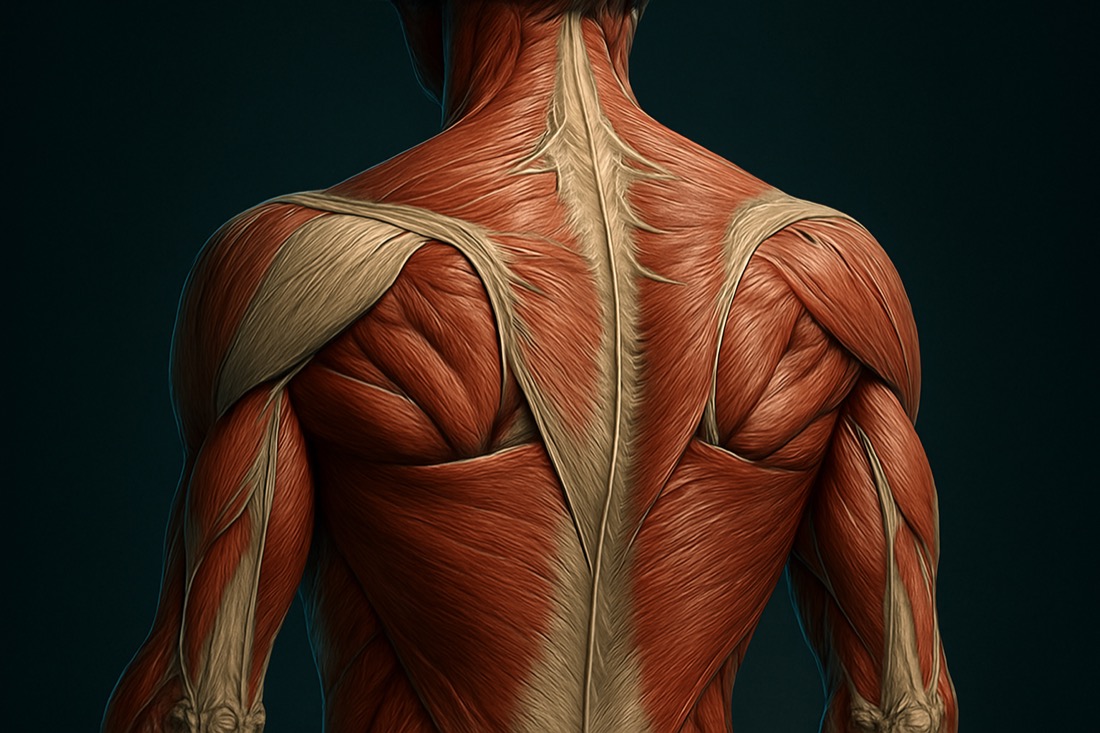
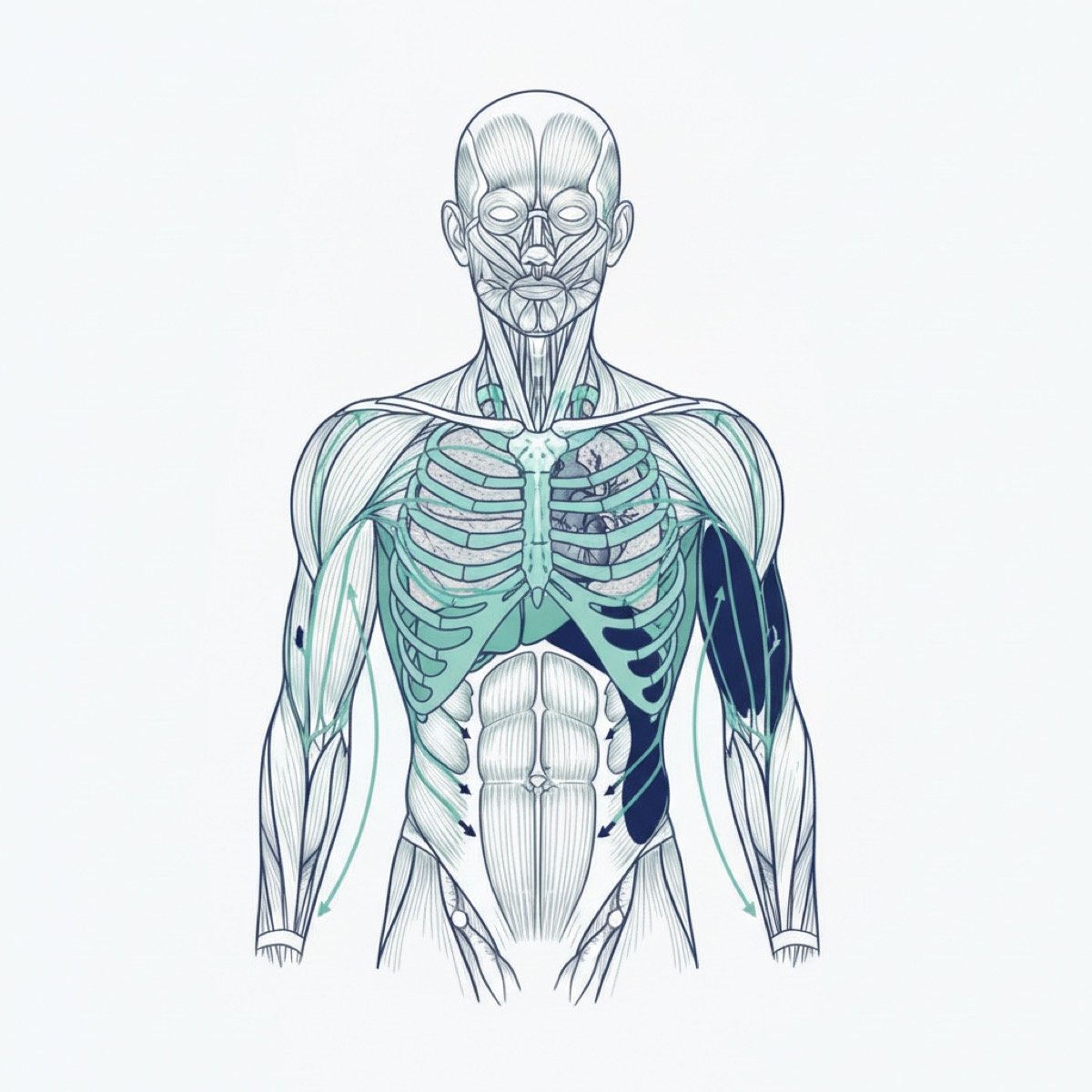
Low back pain can influence knee function due to the interconnected nature of the musculoskeletal system. The pelvis acts as a central hub that influences lower body mechanics. A misaligned or tense pelvis can lead to compensatory patterns in gait and posture, which may manifest as knee pain [4].
When the pelvis is not properly aligned, it can cause uneven distribution of weight and stress on the knees. Addressing these issues through targeted fascia release techniques can help restore balance and alleviate knee discomfort associated with low back pain.
What to expect during a fascia release session
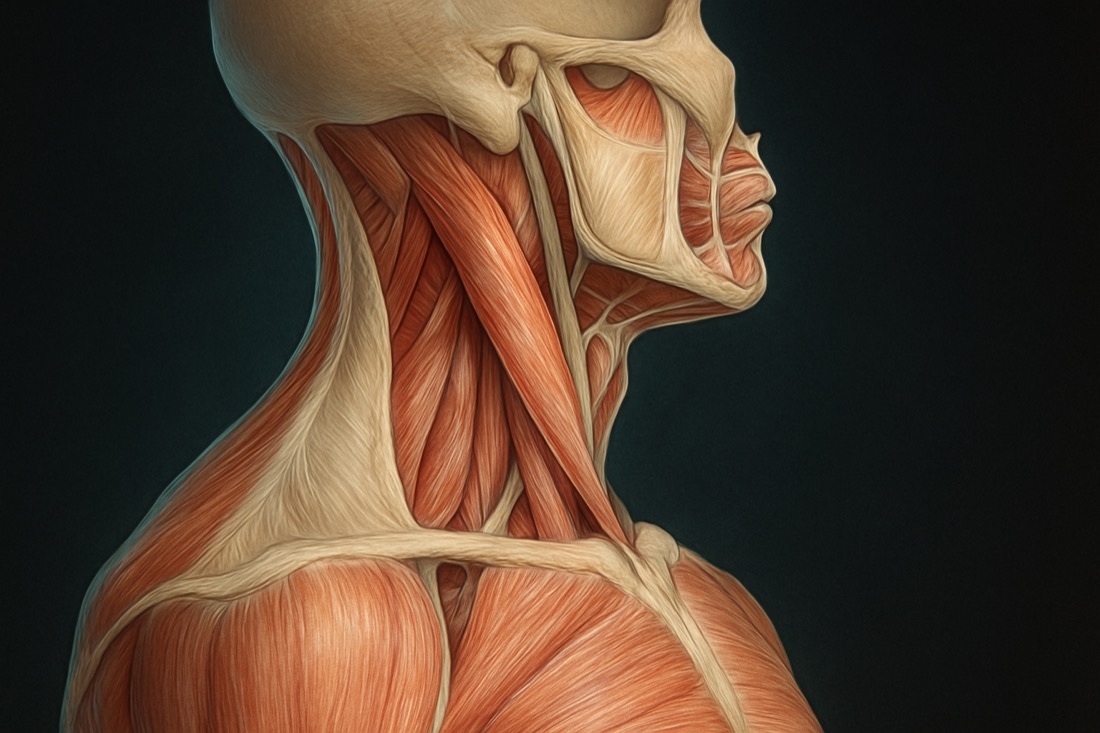
During a fascia release session targeting low back and knee pain, a practitioner will assess your posture and movement patterns. They may use specific manipulations on the pelvis and gentle pulls on the ear to influence fascial tension. These techniques are generally gentle and aim to promote relaxation and increased mobility [5].
Patients often report feeling a sense of relief and increased range of motion following a session. However, it is important to note that results can vary and multiple sessions may be necessary to achieve optimal outcomes.
How fascia release complements other therapies
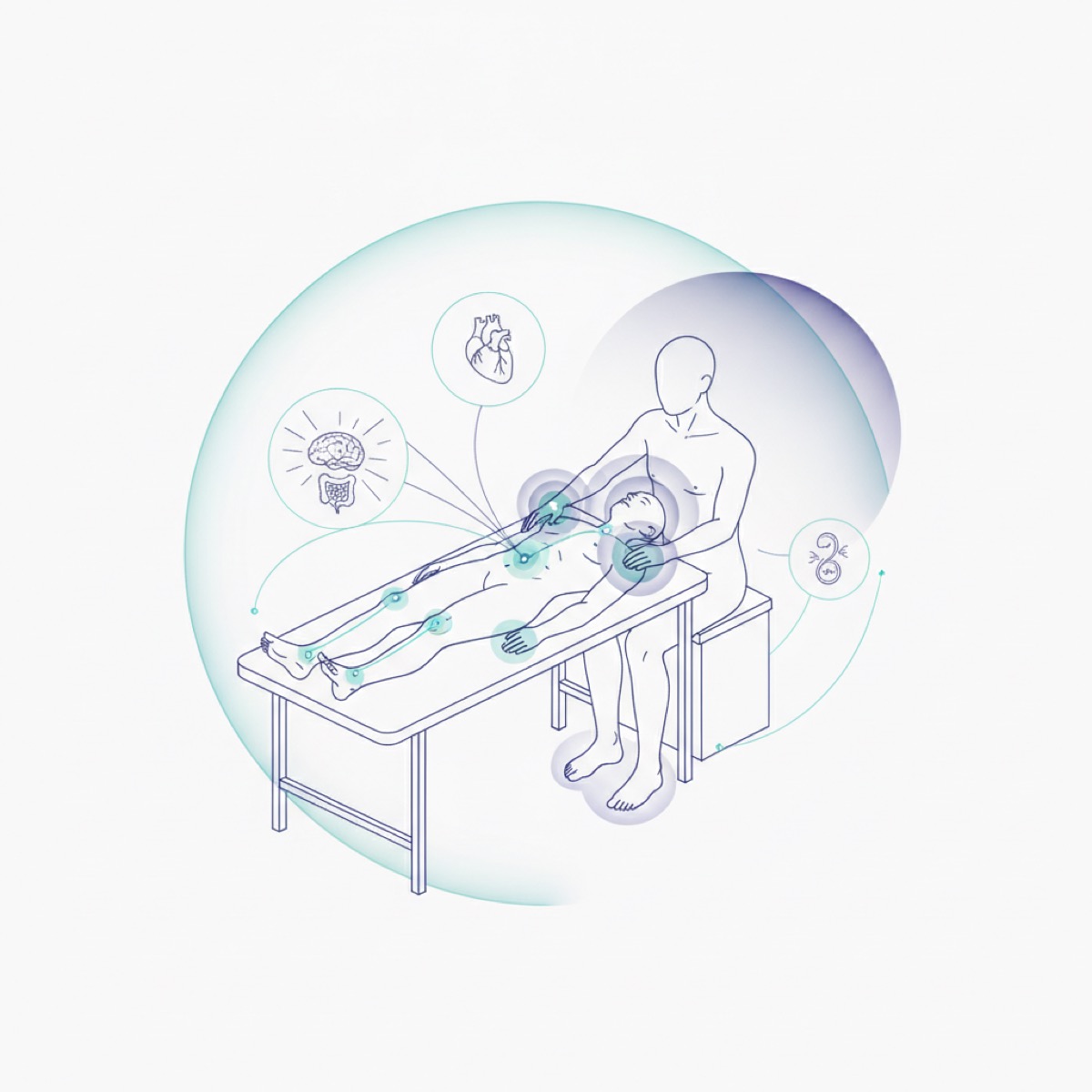
Fascia release can be a valuable addition to conventional treatments for low back and knee pain. When combined with exercises and other manual therapies, it can enhance overall treatment efficacy by improving tissue pliability and reducing pain [6].
Integrating fascia release into a holistic treatment plan allows for a more comprehensive approach to pain management. This synergy can lead to better patient satisfaction and long-term outcomes, as it addresses both the symptoms and underlying causes of discomfort.
Frequently asked questions
Is fascia release safe? — Fascia release is generally considered safe when performed by a trained professional. It is non-invasive and focuses on gentle manipulation to improve tissue mobility.
How long do the effects of fascia release last? — The duration of relief can vary. Some patients experience immediate improvement, while others may require multiple sessions for sustained benefits.
Can fascia release help with other types of pain? — Yes, fascia release can be beneficial for various musculoskeletal issues, including neck, shoulder, and hip pain, by addressing the interconnectedness of the fascial network.
References
- [1]Tozzi P, Bongiorno D, Vitturini C. Fascial release effects on patients with non-specific cervical or lumbar pain. J Bodyw Mov Ther. 2011;15(4):405–416.
- [2]Zügel M, Maganaris CN, Wilke J, et al. Fascial tissue research in sports medicine: from molecules to tissue adaptation, injury and diagnostics: consensus statement. Br J Sports Med. 2018;52(23):1497.
- [3]Klingler W, Velders M, Hoppe K, Pedro M, Schleip R. Clinical relevance of fascial tissue and dysfunctions. Curr Pain Headache Rep. 2014;18(8):439.
- [4]Wilke J, Vogt L, Niederer D, Banzer W. Is remote stretching based on myofascial chains as effective as local exercise? A randomised-controlled trial. J Sports Sci. 2017;35(20):2021–2027.
- [5]Palomeque-del-Cerro L, Arráez-Aybar LA, Rodríguez-Blanco C, et al. A systematic review of the soft-tissue connections between neck muscles and dura mater: the myodural bridge. Spine. 2017;42(1):49–54.
- [6]Woolf CJ. Central sensitization: implications for the diagnosis and treatment of pain. Pain. 2011;152(3 Suppl):S2–S15.