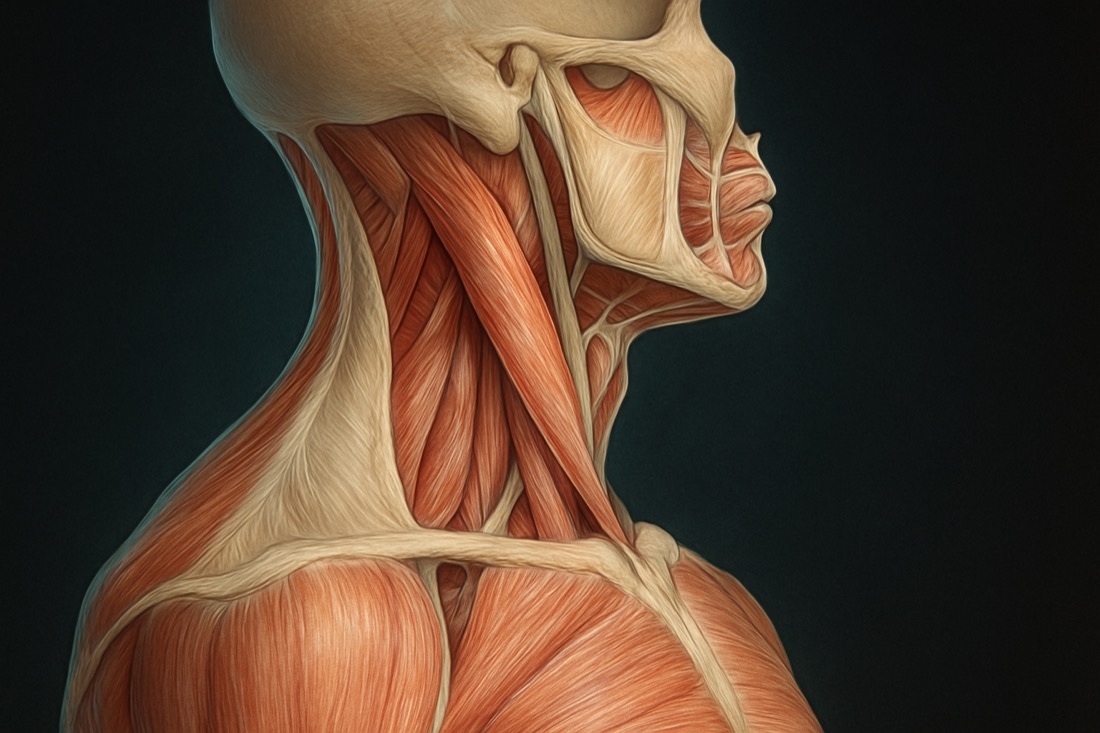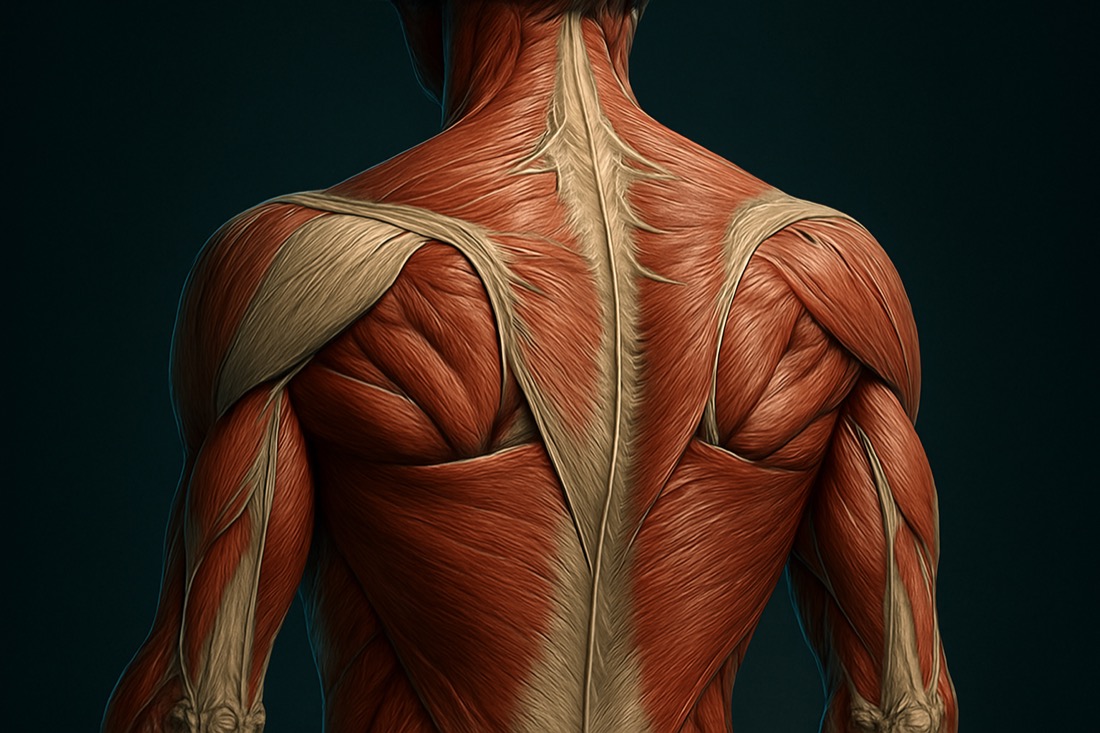
Relieve Shoulder Pain in One Session
Original title (JP): 肩の痛みを1回で改善させる動画

Supervised by
Shogo Fujii
Physiotherapist (PT) · Founder of the SHOGO FUJII® FASCIA METHOD
View profile →Clinical Article · 5 min read
Fascia release for low back pain is an emerging technique that offers relief by addressing interconnected muscle tension. Understanding how fascia influences pain can transform the approach to treating shoulder discomfort, as well as other areas that might seem unrelated.
How does fascia affect low back pain?
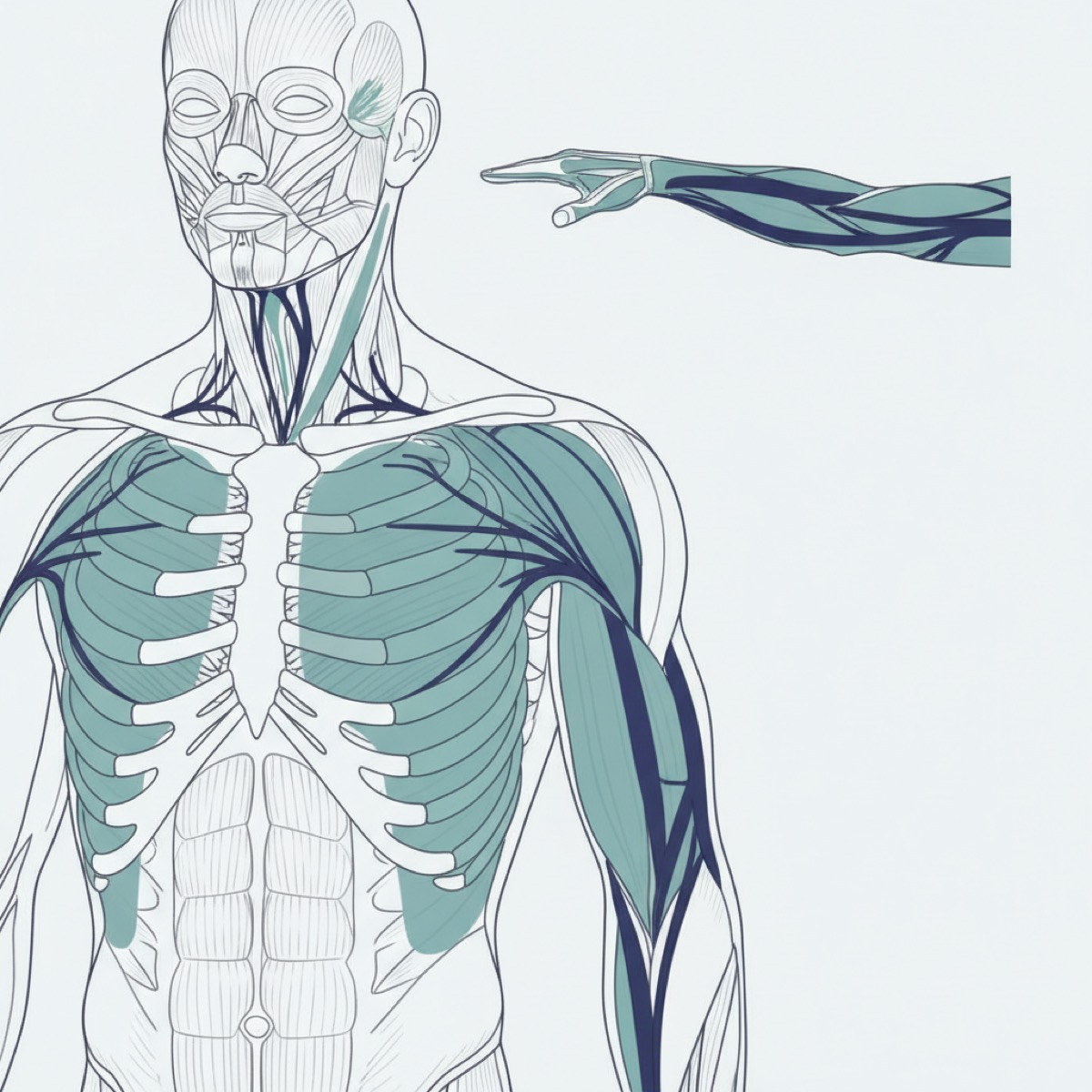
Fascia, a connective tissue that envelops muscles, plays a crucial role in bodily movement and pain perception. When fascia becomes tight or restricted, it can lead to discomfort not only in the localized area but also in seemingly unrelated parts of the body, such as the shoulders or neck. This interconnectedness is often overlooked in conventional treatments that focus solely on the area of pain.
The video by Shogo Fujii emphasizes the importance of understanding these connections. For instance, shoulder pain may not be directly due to issues in the shoulder itself but could be linked to tension in the forearm muscles. By addressing the fascial connections, clinicians can provide more comprehensive care.
Why is it important to evaluate fascia?
Evaluating fascia is crucial because it helps identify the true source of pain rather than just the symptoms. Traditional Western medicine often focuses on treating the site of pain through medication or surgery, which might not address the underlying cause. Understanding fascia's role can lead to more effective treatments.
In practice, this means clinicians should develop skills to assess fascial connections and their impact on the musculoskeletal system. This approach offers a broader understanding of the body's interconnectedness, potentially leading to better patient outcomes.
How can fascia release improve mobility?
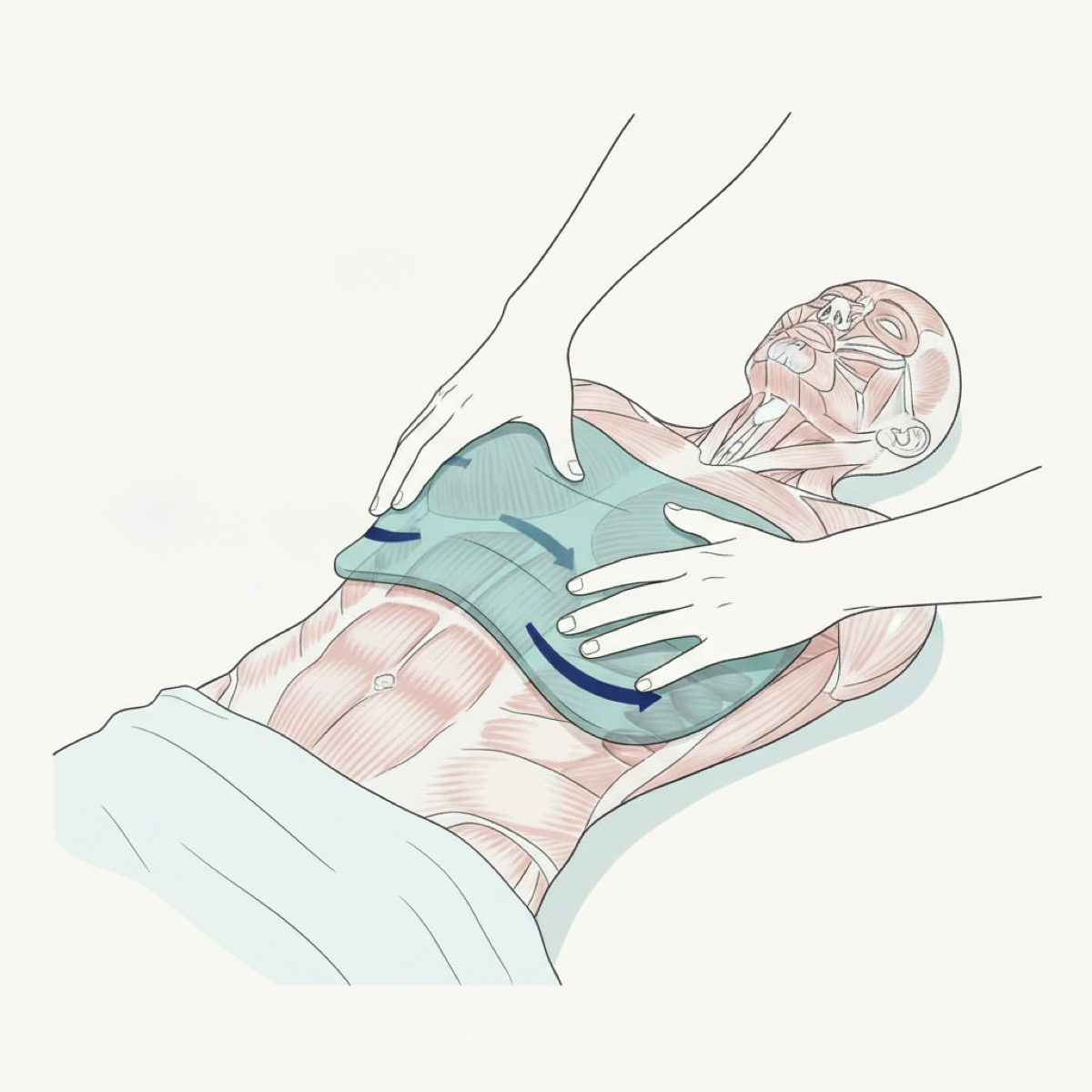
Fascia release techniques can significantly enhance mobility by alleviating tension and improving the glide between fascial layers. This can lead to increased range of motion and reduced pain, as demonstrated in Fujii's video through practical application on a patient with shoulder discomfort.
The process involves identifying areas of fascial tightness and using specific manipulation techniques to release these restrictions. This not only benefits the targeted area but can also have a ripple effect, improving overall body function and comfort.
What to expect during a fascia release session
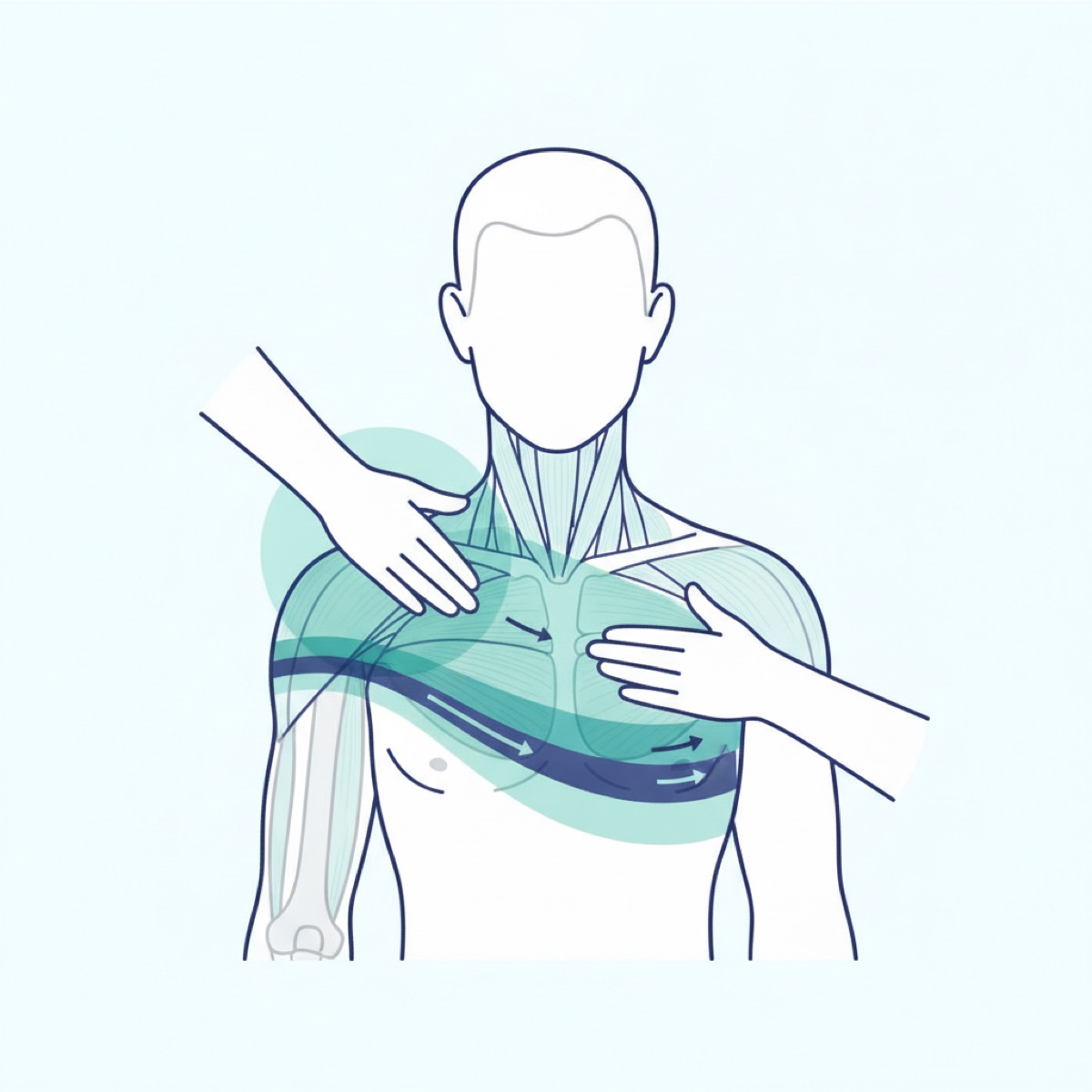
During a fascia release session, a clinician will typically begin with an assessment to identify areas of restriction. This involves palpating different muscle groups and observing movements to pinpoint sources of tension. The aim is to find the 'hot spots' where fascial tension is contributing to pain.
Once identified, the clinician will apply gentle pressure or stretching techniques to release these areas. Patients often report a sensation of relaxation and increased ease of movement post-session. It's important to note that results can vary, and multiple sessions may be necessary for optimal outcomes.
Frequently asked questions
Is fascia release safe? — Fascia release is generally considered safe when performed by a trained professional. It involves non-invasive techniques that focus on relieving tension and improving mobility.
How often should fascia release be done? — The frequency of fascia release sessions can vary depending on individual needs. Some may benefit from weekly sessions, while others might require less frequent treatments.
Can fascia release help with other types of pain? — Yes, fascia release can be beneficial for various types of musculoskeletal pain, not just low back pain. By addressing fascial restrictions, it can improve function and reduce pain in different body areas.
References
- [1]Woolf CJ. Central sensitization: implications for the diagnosis and treatment of pain. Pain. 2011;152(3 Suppl):S2–S15.
- [2]Tracey KJ. The inflammatory reflex. Nature. 2002;420(6917):853–859.
- [3]Mayer EA. Gut feelings: the emerging biology of gut–brain communication. Nat Rev Neurosci. 2011;12(8):453–466.
- [4]Cryan JF, Dinan TG. Mind-altering microorganisms: the impact of the gut microbiota on brain and behaviour. Nat Rev Neurosci. 2012;13(10):701–712.
- [5]Guo R, Chen LH, Xing C, Liu T. Pain regulation by gut microbiota: molecular mechanisms and therapeutic potential. Br J Anaesth. 2019;123(5):637–654.
- [6]Ricciotti E, FitzGerald GA. Prostaglandins and inflammation. Arterioscler Thromb Vasc Biol. 2011;31(5):986–1000.